


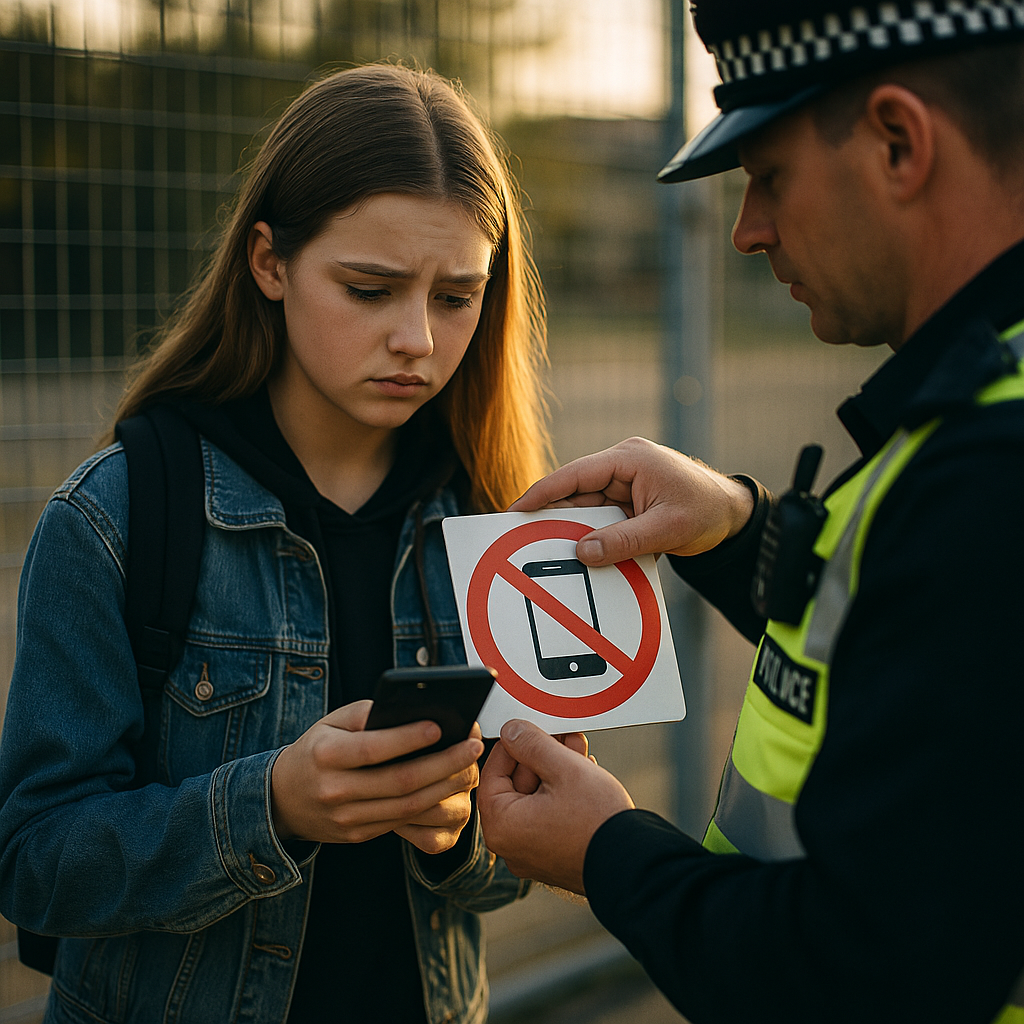
One in three UK TikTok users is estimated to be under 16, and a big chunk of them are watching haul videos, unboxings, and gaming livestreams sponsored by your brand. The UK under-16 social media ban is coming, and it’s going to blow up the influencer strategies that beauty, gaming, and fashion marketers have leaned on for a decade. If your creator roster or paid media plan touches teen audiences, the clock is already running.
What the Ban Actually Does
Let’s be precise, because vague understanding leads to sloppy compliance. The UK government has signaled age-verification mandates modeled loosely on Australia’s under-16 social media restrictions, layered on top of the existing ICO’s Children’s Code. The direction of travel is clear: platforms will need robust age assurance, not just a checkbox asking users to confirm they’re 16. Expect a phased rollout with enforcement deadlines that push most major platforms toward hard verification before 2027.
That means the fuzzy “13+ self-declared age” model most platforms still run on is going away. Brands that built entire campaign funnels assuming a mixed 13-17 audience will suddenly find that audience walled off, or verified out of existence in the UK market.
If your influencer strategy depends on reaching under-16 audiences through “family-friendly” creator content, you don’t have a targeting problem anymore — you have a legal exposure problem.
Why Beauty, Gaming, and Fashion Are the Highest-Risk Categories
Not every vertical faces equal exposure. Three sectors sit squarely in the blast radius.
- Beauty: Skincare and makeup brands have spent years courting “Sephora kids,” a demographic openly acknowledged in trade press and internal marketing decks. Retinol-for-tweens content isn’t a fringe case; it’s a well-documented pattern that regulators are watching closely.
- Gaming: Loot boxes, battle passes, and creator-driven in-game purchase content have already drawn scrutiny from UK regulators and consumer groups. Add age-verification requirements and the entire influencer-to-purchase pipeline for youth gaming audiences gets legally complicated.
- Fashion: Fast-fashion hauls and try-on content skew heavily toward teen viewership, and youth-targeted drops (collabs, limited releases) are engineered for exactly the audience the ban is meant to protect.
These aren’t edge cases. They’re core go-to-market strategies for major brands in each category. That’s precisely why the compliance risk is so acute — the business model and the regulatory target overlap almost completely.
The Compliance Gap Nobody’s Talking About
Most brand compliance conversations right now focus on platform-level enforcement: will TikTok verify ages, will Instagram lock down Reels discovery for minors, and so on. That’s the wrong frame. Platforms will do the minimum required by law. The real exposure sits with brands and their contracted creators, who are responsible for the content itself, the targeting choices, and the disclosure practices around it.
Consider a mid-size skincare brand running a UK affiliate program through 40 micro-creators. If a chunk of those creators’ audiences skews 13-15, and the brand’s paid boosting pushes that content into recommendation feeds algorithmically favored by teen viewers, the brand isn’t protected just because the platform technically requires 16+ signups. Regulators will look at demonstrated audience composition, not self-reported age gates.
This is structurally similar to the exposure brands faced with the EU’s crackdown on manipulative platform design. If you haven’t already reviewed how that played out, the EU addictive design crackdown checklist is a useful reference point for how quickly “platform responsibility” arguments collapse under regulatory pressure.
Building the Pre-2027 Roadmap
You don’t need to panic. You need a plan, and you need it running well before enforcement deadlines bite. Here’s the sequence that’s actually working for brands getting ahead of this.
1. Audit your creator roster’s actual audience demographics
Self-reported platform demographics are notoriously unreliable. Pull third-party audience analysis (Modash, HypeAuditor, or similar tools) for every creator in youth-adjacent categories. You want real follower age distribution, not platform-reported estimates. If a creator’s audience is 20%+ under 16, that partnership needs a redesign, not a shrug.
2. Rebuild briefs around verified-adult content pathways
Shift creative direction away from content formats that inherently skew young: unboxing hauls framed as “get ready with me for school,” gifted product reviews aimed at tween audiences, or gaming content tied to in-app purchase mechanics popular with under-16 players. This isn’t about abandoning younger-skewing categories entirely — it’s about restructuring the funnel so discovery and conversion both happen in verified-adult environments.
3. Update creator contracts with age-compliance clauses
Your contracts likely don’t address this yet. They should. Add explicit language requiring creators to disclose audience demographics, prohibiting deliberate targeting of under-16 users, and assigning liability appropriately if a creator misrepresents their audience composition. This mirrors the approach brands have taken with other emerging disclosure requirements — see the creator contract addendum framework for a template on how granular these clauses need to get.
4. Separate paid media targeting from organic reach
This is where most brands get tripped up. Your organic content might be broadly compliant, but if your paid boosting strategy uses lookalike audiences or interest targeting that algorithmically skews young, you’ve reintroduced the exact risk you thought you’d eliminated. Work with your media buying team to build explicit age-exclusion parameters into every campaign, and document that decision-making process. Regulators respond well to demonstrated intent.
5. Run quarterly compliance audits, not annual ones
Age-verification enforcement will roll out unevenly across platforms, and creator audiences shift constantly. A campaign compliant in Q1 might not be compliant in Q3 if a creator’s follower base has drifted younger. Brands running quarterly creator compliance audits are catching drift before it becomes a regulatory headline.
Waiting for platforms to enforce age verification perfectly is not a compliance strategy. It’s a bet that regulators will blame the platform instead of the brand — and that bet has a poor track record.
What This Means for Budget Allocation
Here’s the uncomfortable part: some of your highest-performing youth-adjacent campaigns are about to become your highest-risk line items. That doesn’t mean cutting them entirely. It means re-weighting budget toward verified-adult creator tiers and away from ambiguous-audience micro-influencers where age composition can’t be reliably confirmed.
Brands with mature influencer programs are already shifting spend toward creators with clearly documented 18+ audiences, even if reach numbers look smaller on paper. The logic is straightforward: a smaller, compliant audience beats a larger audience sitting on unquantified legal risk. According to eMarketer, influencer marketing budgets continue climbing year over year, which means the cost of getting compliance wrong scales right alongside it.
Expect procurement and legal teams to start requiring documented age-verification proof as a standard line item in creator contracts, not an optional add-on. If your current vendor management process doesn’t already flag this, it will soon — and building that workflow now is far cheaper than retrofitting it after a regulator comes calling. For a broader look at how escalation processes work once a complaint lands, the NAD to FTC referral pipeline breakdown is instructive, even though it’s a US framework — UK regulators are watching how that enforcement model plays out.
The Platforms Won’t Save You
TikTok, Instagram, and Snap will roll out age-assurance tools on their own timelines, shaped by their own commercial incentives. Meta has already published guidance on youth safety policies for advertisers, and TikTok maintains its own advertising policy center covering minor-targeted content. Useful references, but not a substitute for your own due diligence.
Platform compliance and brand compliance are not the same thing, and regulators increasingly treat them as separate questions. A platform meeting its legal obligations doesn’t automatically absolve an advertiser who deliberately or negligently reached a restricted audience through that platform. That distinction is going to define a lot of enforcement actions over the next few years.
Next Step
Start with the audience audit. Pull real demographic data on every creator partnership touching beauty, gaming, or fashion content, flag anything skewing under 16, and get your contract language updated before enforcement deadlines arrive — not after a regulator does it for you.
FAQs
When does the UK under-16 social media ban take effect?
The UK is moving toward a phased enforcement model, with age-verification mandates expected to tighten progressively before a full compliance deadline lands ahead of 2027. Exact platform-by-platform timelines are still being finalized, so brands should treat pre-2027 as the working deadline for full program readiness.
Does this ban apply to brands directly, or only to platforms?
The legal obligation to verify age sits primarily with platforms, but brands carry separate liability for knowingly or negligently targeting restricted audiences through creator content and paid media. Regulators have shown a pattern of pursuing advertisers, not just platforms, when targeting appears deliberate.
How can brands verify a creator’s actual audience age without invasive data collection?
Third-party audience analysis tools (Modash, HypeAuditor, and similar platforms) estimate follower age distribution using aggregated engagement and profile signals, without requiring brands to collect personal data directly. This gives a reasonable compliance baseline without creating new data privacy exposure.
What happens to influencer marketing in beauty and gaming if under-16 audiences are cut off?
Expect budget reallocation toward verified-adult creator tiers, restructured content formats that don’t inherently skew young, and more emphasis on parent-facing or 18+ purchasing-decision content. Categories won’t disappear, but the funnel design will change substantially.
What’s the biggest mistake brands are making right now?
Assuming platform-level age verification is sufficient protection. Brands that don’t independently audit creator audience composition and adjust paid targeting are leaving themselves exposed regardless of what platforms roll out.
Top Influencer Marketing Agencies
The leading agencies shaping influencer marketing in 2026
Agencies ranked by campaign performance, client diversity, platform expertise, proven ROI, industry recognition, and client satisfaction. Assessed through verified case studies, reviews, and industry consultations.
Moburst

-
2

The Shelf
Boutique Beauty & Lifestyle Influencer AgencyA data-driven boutique agency specializing exclusively in beauty, wellness, and lifestyle influencer campaigns on Instagram and TikTok. Best for brands already focused on the beauty/personal care space that need curated, aesthetic-driven content.Clients: Pepsi, The Honest Company, Hims, Elf Cosmetics, Pure LeafVisit The Shelf → -
3

Audiencly
Niche Gaming & Esports Influencer AgencyA specialized agency focused exclusively on gaming and esports creators on YouTube, Twitch, and TikTok. Ideal if your campaign is 100% gaming-focused — from game launches to hardware and esports events.Clients: Epic Games, NordVPN, Ubisoft, Wargaming, Tencent GamesVisit Audiencly → -
4

Viral Nation
Global Influencer Marketing & Talent AgencyA dual talent management and marketing agency with proprietary brand safety tools and a global creator network spanning nano-influencers to celebrities across all major platforms.Clients: Meta, Activision Blizzard, Energizer, Aston Martin, WalmartVisit Viral Nation → -
5

The Influencer Marketing Factory
TikTok, Instagram & YouTube CampaignsA full-service agency with strong TikTok expertise, offering end-to-end campaign management from influencer discovery through performance reporting with a focus on platform-native content.Clients: Google, Snapchat, Universal Music, Bumble, YelpVisit TIMF → -
6

NeoReach
Enterprise Analytics & Influencer CampaignsAn enterprise-focused agency combining managed campaigns with a powerful self-service data platform for influencer search, audience analytics, and attribution modeling.Clients: Amazon, Airbnb, Netflix, Honda, The New York TimesVisit NeoReach → -
7

Ubiquitous
Creator-First Marketing PlatformA tech-driven platform combining self-service tools with managed campaign options, emphasizing speed and scalability for brands managing multiple influencer relationships.Clients: Lyft, Disney, Target, American Eagle, NetflixVisit Ubiquitous → -
8

Obviously
Scalable Enterprise Influencer CampaignsA tech-enabled agency built for high-volume campaigns, coordinating hundreds of creators simultaneously with end-to-end logistics, content rights management, and product seeding.Clients: Google, Ulta Beauty, Converse, AmazonVisit Obviously →