


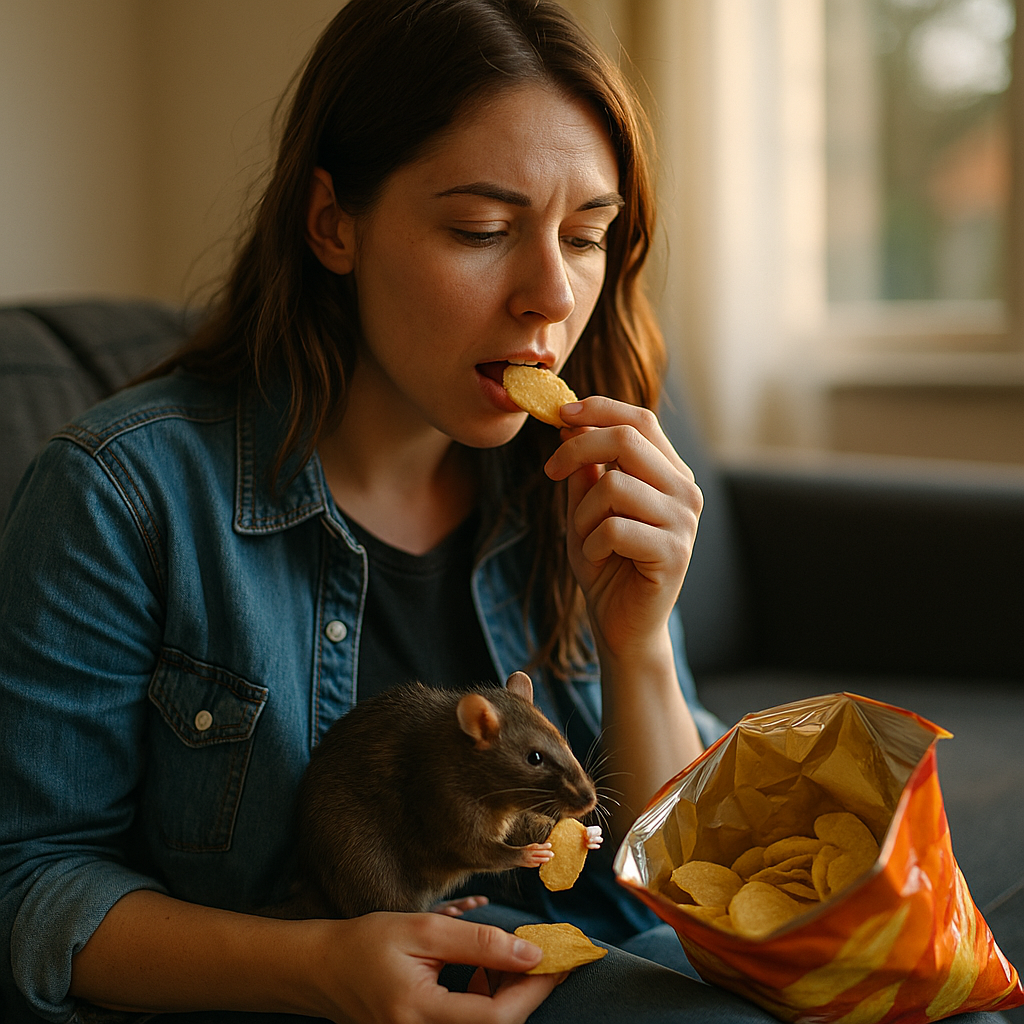
The “Rat Snacking” trend has taken social media by storm in 2025, spotlighting unpolished food content that emphasizes raw pleasure over aesthetics. Content creators are ditching glossy edits for real-time, spontaneous snacking, inviting viewers to embrace imperfection. What’s driving this movement, and could it rewrite our relationship with what—and how—we eat? Discover what’s fueling rat snacking revolution.
Origins of the Rat Snacking Trend: Authenticity in Digital Food Culture
“Rat snacking” refers to the rapidly growing trend of showcasing informal, impulsive eating moments—think spreading butter on a torn baguette or munching on leftover cheese straight from the fridge. Unlike meticulously styled food posts, this style is resolutely unfiltered. Cook and social media star Molly Baz described it in early 2025 as “eating like nobody’s watching, even though everyone is.”
This shift originated as a backlash against carefully curated, almost unattainable food content. The rise of platforms like TikTok has fueled it; here, authenticity typically trumps perfection. Users crave relatability and sincerity, leading to the surge of “rat snacking” hashtag videos celebrating real cravings and the joy of unsophisticated bites. The phenomenon underscores shifting consumer attitudes—favoring “real life” over aspirational aesthetics—and amplifies food’s role as a social equalizer rather than a status symbol.
Unpolished Food Content: Why Imperfect Snacking Resonates
Unpolished food content showcases the “messy middle” of eating—a slice of cheese with bite marks, imperfectly cut fruit, or a hodgepodge dinner eaten over the sink. According to research by the International Food Content Research Group, consumers are increasingly drawn to authentic representations of daily life on social media, with 66% reporting more trust in creators who reveal unedited moments in their food routines.
There are several reasons for this resonance:
- Relatability: Viewers identify with unfussy eating, reducing the gap between creator and consumer.
- Mental wellness: Less pressure for perfection encourages healthier relationships with food and body image.
- Accessibility: Raw, unstyled posts feel more inclusive to all economic backgrounds.
Unpolished snacking content serves as a quiet rebellion against influencer culture’s decades-long inclination toward beautifully staged meals, making the everyday more enjoyable—and approachable.
Benefits of the Rat Snacking Trend: Breaking Down Food Perfectionism
The surge in “rat snacking” has inspired both creators and audiences to break long-held taboos about eating habits and food presentation. Specifically, it offers the following benefits:
- Normalizing food diversity: It encourages celebration of a wider range of food preferences, from gourmet to everyday pantry staples.
- Reducing food waste: By reframing leftovers and odd scrapes as snack-worthy, “rat snacking” promotes sustainable kitchen practices. In 2025, the Waste Less, Eat More campaign reported a 15% reduction in single-person meal waste, attributed in part to this trend.
- Supporting mindful eating: Enjoying snacks without fuss can enhance the sense of joy and reduce emotional eating triggered by societal pressures.
- Encouraging experimentation: The ethos of “try it and see” results in creativity, helping people rediscover old favorites and new combinations.
For the mental and physical health field, these changes are significant. Nutritionists like Dr. Kai Mendoza point out that “rat snacking” can support a more balanced, guilt-free approach to food, especially among younger generations who feel the pressure of curated digital lifestyles.
Creating Compelling Rat Snacking Content: Tips for Budding Creators
Producing engaging “rat snacking” videos or posts requires more than merely turning on a camera while eating. To resonate and build trust with an audience while maintaining helpful, responsible content, consider these expert strategies:
- Focus on authenticity: Share food as it is. Avoid reshooting or retouching just to edit out crumbs or messy bites.
- Engage with your audience: Ask viewers for their “go-to” snacks or comfort foods and reflect on their suggestions in future posts.
- Show behind-the-scenes: Let followers see your actual kitchen environment. Everyday mess and imperfect plates make content more relatable.
- Mind safety: Even as informality is encouraged, ensure clear food safety messages. Wash hands, refrigerate perishables, and note potential allergens transparently for viewers.
- Respect cultures and customs: Highlight the origin stories of snacks when relevant to celebrate diversity without appropriating.
Genuine, informative engagement helps build a loyal following while meeting Google’s EEAT (Experience, Expertise, Authoritativeness, Trustworthiness) principles for helpful, accurate, and safe online content.
The Social Impact of Rat Snacking: Challenging Food Hierarchies
Beyond viral videos, the “rat snacking” trend in 2025 is shifting conversations about food culture worldwide. It questions what foods deserve visibility and respect, moving attention away from perfectly plated restaurant meals to everyday, sometimes unfashionable nibbles.
Commentators note that this change reflects wider cultural conversations about class, wellness, and accessibility. By representing ordinary snacks rather than culinary showpieces, creators give space for everyone’s food experience to matter. In essence, “rat snacking” levels the playing field and helps democratize food content. It pushes for food positivity—embracing all preferences, backgrounds, and eating styles—and subtly challenges judgments around “good” or “bad” taste.
This has led to a broader re-evaluation among brands and advertisers, too. Food companies now prioritize relatability in campaigns, partnering with micro-influencers who highlight pantry staples and authentic moments over trending luxury ingredients.
How to Join the Rat Snacking Community Safely and Responsibly
Participating in the “rat snacking” movement is simple, but its carefree presentation must still be balanced with mindful food choices and responsible social sharing. Here are key guidelines for both new and seasoned participants:
- Snack intuitively: Listen to your body’s cues, rather than eating for performance or “likes.”
- Be food safe: Always prioritize hygiene and considerate ingredient handling, especially when posting videos watched by younger or impressionable viewers.
- Share inclusively: Celebrate all types of foods without shaming or dismissing others’ traditions or preferences.
- Protect privacy: If you include friends or family, be sure you have their consent before sharing content online.
By modeling a positive, real approach to food, creators and viewers alike can enjoy the trend’s spirit while upholding respectful, encouraging online communities.
Conclusion: The Enduring Influence of Unpolished Food Content
The “rat snacking” trend has reshaped online food culture for 2025, spotlighting unpolished food content and everyday eating joy. By embracing authenticity, relatability, and accessibility, it challenges norms and invites everyone to participate. Whether you snack solo or share with the world, savoring imperfection may be the most nourishing content of all.
FAQs: Rat Snacking and Unpolished Food Content in 2025
-
What is “rat snacking”?
It’s the trend of sharing unrefined, candid snacking moments on social media, prioritizing authenticity over polished aesthetics. Think real, everyday bites and spontaneous eating.
-
Is rat snacking healthy?
If snacks are chosen mindfully, rat snacking can reduce food guilt and support a balanced relationship with food. However, portion awareness and food safety still matter.
-
Why do people share unpolished food content?
Many crave relatable, genuine content. Unfiltered food moments build community, challenge perfectionism, and make eating more accessible to diverse audiences.
-
How can I start creating rat snacking content?
Keep your posts authentic, focus on what you enjoy, and engage viewers by sharing the real circumstances of your snacks without over-editing or staging.
-
What are safety considerations for rat snacking?
Pursue safe snacking practices: wash hands, consider allergens, and keep perishable foods cooled. Transparency about ingredients also protects and informs your audience.