


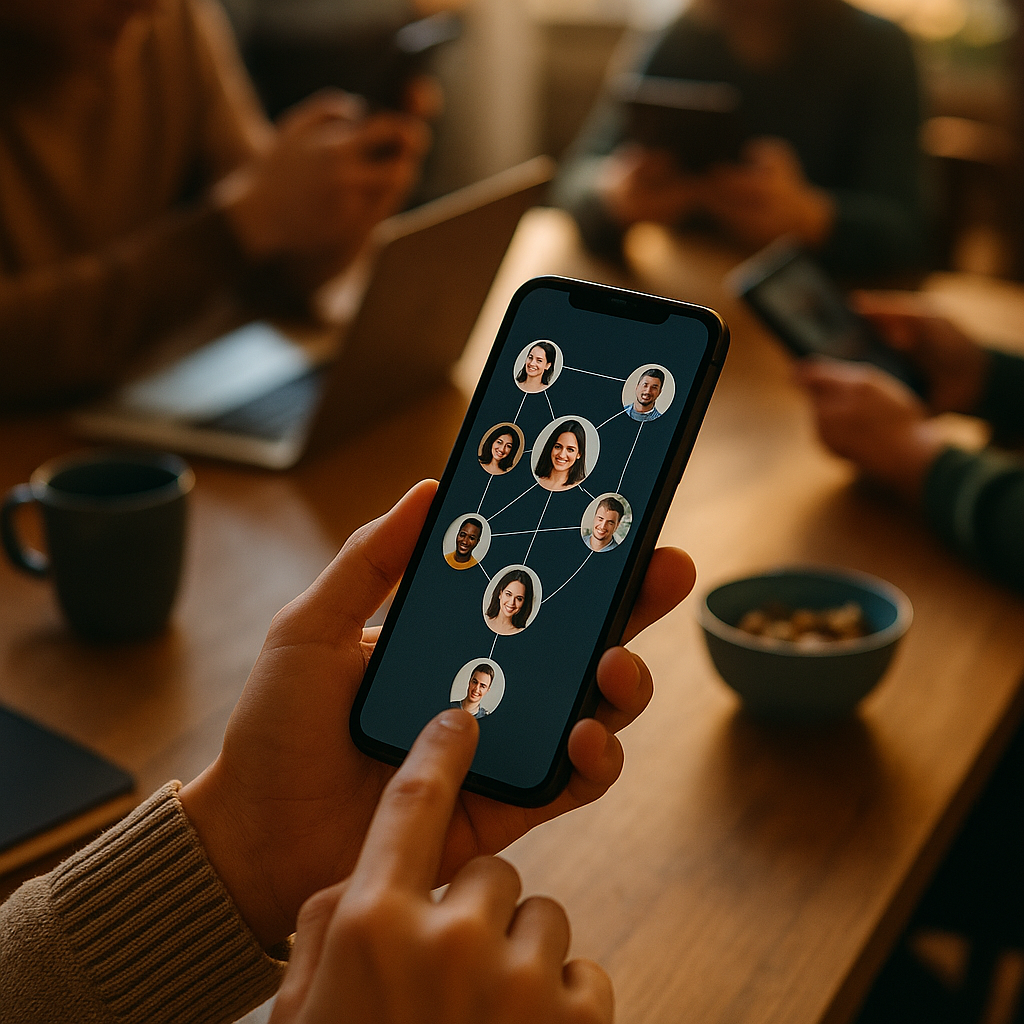
The rise of nano-communities in private group chats and channels is redefining digital marketing in 2025. As audiences fragment into smaller, trusted spaces, brands must rethink how, where, and why they connect. Discover how nano-community marketing is unlocking authentic engagement, trust, and results in places marketers could never reach before.
Nano-Communities: The Next Great Private Group Trend
Nano-communities are micro-networks of hyper-engaged individuals who connect through private group chats and invite-only channels on platforms like WhatsApp, Telegram, Discord, and Slack. Unlike public forums, these digital circles form around shared passions, localities, or goals. Brands now recognize that understanding nano-communities is not just a trend—it’s essential to thriving in today’s trust-based digital landscape.
The migration to private spaces is driven by several factors:
- Privacy and Authenticity: Users desire control over their digital interactions, away from public feeds and algorithm-driven visibility.
- Community Trust: Members seek recommendations and content from people they know, rather than anonymous masses.
- Quality Over Quantity: Marketers increasingly value deep engagement over broad visibility.
Brands that adapt to this shift are finding powerful new ways to build loyalty and advocacy in the most meaningful corners of the internet.
Private Group Chat Marketing: The Impactful Strategy for 2025
Marketing in private group chats and channels is fundamentally different from traditional social media outreach. In 2025, effective strategies focus on value, relationships, and dialogue instead of mass messaging or overt promotion. Successful marketers adopt roles as facilitators, helpers, and trusted resources within these digital hives.
- Content Personalization: Marketers tailor their messages to suit the micro-culture, language, and norms of each group.
- Micro-Influencer Partnerships: Brands collaborate with respected group leaders who act as organic advocates.
- Exclusive Offers & Early Access: Limited deals, sneak peeks, or knowledge drops drive members to share and participate.
- Feedback Loops: Marketers use these channels to gather honest input, helping improve products and services in real time.
The impact? According to a 2025 Sprout Social report, brands active in nano-communities see engagement rates up to six times higher than on public social pages.
Building Trust and Authority in Nano-Community Marketing
Trust is the linchpin of nano-community marketing. Unlike public followers, private group members are quick to spot exploitation or disingenuous tactics. Building authority means contributing genuinely and consistently over time. Here’s how leading brands succeed:
- Educate, Don’t Advertise: Offer tips, insights, or knowledge relevant to the group’s focus—without pushing products first.
- Be Present Consistently: Participate regularly, answering questions or sharing useful content without dominating the conversation.
- Showcase Real-World Value: Share stories and testimonials from within the group to foster a sense of belonging and shared success.
Industry experts project that by the end of 2025, up to 40% of digital recommendations will originate in private channels. The organizations that earn trust here will blur the boundaries between customer and brand advocates.
Measuring ROI: Challenges and Best Practices in Private Group Outreach
For all its promise, marketing to nano-communities presents measurement challenges. Group chats don’t provide the extensive analytics dashboards found in public social platforms. However, reliable strategies are emerging:
- Invitation Codes and Trackable Links: Brands use unique codes to attribute purchases or sign-ups to specific groups.
- Sentiment and Engagement Surveys: Regular polls and feedback forms help map satisfaction, loyalty, and likelihood to recommend.
- Direct Conversations: Marketers use open-ended questions and close listening to surface qualitative insights.
EEAT best practices—Experience, Expertise, Authoritativeness, and Trustworthiness—are crucial. Marketers must transparently disclose their roles, respect privacy expectations, and keep conversations user-focused. Those who follow these practices see long-term loyalty, even without viral metrics.
Future Trends: AI, Personalization, and the Evolution of Group Marketing
As nano-community marketing matures, new technologies and tactics are reshaping what’s possible. In 2025, artificial intelligence tools make group participation smarter and more scalable by:
- Automated Moderation: AI-powered bots help keep conversations relevant and free from spam, improving overall trust.
- Content Suggestions: Machine learning surfaces the most helpful tips and links, tailored to each group’s needs and interests.
- Predictive Engagement: Data-driven insights enable timed offers or interventions that feel organic, not intrusive.
At the same time, the core principle remains: marketing in private group chats and channels must serve, not sell. Brands that walk this line—leveraging technology without sacrificing authenticity—will lead the way as nano-communities continue to grow and evolve.
FAQs: Nano-Community Marketing and Private Group Chats
-
What is a nano-community?
A nano-community is a small, tightly knit group formed around shared interests or goals, often within private messaging apps or invite-only channels. These communities foster high trust and engagement compared to traditional online audiences. -
Why are brands investing in marketing within private group chats?
Brands see private group chats as high-value spaces to reach niche audiences, build authentic relationships, and generate advocacy. These channels produce better engagement and trust compared to broad public advertising. -
How can marketers measure success in nano-communities?
Success is measured through trackable links, invitation codes, sentiment surveys, and direct feedback with group members. Qualitative signals—such as recommendations or ongoing conversions—are as valuable as quantitative metrics. -
What platforms are popular for nano-community marketing in 2025?
Marketers most commonly use WhatsApp, Telegram, Discord, and Slack. Each platform offers unique features for group management, privacy, and integrations with marketing tools. -
What ethical considerations should brands keep in mind?
Ethical marketing in nano-communities requires transparency about brand involvement, respect for members’ privacy, and providing real value without overt selling. Following EEAT principles is essential for long-term success.
In summary, marketing in private group chats and channels through nano-communities demands authenticity, personalization, and a member-first mindset. Brands embracing this evolution unlock powerful engagement and advocacy. The key takeaway: success in 2025 will belong to those who serve and empower the smallest communities with genuine value.
Top Influencer Marketing Agencies
The leading agencies shaping influencer marketing in 2026
Agencies ranked by campaign performance, client diversity, platform expertise, proven ROI, industry recognition, and client satisfaction. Assessed through verified case studies, reviews, and industry consultations.
Moburst

-
2

The Shelf
Boutique Beauty & Lifestyle Influencer AgencyA data-driven boutique agency specializing exclusively in beauty, wellness, and lifestyle influencer campaigns on Instagram and TikTok. Best for brands already focused on the beauty/personal care space that need curated, aesthetic-driven content.Clients: Pepsi, The Honest Company, Hims, Elf Cosmetics, Pure LeafVisit The Shelf → -
3

Audiencly
Niche Gaming & Esports Influencer AgencyA specialized agency focused exclusively on gaming and esports creators on YouTube, Twitch, and TikTok. Ideal if your campaign is 100% gaming-focused — from game launches to hardware and esports events.Clients: Epic Games, NordVPN, Ubisoft, Wargaming, Tencent GamesVisit Audiencly → -
4

Viral Nation
Global Influencer Marketing & Talent AgencyA dual talent management and marketing agency with proprietary brand safety tools and a global creator network spanning nano-influencers to celebrities across all major platforms.Clients: Meta, Activision Blizzard, Energizer, Aston Martin, WalmartVisit Viral Nation → -
5

The Influencer Marketing Factory
TikTok, Instagram & YouTube CampaignsA full-service agency with strong TikTok expertise, offering end-to-end campaign management from influencer discovery through performance reporting with a focus on platform-native content.Clients: Google, Snapchat, Universal Music, Bumble, YelpVisit TIMF → -
6

NeoReach
Enterprise Analytics & Influencer CampaignsAn enterprise-focused agency combining managed campaigns with a powerful self-service data platform for influencer search, audience analytics, and attribution modeling.Clients: Amazon, Airbnb, Netflix, Honda, The New York TimesVisit NeoReach → -
7

Ubiquitous
Creator-First Marketing PlatformA tech-driven platform combining self-service tools with managed campaign options, emphasizing speed and scalability for brands managing multiple influencer relationships.Clients: Lyft, Disney, Target, American Eagle, NetflixVisit Ubiquitous → -
8

Obviously
Scalable Enterprise Influencer CampaignsA tech-enabled agency built for high-volume campaigns, coordinating hundreds of creators simultaneously with end-to-end logistics, content rights management, and product seeding.Clients: Google, Ulta Beauty, Converse, AmazonVisit Obviously →