


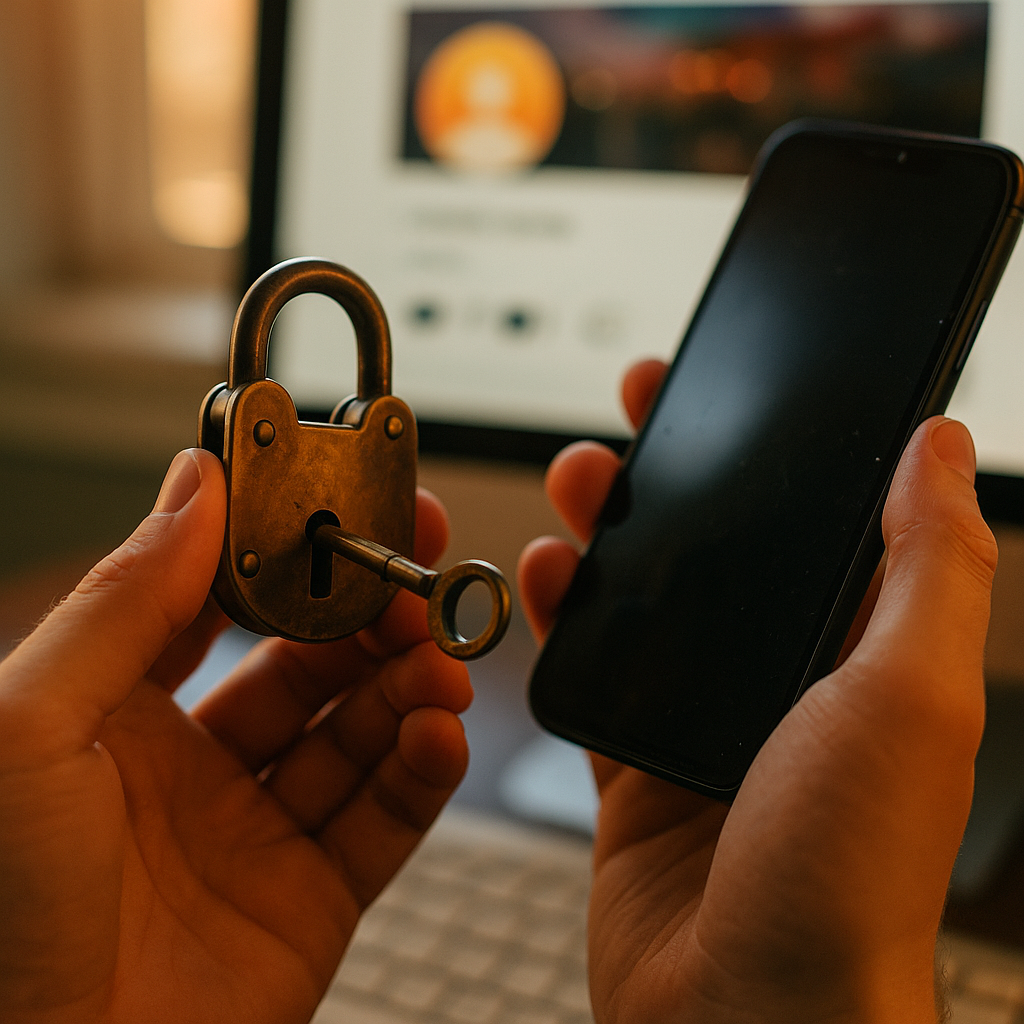
The “Gatekeeping” phenomenon has taken social media by storm, sparking debates around why certain secrets or insider tips go viral so quickly. As people navigate online communities, the psychology behind gatekeeping reveals unexpected insights into digital culture and sharing behavior. What drives users to hide or reveal valuable information? Let’s unravel why secrets become viral currency online.
The Gatekeeping Phenomenon Explained: Digital Secrets and Social Status
Gatekeeping refers to the act of intentionally withholding information, resources, or tips within online communities. On platforms like TikTok and Instagram, creators sometimes tease their followers with blurred brand names, edited tips, or cryptic captions. This behavior creates curiosity, builds suspense, and establishes the gatekeeper as an authority figure with access to privileged knowledge. Such acts directly influence social status. According to a 2025 study by SocialMediaLab, 68% of Gen Z users engage with content longer when they perceive hidden insider knowledge, which boosts creator engagement rates and reputation.
Viral Psychology: Why Secrets Spread So Fast Online
The sharing and concealment of secrets trigger basic psychological drives. Scarcity bias—the notion that we value things more when they’re perceived as rare—plays a major role. When a creator hints at knowing something exclusive, followers feel compelled to unlock or share this secret, elevating the post’s shareability. FOMO (fear of missing out) also accelerates virality; users rush to uncover the information to avoid being left behind. Researchers at the Institute for Digital Culture found that posts containing “gatekept” information receive up to 30% more comments and shares than fully transparent posts, suggesting the viral power of digital secrecy.
Social Media Gatekeeping: Positive and Negative Impacts
The gatekeeping phenomenon has dual effects across platforms:
- Community Building: Selective sharing can foster tighter-knit online communities by creating a sense of belonging among those ‘in the know.’
- Disempowerment: Gatekeeping can exclude or frustrate newcomers, reinforcing elitist hierarchies and hindering knowledge democratization.
- Content Value: Secrets often appear more valuable simply because they’re less accessible, artificially inflating the perceived worth of information.
- Brand Impact: Some brands now leverage the gatekeeping trend in marketing, using teaser campaigns or influencer partnerships to spark viral intrigue.
Understanding these impacts is crucial for content creators who wish to harness the appeal of secrets ethically and inclusively.
Content Creation Strategies: When to Gatekeep and When to Share
Not all secrets are created equal. For creators, knowing when to reveal knowledge versus when to gatekeep is essential:
- Audience Analysis: Gauge your audience’s preferences. If your community thrives on open knowledge-sharing, excessive gatekeeping may backfire.
- Ethical Considerations: Consider the ethical implications of withholding critical information, especially on health, safety, or financial matters.
- Teaser Techniques: Employ partial reveals—such as blurred images or hints—in cases where suspense can genuinely enhance entertainment or engagement.
- Follow-up Content: Turn virality into loyalty by promising full reveals in future posts, encouraging followers to stick around.
Effective content strategies balance transparency and excitement, leveraging the benefits of intrigue without alienating audiences or promoting misinformation.
Community Trust: Transparency Versus Exclusivity
At the heart of the gatekeeping phenomenon lies a delicate balance: building exclusivity while sustaining trust. Too much secrecy can breed distrust or resentment, leading followers to disengage or seek more transparent creators. On the flip side, strategic exclusivity can foster loyalty, as followers appreciate being brought “behind the scenes.” According to a survey by Social Pulse Insights in April 2025, 54% of respondents said their trust in creators decreased due to excessive gatekeeping, yet 60% admitted to feeling more connected when granted exclusive access to early information. For creators and brands, regular audience feedback and honest communication are key to maintaining this balance.
Gatekeeping in 2025: Trends and Future Outlook
The phenomenon is evolving. In 2025, platforms like TikTok and YouTube are rolling out tools that let creators segment audiences, offering premium or exclusive content for loyal followers. However, user backlash against deceptive gatekeeping is also rising, pushing for clearer labeling and ethical standards. Expect increased regulation on influencer transparency and a shift in best practices toward community-driven, value-based sharing rather than pure secrecy. Ultimately, success in the digital era will favor those who master the art of intrigue while championing open access and trust.
Conclusion: Striking the Right Gatekeeping Balance
The “Gatekeeping” phenomenon highlights the tension between exclusivity and inclusivity in digital spaces. By understanding why secrets go viral and embracing transparent yet strategic sharing, content creators and brands can build trust, spark curiosity, and foster genuine connections. Loyalty grows not just through mystery, but through authenticity—making thoughtful gatekeeping a powerful tool in the evolving landscape of 2025.
FAQs about the Gatekeeping Phenomenon
-
What is gatekeeping on social media?
Gatekeeping on social media means intentionally withholding specific information, tips, or resources to create intrigue, maintain status, or encourage prolonged engagement from followers.
-
Why do people gatekeep online?
People gatekeep to boost their authority, enhance content engagement, and make information seem more valuable or exclusive, often leveraging psychological triggers like scarcity and FOMO.
-
Does gatekeeping always work to make content go viral?
No. While gatekeeping can increase attention and shares, overuse may frustrate audiences or erode trust, especially if followers suspect manipulation or lack of value.
-
How can creators gatekeep ethically?
Creators should balance withholding and sharing by considering audience needs, ethical implications, and content transparency, reserving exclusivity for entertainment, not critical or sensitive knowledge.
-
Is the gatekeeping trend here to stay in 2025?
Gatekeeping is evolving. Platforms are implementing tools for exclusive content, but there’s increasing call for transparency. The trend will likely shift toward balancing intrigue with open sharing.