


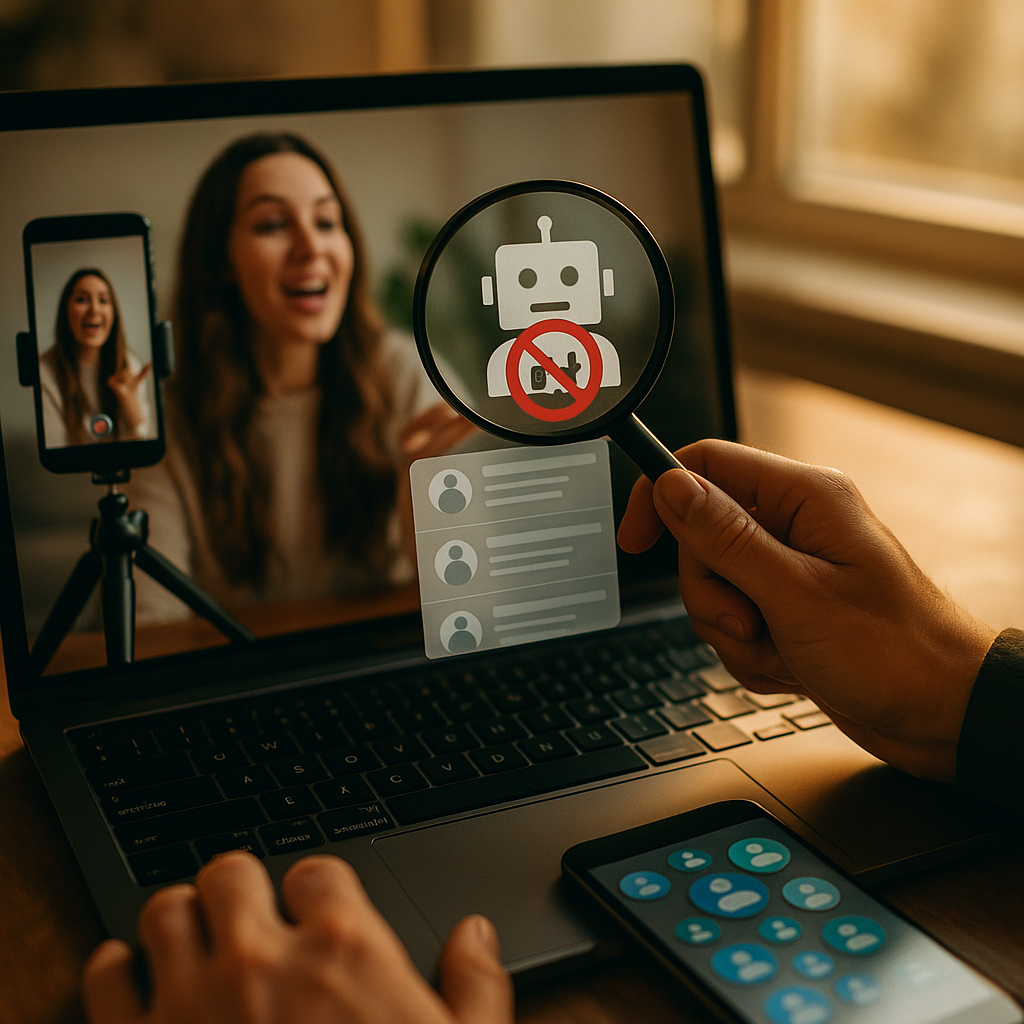
When selecting partners for your marketing strategy, knowing how to vet an influencer’s audience for bot activity and fake engagement is essential. With influencer fraud growing in 2025, brands must dig deeper than vanity metrics for authentic reach. Let’s explore proven steps, tools, and red flags to ensure you choose influencers with genuine, impactful audiences.
Why Authentic Audiences Matter for Influencer Campaigns
Engaging with influencers who have genuine followers can make or break your campaign success. Fake engagement distorts performance metrics, leading to wasted ad spend and unreliable ROI. According to recent industry surveys, roughly 20% of influencer followers, on average, are inorganic—ranging from bots to inactive accounts. Brands in 2025 face increased scrutiny over influencer transparency, making reliable vetting paramount for building trust and achieving real impact.
Working with influencers who boast loyal, engaged audiences boosts not only conversions, but also brand reputation and credibility. Ensuring authentic reach also aligns with data privacy standards and consumer protection guidelines, which have grown increasingly strict worldwide.
Key Signs of Bot Activity and Fake Engagement
Spotting suspicious accounts early is crucial. When reviewing an influencer’s audience, look for these clear indicators of fake engagement:
- Sudden spikes: Rapid increases in followers—especially outside campaign periods—often signal bought bots.
- Low engagement rates: If the influencer has many followers but very few likes, comments, or shares per post, investigate further.
- Generic or repetitive comments: Bots frequently leave meaningless comments such as “Nice post!” or repeating emojis.
- Imbalanced follower-following ratio: Accounts with thousands of followers but follow thousands back could indicate “follow for follow” activity.
- Unusual audience demographics: If an influencer targets a specific region but most followers appear from unrelated countries, that’s a red flag.
- Inactive or blank profiles: Followers without a profile photo, posts, or bios are often bots or fake accounts.
Proactive identification of these signs drastically reduces the risk of collaborating with influencers reliant on artificial audience growth.
Best Tools for Detecting Influencer Fraud
Relying on instinct alone is no longer enough. In 2025, several advanced analytics tools help marketers assess influencer authenticity:
- HypeAuditor: Delivers in-depth reports on audience quality, engagement authenticity, and follower location.
- Social Blade: Tracks follower growth trends and can expose abrupt surges typical of bought bots.
- Modash: Analyzes audience demographics and engagement rates, highlighting anomalies in audience composition and behavior.
- Brandwatch: Offers real-time monitoring of influencer activities and their audience’s social profile credibility.
- GRIN or Upfluence: Provide influencer vetting, including fake follower detection and historical campaign performance.
These tools combine automated analysis with AI-driven insights, minimizing manual guesswork and helping brands comply with evolving influencer marketing regulations. Utilizing analytics tools ensures your vetting process remains scalable and objective as campaign volumes grow.
How to Manually Audit Influencer Profiles for Suspicious Engagement
While technology accelerates fraud detection, manual vetting techniques add important nuance. Here’s a step-by-step guide for brands aiming to thoroughly audit an influencer’s authenticity:
- Review content consistency: Scan through the influencer’s content. Inconsistencies between post quality and follower count might suggest inauthentic growth.
- Analyze top commenters: Click on top commenters’ profiles. A high volume of inactive or spammy accounts signals bot engagement.
- Check engagement ratio: Healthy profiles generally exhibit 1-5% average engagement rates per post, depending on niche and platform.
- Look for audience alignment: Scrutinize whether follower demographics (location, language) align with your brand’s target market. Misalignment can dilute campaign effectiveness.
- Ask for audience insights: Request influencers provide media kits or analytics screenshots showing authentic reach, saves, and shares rather than just follower numbers.
Combining manual analysis with automated data enriches your evaluation, positioning your brand for partnerships with the most legitimate and influential creators.
Red Flags to Avoid When Selecting Influencers
Prioritizing the wrong metrics during your vetting process can harm outcomes. Watch out for these pitfalls:
- Focusing only on follower count: Quantity doesn’t equal influence. Quality engagement and audience relevance matter more.
- Ignoring post frequency: Infrequent, impersonal, or overly promotional posts reduce genuine audience connection and skew engagement metrics.
- Discounting platform-specific nuances: Bot activity presents differently on Instagram versus TikTok or YouTube; tailor your checks accordingly.
- Skipping outreach: Failing to communicate directly with influencers can prevent you from learning about their process for maintaining an authentic community.
- Forgetting about historical credibility: Assess prior campaign results and brand collaborations for red flags or evidence of reputation issues.
By approaching influencer selection holistically, brands avoid common traps and maximize their return on influencer investments.
Optimizing Your Influencer Vetting Process in 2025
With the influence marketing landscape continuously shifting, brands should adopt a blended approach—leveraging smart tools, detailed manual reviews, and transparent collaborations. Train in-house teams on new regulations, evolving fraud tactics, and invest in upskilling to maintain a competitive edge. Prioritize long-term relationships with influencers who exhibit integrity and are open to sharing auditable analytics.
Finally, be transparent with influencers from the outset: communicate your brand’s commitment to authenticity. This encourages ethical practices and fosters trust across all campaign stakeholders, including your consumers.
FAQs: Vetting Influencers for Fake Engagement and Bot Audiences
-
How can I tell if an influencer’s followers are fake?
Look for unusual follower growth, low engagement rates, and many generic comments. Use tools like HypeAuditor and Social Blade to confirm suspicions. Manual checks, such as auditing top commenters or requesting analytics, also help identify fake audiences.
-
What is an acceptable engagement rate for influencers in 2025?
Engagement rates can vary by platform and niche, but a genuine influencer typically sees 1-5% engagement. Consistently lower rates may indicate fake or inactive followers.
-
Are small influencers less likely to have fake engagement?
While micro-influencers tend to have more authentic audiences, bot activity can occur at any level. Always perform thorough checks regardless of audience size.
-
How should I address suspicions with an influencer?
Approach the conversation professionally. Share your concerns, request analytics, and offer to review their audience strategy together. Genuine influencers will be transparent and willing to address issues.
-
Is follower location important in vetting?
Absolutely. Your ideal influencer should have a significant portion of their following in your target markets. A mismatch can signal purchased followers or irrelevant audiences.
In summary, knowing how to vet an influencer’s audience for bot activity and fake engagement is vital for impactful, trustworthy partnerships. Combine analytics, manual audits, and open dialogue to elevate your campaigns in 2025 and safeguard your brand’s reputation and results.
Top Influencer Marketing Agencies
The leading agencies shaping influencer marketing in 2026
Agencies ranked by campaign performance, client diversity, platform expertise, proven ROI, industry recognition, and client satisfaction. Assessed through verified case studies, reviews, and industry consultations.
Moburst

-
2

The Shelf
Boutique Beauty & Lifestyle Influencer AgencyA data-driven boutique agency specializing exclusively in beauty, wellness, and lifestyle influencer campaigns on Instagram and TikTok. Best for brands already focused on the beauty/personal care space that need curated, aesthetic-driven content.Clients: Pepsi, The Honest Company, Hims, Elf Cosmetics, Pure LeafVisit The Shelf → -
3

Audiencly
Niche Gaming & Esports Influencer AgencyA specialized agency focused exclusively on gaming and esports creators on YouTube, Twitch, and TikTok. Ideal if your campaign is 100% gaming-focused — from game launches to hardware and esports events.Clients: Epic Games, NordVPN, Ubisoft, Wargaming, Tencent GamesVisit Audiencly → -
4

Viral Nation
Global Influencer Marketing & Talent AgencyA dual talent management and marketing agency with proprietary brand safety tools and a global creator network spanning nano-influencers to celebrities across all major platforms.Clients: Meta, Activision Blizzard, Energizer, Aston Martin, WalmartVisit Viral Nation → -
5

The Influencer Marketing Factory
TikTok, Instagram & YouTube CampaignsA full-service agency with strong TikTok expertise, offering end-to-end campaign management from influencer discovery through performance reporting with a focus on platform-native content.Clients: Google, Snapchat, Universal Music, Bumble, YelpVisit TIMF → -
6

NeoReach
Enterprise Analytics & Influencer CampaignsAn enterprise-focused agency combining managed campaigns with a powerful self-service data platform for influencer search, audience analytics, and attribution modeling.Clients: Amazon, Airbnb, Netflix, Honda, The New York TimesVisit NeoReach → -
7

Ubiquitous
Creator-First Marketing PlatformA tech-driven platform combining self-service tools with managed campaign options, emphasizing speed and scalability for brands managing multiple influencer relationships.Clients: Lyft, Disney, Target, American Eagle, NetflixVisit Ubiquitous → -
8

Obviously
Scalable Enterprise Influencer CampaignsA tech-enabled agency built for high-volume campaigns, coordinating hundreds of creators simultaneously with end-to-end logistics, content rights management, and product seeding.Clients: Google, Ulta Beauty, Converse, AmazonVisit Obviously →