


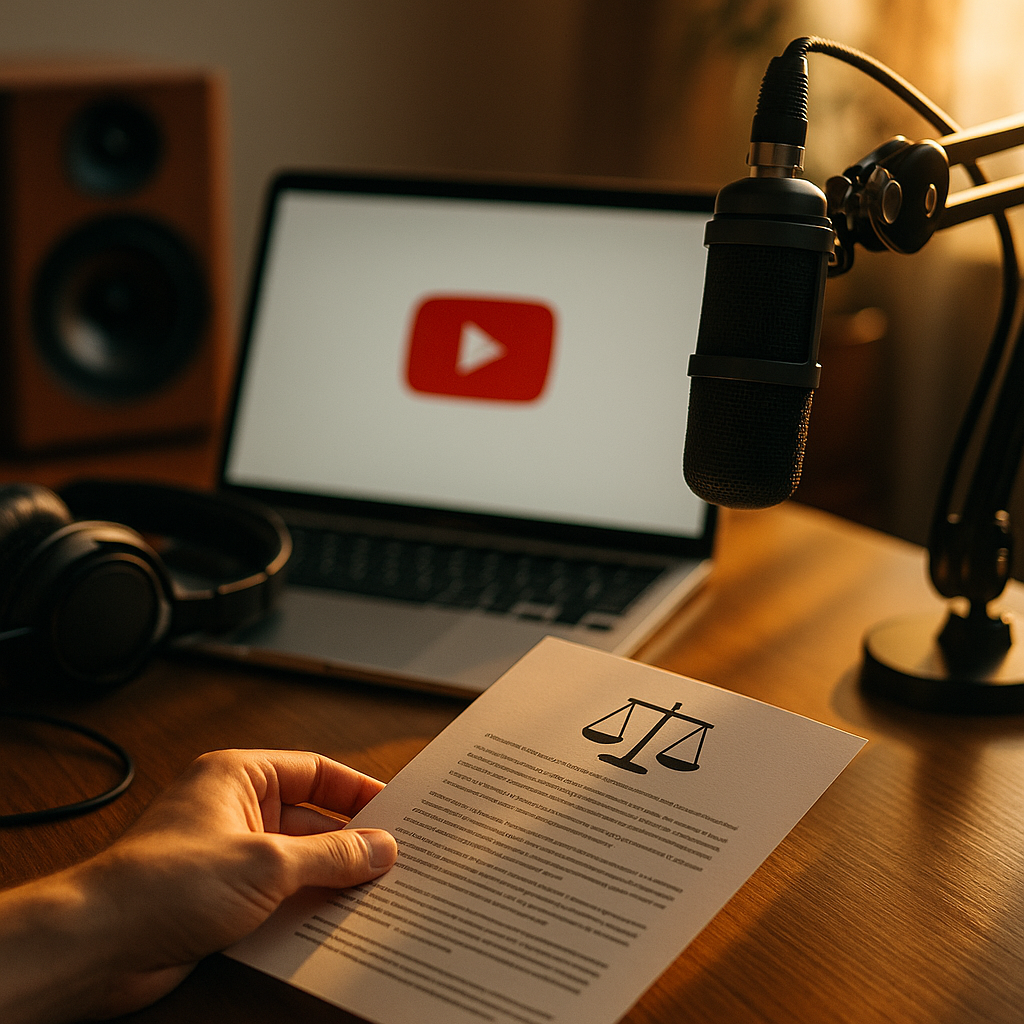
Understanding music licensing for podcasts and long-form YouTube content is essential for creators aiming to protect their work and monetize safely. From sourcing tracks to navigating copyright laws, the rules can be complex and sometimes intimidating. This guide provides actionable steps and insider tips to help you license music with confidence and keep your creative projects compliant and compelling.
Why Music Licensing Matters for Podcasts and YouTube Channels
Music has the power to elevate audio-visual projects, but it’s not as simple as picking your favorite song and hitting publish. Even a short clip of copyrighted music used without permission can result in takedowns, demonetization, or legal actions. In 2025, platforms like YouTube and major podcast distributors employ advanced content ID systems, flagging infringing material within minutes. Creators hold ultimate responsibility for sourcing and licensing music, making it crucial to understand the risks and benefits that come with proper licensing.
Types of Music Licenses Explained for Digital Content Creators
Not all music licenses fit every creative purpose, especially for podcasts and long-form YouTube content. Here’s a breakdown of what matters most:
- Synchronization License (Sync License): Required when pairing music with video, crucial for YouTube.
- Mechanical License: Relevant for audio-only uses like podcasts, where you reproduce or distribute copyrighted work.
- Master License: Grants permission to use a specific recording of a composition, complementing sync or mechanical rights.
- Public Performance License: Typically managed by performing rights organizations and sometimes necessary for streaming to large audiences or in certain regions.
- Royalty-Free License: Lets creators pay once to use the music multiple times, often favored for online creators due to its simplicity and affordability.
For podcast and YouTube creators, acquiring both a sync (for video) or a mechanical (for audio) and, when necessary, a master license, ensures complete protection. Without these rights, your content could face global blocks or costly copyright claims.
How to Source Licensed Music – Safe Options for Creators
With legalities in mind, the next step is finding music that is both inspiring and licensed for your use. Trusted options include:
- Music Licensing Platforms: Services like Epidemic Sound, Artlist, and AudioJungle offer extensive libraries where each track includes clear usage rights for YouTube and podcasts. Read terms carefully—some licenses exclude commercial podcasting or YouTube monetization.
- Creative Commons Music: Some artists release music under specific Creative Commons licenses, allowing use with certain conditions. Always examine license terms—many require attribution, and some prohibit commercial use.
- Direct Licensing from Artists: Independent musicians often negotiate direct licenses for use in online content. This method offers flexibility but requires clear written agreements.
- Production Music Libraries: Companies like Universal Production Music or Audio Network cater to professional creators, granting robust, customizable licenses spanning multiple platforms.
Remember, “royalty-free” never means “free.” Legitimate use always involves understanding and adhering to the license’s scope, including duration, platforms covered, and geographic reach.
Navigating Copyright Claims and Content ID on YouTube and Podcasts
YouTube’s Content ID system is more advanced than ever in 2025, scanning uploaded videos for copyrighted music and automatically applying blocks, monetization redirection, or takedowns. Podcast platforms enforce similar compliance through automated scans and reporting mechanisms. Here’s how to safeguard your content:
- Store Proof of License: Maintain records of all purchased licenses and correspondence in case of a dispute.
- Dispute False Claims Properly: If you receive a claim on music you have licensed, dispute it with evidence—such as receipts or license documents.
- Update Metadata: When uploading to YouTube, fill in accurate “Music in this video” sections. For podcasts, add notes in the show description citing your source and licensing rights.
- Stay Current: Periodically review licenses and terms, especially when platforms update their music policies or your distribution footprint expands (international audiences, new podcast platforms, etc.).
While robust, no automated system is perfect. Human oversight and clear documentation remain vital for resolving disputes and keeping your content live.
Best Practices for Music Licensing Compliance in 2025
Implementing consistent procedures for music licensing produces lasting peace of mind and professional credibility. Here’s what leading creators recommend:
- Develop a Licensing Checklist: Create a workflow for each project, from music selection to final clearance. This helps ensure every piece of music is properly vetted before publishing.
- Audit Your Back Catalog: Regularly review older episodes or videos. Licensing landscapes evolve, and music once considered “safe” may require updated permissions or removal.
- Educate Collaborators: If you work with editors or guest hosts, ensure they understand your licensing standards and procedures. Surprises can result in instant content blocks.
- Consult Legal Experts as Needed: For complex projects (multi-platform launches, commercial sponsorships, or incorporating legacy music), seek advice from entertainment attorneys or legal consultants specializing in digital media.
Being proactive not only prevents headaches but also enhances your brand’s reputation—a serious bonus when attracting sponsors, partners, and new listeners.
Growing Your Brand with Licensed Music and Monetization Strategies
Properly licensed music doesn’t just protect your assets—it opens doors to wider distribution and monetization. YouTube demonetizes or restricts videos with unlicensed tracks, while advertisers increasingly check podcast episodes for licensing breaches before sponsoring. With the right music licenses, you can:
- Enable full monetization via YouTube AdSense, Super Chats, and podcast ad insertions.
- Distribute globally without regional music restrictions or takedown risk.
- Attract brand partnerships by demonstrating professionalism and legal compliance.
- Build trust with your audience, showing your commitment to creators’ rights and ethical content production.
Smart licensing removes barriers and can even serve as a unique selling proposition for your creative products.
Frequently Asked Questions About Music Licensing for Podcasts and YouTube
-
Do I need a different license for podcasts and YouTube videos?
Yes. Podcasts often require a mechanical license for audio-only distribution, whereas YouTube requires a sync license for combining music with video. Some music licenses cover both formats, but always confirm with your provider.
-
Can I use “fair use” as a defense for unlicensed music in my show?
Rarely. Fair use is narrowly applied and rarely protects entertainment or commercial projects. Relying on it risks takedowns or legal action—always license your music appropriately.
-
Are royalty-free music tracks safe for long-form content?
Generally, yes, as long as your chosen license explicitly allows for podcast or YouTube usage and any required attribution or restrictions are followed. Always double-check terms before publication.
-
What happens if I ignore music licensing rules?
You risk content removal, lost monetization, account strikes, and even lawsuits. Both YouTube and podcast platforms enforce music rights strictly in 2025—non-compliance can cripple your channel or brand.
-
If I buy a license, can I use the same track on multiple podcast episodes or videos?
This depends on the license’s terms. Some license music “per project,” while others grant broader usage. Always read the terms and, if in doubt, ask the licensing provider.
Music licensing for podcasts and long-form YouTube content requires action, not assumptions. By sourcing the right music, understanding modern licensing, and following best practices, you protect your projects, empower monetization, and set yourself apart in a crowded digital marketplace.
Top Influencer Marketing Agencies
The leading agencies shaping influencer marketing in 2026
Agencies ranked by campaign performance, client diversity, platform expertise, proven ROI, industry recognition, and client satisfaction. Assessed through verified case studies, reviews, and industry consultations.
Moburst

-
2

The Shelf
Boutique Beauty & Lifestyle Influencer AgencyA data-driven boutique agency specializing exclusively in beauty, wellness, and lifestyle influencer campaigns on Instagram and TikTok. Best for brands already focused on the beauty/personal care space that need curated, aesthetic-driven content.Clients: Pepsi, The Honest Company, Hims, Elf Cosmetics, Pure LeafVisit The Shelf → -
3

Audiencly
Niche Gaming & Esports Influencer AgencyA specialized agency focused exclusively on gaming and esports creators on YouTube, Twitch, and TikTok. Ideal if your campaign is 100% gaming-focused — from game launches to hardware and esports events.Clients: Epic Games, NordVPN, Ubisoft, Wargaming, Tencent GamesVisit Audiencly → -
4

Viral Nation
Global Influencer Marketing & Talent AgencyA dual talent management and marketing agency with proprietary brand safety tools and a global creator network spanning nano-influencers to celebrities across all major platforms.Clients: Meta, Activision Blizzard, Energizer, Aston Martin, WalmartVisit Viral Nation → -
5

The Influencer Marketing Factory
TikTok, Instagram & YouTube CampaignsA full-service agency with strong TikTok expertise, offering end-to-end campaign management from influencer discovery through performance reporting with a focus on platform-native content.Clients: Google, Snapchat, Universal Music, Bumble, YelpVisit TIMF → -
6

NeoReach
Enterprise Analytics & Influencer CampaignsAn enterprise-focused agency combining managed campaigns with a powerful self-service data platform for influencer search, audience analytics, and attribution modeling.Clients: Amazon, Airbnb, Netflix, Honda, The New York TimesVisit NeoReach → -
7

Ubiquitous
Creator-First Marketing PlatformA tech-driven platform combining self-service tools with managed campaign options, emphasizing speed and scalability for brands managing multiple influencer relationships.Clients: Lyft, Disney, Target, American Eagle, NetflixVisit Ubiquitous → -
8

Obviously
Scalable Enterprise Influencer CampaignsA tech-enabled agency built for high-volume campaigns, coordinating hundreds of creators simultaneously with end-to-end logistics, content rights management, and product seeding.Clients: Google, Ulta Beauty, Converse, AmazonVisit Obviously →