


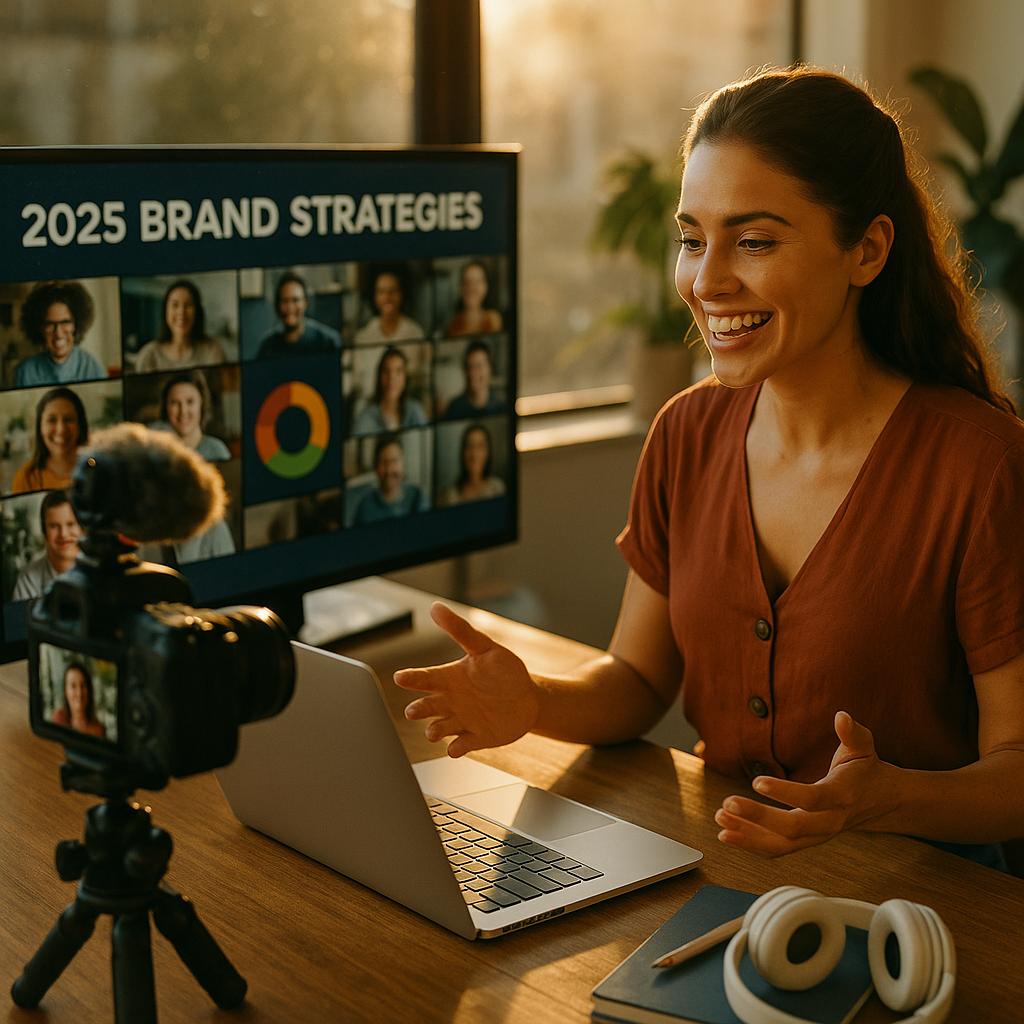
The rise of virtual events and digital influencer activations is revolutionizing how brands engage with their audiences in 2025. As technology reshapes participation and influence online, businesses are discovering smarter, scalable ways to build genuine connections. What’s driving this shift, and how are brands maximizing opportunities in this new digital frontier? Read on to explore the strategies defining this transformation.
Embracing Hybrid Experiences: The Evolution of Virtual Events
Virtual events have swiftly evolved from necessity to preference, blending physical and digital realms for broader reach and deeper participation. According to recent surveys, over 70% of organizations plan to include virtual components in their events throughout 2025, citing improved flexibility and reduced costs. Live-streaming, interactive Q&A sessions, and virtual networking lounges are now standard, helping attendees feel connected, regardless of location.
This hybrid approach lets brands collect actionable insights via real-time analytics. Event organizers can measure engagement, track attendee behavior, and tailor experiences instantly. The combination of immersive environments and data-driven feedback is proving invaluable for organizations aiming to expand their audiences without geographic or logistical barriers.
Moreover, accessibility has soared. Attendees who once faced travel or financial constraints can now experience panels, workshops, and product launches firsthand from anywhere in the world. As such, virtual events are fostering inclusivity and democratizing participation in ways previously impossible.
Leveraging Influencer Partnerships: The Rise of Digital Influencer Activations
Digital influencer activations have become a linchpin of modern marketing strategies. With consumers spending more time online, trusted influencers offer a direct channel to engage target audiences. In 2025, influencer-based campaigns are responsible for up to 30% higher engagement rates compared to traditional advertising methods.
Brands are collaborating with influencers to develop creative, interactive experiences. Live product demonstrations, virtual meet-and-greets, and behind-the-scenes content delivered via influencers’ social platforms transform passive viewers into active participants. This personal approach authentically integrates brands into online communities, driving interest and loyalty.
Transparency and authenticity are central to successful digital influencer activations. Audiences expect influencers to share honest opinions and relevant content. As a result, brands are prioritizing long-term partnerships over one-off promotions to build trust both ways—fostering relationships that feel genuine while increasing return on investment.
The Technology Powering Immersive Engagement
State-of-the-art technology is at the heart of virtual events and influencer activations. Platforms are leveraging artificial intelligence and augmented reality to deliver immersive environments that rival in-person experiences. AI-driven networking tools recommend relevant connections, while AR technology enables interactive product trials from a user’s home.
Security and data privacy are top priorities. Event platforms now offer end-to-end encryption and multi-factor authentication, reflecting increased participant concerns about online safety. These enhanced measures help ensure that sensitive business content and personal information remain secure throughout large-scale digital gatherings.
Meanwhile, robust analytics dashboards empower hosts and influencers to understand audience sentiment, identify trending topics, and optimize content delivery in real time. The integration of smart automation—from personalized agendas to post-event follow-ups—streamlines logistics and boosts both attendee satisfaction and sponsor ROI.
Monetization and ROI: Measurable Outcomes in Virtual Engagement
One of the core advantages of virtual events and influencer activations is the ability to directly measure impact and return on investment. Detailed analytics reveal which sessions drive the most engagement, which products benefit from influencer spotlights, and exactly how audiences respond to calls-to-action in real time.
Sponsored segments, branded virtual booths, and exclusive digital merchandise provide new monetization streams for organizers, influencers, and brands alike. These opportunities extend beyond ticket sales to include affiliate revenue and tiered access packages tailored to different audience segments.
Importantly, cost efficiency is another key advantage. Eliminating venue, travel, and hospitality expenses frees up budget for enhanced content and technology, maximizing both reach and ROI. As a result, companies of all sizes—startups to global enterprises—are allocating larger portions of their marketing spend to virtual formats in 2025.
Best Practices for Brands: Maximizing Virtual and Influencer Success
The organizations leading in virtual events and digital influencer activations follow several best practices focused on value, transparency, and adaptability:
- Prioritize Audience Engagement: Use interactive tools like polls, chat rooms, and workshops to maintain attention and encourage participation.
- Choose the Right Influencers: Select partners whose audience, values, and communication style align authentically with your brand.
- Plan Creatively: Incorporate immersive content, gamified experiences, and storytelling to stand out in a crowded digital space.
- Leverage Real-Time Analytics: Monitor feedback and adjust content or format to improve attendee satisfaction on the fly.
- Invest in Security: Ensure all platforms and tools comply with up-to-date privacy standards to protect participant data.
Brands must also keep optimizing based on audience feedback, testing different formats and influencer collaborations. Consistency and authenticity remain non-negotiable pillars in the virtual event and influencer activation ecosystem.
The Future of Digital Engagement: Trends to Watch in 2025
In 2025, several trends are shaping the future of virtual events and influencer-driven campaigns:
- AI-Powered Personalization: Advanced algorithms deliver tailored event agendas, content recommendations, and networking opportunities, making every attendee feel like a VIP.
- Sustainable Events: Virtual formats continue to reduce carbon footprints, and brands are highlighting eco-friendly practices in digital campaigns.
- Micro and Nano-Influencer Collaborations: Hyper-targeted partnerships with smaller, more engaged influencer communities deliver higher conversion rates for niche products and services.
- Virtual Reality (VR): Full-scale VR events offer immersive exhibition halls, interactive showcases, and global attendance, redefining accessibility and engagement.
- Direct-to-Consumer Commerce: Influencer-hosted live shopping streams and integrated checkouts convert attention into immediate sales.
These trends illustrate the potential for brands to reach wider audiences, deliver memorable experiences, and analyze results with pinpoint accuracy—raising the bar for digital engagement.
Conclusion
The rise of virtual events and digital influencer activations is reshaping brand engagement, delivering measurable value and inclusive, memorable experiences at scale. Brands embracing these innovations are positioned to outpace competitors, foster genuine connections, and gain actionable insights in a rapidly evolving digital landscape. Now is the time to invest in strategies and partnerships that fuel long-term success in this dynamic new world.
Frequently Asked Questions
- What are digital influencer activations?
Digital influencer activations involve partnering with online personalities to promote products, events, or causes through interactive digital experiences, such as live streams, tutorials, or exclusive content. - What makes virtual events more effective than traditional events?
Virtual events offer global reach, improved accessibility, actionable analytics, and significant cost savings, while providing interactive experiences and eliminating travel barriers. - How can brands measure the ROI of influencer activations?
ROI is measured via campaign analytics—including engagement rates, conversions, and audience sentiment—using tracking tools integrated with influencer and event platforms. - What technologies are essential for successful virtual events in 2025?
Key technologies include AI-powered networking, augmented and virtual reality, secure streaming platforms, and advanced analytics dashboards for real-time feedback. - Are virtual events here to stay?
Yes, virtual events are now an integral part of brand strategies, offering unique advantages in reach, data, and flexibility. Hybrid and fully digital events will continue to grow in importance beyond 2025.
Top Influencer Marketing Agencies
The leading agencies shaping influencer marketing in 2026
Agencies ranked by campaign performance, client diversity, platform expertise, proven ROI, industry recognition, and client satisfaction. Assessed through verified case studies, reviews, and industry consultations.
Moburst

-
2

The Shelf
Boutique Beauty & Lifestyle Influencer AgencyA data-driven boutique agency specializing exclusively in beauty, wellness, and lifestyle influencer campaigns on Instagram and TikTok. Best for brands already focused on the beauty/personal care space that need curated, aesthetic-driven content.Clients: Pepsi, The Honest Company, Hims, Elf Cosmetics, Pure LeafVisit The Shelf → -
3

Audiencly
Niche Gaming & Esports Influencer AgencyA specialized agency focused exclusively on gaming and esports creators on YouTube, Twitch, and TikTok. Ideal if your campaign is 100% gaming-focused — from game launches to hardware and esports events.Clients: Epic Games, NordVPN, Ubisoft, Wargaming, Tencent GamesVisit Audiencly → -
4

Viral Nation
Global Influencer Marketing & Talent AgencyA dual talent management and marketing agency with proprietary brand safety tools and a global creator network spanning nano-influencers to celebrities across all major platforms.Clients: Meta, Activision Blizzard, Energizer, Aston Martin, WalmartVisit Viral Nation → -
5

The Influencer Marketing Factory
TikTok, Instagram & YouTube CampaignsA full-service agency with strong TikTok expertise, offering end-to-end campaign management from influencer discovery through performance reporting with a focus on platform-native content.Clients: Google, Snapchat, Universal Music, Bumble, YelpVisit TIMF → -
6

NeoReach
Enterprise Analytics & Influencer CampaignsAn enterprise-focused agency combining managed campaigns with a powerful self-service data platform for influencer search, audience analytics, and attribution modeling.Clients: Amazon, Airbnb, Netflix, Honda, The New York TimesVisit NeoReach → -
7

Ubiquitous
Creator-First Marketing PlatformA tech-driven platform combining self-service tools with managed campaign options, emphasizing speed and scalability for brands managing multiple influencer relationships.Clients: Lyft, Disney, Target, American Eagle, NetflixVisit Ubiquitous → -
8

Obviously
Scalable Enterprise Influencer CampaignsA tech-enabled agency built for high-volume campaigns, coordinating hundreds of creators simultaneously with end-to-end logistics, content rights management, and product seeding.Clients: Google, Ulta Beauty, Converse, AmazonVisit Obviously →