


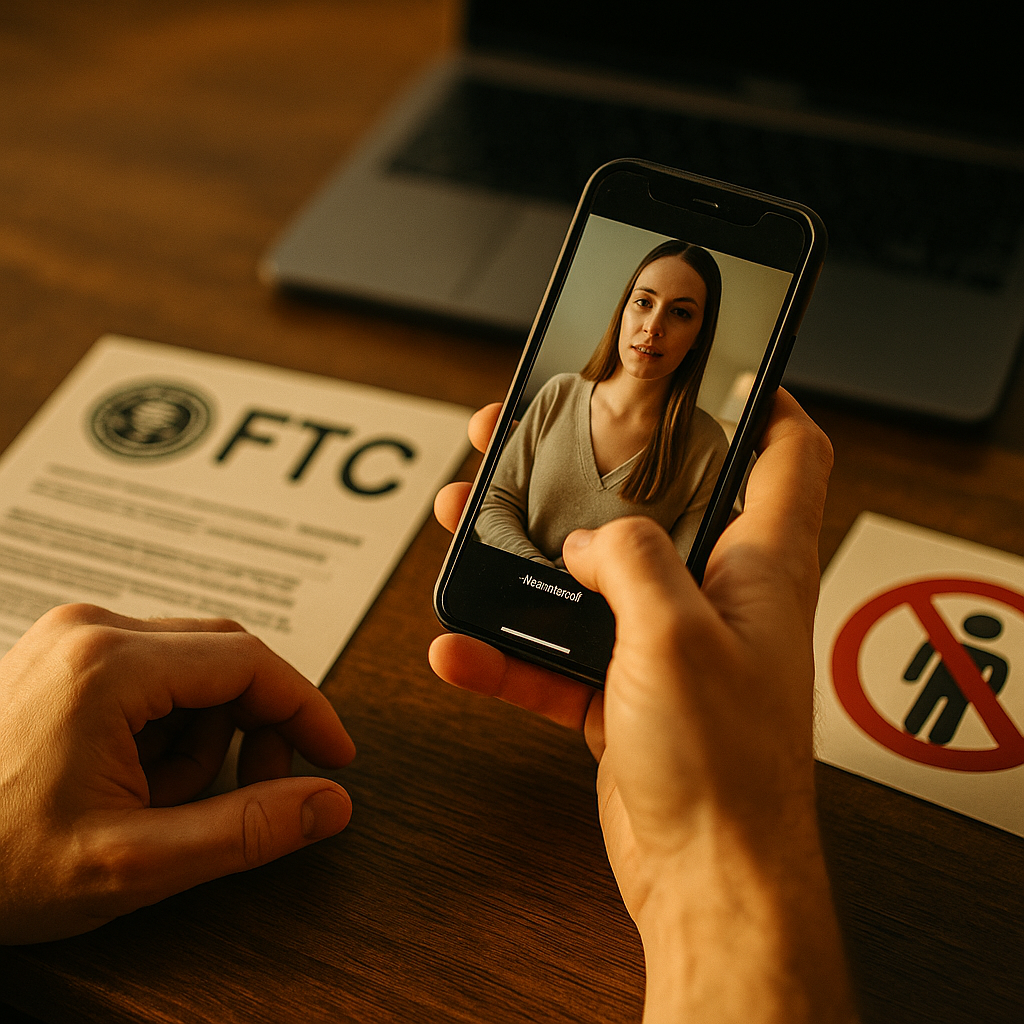
78% of brands running influencer content through paid social have no formal review process for platform ad policy compliance — they’ve built entire legal frameworks around FTC disclosure and left the door wide open on the other risk. The compliance gap in whitelisted creator ads isn’t hypothetical anymore. It’s showing up in ad account suspensions, clawed-back spend, and awkward calls between legal and media buying teams asking the same question: whose fault was this, actually?
Here’s the uncomfortable truth. A boosted creator post can satisfy every FTC disclosure requirement — clear #ad tag, upfront material connection, no deceptive claims — and still get yanked by Meta or TikTok for violating platform ad policy. These are two entirely different rulebooks, enforced by two entirely different bodies, and almost nobody has mapped where they diverge.
Two Rulebooks, One Post
The FTC cares about deception. Its endorsement guides exist to protect consumers from being misled about whether content is paid, and whether claims made in that content are substantiated. That’s it. That’s the whole mandate. The FTC’s enforcement framework doesn’t touch things like restricted health claims in ad copy, prohibited personal attribute targeting, or whether a testimonial format violates a platform’s specific policy on before/after imagery.
Platforms, on the other hand, care about brand safety, user experience, and regulatory exposure in their own advertising ecosystem. Meta’s ad policies restrict everything from social issue content to unrealistic financial claims. TikTok’s advertising policies flag specific creative formats, certain health and wellness claims, and restricted categories entirely. None of that overlaps cleanly with FTC disclosure law. A creator can be perfectly compliant with the FTC and still trip a platform’s automated ad review because the post mentions a weight-loss outcome, or uses a testimonial structure the platform flags as misleading.
Whitelisting doesn’t create new legal categories — it just moves an organic post into paid distribution, where a different set of rules starts applying immediately, often without anyone re-checking compliance against that new rule set.
Whitelisting Changes the Risk Calculus, Not Just the Reach
When a brand whitelists a creator’s post — meaning the brand runs paid media through the creator’s handle, using Meta’s Partnership Ads or TikTok’s Spark Ads — it’s not just amplifying reach. It’s converting organic content into a paid ad unit. That conversion triggers platform ad review. Organic content rarely gets the same scrutiny.
This is where the compliance gap opens up. Brands often treat whitelisting as a media buying decision, not a legal one. Media buyers pick high-performing organic posts, boost them, and move on. Legal and compliance teams, if they’re even looped in, are usually focused on the FTC disclosure checklist: is the #ad tag there, is it above the fold, does it use platform-native disclosure tools. Nobody’s running the post against the platform’s actual ad policy library before it goes to paid.
That’s a mistake. Platform ad review is automated first, human-reviewed second, and inconsistent both times. A post can run for weeks, get flagged, get pulled, and the advertiser gets a policy violation notice with vague language and no clear path to appeal. Meanwhile the FTC never enters the picture, because there was no deception issue. The post gets killed on a completely separate legal basis.
Who Actually Eats the Violation?
This is the part nobody wants to answer clearly, so let’s answer it clearly.
Under platform terms of service, the advertiser — meaning whichever ad account is paying to boost the post — is contractually responsible for policy compliance. That’s true on Meta, TikTok, and every major platform running whitelisted or branded content ads. It doesn’t matter whose handle the content originated from. If your ad account is the one spending money against it, your ad account eats the suspension, the spend clawback, or the policy strike.
The creator, meanwhile, usually has zero platform-level liability in this scenario. Their content lives in their account, sure, but the paid distribution is happening through the brand’s ad manager. Platforms don’t chase creators for ad policy violations tied to whitelisted spend — they chase the advertiser.
So legally, on the platform side, it’s clean: brand’s problem. But here’s where it gets messier. Most influencer contracts were written with FTC compliance in mind, not platform ad policy. They include disclosure obligations, FTC-aligned indemnification language, maybe some brand safety clauses. Very few include specific representations about whether the creator’s content complies with the ad platform’s substantive policy library — restricted claims, prohibited formats, category-specific rules. If a whitelisted post gets pulled for violating Meta’s health claims policy, and the contract only indemnifies the brand against FTC-related creator misconduct, the brand has no contractual recourse against the creator at all. The brand absorbed 100% of the platform risk and negotiated 0% of it away.
This is exactly the kind of gap explored in brand-directed FTC liability frameworks — except here the exposure sits entirely outside FTC jurisdiction, which means those frameworks don’t even apply. You need a parallel structure for platform policy risk, and almost no standard creator contract has one.
Why This Keeps Happening: Three Structural Reasons
- Different teams own different risk. Legal owns FTC compliance. Media buying owns platform policy. These teams rarely cross-check each other’s work before a post gets whitelisted, especially at agencies running high creator volume.
- Platform ad policies change constantly and quietly. Meta and TikTok update restricted content categories with little fanfare. A post that was compliant in Q1 can violate an updated policy by Q3, with no notification to the brand until the ad gets flagged.
- Automated review is inconsistent by design. The same creative can pass review on one ad account and get flagged on another, depending on account history, spend level, and whatever the platform’s classifier decided that day. This makes it nearly impossible to build a reliable pre-clearance process without ongoing manual audits.
That third point deserves more attention than it gets. Brands build compliance checklists assuming static rules. Platform ad policy enforcement isn’t static — it’s probabilistic. The same disclosure, the same claim, the same creative format can get approved for one advertiser and rejected for another. That unpredictability is exactly why relying on a single compliance pass at launch isn’t enough. You need ongoing monitoring, not a one-time gate.
What a Real Compliance Process Looks Like
Fixing this gap doesn’t require reinventing your legal review process. It requires adding a second lane that most brands have skipped entirely.
Start with contract language. Creator agreements should include a representation that the content, when used in paid media, will comply with the specific ad platform’s policies at time of boosting — not just FTC disclosure rules. Pair that with an indemnification clause that covers platform policy violations separately from FTC-related misconduct. This is a subtle but important distinction lawyers frequently miss, similar to the contract gaps identified in creator contract dispute prevention work.
Next, build a pre-whitelisting checklist that’s separate from your FTC disclosure checklist. Before any post goes into a paid ad account, someone needs to run it against the current version of that platform’s ad policy library — not the version from six months ago. Meta’s Meta Business advertising policies and TikTok’s TikTok Ads policy center both publish updated restricted content categories. Someone on your team should be checking these quarterly at minimum, monthly if you’re running high-volume whitelisting programs.
Third, assign clear internal ownership. Whoever approves a post for whitelisting should be accountable for confirming platform policy compliance, not just disclosure compliance. That might mean media buying and legal need a shared sign-off step before spend goes live. It’s an extra 20 minutes per campaign. Compare that to the cost of an ad account suspension mid-flight, when spend is already committed and creative is already in market.
An FTC-compliant post and a platform-compliant post are not the same thing. Treating them as one checklist is how brands end up with clean legal files and suspended ad accounts.
The Automation Wrinkle Nobody’s Pricing In
As more brands shift to AI-assisted ad buying and automated creative testing, this gap is going to widen, not close. Automated systems optimize for performance signals, not policy nuance. If an AI ad-buying agent is pulling top-performing organic posts and auto-whitelisting them based on engagement thresholds, it’s very likely skipping the platform policy review step entirely — because that step usually lives in a human workflow, not the algorithm’s decision tree.
This mirrors concerns raised around AI ad-buying agent liability, where the tooling moves faster than the compliance infrastructure built to check it. If your media buying stack includes any automated whitelisting or auto-boost functionality, you need a policy compliance checkpoint built into that workflow, not bolted on after the fact. Otherwise you’re scaling the compliance gap right alongside your spend.
There’s also a data layer to this. Platforms increasingly use audience and targeting signals to flag ad policy issues — certain claims paired with certain targeting parameters get flagged faster than the same claims run broadly. If your whitelisting program overlaps with narrow audience targeting, you’re compounding platform risk in a way that FTC review never anticipated. Teams managing creator audience data practices should loop in whoever owns targeting decisions on whitelisted campaigns, because the two risks are now intertwined.
Escalation: When a Post Gets Pulled Mid-Flight
Even with a solid pre-clearance process, posts will get flagged. Platform policy enforcement is inconsistent enough that some violations are simply unpredictable. What matters is what happens next.
Build an internal escalation path before you need it. Who gets notified when an ad account receives a policy strike? Who decides whether to appeal, pull the campaign entirely, or swap creative? Most brands don’t have this mapped, which means the first violation becomes a fire drill instead of a known process. This is the same logic behind escalation protocols for sponsorship issues — the specific trigger is different, but the operational need for a pre-built response chain is identical.
Document every violation too, even minor ones. Platforms track policy strike history at the ad account level, and repeated violations can lead to account-wide restrictions that go far beyond a single pulled post. A pattern of platform ad policy violations, even ones with zero FTC relevance, can eventually threaten your entire paid social operation. That’s a business risk, not just a legal one, and it deserves budget-owner visibility, not just legal team awareness.
For a useful benchmark, look at industry data on paid social ad rejection rates from sources like eMarketer’s social advertising research — rejection and appeal cycles are a real operational cost, not a rare edge case, especially for brands running high creator volume through whitelisting programs.
FAQs
Is a brand legally responsible for platform ad policy violations in whitelisted creator posts?
Yes. Under platform terms of service, the advertiser whose ad account is running the paid spend bears responsibility for ad policy compliance, regardless of which creator’s handle the content originated from. The creator typically faces no platform-level liability in a whitelisting arrangement.
Can a post be FTC-compliant but still violate platform ad policy?
Absolutely, and it happens often. FTC rules focus on disclosure and deception. Platform ad policies cover a much broader set of restrictions, including prohibited claims, restricted categories, and creative format rules that have nothing to do with FTC endorsement guidelines.
Should creator contracts include platform ad policy representations?
Yes. Most creator contracts only address FTC disclosure obligations. Adding a separate representation and indemnification clause covering platform ad policy compliance closes a real contractual gap that leaves brands with no recourse when a whitelisted post gets pulled for non-FTC reasons.
How often do platform ad policies change?
Frequently, and often without prominent notice. Both Meta and TikTok update restricted content categories on a rolling basis. Brands running ongoing whitelisting programs should review current policy documentation at least quarterly, and monthly for high-volume campaigns.
What happens if a whitelisted post gets suspended mid-campaign?
The ad account absorbs the suspension or policy strike, and spend already committed may be lost or paused. Repeated violations can trigger account-level restrictions beyond the single post. Brands need a pre-built escalation process to decide whether to appeal, replace creative, or pull the campaign quickly.
The Next Step
Stop treating FTC disclosure review and platform ad policy review as the same checklist. Build a separate, current-policy pre-clearance step before any post gets whitelisted, put platform compliance representations into your creator contracts, and assign someone to own the escalation path before your next post gets pulled mid-flight.
Top Influencer Marketing Agencies
The leading agencies shaping influencer marketing in 2026
Agencies ranked by campaign performance, client diversity, platform expertise, proven ROI, industry recognition, and client satisfaction. Assessed through verified case studies, reviews, and industry consultations.
Moburst

-
2

The Shelf
Boutique Beauty & Lifestyle Influencer AgencyA data-driven boutique agency specializing exclusively in beauty, wellness, and lifestyle influencer campaigns on Instagram and TikTok. Best for brands already focused on the beauty/personal care space that need curated, aesthetic-driven content.Clients: Pepsi, The Honest Company, Hims, Elf Cosmetics, Pure LeafVisit The Shelf → -
3

Audiencly
Niche Gaming & Esports Influencer AgencyA specialized agency focused exclusively on gaming and esports creators on YouTube, Twitch, and TikTok. Ideal if your campaign is 100% gaming-focused — from game launches to hardware and esports events.Clients: Epic Games, NordVPN, Ubisoft, Wargaming, Tencent GamesVisit Audiencly → -
4

Viral Nation
Global Influencer Marketing & Talent AgencyA dual talent management and marketing agency with proprietary brand safety tools and a global creator network spanning nano-influencers to celebrities across all major platforms.Clients: Meta, Activision Blizzard, Energizer, Aston Martin, WalmartVisit Viral Nation → -
5

The Influencer Marketing Factory
TikTok, Instagram & YouTube CampaignsA full-service agency with strong TikTok expertise, offering end-to-end campaign management from influencer discovery through performance reporting with a focus on platform-native content.Clients: Google, Snapchat, Universal Music, Bumble, YelpVisit TIMF → -
6

NeoReach
Enterprise Analytics & Influencer CampaignsAn enterprise-focused agency combining managed campaigns with a powerful self-service data platform for influencer search, audience analytics, and attribution modeling.Clients: Amazon, Airbnb, Netflix, Honda, The New York TimesVisit NeoReach → -
7

Ubiquitous
Creator-First Marketing PlatformA tech-driven platform combining self-service tools with managed campaign options, emphasizing speed and scalability for brands managing multiple influencer relationships.Clients: Lyft, Disney, Target, American Eagle, NetflixVisit Ubiquitous → -
8

Obviously
Scalable Enterprise Influencer CampaignsA tech-enabled agency built for high-volume campaigns, coordinating hundreds of creators simultaneously with end-to-end logistics, content rights management, and product seeding.Clients: Google, Ulta Beauty, Converse, AmazonVisit Obviously →