


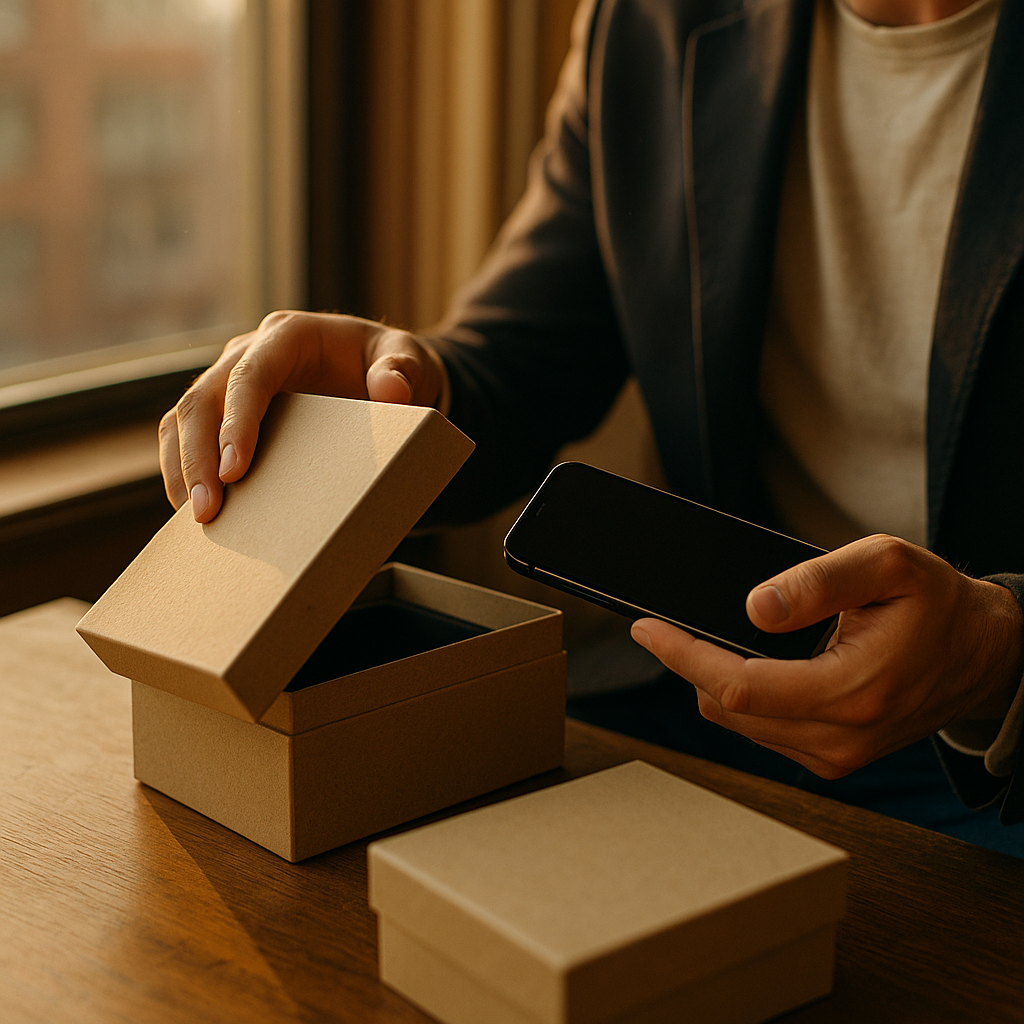
In 2026, premium fiber packaging has reemerged as a visible marker of quality, taste, and brand discipline. Paper is no longer the quiet alternative to plastic; it is becoming the material consumers notice, touch, and judge first. For luxury, wellness, beauty, food, and tech brands, the box now speaks before the product does. Why is paper suddenly status again?
Why premium packaging trends are favoring fiber
The shift is not cosmetic. It reflects a broader change in how consumers evaluate brands. Packaging has become a public signal of values, product quality, and attention to detail. In categories where products are crowded and performance claims often sound similar, the tactile experience of unboxing can create immediate differentiation.
Premium fiber packaging sits at the center of this shift because it combines sensory appeal with practical credibility. A rigid paperboard carton, molded fiber tray, or textured sleeve communicates structure, restraint, and intentionality. Unlike glossy excess, it suggests the brand invested in the right details rather than simply adding more.
Several factors explain why premium packaging trends are favoring fiber:
- Material honesty: Consumers increasingly respond to packaging that looks and feels authentic. Paper and fiber show grain, texture, weight, and construction in ways that feel real rather than overly engineered.
- Visual restraint: Minimalism still matters, but in 2026 it is more tactile than visual. Embossing, soft-touch finishes, layered paper stocks, and precise folds create luxury without clutter.
- Social visibility: Packaging is photographed, shared, and reviewed. Fiber-based packs tend to look premium on camera while also signaling environmental awareness.
- Retail and direct-to-consumer versatility: Good fiber packaging can work on a shelf, in a shipping box, and in a gifting context without losing impact.
This return of paper is not a nostalgic move back to old-fashioned materials. It is a strategic redesign of how status is expressed. For many brands, the most powerful visual cue is no longer shiny or synthetic. It is well-made, substantial paper that feels elevated in the hand.
How luxury brand packaging uses paper to signal status
Status in packaging is built through cues that consumers process quickly, often before they consciously analyze them. Luxury brand packaging has long relied on weight, precision, finish quality, and consistency. Premium fiber can deliver all four when designed correctly.
The first cue is weight. A denser board stock or rigid setup box changes perception immediately. Heavier does not always mean better, but in many categories it creates a sense of permanence and value. The second cue is construction accuracy. Clean corners, silent magnetic closures, seamless wraps, and snug inserts suggest the product inside was handled with equal care.
The third cue is surface sophistication. Fiber allows for effects that are subtle yet memorable: blind debossing, foil used sparingly, duplex stocks, edge painting, or a mix of smooth and uncoated surfaces. These choices create an experience that feels expensive because it is controlled, not loud.
Luxury brand packaging also benefits from paper’s ability to hold narrative. A premium fiber pack can include inside printing, layered messages, certifications, ingredient stories, or maker notes without overwhelming the exterior. That matters because modern prestige is not just about appearance. It is about proving discernment.
Brands in beauty, fragrance, specialty food, fashion accessories, and consumer electronics are especially well positioned to use paper as status. In these sectors, the package often serves three jobs at once:
- Protection: It must keep the product safe in transit and on shelf.
- Presentation: It must create anticipation and giftability.
- Proof: It must demonstrate that the brand understands quality beyond marketing language.
When those jobs are done through premium fiber rather than obvious excess, the result feels contemporary. That is why paper is winning at the high end. It signals confidence. A brand does not need plastic shine or unnecessary layers to look important when craftsmanship is visible in every fold.
The consumer perception of sustainable packaging in 2026
The consumer perception of sustainable packaging has become more nuanced. Buyers no longer reward every package that simply appears recyclable or uses earthy colors. They want evidence, usability, and design integrity. This has raised the bar for fiber packaging, but it has also made premium execution more valuable.
Consumers in 2026 are asking sharper questions:
- Is this package easy to recycle in normal household systems?
- Does it reduce mixed materials and unnecessary components?
- Does the design look premium because of quality, or because of waste?
- Does the packaging align with the product’s actual price and purpose?
That means brands cannot rely on sustainability language alone. A weak carton with muddy printing and poor structure does not read as responsible; it reads as cheap. By contrast, well-executed fiber packaging can signal both environmental intelligence and premium value.
This dual benefit matters because shoppers increasingly reject the old tradeoff between “green” and “luxury.” They expect both. A skincare customer paying premium prices wants elegant packaging, but not the kind that creates obvious disposal guilt. A gourmet food buyer wants an elevated giftable box that still feels rational to bring home. A tech accessory buyer wants durable protection without bulky plastic inserts.
From an EEAT perspective, brands should be careful here. Claims about recyclability, compostability, sourcing, or emissions should be specific and supportable. Helpful content and good packaging strategy both depend on transparency. If a brand uses FSC-certified paperboard, water-based inks, or mono-material structures, it should say so clearly. If local recycling depends on region, that should be acknowledged rather than hidden.
Trust is now part of the luxury equation. Consumers are more likely to view a brand as premium when its packaging choices make sense, perform well, and hold up under scrutiny. Premium fiber packaging is thriving not because it looks responsible, but because it can deliver a credible, high-status experience without conflicting with modern expectations.
Packaging design strategy for tactile and visual prestige
A strong packaging design strategy begins with the product, price point, and customer context. Premium fiber packaging succeeds when it is engineered around a specific brand promise rather than borrowed from another category. What works for a wellness supplement may feel wrong for jewelry. What feels elevated in specialty coffee may seem underbuilt for consumer electronics.
For practical decision-making, brands should evaluate six design factors:
- Board choice: Select stock based on structural needs, finish compatibility, and desired hand feel. Texture, thickness, and rigidity influence perceived quality more than many brands expect.
- Opening experience: Decide whether the reveal should feel ceremonial, efficient, or gift-like. Lift-off lids, book-style folds, drawer boxes, and tear-strip formats each create different emotional effects.
- Color discipline: Premium fiber packaging often performs best with tight palettes. One signature tone, one neutral, and one metallic or blind detail can create stronger status cues than a full-color approach.
- Typography and spacing: Luxury often depends on what is left unsaid. Generous white space, restrained copy, and exact alignment help paper packaging feel expensive.
- Interior architecture: Inserts, wraps, trays, and compartments should hold the product securely and elegantly. Loose or awkward interiors immediately reduce perceived value.
- End-of-life clarity: If the package is recyclable, reusable, refill-ready, or designed for separation, communicate that in a concise way.
Brands also need to consider performance under real conditions. Will the pack scuff during shipping? Does the embossing survive handling? Does the closure remain precise after repeated openings? Does the paper stock resist oil transfer, moisture, or shelf wear where needed? These are not minor details. Consumers experience them as proof of quality.
One useful principle is to design for sensory hierarchy. The first touch should communicate substance. The first visual impression should communicate control. The opening should communicate care. If all three are aligned, status follows naturally.
This is where many packaging redesigns fail. They focus on appearance without addressing hand feel, mechanics, or disposal logic. Premium fiber packaging works best when every element is integrated. The consumer should not have to think, “This looks sustainable” or “This looks luxurious.” They should simply feel that the brand made smart, high-value choices.
Material innovation in paper packaging manufacturing
The return of the paper brand would not be possible without progress in paper packaging manufacturing. Fiber-based packaging has improved in strength, finish quality, print performance, and protective capability. That matters because status packaging cannot survive on aesthetics alone. It has to perform.
Recent material and production innovations are expanding what premium fiber can do:
- Molded fiber advances: More refined molded fiber now supports sharper forms and better surface quality, making it suitable for premium electronics, beauty tools, and fragile accessories.
- Barrier improvements: Fiber packs designed for food, wellness, and personal care increasingly use advanced coatings or structures that improve resistance while reducing reliance on plastic-heavy formats.
- Digital print precision: Short-run customization, personalization, and limited editions are easier to produce, helping brands create exclusivity without excessive waste.
- Structural engineering tools: Better prototyping and testing allow teams to reduce material use while maintaining a premium feel and transit durability.
- Mono-material thinking: More brands are replacing mixed-material assemblies with predominantly fiber-based systems that are easier to separate or recycle.
For brands, this creates an important opportunity. A package can now be tactile, giftable, and high-performing without defaulting to laminated plastics or heavy decorative components. That opens the door for status signaling through restraint and technical sophistication rather than visual excess.
Still, execution depends on supplier expertise. Premium fiber packaging is unforgiving. Poor die lines, weak adhesive choices, inconsistent wrap tension, or unstable coatings can undermine the whole experience. Brands should validate samples under shipping, humidity, shelf, and handling conditions before rollout. They should also ask manufacturing partners clear questions about tolerances, sourcing, quality control, and finishing limitations.
Experience matters here. The strongest results usually come from teams that understand both branding and operations. A package should be beautiful, but it also has to survive logistics, support margins, and scale without losing precision. In 2026, that combination is what separates trend-following from brand leadership.
Brand differentiation through unboxing experience and paper identity
Brand differentiation is getting harder as visual identities become more refined and product features converge. Packaging therefore plays a larger role in forming memory. Consumers often remember how a product arrived, opened, and felt in the hand long after they forget ad copy.
Paper is uniquely suited to this role because it can carry identity through both touch and sound. The lift of a rigid lid, the muted friction of a sleeve, the firmness of a molded insert, and the subtle texture of an uncoated wrap all contribute to recall. These are small cues, but they accumulate into brand meaning.
For premium brands, the unboxing experience should answer four unspoken customer questions:
- Is this worth the price?
- Was this made carefully?
- Does this brand understand my taste?
- Will I feel good keeping, gifting, or displaying this?
Premium fiber packaging can answer yes to all four when it is coherent. The exterior should attract. The opening should reassure. The interior should frame the product with confidence. And the disposal or reuse path should feel straightforward.
It also helps brands create consistency across channels. The same paper-based identity can extend from e-commerce mailers to retail cartons, sample kits, gift sets, and limited-edition drops. That consistency reinforces status because it shows the brand is not improvising. It has a system.
The takeaway for marketers, founders, and packaging teams is simple: the package is no longer secondary. It is a primary brand asset. In categories where trust, aesthetics, and values all matter, paper has become one of the clearest ways to signal modern prestige.
FAQs about premium fiber packaging and status branding
What is premium fiber packaging?
Premium fiber packaging refers to high-quality packaging made primarily from paper-based materials such as rigid paperboard, folding carton, corrugated board, or molded fiber. It uses elevated structural design, refined finishes, strong print quality, and thoughtful unboxing details to create a high-end brand experience.
Why does paper packaging feel more luxurious now?
Because luxury cues have shifted. Consumers increasingly associate quality with craftsmanship, tactile authenticity, and material honesty. Well-designed paper packaging feels deliberate and modern, especially when it avoids unnecessary plastic and visual noise.
Is premium fiber packaging always sustainable?
No. Fiber packaging can support sustainability goals, but not every paper-based pack is automatically low-impact. Brands should verify sourcing, coatings, inks, recyclability, and material efficiency before making claims. Clear, accurate communication matters.
Which industries benefit most from premium fiber packaging?
Beauty, skincare, fragrance, wellness, specialty food, fashion accessories, jewelry, consumer electronics, and giftable direct-to-consumer products often benefit the most. These categories rely heavily on first impressions, shelf appeal, and unboxing quality.
How can a brand make fiber packaging feel premium without overspending?
Focus on a few high-impact elements: better stock, cleaner structure, restrained typography, one tactile finish, and stronger interior organization. Premium perception often comes from precision and consistency rather than from adding many costly embellishments.
Does premium paper packaging work for e-commerce?
Yes, if it is designed for shipping realities. Brands should test compression strength, scuff resistance, closure reliability, and interior protection. The best e-commerce packaging balances transit performance with a strong at-home reveal.
What mistakes reduce the status effect of paper packaging?
Common mistakes include flimsy materials, inconsistent print quality, too many finishes, unclear sustainability claims, weak inserts, and packaging that looks good online but feels disappointing in person. Poor execution breaks trust quickly.
What should brands ask packaging suppliers before committing?
Ask about material sourcing, structural testing, finishing tolerances, coating options, lead times, scalability, recyclability considerations, and quality control processes. Request prototypes and test them in real retail and shipping conditions.
Paper has regained its place at the top because it now delivers what modern consumers value most: tactile quality, visual restraint, and credible responsibility. In 2026, premium fiber packaging is more than a container. It is a status signal, a trust builder, and a brand differentiator. The clearest takeaway is practical: if the package is the first product customers experience, make paper speak with authority.