


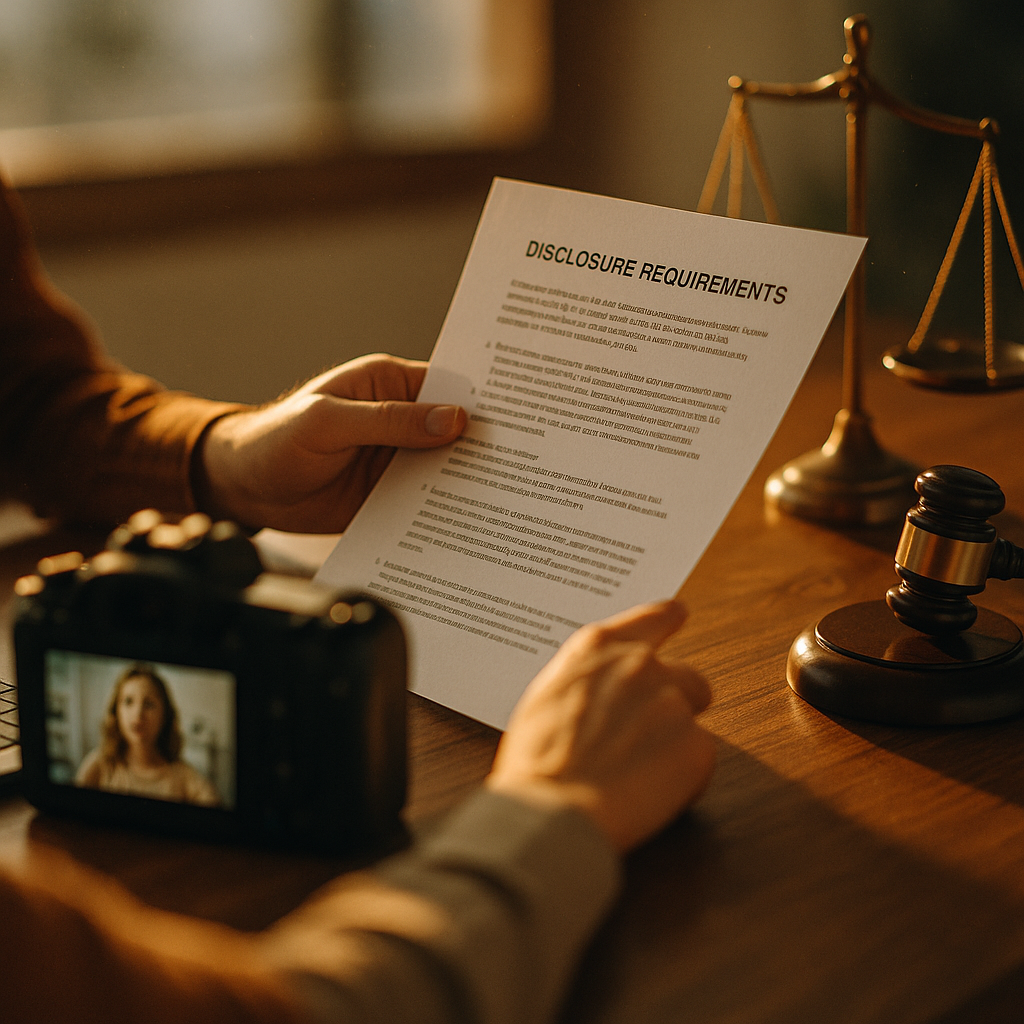
The landscape for online creators is shifting as new global laws affecting creator transparency take effect in 2025. These regulations are reshaping how influencers, streamers, and digital publishers manage disclosure and interact with audiences. In this rapidly evolving environment, understanding compliance is essential—are you prepared for this new era of accountability?
Understanding Creator Transparency Laws in 2025
Creator transparency refers to the clear and honest disclosure of relationships, sponsorships, collaborations, and financial interests in digital content. Driven by rising consumer demand for honesty, governments worldwide are implementing robust rules to ensure creators disclose paid partnerships, gifted products, and affiliate links openly. As of 2025, these new laws address the rampant growth of influencer marketing and rising concerns around online trust.
What do these laws cover? Most legislation mandates that creators explicitly signal when content is sponsored, a product is gifted, or a post may influence purchasing decisions. This applies not just to major social platforms but also to blogs, podcasts, video content, and even livestreams. The goal is to prevent misleading representations and allow audiences to make informed choices about what they engage with.
Key Changes in Global Influencer Regulations
Several regions—including the European Union, the United States, and Asia-Pacific—have updated their frameworks to support content authenticity. These influencer disclosure rules now reach deeper than ever before, applying to:
- Short-form video and livestreams: Platforms like TikTok and Twitch are required to provide built-in disclosure tools and creators are tasked with visible, platform-specific notifications.
- AI-generated content: Creators must distinguish between human and artificial endorsements, and label AI-created avatars or reviews.
- Micro-influencers: Even small-scale creators are no longer exempt from disclosure requirements, closing a key loophole previously exploited by brands.
- Cross-border promotions: If an audience is global, compliance with multiple jurisdictions may be required—making the rules more complex for creators with international reach.
Non-compliance can now result in significant fines, takedowns, or even loss of platform privileges, making awareness and proper implementation more crucial than ever.
Impacts on Creator Audience Trust and Engagement
In 2025, audience trust is the currency of the digital world. Data from the Global Digital Trust Index (January 2025) shows that 78% of online audiences are more likely to follow and purchase from creators who provide transparent disclosures. Furthermore, authentic creator-audience relationships are proven to increase engagement and reduce follower churn.
How does disclosure boost engagement? Open sharing about partnerships has been shown to build loyalty and credibility. Clearly labeled ads or collaborations foster an environment where audiences feel respected rather than manipulated. Many successful creators now view transparency not as a regulatory hurdle but as a strategic advantage that enhances their reputation.
Essential Steps for Creator Compliance in 2025
To help creators comply with these evolving digital advertising laws, industry experts recommend clear, proactive steps:
- Disclose early and often: Any time there is a paid or incentivized element—from product placements to affiliate links—use platform-specific disclosure tools and state the relationship in straightforward language.
- Stay informed: Follow updates from local regulatory bodies and international groups overseeing digital content authenticity, such as the Federal Trade Commission, ASA, or APAC-equivalent agencies.
- Maintain documentation: Keep thorough records of partnerships and agreements in case you need to prove compliance during audits or investigations.
- Educate your team: If you work with managers, editors, or collaborators, make sure everyone understands the importance of transparency and follows best practices.
- Utilize disclosure tools: Most major platforms now offer robust features for tagging ads, sponsorships, or paid endorsements—use them consistently.
Applying these steps consistently reduces risks and strengthens your brand’s reputation with followers, partners, and regulators alike.
Emerging Trends Shaping Creator Transparency Policies
As digital platforms and creator content become more sophisticated, policy trends are keeping pace. Some notable developments in 2025 include:
- Real-time AI monitoring: Social media companies now use artificial intelligence to detect undeclared advertisements or improper product placements, further incentivizing transparent behavior.
- Enhanced penalties: Regulators are issuing larger fines for repeat or willfully deceptive creators, prioritizing enforcement on accounts with significant influence or global reach.
- Standardized global guidelines: Industry alliances are working toward harmonizing rules, creating toolkits for international disclosure to help creators manage multi-national campaigns efficiently.
- Mandatory media literacy: Some jurisdictions are now requiring creators to complete certified training in digital transparency before monetizing content.
These trends indicate a future where transparency isn’t just encouraged but seamlessly embedded into content creation workflows and platform technologies.
Opportunities for Creators in the New Regulatory Landscape
While these global laws may feel daunting, they offer significant opportunities for forward-thinking creators. By embracing transparency, content creators can differentiate their personal brand, attract trust-conscious sponsors, and foster long-term audience loyalty. Brands, meanwhile, are showing increasing preference for working with compliant creators, knowing that authentic storytelling converts to authentic results.
Finally, the increased focus on authenticity is driving the emergence of new business models—such as subscription-based communities or curated content networks—where trust and transparency bring measurable value. For those prepared to adapt, 2025’s creator transparency laws are a catalyst for sustainable success in digital influence.
FAQs: New Global Laws Affecting Creator Transparency
-
What are creator transparency laws?
Creator transparency laws are legal requirements mandating digital creators and influencers to openly disclose paid promotions, partnerships, gifts, or financial interests within their content. -
Who must follow these new disclosure rules?
Virtually all online content creators—from mega-influencers to micro-bloggers—must now comply, regardless of audience size or location. -
What happens if a creator fails to disclose?
Non-compliance can lead to significant fines, platform suspensions, mandatory takedowns, or loss of monetization privileges. -
How can creators stay up to date with these evolving laws?
By following updates from their regional authorities, industry associations, and major digital platforms. Engaging with training resources is also strongly advised. -
Are AI-generated endorsements covered under these laws?
Yes. Creators must now distinguish and clearly label AI-generated content, endorsements, or avatars to prevent misleading audiences.
In summary, the new global laws affecting creator transparency demand greater honesty, structured disclosures, and a proactive approach to compliance. By understanding and embracing these changes, creators can secure the trust of audiences, attract valuable partnerships, and thrive in the 2025 digital economy.