


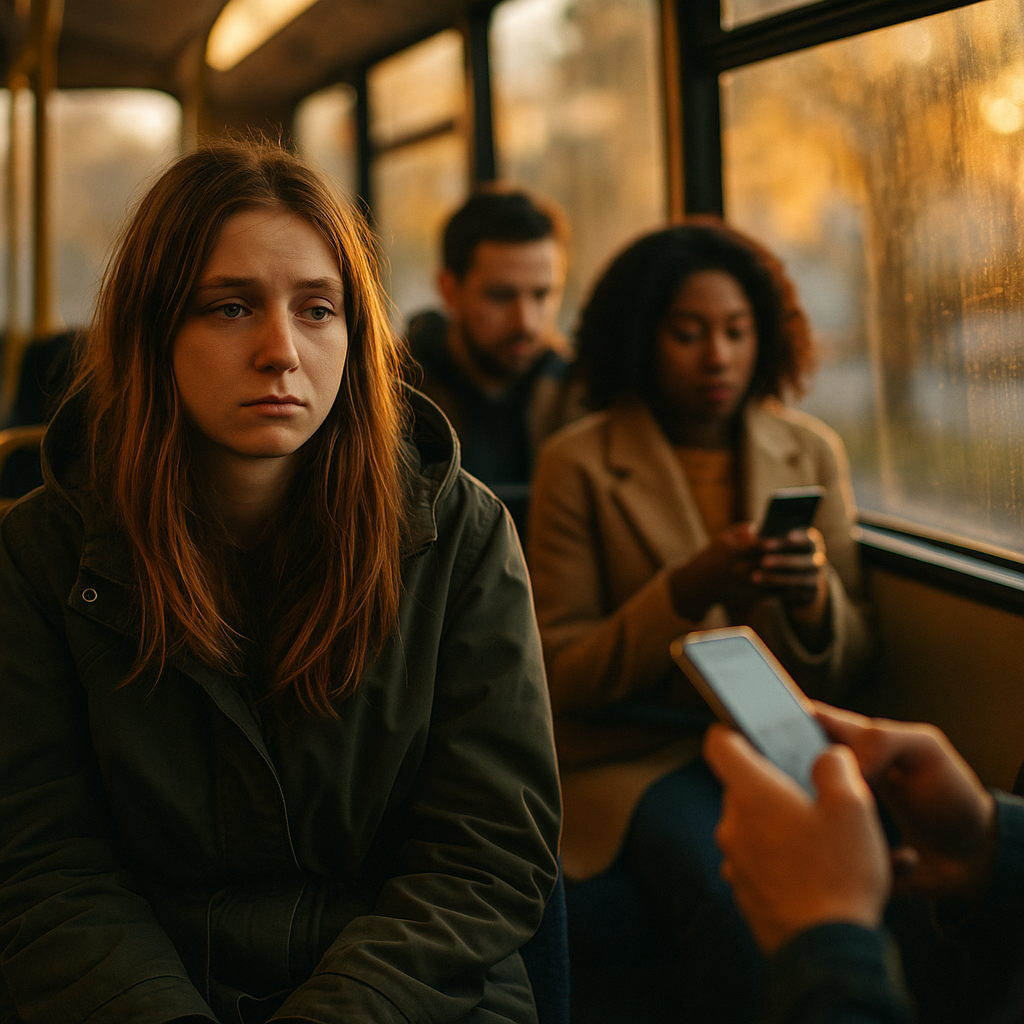
In 2025, public health researchers and community leaders increasingly describe the loneliness epidemic as a measurable risk to wellbeing, work performance, and civic life. People can be surrounded by messages and still feel unseen. This gap creates both urgency and opportunity: brands can either intensify isolation or help rebuild real connection. The question is simple—will your brand be part of the solution?
The loneliness epidemic: causes and consequences
Loneliness is not the same as being alone. It is the felt experience of insufficient meaningful connection, and it can happen in crowded offices, busy campuses, and active group chats. In 2025, the drivers tend to cluster into a few interacting forces.
Why loneliness is rising:
- Weakened “third places”: many people have fewer regular, low-pressure places to gather outside home and work, such as community centers, faith groups, clubs, or local venues.
- Time scarcity and burnout: longer commutes, flexible-but-always-on work norms, and caregiving responsibilities reduce time available for friendships.
- Digital displacement: online interaction can help maintain ties, but it can also replace deeper, slower social routines when it becomes the default.
- Life-stage fragmentation: moving for work, remote schooling, and shifting family structures can disrupt local networks.
What it costs people and organizations: Loneliness correlates with higher stress, poorer sleep, and lower resilience. At work it can show up as disengagement, reduced collaboration, and increased turnover intent. In communities it can weaken trust and participation. These outcomes matter to brands because the same conditions that reduce human connection also reduce long-term loyalty: people do not stick with organizations that make them feel invisible.
Answering the likely follow-up: is this just a “soft” issue? No. Many health authorities now treat loneliness as a public health concern, and employers increasingly include social wellbeing in their people strategies. Brands that understand this context can design products, services, and experiences that support healthier social behavior instead of extracting attention.
Social connection and consumer trust: why brands matter
Brands influence social connectivity whether they intend to or not. They shape how people meet, how they communicate, and what they feel safe doing in public and online spaces. In 2025, consumers reward companies that demonstrate care through design choices, policies, and partnerships, not just slogans.
How brands already affect connection:
- Platform and product design: features that amplify comparison, outrage, or endless scrolling can intensify isolation; features that encourage constructive participation can reduce it.
- Service environments: retail, hospitality, fitness, and entertainment spaces can either feel transactional or welcoming for repeat, local community use.
- Workplace norms: employer brands set expectations for belonging, mentorship, and team health; the effects spill into families and neighborhoods.
- Marketing narratives: campaigns can validate diverse life experiences or reinforce stigma and exclusion.
Why connection links to trust: Trust grows through consistent, human-scale experiences. If a brand helps people feel recognized, safe, and part of something real, customers perceive lower risk and higher value. If a brand exploits vulnerability—especially around mental health or social anxiety—trust erodes fast and spreads widely.
Practical implication: Connection is not an add-on. It is part of brand quality. The same way accessibility is a design requirement, social wellbeing can be treated as a product requirement with measurable outcomes.
Community building strategies: what brands can do now
Brands that want to support social connectivity should focus on repeatable behaviors, not one-time stunts. The strongest programs create “lightweight rituals” that make it easy for people to show up regularly, meet others safely, and feel useful.
High-impact strategies brands can implement:
- Create low-pressure gathering formats: host recurring events that do not require prior expertise or an existing friend group. Examples include beginner workshops, neighborhood cleanups, repair cafés, walking clubs, and game nights.
- Design for introductions: provide simple prompts, name tags, facilitated small-group rotations, or “bring-one/come-alone” options so solo attendees feel normal and supported.
- Partner with trusted local organizations: libraries, nonprofits, mutual aid groups, youth programs, and cultural institutions bring credibility and community knowledge. Brands contribute resources and operational support without trying to dominate the mission.
- Use spaces as community assets: open underused venues for community hours, skill-sharing, or local group meetings. Consistency matters more than scale.
- Build belonging into loyalty programs: reward participation that benefits others (volunteering, attending educational sessions, mentoring) rather than only purchases.
Answering the likely follow-up: should every brand run events? Not necessarily. Some brands can support connection through product and service design (for example, tools that help neighbors coordinate safely) or through funding infrastructure (transport, childcare, accessible venues) that removes barriers to social participation.
What to avoid: do not treat loneliness as a branding trend. Avoid messaging that implies a product can “fix” isolation. People need relationships, not just consumption. Position the brand as an enabler of healthy connection, with clear boundaries and humility.
Purpose-driven marketing: authenticity, safety, and inclusion
Purpose-driven marketing can support social connectivity when it reflects real operational commitments. In 2025, audiences quickly detect performative campaigns, especially on sensitive topics like mental health and loneliness. The goal is not to “own” the conversation but to reduce friction for connection.
Principles for authentic communication:
- Lead with what you do, not what you claim: explain specific programs, policies, or design changes and how people can access them.
- Use respectful language: avoid implying loneliness equals personal failure. Emphasize that isolation can be situational and structural.
- Include diverse social realities: reflect different ages, abilities, cultures, and household types. Make room for people who are new to a place, returning to work, grieving, or navigating disability.
- Build psychological safety: for online communities, publish clear community standards, enforce them consistently, and provide reporting and support paths.
- Offer practical next steps: point people to local resources, community calendars, or easy actions they can take this week.
Risk management matters: When brands invite people into community, they take on a duty of care. That includes moderation, safeguarding for youth, accessibility, and clear rules that prevent harassment. In physical spaces, it includes staff training, transparent conduct policies, and appropriate incident response.
Answering the likely follow-up: can a brand talk about loneliness without sounding exploitative? Yes, by centering community benefit, acknowledging limits, involving credible partners, and measuring outcomes beyond impressions.
Digital well-being initiatives: designing platforms that connect
Digital experiences can either deepen loneliness or strengthen social bonds. The difference often comes down to whether a system prioritizes meaningful interaction over constant engagement. In 2025, “digital well-being” increasingly means product choices that protect attention, reduce harassment, and encourage constructive participation.
Product and platform practices that support connection:
- Friction for harmful behavior: prompts that reduce impulsive harassment, better reporting tools, and consistent enforcement improve safety and willingness to engage.
- Features that favor small-group interaction: support group chats, local circles, interest-based cohorts, and shared projects rather than only broadcast posting.
- Healthy defaults: optional time limits, quiet hours, and notification controls help users maintain offline relationships without guilt or fear of missing out.
- Quality signals over virality: ranking systems that elevate helpful, civil contributions can reduce stress and polarization.
- Bridges to offline community: event discovery tied to local partners, safe meet-up guidelines, and verification options can translate online interest into real-world belonging.
For non-tech brands: digital well-being still applies. Customer apps, loyalty programs, and online communities can be designed to support constructive peer support, learning, and local meetups. If your community forum is unmoderated, you are not running a community—you are running a risk.
Answering the likely follow-up: will “less engagement” hurt revenue? Not if you measure the right outcomes. Brands can optimize for retention, trust, referrals, and lifetime value driven by positive experiences, not compulsive use. In many categories, healthier engagement improves reputation and reduces churn.
Measuring social impact: metrics and accountability for 2025
If a brand claims it strengthens social connectivity, it must be able to show evidence. Measurement should be ethical, privacy-preserving, and focused on real-world outcomes. This is also where EEAT becomes operational: expertise through well-designed programs, experience through iteration, authoritativeness via credible partners, and trust through transparency.
Useful ways to measure progress:
- Participation and repeat attendance: not just sign-ups, but how many people return and bring others.
- Connection outcomes: short, voluntary surveys asking whether participants met someone new, felt welcome, or now have a reason to return.
- Safety indicators: incident rates, response times, moderation effectiveness, and participant-reported psychological safety.
- Inclusion indicators: accessibility usage, demographic representation where appropriate and consented, and barrier reduction (transport, childcare, cost).
- Community partner feedback: whether partners feel respected, resourced, and not overshadowed.
- Business outcomes that align with wellbeing: retention, net promoter score, complaint reduction, and employee engagement where relevant.
Accountability practices: publish clear goals, report progress at a reasonable cadence, and explain what you changed when something did not work. Make it easy for participants to opt out of data collection. Avoid collecting sensitive information unless it is essential and handled with strong governance.
Answering the likely follow-up: how do smaller brands do this without big budgets? Start with a pilot in one neighborhood or one customer segment, use lightweight surveys, and partner with local organizations that already track community outcomes. Consistency and learning beat scale.
FAQs
-
What is the difference between loneliness and social isolation?
Loneliness is a subjective feeling that your relationships are not meeting your needs. Social isolation is an objective lack of contact or social network size. A person can have many contacts and still feel lonely, or have few contacts and feel content.
-
Why should brands address loneliness at all?
Brands shape spaces, services, and digital experiences that influence how people connect. Addressing loneliness improves customer trust, strengthens employee wellbeing, and supports healthier communities—while reducing reputational risk from harmful design or exclusionary practices.
-
What are examples of brand actions that genuinely improve social connectivity?
Recurring community events, opening spaces for local groups, funding transport or childcare for participation, building safer online communities with strong moderation, and partnering with credible local institutions to deliver programs people can join easily and repeatedly.
-
How can brands avoid performative “purpose” marketing on this topic?
Lead with concrete actions, publish clear guidelines and outcomes, involve expert partners, and communicate with humility. Avoid implying a product replaces relationships. Focus messaging on enabling connection and reducing barriers, not on emotional manipulation.
-
How do you measure whether a community initiative reduces loneliness?
Use voluntary, privacy-respecting surveys on belonging and welcome, track repeat attendance and new connections, and collect partner feedback. Combine this with safety metrics and inclusion indicators. Look for sustained participation, not viral spikes.
-
Which industries have the biggest opportunity to help?
Retail and hospitality (physical “third places”), tech and media (digital experience design), employers (workplace belonging), healthcare and insurance (social prescribing and access), and mobility/real estate (enabling local community infrastructure).
Loneliness is not a niche concern in 2025; it is a widespread condition shaped by how people live, work, and interact. Brands influence that reality through product design, community spaces, and communication choices. The takeaway is clear: build for safe, repeatable connection, partner with trusted local experts, and measure outcomes that reflect real belonging—not just attention.
Top Influencer Marketing Agencies
The leading agencies shaping influencer marketing in 2026
Agencies ranked by campaign performance, client diversity, platform expertise, proven ROI, industry recognition, and client satisfaction. Assessed through verified case studies, reviews, and industry consultations.
Moburst

-
2

The Shelf
Boutique Beauty & Lifestyle Influencer AgencyA data-driven boutique agency specializing exclusively in beauty, wellness, and lifestyle influencer campaigns on Instagram and TikTok. Best for brands already focused on the beauty/personal care space that need curated, aesthetic-driven content.Clients: Pepsi, The Honest Company, Hims, Elf Cosmetics, Pure LeafVisit The Shelf → -
3

Audiencly
Niche Gaming & Esports Influencer AgencyA specialized agency focused exclusively on gaming and esports creators on YouTube, Twitch, and TikTok. Ideal if your campaign is 100% gaming-focused — from game launches to hardware and esports events.Clients: Epic Games, NordVPN, Ubisoft, Wargaming, Tencent GamesVisit Audiencly → -
4

Viral Nation
Global Influencer Marketing & Talent AgencyA dual talent management and marketing agency with proprietary brand safety tools and a global creator network spanning nano-influencers to celebrities across all major platforms.Clients: Meta, Activision Blizzard, Energizer, Aston Martin, WalmartVisit Viral Nation → -
5

The Influencer Marketing Factory
TikTok, Instagram & YouTube CampaignsA full-service agency with strong TikTok expertise, offering end-to-end campaign management from influencer discovery through performance reporting with a focus on platform-native content.Clients: Google, Snapchat, Universal Music, Bumble, YelpVisit TIMF → -
6

NeoReach
Enterprise Analytics & Influencer CampaignsAn enterprise-focused agency combining managed campaigns with a powerful self-service data platform for influencer search, audience analytics, and attribution modeling.Clients: Amazon, Airbnb, Netflix, Honda, The New York TimesVisit NeoReach → -
7

Ubiquitous
Creator-First Marketing PlatformA tech-driven platform combining self-service tools with managed campaign options, emphasizing speed and scalability for brands managing multiple influencer relationships.Clients: Lyft, Disney, Target, American Eagle, NetflixVisit Ubiquitous → -
8

Obviously
Scalable Enterprise Influencer CampaignsA tech-enabled agency built for high-volume campaigns, coordinating hundreds of creators simultaneously with end-to-end logistics, content rights management, and product seeding.Clients: Google, Ulta Beauty, Converse, AmazonVisit Obviously →