


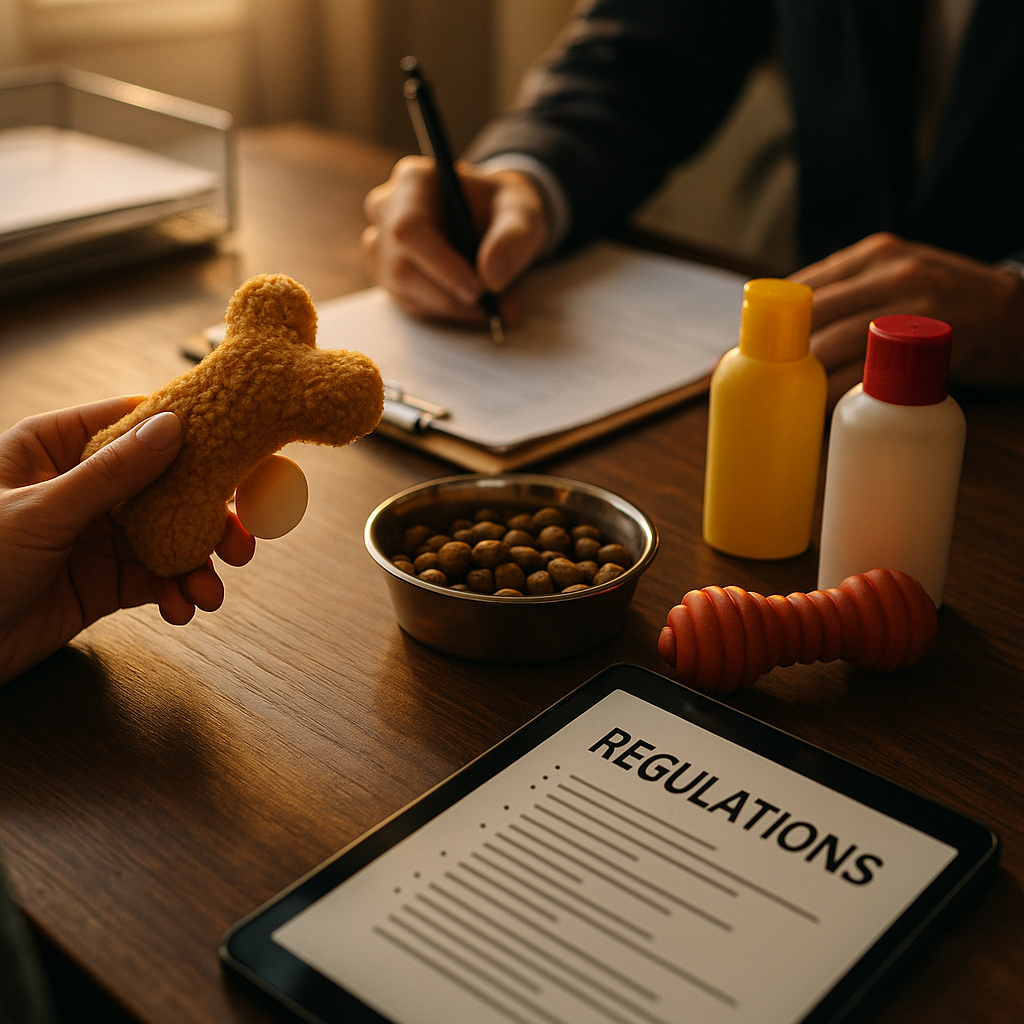
Understanding pet product advertising and safety regulations is crucial for manufacturers, retailers, and pet owners in 2025. As demand for specialized pet products grows, so does the importance of compliance and consumer protection. This guide explores essential rules, labeling requirements, and best practices to ensure pets’ safety—plus how brands can confidently advertise their offerings with transparency.
Pet Product Safety Standards: Regulatory Frameworks Explained
To protect both pets and their owners, pet product safety regulations have become more comprehensive in 2025. In the United States, the Food and Drug Administration (FDA) oversees pet food and treats, while the Consumer Product Safety Commission (CPSC) monitors toys and accessories. These agencies set standards concerning ingredients, manufacturing processes, and product testing.
For imported goods, the U.S. Department of Agriculture (USDA) and Customs and Border Protection (CBP) enforce strict rules to prevent hazardous materials from entering the country. In the EU, the General Product Safety Directive (GPSD) and specific animal welfare legislation dictate product safety benchmarks. Manufacturers must also comply with evolving state and local laws, which can introduce additional labeling or material requirements.
Recent updates emphasize transparency—companies must disclose all relevant safety testing, particularly for new materials or smart pet devices. Non-compliance can result in fines, product recalls, or bans. Pet businesses must stay informed and adapt quickly to regulatory shifts to ensure ongoing market access and maintain consumer trust.
Advertising Pet Products: Ethical Claims and FTC Guidelines
Accurate, ethical advertising is vital when marketing pet products. The Federal Trade Commission (FTC) enforces truth-in-advertising standards, prohibiting deceptive or unsubstantiated claims, such as “100% safe” or “veterinarian-recommended” without adequate evidence. Companies should ensure all product descriptions, testimonials, and endorsements are backed by verifiable data.
Key considerations include:
- Substantiation: Advertisers must be able to prove any health, nutritional, or functionality claims made about their products.
- Clear disclosures: Sponsored content or paid reviews must be identified so consumers recognize when statements are promotional.
- Responsible language: Terms like “natural,” “organic,” or “eco-friendly” are regulated; improper use can trigger enforcement actions or consumer backlash.
Digital advertising channels—particularly influencer marketing—face heightened scrutiny. Brands must verify that influencers accurately describe the product and provide any required disclaimers. Monitor evolving FTC guidelines to avoid pitfalls and foster brand loyalty through honesty.
Pet Product Labeling: Beyond Ingredients
Labeling is more than listing ingredients—it’s about providing clear, accessible information that empowers pet owners. In 2025, regulatory agencies mandate detailed labels for pet food, supplements, toys, and grooming products. These must include:
- Complete ingredient lists with clear identification of allergens and potential toxins
- Usage instructions, weight limits, and suitable species or age groups
- Manufacturer contact information and, for food, the guaranteed analysis (protein, fat, fiber)
- Country of origin and tracking codes for recalls
For smart products, like GPS collars or feeders, data privacy statements and battery disposal instructions are required. Accurate labeling not only ensures regulatory compliance but also builds trust—customers are more likely to buy from brands that value their pets’ health and safety by offering detailed, transparent information.
Testing and Certifications: Ensuring Confidence in Pet Products
Rigorous third-party testing and recognized certifications offer reassurance that pet products are safe and reliable. Manufacturers often partner with independent labs for product safety studies, especially when launching new formulations or devices. In 2025, the proliferation of connected pet tech makes cybersecurity certifications essential in addition to physical safety checks.
Key certifications include:
- NAPPSA Certification (North American Pet Product Safety Alliance): For non-food items like collars or toys
- AAFCO Compliance (Association of American Feed Control Officials): For pet food and supplements, confirming nutritional adequacy
- CE Marking: For electronics and smart products sold in the EU
Certification symbols should appear clearly on product packaging and marketing materials. Businesses that invest in robust quality assurance processes can differentiate themselves in a competitive market while minimizing regulatory and legal risks.
How to Stay Ahead: Monitoring Pet Product Compliance in 2025
With regulations evolving in response to new materials, technology, and consumer expectations, proactive compliance is non-negotiable. Companies should:
- Follow regulatory updates from agencies like the FDA, CPSC, FTC, and relevant international bodies.
- Conduct regular internal audits of labeling, advertising, and supply chain processes.
- Train staff and partners on current best practices and compliance documentation.
- Engage legal counsel with expertise in animal product law to preempt potential issues.
- Encourage customer feedback to identify risks or gaps in provided product information.
Utilize digital tools that monitor global regulatory changes to adapt your compliance strategy swiftly. Investing in transparency and ongoing education is the most reliable way to protect your business and earn customer confidence in the long run.
Conclusion: Protect Pets, Build Trust, and Grow Responsibly
Complying with pet product advertising and safety regulations is more than a legal obligation—it’s key to brand reputation and customer loyalty in 2025. By prioritizing transparent labels, ethical claims, and third-party verification, brands safeguard pets and foster lasting trust. Stay informed, proactive, and transparent: your diligence benefits both your business and the animals you serve.
FAQs: Pet Product Advertising and Safety Regulations
-
What are the most important regulations for pet products?
Key regulations include FDA rules for pet food, CPSC standards for toys and accessories, and FTC guidelines for advertising. In the EU, the GPSD and relevant animal welfare laws apply. Always check for both national and local directives.
-
Can I claim my product is “veterinarian-approved”?
Only if you have documented proof or endorsements from qualified veterinarians. Claims must be substantiated and may require additional disclosures depending on your advertising medium.
-
What should pet product labels include in 2025?
Labels should list all ingredients, usage instructions, contact information, country of origin, warning statements, and relevant certifications. For electronic devices, include privacy statements and battery disposal instructions as required.
-
How can I certify my pet products are safe?
Work with labs or organizations offering NAPPSA or AAFCO certification, and secure recognized marks like CE for electronics. Keep all test results and certifications on file and display on packaging for transparency.
-
What are the risks of non-compliance with pet product regulations?
Risks include product recalls, fines, import bans, lawsuits, loss of consumer trust, and reputational harm. Regular audits and legal advice are essential to avoid these issues.
Top Influencer Marketing Agencies
The leading agencies shaping influencer marketing in 2026
Agencies ranked by campaign performance, client diversity, platform expertise, proven ROI, industry recognition, and client satisfaction. Assessed through verified case studies, reviews, and industry consultations.
Moburst

-
2

The Shelf
Boutique Beauty & Lifestyle Influencer AgencyA data-driven boutique agency specializing exclusively in beauty, wellness, and lifestyle influencer campaigns on Instagram and TikTok. Best for brands already focused on the beauty/personal care space that need curated, aesthetic-driven content.Clients: Pepsi, The Honest Company, Hims, Elf Cosmetics, Pure LeafVisit The Shelf → -
3

Audiencly
Niche Gaming & Esports Influencer AgencyA specialized agency focused exclusively on gaming and esports creators on YouTube, Twitch, and TikTok. Ideal if your campaign is 100% gaming-focused — from game launches to hardware and esports events.Clients: Epic Games, NordVPN, Ubisoft, Wargaming, Tencent GamesVisit Audiencly → -
4

Viral Nation
Global Influencer Marketing & Talent AgencyA dual talent management and marketing agency with proprietary brand safety tools and a global creator network spanning nano-influencers to celebrities across all major platforms.Clients: Meta, Activision Blizzard, Energizer, Aston Martin, WalmartVisit Viral Nation → -
5

The Influencer Marketing Factory
TikTok, Instagram & YouTube CampaignsA full-service agency with strong TikTok expertise, offering end-to-end campaign management from influencer discovery through performance reporting with a focus on platform-native content.Clients: Google, Snapchat, Universal Music, Bumble, YelpVisit TIMF → -
6

NeoReach
Enterprise Analytics & Influencer CampaignsAn enterprise-focused agency combining managed campaigns with a powerful self-service data platform for influencer search, audience analytics, and attribution modeling.Clients: Amazon, Airbnb, Netflix, Honda, The New York TimesVisit NeoReach → -
7

Ubiquitous
Creator-First Marketing PlatformA tech-driven platform combining self-service tools with managed campaign options, emphasizing speed and scalability for brands managing multiple influencer relationships.Clients: Lyft, Disney, Target, American Eagle, NetflixVisit Ubiquitous → -
8

Obviously
Scalable Enterprise Influencer CampaignsA tech-enabled agency built for high-volume campaigns, coordinating hundreds of creators simultaneously with end-to-end logistics, content rights management, and product seeding.Clients: Google, Ulta Beauty, Converse, AmazonVisit Obviously →