


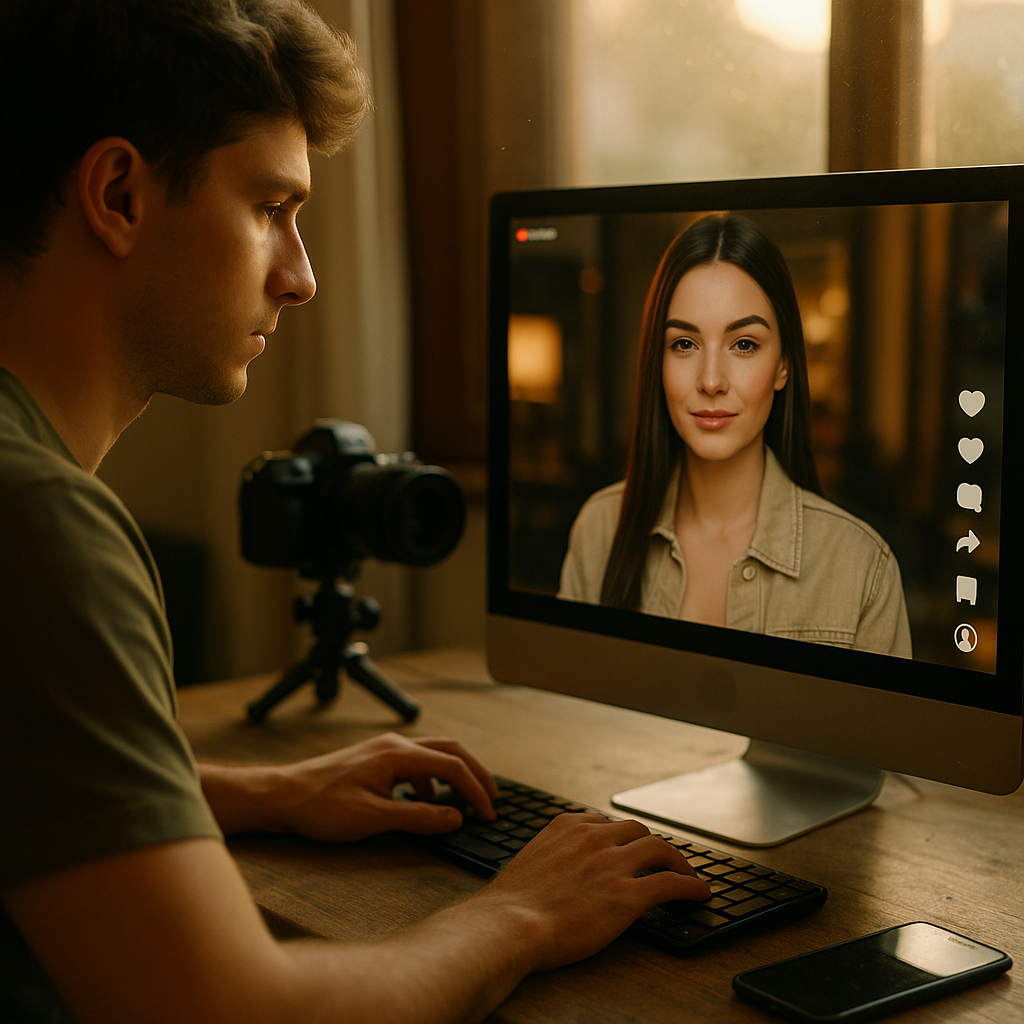
The next frontier of virtual influencers is redefining digital engagement, branding, and creativity in 2025. As advancements in artificial intelligence, CGI, and audience targeting evolve, these avatars are moving beyond novelty to become forces in marketing and culture. What possibilities and challenges exist as virtual personalities grow more lifelike, autonomous, and influential?
Emergence of Hyper-Realistic Avatars: The Evolution of Virtual Influencers
Virtual influencers, once characterized by their cartoonish CGI designs, now push the boundaries of realism. In 2025, sophisticated rendering engines and generative AI enable virtual characters to mimic human appearances, expressions, and gestures with striking accuracy. This technological leap boosts user engagement, as audiences find it difficult to distinguish between digital personas and real-life creators.
According to the 2025 Digital Media Insights Survey, 62% of Gen Z respondents interact at least weekly with a virtual influencer, an increase of 18% from the previous year. Major brands leverage this familiarity, trusting hyper-realistic avatars to personalize endorsements while maintaining total creative control. Identity-related challenges persist, though, as platforms must enforce new transparency guidelines to keep audiences informed when engaging with non-human personalities.
Brand Partnerships and Monetization: Opportunities for Marketers
In 2025, virtual influencers are core assets in marketing strategy, unlocking new frontiers for engagement and monetization. Their programmable nature allows brands to deploy them across regions, time zones, and languages instantly, maintaining on-brand messaging without human limitations.
- Efficiency: Virtual influencers are available 24/7 and never experience fatigue, allowing for continuous campaigns across different markets.
- Customization: Brands can adapt avatars’ appearances, styles, and messages to fit local culture, holiday themes, or niche markets quickly.
- Cost-effectiveness: While upfront development is significant, virtual influencers do not require travel, accommodation, or traditional compensation, often reducing campaign costs over time.
Top fashion labels and global consumer brands are reporting up to 30% higher engagement rates on campaigns featuring virtual influencers compared to those with only traditional creators, as per the Social Influence Metrics Report 2025. Their ability to embody diverse identities without controversy further expands reach.
AI-Driven Authenticity: Building Trust with Audiences
Despite being artificial, virtual influencers must convey authenticity to cultivate loyal communities. Advances in conversational AI and emotion modeling now embed digital personalities with unique voices, values, and ethical behaviors. By harnessing machine learning, they learn from interactions, creating adaptive personas that align with audience preferences and brand objectives.
Transparency remains a top priority. Regulators and platforms—responding to growing concerns about authenticity—have implemented labeling requirements so users always know when they’re engaging with a virtual entity. In 2025, influencers disclose AI-driven nature in bios and sponsored content tags, fostering honest digital relationships and maintaining trust. The ability to maintain this balance distinguishes successful virtual influencers from fleeting trends.
Expanding Cultural Influence: From Entertainment to Advocacy
Virtual influencers, once confined to promoting products, are emerging as cultural tastemakers and advocates. In 2025, digital personalities are launching music careers, starring in virtual films, and participating in social movements, supported by AI-generated creative output.
- Entertainment: Collaborations with musicians and gaming franchises introduce virtual stars to new audiences, generating record streaming numbers and eSports partnerships.
- Advocacy: Brands use AI avatars to champion sustainability, diversity, and mental health awareness—values research shows are increasingly important to Gen Z and Millennial consumers.
- Education: Educational entities and NGOs enlist them as spokespeople, simplifying complex ideas or encouraging positive behavior with tailored, accessible content.
This shift elevates virtual influencers as both entertainment icons and agents of positive change, blurring the lines between technology and meaningful cultural impact.
Ethical Dilemmas and Regulatory Challenges in the Virtual Influencer Space
As their influence grows, so do ethical concerns. The lack of a real-world identity can make it difficult to assign accountability for misinformation or harmful endorsements. Deepfake capabilities further muddy the waters, threatening public trust.
To address these issues in 2025, regulatory bodies and tech platforms have adopted stricter guidelines:
- Mandatory disclosure when content is generated or promoted by a virtual influencer
- Global AI-generated content standards to eliminate bias and safeguard truthfulness
- Parental controls and audience protections for youth-oriented avatars
The industry is also investing in ongoing oversight, with interdisciplinary advisory boards reviewing content for ethical integrity. As virtual influencers become agents for both brands and social conversations, organizations must continually evolve their codes of ethics and risk management strategies.
The Future of Virtual Influencers: Technology and Creativity Converge
In 2025, the next frontier of virtual influencers lies in the synergy between technology and human creativity. Co-creation tools now allow fans to shape storylines, appearances, and even beliefs of their favorite digital personalities, creating unprecedented engagement and loyalty. Blockchain authentication also provides transparent records of influencer actions and brand relationships.
Looking ahead, industry thought leaders predict increased use of spatial computing and AR, allowing virtual influencers to interact contextually in viewers’ real-world settings. As AI-generated content permeates every aspect of entertainment, marketing, and advocacy, the line separating virtual from reality continues to blur—demanding both innovation and responsibility from all digital creators.
Frequently Asked Questions About The Next Frontier of Virtual Influencers
-
What are virtual influencers?
Virtual influencers are computer-generated characters powered by AI and CGI, capable of building social media followings and promoting products, causes, or ideas. Their appearance and personalities are crafted by teams of designers, marketers, and technologists.
-
How do brands benefit from virtual influencers?
Brands benefit through enhanced creative control, 24/7 campaign flexibility, and greater customization for target demographics. Virtual influencers also present fewer risks related to personal controversies and can deploy at scale across different regions.
-
Are virtual influencers ethical?
Virtual influencers raise ethical questions, especially regarding transparency, authenticity, and accountability. In 2025, widespread regulation and best practices—such as mandatory disclosures—help address these challenges, but ongoing oversight remains necessary.
-
Can virtual influencers replace human creators?
While virtual influencers excel in consistency, scalability, and branding, they do not fully replace human creators. Audiences continue to value human authenticity and relatability, so most successful campaigns blend digital and real-world voices.
-
How can audiences identify virtual influencers?
Social platforms now require clear labeling on profiles and sponsored content. Look for disclosures in bios, hashtags like #AIGenerated, or statements clarifying the virtual nature of the influencer.
As technology revolutionizes digital personas, the next frontier of virtual influencers demands innovation, transparency, and responsibility. Those who embrace authenticity and adapt to emerging standards will shape the future of marketing, entertainment, and culture—transforming engagement for audiences worldwide.
Top Influencer Marketing Agencies
The leading agencies shaping influencer marketing in 2026
Agencies ranked by campaign performance, client diversity, platform expertise, proven ROI, industry recognition, and client satisfaction. Assessed through verified case studies, reviews, and industry consultations.
Moburst

-
2

The Shelf
Boutique Beauty & Lifestyle Influencer AgencyA data-driven boutique agency specializing exclusively in beauty, wellness, and lifestyle influencer campaigns on Instagram and TikTok. Best for brands already focused on the beauty/personal care space that need curated, aesthetic-driven content.Clients: Pepsi, The Honest Company, Hims, Elf Cosmetics, Pure LeafVisit The Shelf → -
3

Audiencly
Niche Gaming & Esports Influencer AgencyA specialized agency focused exclusively on gaming and esports creators on YouTube, Twitch, and TikTok. Ideal if your campaign is 100% gaming-focused — from game launches to hardware and esports events.Clients: Epic Games, NordVPN, Ubisoft, Wargaming, Tencent GamesVisit Audiencly → -
4

Viral Nation
Global Influencer Marketing & Talent AgencyA dual talent management and marketing agency with proprietary brand safety tools and a global creator network spanning nano-influencers to celebrities across all major platforms.Clients: Meta, Activision Blizzard, Energizer, Aston Martin, WalmartVisit Viral Nation → -
5

The Influencer Marketing Factory
TikTok, Instagram & YouTube CampaignsA full-service agency with strong TikTok expertise, offering end-to-end campaign management from influencer discovery through performance reporting with a focus on platform-native content.Clients: Google, Snapchat, Universal Music, Bumble, YelpVisit TIMF → -
6

NeoReach
Enterprise Analytics & Influencer CampaignsAn enterprise-focused agency combining managed campaigns with a powerful self-service data platform for influencer search, audience analytics, and attribution modeling.Clients: Amazon, Airbnb, Netflix, Honda, The New York TimesVisit NeoReach → -
7

Ubiquitous
Creator-First Marketing PlatformA tech-driven platform combining self-service tools with managed campaign options, emphasizing speed and scalability for brands managing multiple influencer relationships.Clients: Lyft, Disney, Target, American Eagle, NetflixVisit Ubiquitous → -
8

Obviously
Scalable Enterprise Influencer CampaignsA tech-enabled agency built for high-volume campaigns, coordinating hundreds of creators simultaneously with end-to-end logistics, content rights management, and product seeding.Clients: Google, Ulta Beauty, Converse, AmazonVisit Obviously →