


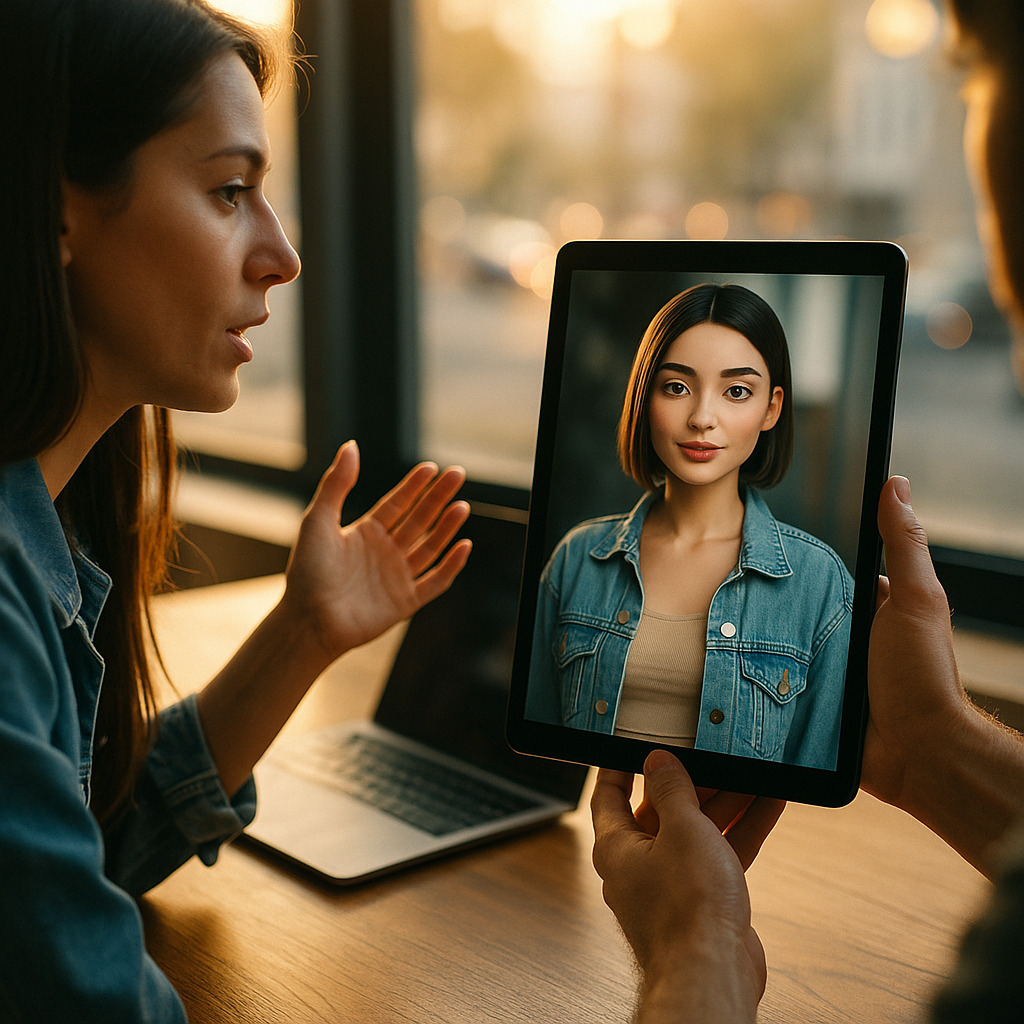
The next frontier of virtual influencers is transforming digital marketing strategies, brand storytelling, and human-AI interaction. Rapid advancements in AI, graphic design, and social media are converging to shape the future of influencer culture. Curious about the emerging trends and real-world applications that are setting these digital personas apart from their predecessors?
The Rise of Next-Gen Virtual Characters in Influencer Marketing
Virtual influencers have outgrown their status as novelties. In 2025, they possess unparalleled versatility and reach, driven by advances in AI-generated content and hyper-realistic CGI. Brands like Prada and Samsung now regularly engage virtual influencers for global campaigns. This new wave provides:
- Control over brand alignment: Virtual influencers follow exact scripts and embody brand values without controversy.
- International appeal: They transcend cultural and language barriers, appearing simultaneously in multiple markets.
- Consistent presence: Reliable availability eliminates scheduling conflicts and the unpredictability of human influencers.
According to a 2025 Sprout Social survey, 78% of marketers who used virtual influencers reported stronger campaign performance and increased engagement versus campaigns with only human creators.
Human-AI Collaboration: The Authenticity Factor
Authenticity is a major concern in influencer marketing, and virtual personas now address this by incorporating more human-AI collaboration. Creators and developers are working directly with storytellers, psychologists, and cultural consultants to design backstories, emotional arcs, and even spontaneous reactions for these characters. As a result:
- Audiences relate to narrative depth and emotional nuance in virtual influencer content.
- Open disclosures about the human teams behind personas build trust and transparency.
- Active community engagement, including live Q&A and “collaborative posts,” enhances credibility.
This collaboration blurs the line between digital and organic authenticity, allowing audiences to emotionally connect while fully aware of the artifice—increasing both trust and engagement.
Technological Breakthroughs Fueling Hyper-Realistic Influence
The technology behind virtual influencers is increasingly sophisticated. In 2025, real-time rendering, lifelike voice synthesis, and dynamic animation have enabled virtual characters to interact seamlessly through video, livestream, and VR settings. Key innovations include:
- Real-time motion capture: Allows influencers to react immediately to events, comments, or product launches.
- Advanced generative AI: Produces context-aware dialogue and emotional responses tailored to audience demographics.
- Cross-platform immersion: Presence across TikTok, Instagram, VR spaces, and even metaverse marketplaces.
Audiences in 2025 experience virtual influencers as responsive, seemingly sentient personalities—a leap beyond static avatars or scripted posts from earlier years.
Redefining Brand Partnerships and Monetization Models
Brands are creatively leveraging virtual influencers’ flexibility and digital-first nature to unlock new monetization models and partnership formats. Here are the most impactful approaches:
- Virtual product launches: Virtual influencers “host” interactive, avatar-driven product drops within digital worlds or live events.
- Shoppable content: Seamless integration with e-commerce, enabling followers to purchase what an influencer is wearing or using in real time.
- Non-fungible tokens (NFTs): Licensed collectible NFTs tied to key influencer moments or exclusive content experiences.
- Subscription-based access: Fans unlock bespoke messages, AR meet-and-greets, or exclusive “digital diary” entries by subscribing to their favorite personalities.
This evolution empowers brands to build communities around virtual personas, rather than relying solely on fleeting attention spikes through traditional ads.
Ethical Considerations and Industry Regulation
As virtual influencers gain influence, ethical questions around transparency, representation, and consent have taken center stage. The Federal Trade Commission (FTC) and International Advertising Bureau (IAB) have issued updated guidelines requiring:
- Disclosure of virtual status in all sponsored content and advertising.
- Restrictions on the marketing of products to vulnerable audiences—especially children—by non-human personas.
- Responsible data usage, ensuring no deepfaked voices or images mimic real individuals without consent.
Brands are adopting “virtual influencer codes of ethics,” outlining values, diversity standards, and AI oversight protocols. These help to foster trust in a landscape where digital manipulation is both highly advanced and rigorously monitored.
The Cultural and Societal Impact of Digital Influencers
Virtual influencers now shape consumer behavior, trends, and even pop culture. They often serve as spokespeople for social causes, collaborate with musicians and artists, and represent marginalized perspectives with unprecedented nuance. Key impacts include:
- Representation and inclusion: Digital personas can champion underrepresented voices or bring new diversity to brand storytelling.
- Global digital literacy: Interactions with virtual influencers teach consumers to spot AI-generated content, fostering analytical and digital citizenship skills.
- Blended realities: The boundary between human and virtual public figures keeps evolving, influencing how youth form identities and express themselves online.
These shifts position virtual influencers at the helm of the next era of digital culture—shaping not only marketing, but also influencing how society perceives reality, authenticity, and community.
Frequently Asked Questions About the Next Frontier of Virtual Influencers
-
What exactly is a virtual influencer?
A virtual influencer is a computer-generated character operated by a team of designers, AI content creators, and strategists to interact with online audiences, promote products, or champion causes—often with lifelike visuals and conversational abilities.
-
How do virtual influencers differ from traditional influencers?
Unlike human influencers, virtual influencers are wholly controlled by brands or creators, allow for total narrative/visual flexibility, are always available, and can be customized for specific markets or projects with ease.
-
Are virtual influencers more effective than human influencers?
Many marketers report higher engagement rates and more precise messaging with virtual influencers. However, the optimal choice depends on campaign goals; emotional authenticity and human relatability still play unique roles in certain campaigns.
-
Do audiences know when an influencer is virtual?
In 2025, ethical guidelines require full disclosure. Most audiences not only know, but actively engage with virtual personas because of their transparency and creative storytelling.
-
What risks do brands face when using virtual influencers?
Potential risks include backlash over perceived inauthenticity, ethical missteps regarding disclosure, and reliance on cutting-edge technology that may malfunction or be exploited if not managed responsibly.
The next frontier of virtual influencers is marked by technological innovation, ethical evolution, and cultural resonance. Brands and creators who leverage these digital personalities with transparency and creativity will forge deeper connections—and redefine what influence means in the digital age.
Top Influencer Marketing Agencies
The leading agencies shaping influencer marketing in 2026
Agencies ranked by campaign performance, client diversity, platform expertise, proven ROI, industry recognition, and client satisfaction. Assessed through verified case studies, reviews, and industry consultations.
Moburst

-
2

The Shelf
Boutique Beauty & Lifestyle Influencer AgencyA data-driven boutique agency specializing exclusively in beauty, wellness, and lifestyle influencer campaigns on Instagram and TikTok. Best for brands already focused on the beauty/personal care space that need curated, aesthetic-driven content.Clients: Pepsi, The Honest Company, Hims, Elf Cosmetics, Pure LeafVisit The Shelf → -
3

Audiencly
Niche Gaming & Esports Influencer AgencyA specialized agency focused exclusively on gaming and esports creators on YouTube, Twitch, and TikTok. Ideal if your campaign is 100% gaming-focused — from game launches to hardware and esports events.Clients: Epic Games, NordVPN, Ubisoft, Wargaming, Tencent GamesVisit Audiencly → -
4

Viral Nation
Global Influencer Marketing & Talent AgencyA dual talent management and marketing agency with proprietary brand safety tools and a global creator network spanning nano-influencers to celebrities across all major platforms.Clients: Meta, Activision Blizzard, Energizer, Aston Martin, WalmartVisit Viral Nation → -
5

The Influencer Marketing Factory
TikTok, Instagram & YouTube CampaignsA full-service agency with strong TikTok expertise, offering end-to-end campaign management from influencer discovery through performance reporting with a focus on platform-native content.Clients: Google, Snapchat, Universal Music, Bumble, YelpVisit TIMF → -
6

NeoReach
Enterprise Analytics & Influencer CampaignsAn enterprise-focused agency combining managed campaigns with a powerful self-service data platform for influencer search, audience analytics, and attribution modeling.Clients: Amazon, Airbnb, Netflix, Honda, The New York TimesVisit NeoReach → -
7

Ubiquitous
Creator-First Marketing PlatformA tech-driven platform combining self-service tools with managed campaign options, emphasizing speed and scalability for brands managing multiple influencer relationships.Clients: Lyft, Disney, Target, American Eagle, NetflixVisit Ubiquitous → -
8

Obviously
Scalable Enterprise Influencer CampaignsA tech-enabled agency built for high-volume campaigns, coordinating hundreds of creators simultaneously with end-to-end logistics, content rights management, and product seeding.Clients: Google, Ulta Beauty, Converse, AmazonVisit Obviously →