


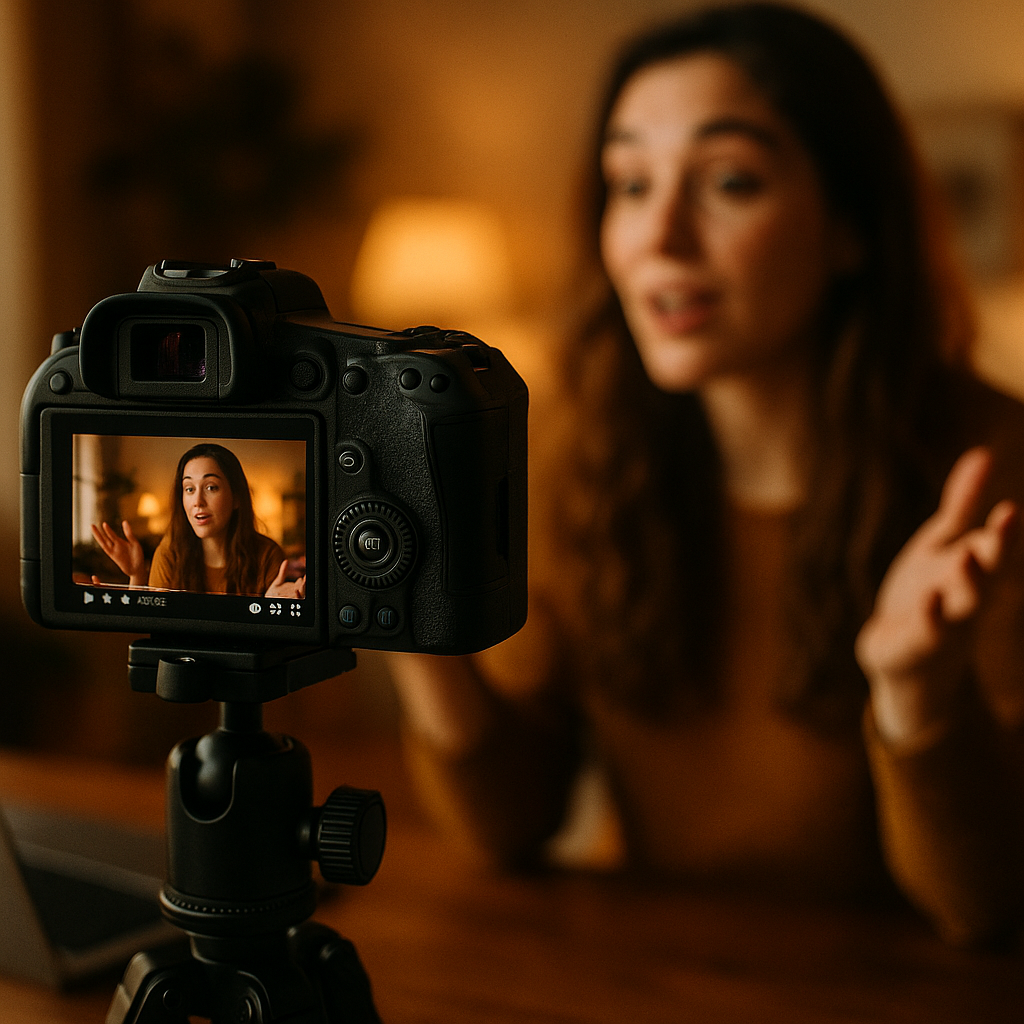
Twenty-two percent. That’s how much longer audiences stick around when creators tell stories their own way instead of chasing platform algorithms. If your creator-centric storytelling strategy still starts with “what does the algorithm want,” you’re optimizing for the wrong audience. The data is now loud enough to ignore the noise around trending sounds and posting-time hacks.
For years, brand briefs read like SEO checklists ported over to video: hit the trending audio, post at 7 p.m., front-load a hook in the first two seconds, cram in keywords for the caption. It worked, for a while, in the way that any arbitrage works before everyone else catches on. Now creators, platforms, and the view-duration data are all pointing the same direction: the algorithm-chasing playbook is losing ground to something less mechanical and harder to fake.
What the 22% Number Actually Means
The figure comes from comparative analysis of content performance across creator-led formats versus brand-scripted, trend-reactive posts on the same platforms and audience segments. Content built around a creator’s authentic narrative arc, personal stakes, a real opinion, an unresolved question, a story with a beginning and middle before the payoff, held viewers 22% longer on average than content engineered primarily to satisfy algorithmic triggers.
That’s not a vanity metric. Watch time and completion rate remain the strongest signals platforms use to decide what to amplify next. So paradoxically, the content that ignores algorithm-first tactics in favor of genuine storytelling ends up getting rewarded by the algorithm anyway. It’s the marketing equivalent of realizing the best way to win the game is to stop playing it defensively.
Content optimized for storytelling outperforms content optimized for the algorithm, on the algorithm’s own terms. That should reframe how every brand briefs creator partnerships.
Why Algorithm-First Tactics Are Running Out of Runway
Platform algorithms have gotten better at detecting formulaic content. TikTok, Instagram, and YouTube have all pushed updates over the past two years that weight watch-through and re-watch behavior more heavily than early engagement spikes like likes or shares in the first hour. That shift alone punishes content designed to bait a quick reaction rather than earn sustained attention.
There’s also audience fatigue to consider. Viewers have gotten fluent in spotting a trend-chasing post from three seconds in. The same transition, the same trending sound stitched onto unrelated product content, the same “wait for it” hook that doesn’t pay off. Consumers have started scrolling past that pattern reflexively, which is part of why sensory UGC beats studio content in categories like beauty and food: it looks and feels like a real person’s experience, not a media plan.
Add to that rising skepticism about anything that smells engineered. Our earlier coverage on why marketers now distrust AI-powered labels reflects a broader trend: both practitioners and consumers are growing warier of content that feels optimized rather than authored. Algorithm-first tactics are, definitionally, optimized-first. That’s precisely the quality now working against them.
The Platforms Themselves Are Pushing This Shift
YouTube has been explicit about favoring “durable” content that keeps viewers watching across a session, not just individual clips optimized for a single spike. That’s a big reason why, as we’ve covered in YouTube’s longer shelf life analysis, long-form creator content keeps paying dividends months after publish, something a trend-chasing Reel can’t do once the sound falls out of rotation.
TikTok’s own creator guidance, published through its TikTok for Business resources, increasingly nudges advertisers toward “creator-first” briefs rather than rigid brand scripts. Meta has said similar things through its Meta for Business guidance on Reels performance. When the platforms that built the algorithm-chasing incentive structure start telling advertisers to chase it less, that’s a signal worth taking seriously.
The Brand-Side Risk of Ignoring This Shift
Here’s the uncomfortable part for brand teams: most influencer briefs are still written like algorithm cheat sheets. Trending audio requirements. Mandatory hashtags. Scripted hooks lifted from whatever performed well last quarter. Creators comply because the check clears, but compliance isn’t the same as commitment, and audiences can tell the difference.
This matters for ROI in a very direct way. Brands paying premium rates for dedicated video placements are increasingly asking creators to hit algorithmic checkboxes that actively undercut the storytelling quality they’re paying for. It’s a self-defeating brief. You’re buying a creator’s trust equity with their audience, then asking them to spend it on your trending-sound requirement.
There’s also a compliance angle brand teams shouldn’t skip. Heavily scripted, algorithm-optimized content that obscures the paid relationship runs closer to FTC disclosure gray areas than organic-feeling creator storytelling, where the sponsorship is stated plainly inside a narrative the creator actually believes. Authentic framing isn’t just better performing, it’s lower risk.
What Creator-Centric Storytelling Looks Like in Practice
Creator-centric storytelling isn’t a synonym for “let the creator do whatever.” It’s a specific operational shift: briefs built around narrative goals instead of format mandates.
- Start with the creator’s existing content patterns. What story arcs already earn their highest watch-through? Build the brand integration into that pattern, not around a new one imposed from outside.
- Brief the message, not the mechanics. Give creators the core point to land, then let them determine the hook, pacing, and structure. This is the same logic behind standardizing CTAs contractually while leaving creative execution flexible.
- Measure watch time and re-watch rate, not just completion percentage. A 15-second video with 90% completion and zero re-watches tells you less than a 45-second video with 60% completion and a meaningful re-watch rate.
- Let stories run longer where the platform rewards it. This ties directly to funnel-stage budget allocation decisions: storytelling-heavy formats tend to outperform on mid-funnel consideration metrics, not just top-of-funnel reach.
How This Plays Into the Bigger Media Mix Conversation
This isn’t happening in isolation. Creator spend has already crossed $12 billion and become core media budget, not an experimental line item. As dollars scale, the tolerance for formulaic, low-differentiation content shrinks. Nobody budgets ten million dollars for content that looks like everyone else’s trending-audio compilation.
The broader creator economy forecasts back this up too. Goldman Sachs’ well-cited $480 billion creator economy projection assumes continued professionalization of creator content, meaning more brands competing for the same attention, which raises the bar on what “good enough” looks like. Algorithm-first tactics were a low bar. That bar has moved.
It also connects to how brands are rethinking media mix models as influencer spend approaches a quarter of total marketing budgets. You can’t build a media mix model around unpredictable algorithm behavior. You can build one around durable storytelling metrics like watch time, because those correlate more reliably with brand recall and purchase intent, according to research from Sprout Social and eMarketer.
A Quick Gut Check for Your Current Briefs
Pull your last five influencer briefs. Count how many mandates are about format (trending sound, specific hashtag, posting window) versus how many are about narrative (what problem does this solve, what’s the creator’s honest take, what story justifies the mention). If format mandates outnumber narrative guidance three to one or worse, that’s your algorithm-first tax, and it’s likely costing you watch time you’re already paying for.
Where AI Tools Fit, and Where They Don’t
AI-assisted content tools are everywhere in creator workflows now, from caption generation to trend forecasting. Used to spot narrative opportunities, they’re useful. Used to generate the script itself, they tend to reproduce the same algorithm-first patterns that are losing ground, because they’re trained to replicate what performed historically rather than to build something a specific creator’s audience will trust.
This is worth flagging given how much of the AI-MarTech market is now selling exactly this kind of content automation. If your AI tool is optimizing for algorithmic patterns rather than authentic narrative fit, you’re paying to accelerate the tactic that’s declining. Worth checking what you’re actually buying.
FAQs
Frequently Asked Questions
What does “creator-centric storytelling” mean in a brand context?
It means building influencer briefs around narrative goals, the message, the creator’s authentic voice, the story arc, rather than dictating format mechanics like trending sounds, hashtags, or posting schedules. The creator retains creative control over how the story is told.
Why do algorithm-first tactics still get used if they’re losing effectiveness?
Habit and measurability. Format mandates are easy to write into a brief and easy to audit for compliance. Narrative quality is harder to specify and evaluate, so many brand teams default to the tactic that’s simpler to manage, even as its performance declines.
How should brands measure the shift toward creator-centric content?
Track watch time, completion rate, and re-watch rate rather than relying solely on early engagement metrics like likes or shares in the first hour. Longer view durations and re-watch behavior are stronger indicators of narrative resonance and algorithmic favor.
Does this apply equally across platforms like TikTok, Instagram, and YouTube?
The principle holds across platforms, though the mechanics differ. YouTube rewards session-level watch time and durable content, TikTok weighs completion and re-watch signals heavily, and Instagram Reels increasingly favors saves and shares tied to genuine resonance over trend participation alone.
What’s the compliance risk of algorithm-first creator content?
Heavily scripted, trend-optimized content can blur sponsorship disclosure in ways that draw regulatory scrutiny. Narrative-driven content, where the paid partnership is stated plainly within a story the creator genuinely supports, tends to align better with FTC disclosure expectations.
Should brands abandon trend participation entirely?
No. Trends can still work as a hook, but they shouldn’t be the entire strategy. The data suggests trends work best when they support a genuine narrative rather than substituting for one.
The next brief you write is the test: swap one format mandate for one narrative instruction, then compare watch time against your last campaign. That single change tells you more about where your creator budget should go than another quarter of trend-chasing ever will.
Top Influencer Marketing Agencies
The leading agencies shaping influencer marketing in 2026
Agencies ranked by campaign performance, client diversity, platform expertise, proven ROI, industry recognition, and client satisfaction. Assessed through verified case studies, reviews, and industry consultations.
Moburst

-
2

The Shelf
Boutique Beauty & Lifestyle Influencer AgencyA data-driven boutique agency specializing exclusively in beauty, wellness, and lifestyle influencer campaigns on Instagram and TikTok. Best for brands already focused on the beauty/personal care space that need curated, aesthetic-driven content.Clients: Pepsi, The Honest Company, Hims, Elf Cosmetics, Pure LeafVisit The Shelf → -
3

Audiencly
Niche Gaming & Esports Influencer AgencyA specialized agency focused exclusively on gaming and esports creators on YouTube, Twitch, and TikTok. Ideal if your campaign is 100% gaming-focused — from game launches to hardware and esports events.Clients: Epic Games, NordVPN, Ubisoft, Wargaming, Tencent GamesVisit Audiencly → -
4

Viral Nation
Global Influencer Marketing & Talent AgencyA dual talent management and marketing agency with proprietary brand safety tools and a global creator network spanning nano-influencers to celebrities across all major platforms.Clients: Meta, Activision Blizzard, Energizer, Aston Martin, WalmartVisit Viral Nation → -
5

The Influencer Marketing Factory
TikTok, Instagram & YouTube CampaignsA full-service agency with strong TikTok expertise, offering end-to-end campaign management from influencer discovery through performance reporting with a focus on platform-native content.Clients: Google, Snapchat, Universal Music, Bumble, YelpVisit TIMF → -
6

NeoReach
Enterprise Analytics & Influencer CampaignsAn enterprise-focused agency combining managed campaigns with a powerful self-service data platform for influencer search, audience analytics, and attribution modeling.Clients: Amazon, Airbnb, Netflix, Honda, The New York TimesVisit NeoReach → -
7

Ubiquitous
Creator-First Marketing PlatformA tech-driven platform combining self-service tools with managed campaign options, emphasizing speed and scalability for brands managing multiple influencer relationships.Clients: Lyft, Disney, Target, American Eagle, NetflixVisit Ubiquitous → -
8

Obviously
Scalable Enterprise Influencer CampaignsA tech-enabled agency built for high-volume campaigns, coordinating hundreds of creators simultaneously with end-to-end logistics, content rights management, and product seeding.Clients: Google, Ulta Beauty, Converse, AmazonVisit Obviously →