


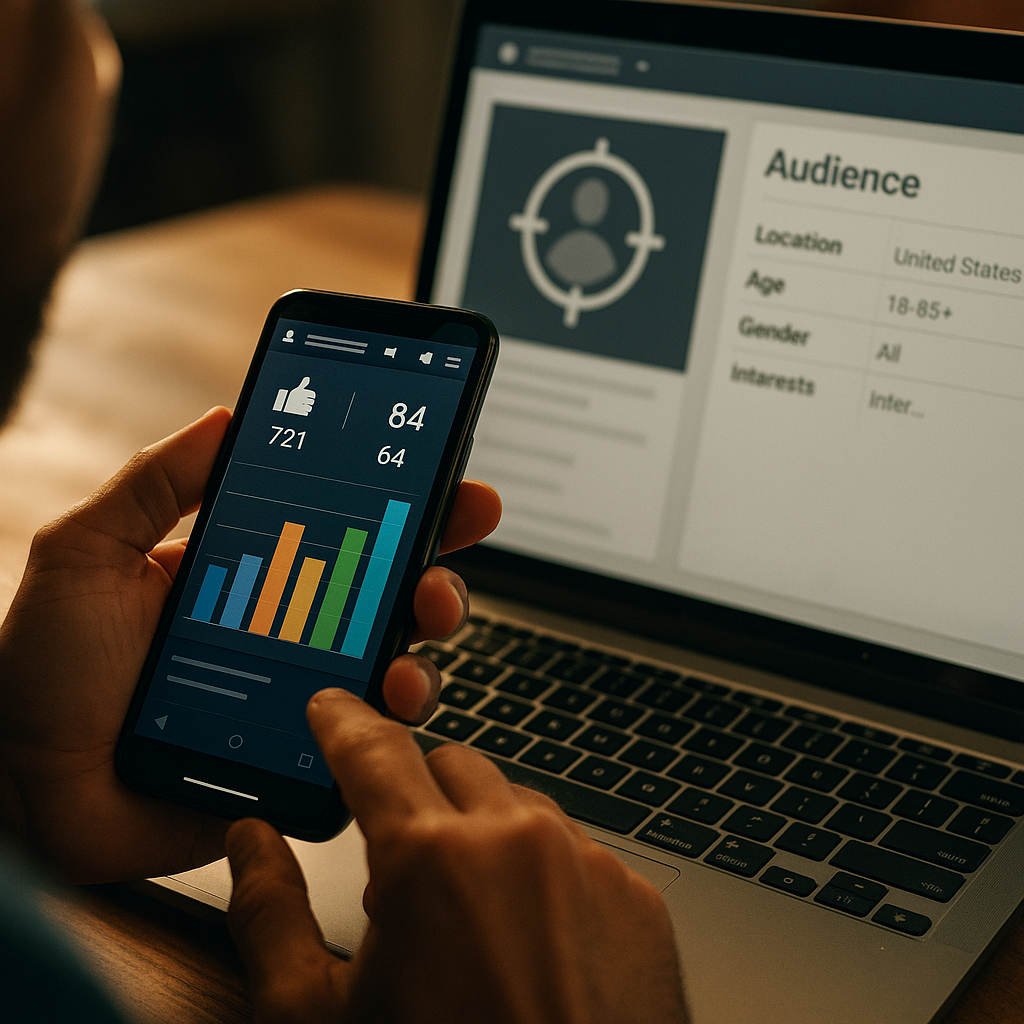
Forty percent. That’s the share of social advertisers who, according to recent industry surveys, still say they struggle to reach the right audience on paid social platforms. Not low budgets. Not weak creative. Audience targeting itself. If you run a media budget in 2026 and that number doesn’t sting a little, you probably haven’t looked at your match rates lately.
This isn’t a new problem dressed up in a new stat. It’s an old problem that got worse, then quietly got rebranded as “signal loss” so nobody had to admit the targeting stack broke.
The 40 Percent Isn’t a Rounding Error
Surveys from firms tracking social ad performance consistently put audience mismatch in the same range: roughly four in ten advertisers report that their campaigns reach people outside the intended target segment, or fail to reach enough of the right segment to hit frequency goals. That’s not a fringe complaint from small accounts with thin budgets. It shows up across enterprise advertisers running six and seven figure monthly spend on Meta’s ad platform and TikTok Ads Manager alike.
What’s striking is how consistent the number has stayed even as platforms promise smarter machine learning and broader targeting automation. You’d expect AI-driven lookalike modeling to close this gap over time. Instead, practitioners report the opposite: targeting feels less precise than it did five years ago, even though the tools look more sophisticated on paper.
The targeting tools got smarter. The data feeding them got worse. That mismatch is the real story behind the 40 percent stat.
What Actually Changed
Three structural shifts explain most of the slippage, and none of them are secret.
- Signal loss from privacy changes. Apple’s App Tracking Transparency, browser-level cookie restrictions, and tightening platform data policies have cut off a meaningful share of the behavioral signal that used to power lookalike and interest-based targeting. Advertisers lost granularity, and platforms compensated by leaning harder on broad, algorithm-driven delivery.
- Platform push toward “broad” targeting. Meta and TikTok both now actively recommend broader audience definitions, arguing their machine learning finds better matches than manual targeting rules. That might be true in aggregate. It’s cold comfort to a brand whose niche B2B or regional product needs precision, not scale.
- Creator-driven audiences that platforms can’t fully map. A growing share of reach now comes through creator content and organic-feeling placements where the audience is defined by trust in a person, not a demographic bucket the ad platform understands. Traditional targeting logic wasn’t built for that.
Put those three together and you get a targeting environment that looks more automated but delivers less certainty. Marketers didn’t get lazier. The ground shifted under the entire discipline.
Why More Budget Doesn’t Fix It
The instinct when targeting underperforms is to spend more: widen the budget, extend the flight, let the algorithm “learn.” Sometimes that works. Often it just burns budget against the same imprecise audience at larger scale.
This is the same dynamic playing out in influencer and creator spend, where brands throw budget at reach without solving the underlying matching problem. It’s part of why 37 percent of brands still can’t prove influencer ROI at all. The targeting problem and the measurement problem are cousins. If you can’t define or verify who you reached, you can’t credibly attribute results to that reach either.
Regional data makes the pattern sharper. Nearly 79 percent of Spanish marketers report they can’t find the right creator for their target segment, a discovery problem that’s functionally identical to the paid social targeting gap. Different channel, same root cause: fragmented signal, inconsistent data standards, and platforms optimized for their own scale metrics rather than advertiser precision.
Attribution Makes the Problem Worse, Not Better
Even when targeting does work, proving it worked is its own battle. Attribution models miss roughly two thirds of influencer-driven sales, which means a campaign that actually reached the right audience might still look like a failure on a dashboard that can’t track the path to purchase. Advertisers end up doubting good targeting decisions because the reporting layer lied to them first.
That compounding effect, bad targeting data feeding bad attribution data, is why the 40 percent figure understates the real confidence gap. A lot of advertisers who think their targeting worked actually got lucky, and a lot who think it failed actually nailed the audience but lost the data trail.
First-Party Data Is No Longer Optional
The advertisers closing the gap share one habit: they stopped outsourcing audience definition entirely to the platform. CRM data, email lists, loyalty program behavior, and on-site purchase history now feed custom audiences directly, rather than relying on platform-inferred interest categories.
This isn’t glamorous work. It means CRM hygiene, consent management, and data pipeline investment, the unsexy infrastructure marketers used to skip because third-party signal was “good enough.” It isn’t anymore. HubSpot’s own research on marketing data practices has flagged first-party data quality as a top priority for exactly this reason: the fallback option disappeared.
If your targeting strategy still depends on platform-inferred interest categories as the primary signal, you’re building on borrowed ground that keeps shrinking.
Creators as a Targeting Shortcut
One underrated fix: let the creator do the targeting for you. A well-matched micro-influencer already carries an audience that trusts their recommendations, which functions as a pre-qualified segment no lookalike model can replicate. That’s part of the logic behind the micro-influencer trust premium reshaping creator budgets industry-wide. You’re not buying reach. You’re buying an audience relationship that’s already been built.
It also explains why creator-hosted ads consistently beat brand-handle placements on both click-through rate and cost per acquisition. The targeting work happened upstream, when the creator built their following. The ad just shows up in a context where the audience match is already done.
This is also why performance-based deal structures are gaining ground over flat sponsorship fees. When performance briefs replace awareness KPIs in creator deals, brands are implicitly admitting that reach numbers alone don’t prove the audience was right. Conversion does.
What Operational Teams Should Actually Do
None of this requires a platform overhaul. It requires discipline most teams already know they need but haven’t prioritized.
- Audit your audience definitions quarterly. Interest categories and lookalike sources drift. What worked a year ago may now be stale or overlapping with competitor targeting pools.
- Build first-party segments before you need them. Don’t wait for a campaign brief to start pulling CRM exports. Have clean, consented segments ready to activate.
- Treat creator partnerships as targeting infrastructure, not just content production. Vet creators on audience overlap data, not just follower count or engagement rate.
- Separate reach metrics from fit metrics in reporting. A campaign can hit its reach goal and still miss the right audience entirely. Report both, not just the vanity number.
- Pressure-test attribution before trusting targeting conclusions. If your measurement can’t see two thirds of the funnel, don’t let it grade your targeting strategy unchallenged.
Platforms like Google’s advertising support resources and Sprout Social’s audience analytics tools have both expanded first-party integration options recently, a tacit admission from the industry that platform-native targeting alone isn’t closing the gap anymore. Advertisers who build their own data muscle are the ones pulling ahead of that 40 percent.
The Compliance Angle Nobody Budgets For
There’s a risk dimension here too. As advertisers lean harder on first-party and creator-sourced audience data to compensate for platform signal loss, consent and disclosure obligations get more complicated, not less. Regulators at the FTC and the ICO have both signaled increased scrutiny of how audience data gets sourced and used in targeted advertising, particularly where creator partnerships blur the line between organic recommendation and paid placement. Get the targeting right and skip the compliance review, and you’ve just traded one problem for a more expensive one.
FAQs
Why do so many social advertisers still struggle with audience targeting?
Privacy regulations, reduced tracking data, and platforms pushing broad, algorithm-driven delivery have all reduced the precision advertisers used to get from manual targeting. Roughly four in ten advertisers report this as an ongoing issue, a figure that has held steady despite more sophisticated ad tools.
Does increasing ad spend fix poor audience targeting?
Usually not. More budget often scales the same imprecise targeting rather than correcting it. Fixing the underlying audience definition, through first-party data or better creator matching, produces more reliable results than simply increasing flight size or budget.
How does first-party data help with social ad targeting?
First-party data (CRM records, purchase history, email engagement) gives advertisers a direct signal that doesn’t depend on third-party tracking or platform-inferred interest categories, both of which have become less reliable since privacy changes reduced available behavioral data.
Why do creator partnerships sometimes outperform traditional paid targeting?
A creator’s existing audience is already self-selected around trust in that person’s recommendations, functioning as a pre-qualified segment. That’s why creator-hosted placements often beat brand-handle ads on click-through rate and cost per acquisition.
What’s the connection between targeting problems and attribution problems?
Weak attribution models can mask whether targeting actually worked, since they often fail to track a large share of the conversion path. This makes it hard for advertisers to tell whether a campaign failed because of bad targeting or simply bad measurement.
The 40 percent figure won’t shrink on its own, and platforms have little incentive to fix what broad targeting defaults already monetize well. Build your own first-party data muscle, treat creator audiences as targeting infrastructure, and stop grading campaigns on reach metrics that can’t actually confirm you found the right audience.
Top Influencer Marketing Agencies
The leading agencies shaping influencer marketing in 2026
Agencies ranked by campaign performance, client diversity, platform expertise, proven ROI, industry recognition, and client satisfaction. Assessed through verified case studies, reviews, and industry consultations.
Moburst

-
2

The Shelf
Boutique Beauty & Lifestyle Influencer AgencyA data-driven boutique agency specializing exclusively in beauty, wellness, and lifestyle influencer campaigns on Instagram and TikTok. Best for brands already focused on the beauty/personal care space that need curated, aesthetic-driven content.Clients: Pepsi, The Honest Company, Hims, Elf Cosmetics, Pure LeafVisit The Shelf → -
3

Audiencly
Niche Gaming & Esports Influencer AgencyA specialized agency focused exclusively on gaming and esports creators on YouTube, Twitch, and TikTok. Ideal if your campaign is 100% gaming-focused — from game launches to hardware and esports events.Clients: Epic Games, NordVPN, Ubisoft, Wargaming, Tencent GamesVisit Audiencly → -
4

Viral Nation
Global Influencer Marketing & Talent AgencyA dual talent management and marketing agency with proprietary brand safety tools and a global creator network spanning nano-influencers to celebrities across all major platforms.Clients: Meta, Activision Blizzard, Energizer, Aston Martin, WalmartVisit Viral Nation → -
5

The Influencer Marketing Factory
TikTok, Instagram & YouTube CampaignsA full-service agency with strong TikTok expertise, offering end-to-end campaign management from influencer discovery through performance reporting with a focus on platform-native content.Clients: Google, Snapchat, Universal Music, Bumble, YelpVisit TIMF → -
6

NeoReach
Enterprise Analytics & Influencer CampaignsAn enterprise-focused agency combining managed campaigns with a powerful self-service data platform for influencer search, audience analytics, and attribution modeling.Clients: Amazon, Airbnb, Netflix, Honda, The New York TimesVisit NeoReach → -
7

Ubiquitous
Creator-First Marketing PlatformA tech-driven platform combining self-service tools with managed campaign options, emphasizing speed and scalability for brands managing multiple influencer relationships.Clients: Lyft, Disney, Target, American Eagle, NetflixVisit Ubiquitous → -
8

Obviously
Scalable Enterprise Influencer CampaignsA tech-enabled agency built for high-volume campaigns, coordinating hundreds of creators simultaneously with end-to-end logistics, content rights management, and product seeding.Clients: Google, Ulta Beauty, Converse, AmazonVisit Obviously →