


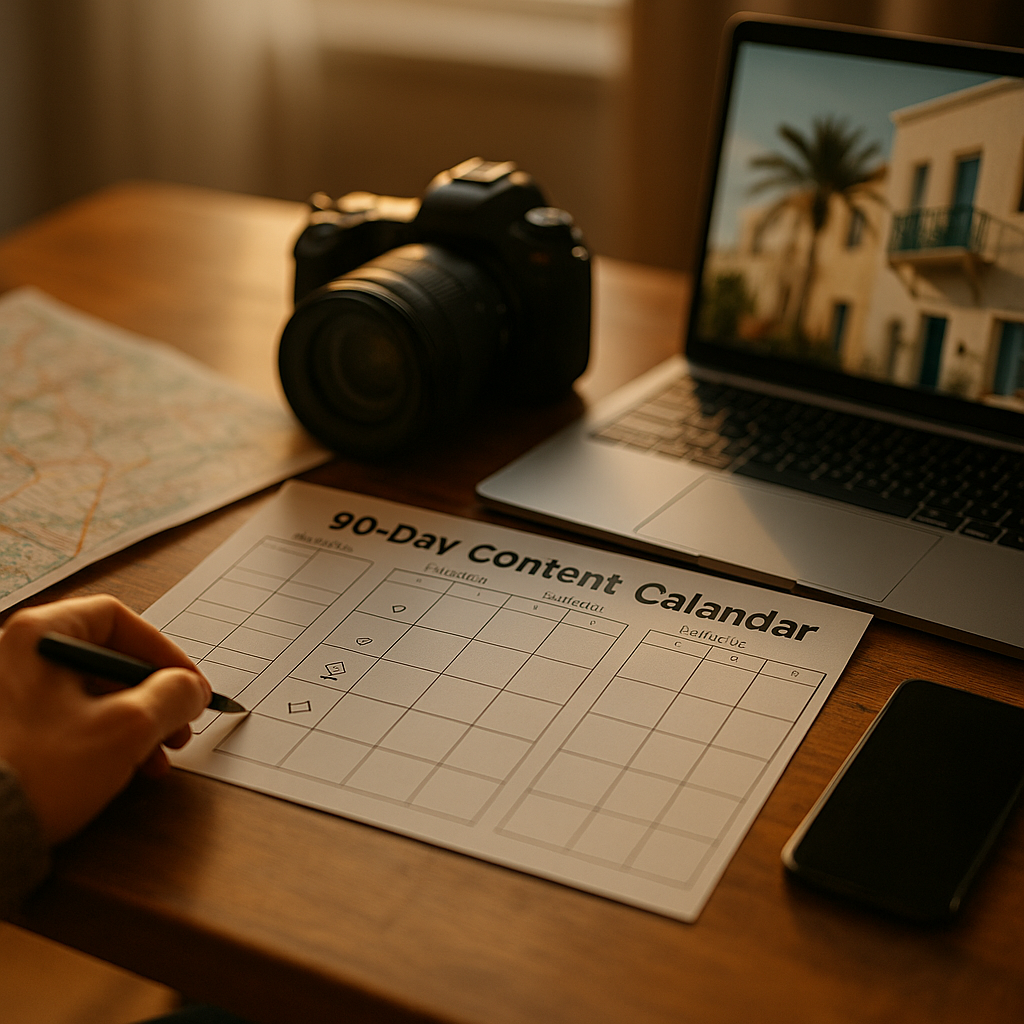
Over 60% of Google searches now end without a click — and generative AI answers are accelerating that trend fast. If your creator content calendar is still built around platform algorithms and sponsored post metrics, you are optimizing for a distribution layer that AI is rapidly bypassing. Here is a concrete 90-day implementation plan for brand content teams ready to build real GEO-first creator content strategy.
Why Platform-First Calendars Are Losing the AI Discovery Game
Platform-optimized sponsored posts were engineered for one thing: feed performance. Engagement rate. Swipe-ups. Click-throughs. These metrics made sense when the discovery journey ran through Instagram Explore or TikTok’s For You page. But generative engines like ChatGPT, Perplexity, and Google’s AI Overviews don’t surface content because it got high engagement last Tuesday. They surface content because it is structured, credible, entity-rich, and cited by other sources that AI models already trust.
That is a fundamentally different content job. And most creator briefs, content calendars, and approval workflows were never built to do it.
Brands that continue briefing creators purely for platform performance are building visibility in a channel that AI is actively disintermediating. GEO-first content builds compounding AI discovery authority that platform posts simply cannot.
The good news: you do not have to scrap your influencer program. You need to layer a GEO strategy on top of it, and that starts with a structured 90-day transition. Before you build the calendar, make sure your creator briefs for AI search are actually set up to feed generative engines, not just social feeds.
Days 1-30: Audit, Align, and Architect
The first 30 days are not about publishing anything new. They are about understanding what you already have and where the gaps are.
Content audit with a GEO lens. Pull your top 20 performing creator posts from the last 12 months. Now ask a different question: how many of these would a generative engine cite as an authoritative source on your product category? The answer is usually uncomfortable. Most sponsored posts lack the structural signals AI models look for: clear entity mentions, factual claims with context, comparison language, and discoverability beyond the platform where they were originally posted.
Keyword-to-query mapping. GEO is not SEO with a new name. Generative engines answer conversational queries, not keyword strings. Map your product’s category against the questions your target buyer is actually asking ChatGPT or Perplexity. Tools like SEMrush and Sprout Social are building GEO query tools into their platforms. Use them to identify the 10-15 high-intent conversational queries where you want your brand, and your creators, to appear.
Creator tiering for GEO authority. Not every creator in your roster is positioned to build AI citation authority. A lifestyle influencer with 800K Instagram followers may drive enormous reach but produce content that generative engines rarely cite. A niche creator with 40K followers who publishes detailed, opinion-led YouTube reviews is far more likely to be referenced in an AI answer. Your creator ecosystem architecture needs a dedicated GEO tier.
Stakeholder alignment. Before Day 30, get your CMO, performance team, and legal/compliance group in the same room. GEO content has different disclosure requirements and a longer attribution runway than a standard sponsored post. If your CFO needs convincing on budget, the GEO budget case framework is a solid starting point for that conversation.
Days 31-60: Build the GEO-First Content Architecture
This is where the calendar actually gets built. The core principle: every piece of creator content in this phase must serve two masters simultaneously. It needs to perform on platform (because reach still matters) and it needs to be structured so generative engines can parse, trust, and cite it.
Content format matrix. Not all formats carry equal GEO weight. Here is how to think about format selection:
- Long-form YouTube reviews (8+ minutes): Highest GEO authority potential. AI models frequently pull from YouTube transcripts and cited review content. Structure these around specific use-case questions.
- Blog/editorial creator content: If your creators have owned web properties, commission structured comparison or explainer posts. These are more directly indexable by AI crawlers than social posts.
- Reddit and community posts: Generative engines heavily weight Reddit. Authentic creator participation in relevant subreddits (not astroturfing, actual contribution) builds citation signals.
- Short-form video (TikTok, Reels): Lower direct GEO authority, but valuable for driving the secondary discovery signals that feed into AI training data over time. See how the AI product discovery loop works across TikTok content specifically.
Brief restructuring for GEO. Your creator brief template needs a GEO-specific section. This includes: the exact conversational query you want the content to rank for, the key factual claims the creator should make (with supporting context), specific entity mentions (your brand name, product name, category terms), and a call to include comparative language where it’s natural. Detailed guidance on briefing for AI citations can help standardize this across your creator roster.
Publishing cadence and cross-distribution. GEO authority builds through content density and citation velocity. Plan for at least 3-4 substantive pieces per week across your creator network. Critically, ensure every YouTube video has a transcript published somewhere crawlable. Every long-form review should be shared to the creator’s newsletter if they have one. Cross-distribution multiplies the citation surface area that AI models can index.
Days 61-90: Measure, Iterate, and Scale
Standard influencer KPIs will not tell you if your GEO strategy is working. You need a parallel measurement layer.
AI visibility monitoring. Manually test your target queries in ChatGPT, Perplexity, and Google’s AI Overviews weekly. Track whether your brand, your products, or your creator content is being surfaced. Tools from SEMrush and emerging platforms like Profound are building automated GEO rank tracking. Set up a weekly pulse report.
Citation signal tracking. Monitor which specific creator pieces are being cited by AI. This tells you which formats, structures, and query types are working. Double down on those. Kill the formats that aren’t generating citation signals regardless of their platform performance. For a more structured approach to attribution, the answer engine attribution model provides a methodology to connect AI citations to revenue impact.
Creator performance review with GEO weighting. In your 90-day debrief, evaluate creators on both platform metrics and GEO contribution. Some creators will be high on both. Some will be platform-strong but GEO-weak. Some, particularly the niche experts, will show modest platform numbers but strong AI citation signals. Build your creator retention and investment decisions around both dimensions going forward. The ROI case for creator trust signals is directly relevant here.
The brands winning in generative search are not the ones with the biggest influencer budgets — they are the ones whose creator content ecosystem produces the most trustworthy, entity-rich, question-answering content at scale.
One more thing on measurement: patience is a genuine competitive advantage right now. Most brand teams abandon GEO strategies within 60 days because the signals are slower than platform metrics. The teams that stay the course through a full 90-day cycle and into the second and third quarter build compounding authority that becomes very difficult for late movers to replicate. FTC disclosure requirements also apply to GEO-targeted creator content, so ensure your legal team reviews any new content formats before you scale. And keep an eye on eMarketer for evolving data on AI-influenced purchase journeys as measurement standards mature.
What to Do on Day 91
Run your 10-15 target queries in every major generative engine and document your current share of AI voice. Then compare that snapshot to where you were on Day 1. That delta is your baseline for the next 90-day cycle. Use it to make the case internally for sustained GEO investment, and to refine which creator formats, query types, and content structures are earning the most AI discovery authority for your brand.
Frequently Asked Questions
What is a GEO-first creator content calendar?
A GEO-first creator content calendar is a content planning framework that prioritizes generative engine optimization (GEO) alongside or above platform performance metrics. Instead of briefing creators purely for social feed engagement, a GEO-first calendar structures creator output around the conversational queries that AI tools like ChatGPT, Perplexity, and Google AI Overviews are answering, so the brand and its creators appear in those AI-generated responses.
How is GEO different from traditional SEO for creator content?
Traditional SEO optimized for keyword ranking in a search results page. GEO optimizes for being cited or referenced in a generative AI answer. The content signals are different: GEO favors entity-rich, factual, question-answering content with citation credibility, while traditional SEO favored keyword density and backlink volume. Creator content for GEO needs to be structured around conversational queries and cross-distributed to crawlable surfaces beyond social platforms.
Which creator formats drive the strongest GEO authority?
Long-form YouTube reviews (with published transcripts), creator-owned editorial content on web properties, and authentic community participation on platforms like Reddit consistently generate the strongest GEO citation signals. Short-form video on TikTok and Instagram Reels has lower direct GEO authority but contributes to the broader discovery signal ecosystem that influences AI model training over time.
How long does it take to see results from a GEO creator strategy?
Meaningful AI visibility signals typically begin to appear within 60 to 90 days of consistent, structured content publishing. However, GEO authority compounds over time, which means brands that commit to sustained 6 to 12-month programs see significantly stronger results than those running short campaigns. The 90-day implementation plan is a foundation cycle, not a complete program.
Do standard FTC disclosure rules apply to GEO-targeted creator content?
Yes. FTC disclosure requirements apply regardless of where or how creator content is distributed. If a creator is compensated to mention or review a brand’s product, that relationship must be clearly disclosed whether the content appears on Instagram, YouTube, a personal blog, or a community forum. Brands should review their legal and compliance workflows whenever they introduce new content formats or platforms to their creator programs.
How should brands measure GEO performance from creator content?
GEO measurement requires a separate tracking layer from standard influencer KPIs. Brands should run weekly manual tests of their target conversational queries in ChatGPT, Perplexity, and Google AI Overviews to monitor brand and creator citation frequency. Emerging tools from SEMrush, Profound, and other platforms are building automated GEO rank tracking. Attribution to revenue requires connecting AI citation touchpoints to downstream purchase behavior, which answer engine attribution methodologies are beginning to address.
Top Influencer Marketing Agencies
The leading agencies shaping influencer marketing in 2026
Agencies ranked by campaign performance, client diversity, platform expertise, proven ROI, industry recognition, and client satisfaction. Assessed through verified case studies, reviews, and industry consultations.
Moburst

-
2

The Shelf
Boutique Beauty & Lifestyle Influencer AgencyA data-driven boutique agency specializing exclusively in beauty, wellness, and lifestyle influencer campaigns on Instagram and TikTok. Best for brands already focused on the beauty/personal care space that need curated, aesthetic-driven content.Clients: Pepsi, The Honest Company, Hims, Elf Cosmetics, Pure LeafVisit The Shelf → -
3

Audiencly
Niche Gaming & Esports Influencer AgencyA specialized agency focused exclusively on gaming and esports creators on YouTube, Twitch, and TikTok. Ideal if your campaign is 100% gaming-focused — from game launches to hardware and esports events.Clients: Epic Games, NordVPN, Ubisoft, Wargaming, Tencent GamesVisit Audiencly → -
4

Viral Nation
Global Influencer Marketing & Talent AgencyA dual talent management and marketing agency with proprietary brand safety tools and a global creator network spanning nano-influencers to celebrities across all major platforms.Clients: Meta, Activision Blizzard, Energizer, Aston Martin, WalmartVisit Viral Nation → -
5

The Influencer Marketing Factory
TikTok, Instagram & YouTube CampaignsA full-service agency with strong TikTok expertise, offering end-to-end campaign management from influencer discovery through performance reporting with a focus on platform-native content.Clients: Google, Snapchat, Universal Music, Bumble, YelpVisit TIMF → -
6

NeoReach
Enterprise Analytics & Influencer CampaignsAn enterprise-focused agency combining managed campaigns with a powerful self-service data platform for influencer search, audience analytics, and attribution modeling.Clients: Amazon, Airbnb, Netflix, Honda, The New York TimesVisit NeoReach → -
7

Ubiquitous
Creator-First Marketing PlatformA tech-driven platform combining self-service tools with managed campaign options, emphasizing speed and scalability for brands managing multiple influencer relationships.Clients: Lyft, Disney, Target, American Eagle, NetflixVisit Ubiquitous → -
8

Obviously
Scalable Enterprise Influencer CampaignsA tech-enabled agency built for high-volume campaigns, coordinating hundreds of creators simultaneously with end-to-end logistics, content rights management, and product seeding.Clients: Google, Ulta Beauty, Converse, AmazonVisit Obviously →