


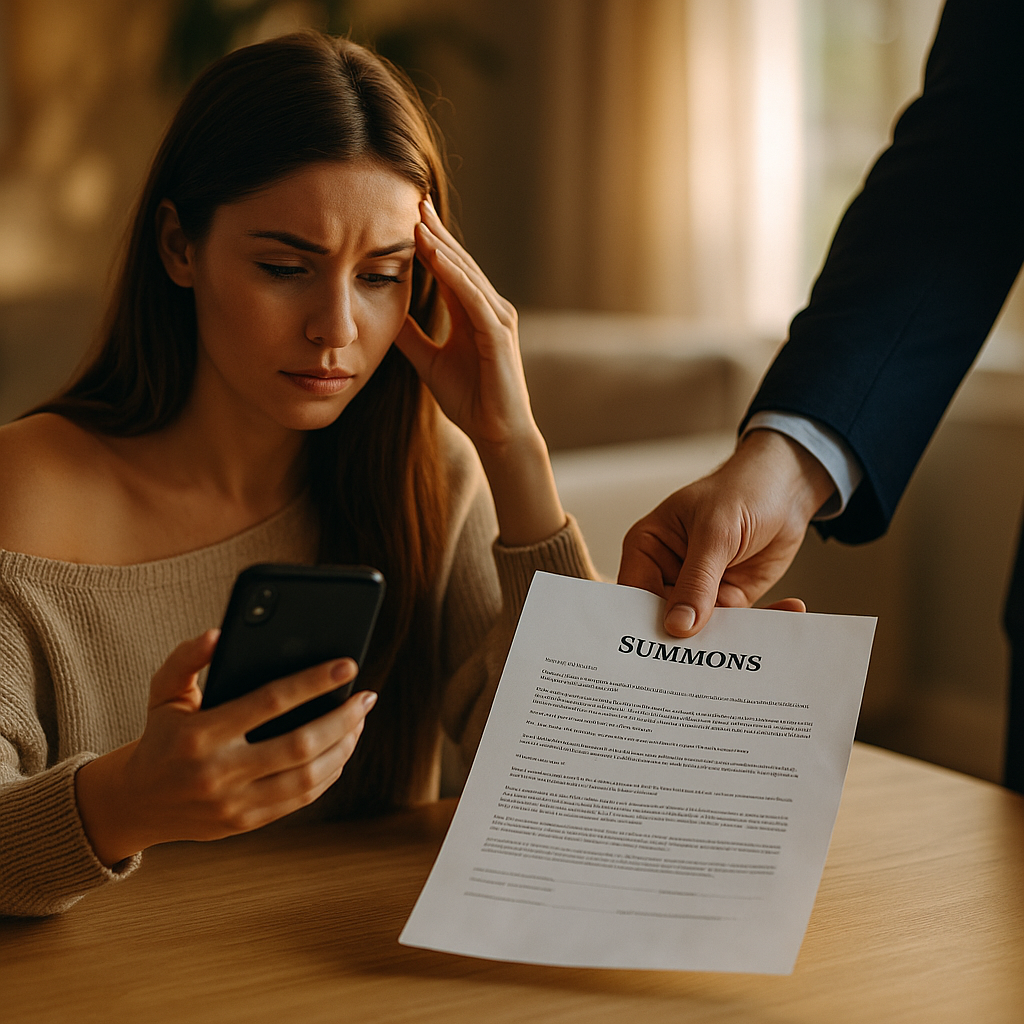
The legal ramifications of an influencer failing to disclose a material connection are increasingly significant in 2025, as regulations tighten and consumer trust becomes paramount. Understanding your disclosure obligations matters more than ever before—and knowing the potential consequences can mean the difference between career growth and costly penalties. What’s really at risk when disclosures fall short?
Understanding Material Connection in Influencer Marketing
A material connection refers to any relationship between an influencer and a brand that could affect the credibility of the influencer’s endorsement. According to the United States Federal Trade Commission (FTC), this can include payments, free products, affiliate links, discounts, or even familial ties. In 2025, regulators worldwide require that influencers be transparent about these relationships to uphold consumer protection standards.
Brands may actively collaborate with influencers or provide perks in exchange for promotional content. The key point for legal compliance is whether the relationship—regardless of its form—could impact an average consumer’s perception of the endorsement. Influencers must understand that both direct and indirect material benefits must be openly disclosed within every relevant post, video, stream, or story.
Consequences of Failing to Disclose: Legal Penalties for Influencers
The legal penalties for not disclosing sponsorships or material connections can be substantial. In the United States and many other countries, failing to disclose constitutes a deceptive practice under consumer protection law. The FTC, for instance, has the authority to:
- Issue cease and desist orders
- Impose civil fines amounting to tens of thousands of dollars per violation
- Mandate corrective disclosures and formal apologies
- Publicly name violators, causing reputational harm
Recent cases in 2025 highlight increased enforcement, with agencies in Europe and Asia issuing similar penalties. In some instances, influencers have faced bans on certain platforms or the requirement to undergo corrective training. Brands that collaborate with undisclosed influencers also risk legal claims and civil liabilities, amplifying the risk for everyone involved in a campaign.
How Non-Disclosure Impacts Influencer and Brand Reputation
The impact of non-disclosure on reputation cannot be overstated. Consumers in 2025 are highly attuned to transparent online behavior. Data from GlobalWebIndex indicates 87% of digital audiences consider trustworthy recommendations a key factor in purchase decisions. When an influencer fails to disclose a material connection, audiences may feel misled, leading to loss of followers, negative press, and diminished engagement.
From the brand perspective, collaboration with non-compliant influencers can lead to public relations crises and lasting damage to brand equity. Companies may face boycotts or #adfail viral moments—further underlining the importance of robust compliance procedures. Both parties risk eroding hard-earned digital trust if proper disclosure practices are neglected.
Requirements and Best Practices for Disclosure in 2025
Robust disclosure requirements for influencers are the norm in 2025. Regulations emphasize clarity, placement, and timeliness:
- Clarity: Disclosures must use unambiguous language (“Paid partnership with [Brand]” or “Ad”).
- Placement: Disclosures must be placed up front, visible before the endorsement begins—never buried in hashtags or long captions.
- Platform-Specific Rules: Each platform—Instagram, TikTok, YouTube, and others—may have distinct compliance requirements (such as built-in disclosure tools or specific wordings).
- Global Consistency: Influencers with international audiences must comply with the strictest relevant laws, often defaulting to the most consumer-protective standard.
Both influencers and brands are advised to maintain documentation of their disclosure practices and agreements. Many successful creators have adopted standardized disclosure templates as part of their brand or channel policies, ensuring consistency and legal compliance.
How to Respond If You Fail to Disclose a Material Connection
If an influencer discovers they failed to disclose a paid relationship, taking corrective action is essential to minimize legal and reputational fallout:
- Immediate Correction: Edit the post or content to add a conspicuous disclosure. If not possible, publish a corrective statement as soon as you become aware of the omission.
- Notify the Brand: Communicate with the partnering brand to coordinate a unified, transparent response if necessary.
- Document Remediation: Keep records of actions taken for compliance purposes.
- Consult a Legal Expert: For serious or repeated failures, get legal guidance to navigate agency communications or potential regulatory actions.
Quick, honest remediation can sometimes reduce or even avoid penalties, especially if you demonstrate commitment to ongoing compliance. Most importantly, it helps rebuild trust with your audience.
Preventing Problems: Training and Legal Support for Influencers
Many influencers and agencies now invest in influencer legal training to stay ahead of evolving regulations. Top industry organizations offer workshops, webinars, and certification programs covering global consumer protection laws. A few steps to build a culture of compliance:
- Stay current with legal developments in influencer marketing.
- Work with legal professionals to draft clear contracts with explicit disclosure requirements.
- Implement regular training for creators, managers, and agency staff.
- Use compliance checklists before publishing any sponsored content.
Proactive steps not only protect against costly missteps, but also signal your professionalism to both brands and audiences, setting you apart in a competitive digital landscape.
Conclusion
In 2025, the legal ramifications of an influencer failing to disclose a material connection include potential fines, lawsuits, and reputational harm, impacting both creators and brands. Transparent, up-front disclosures remain non-negotiable—prioritize compliance so your influence builds trust, not liabilities.
FAQs: Legal Ramifications of Failing to Disclose Material Connections
-
What counts as a material connection in influencer marketing?
Any relationship that could affect how consumers weigh an influencer’s endorsement—such as payments, free gifts, trips, or family/business ties—counts as a material connection and must be disclosed.
-
Are affiliate links considered a material connection?
Yes. Sharing affiliate links where you earn a commission if someone makes a purchase is a material connection and requires disclosure.
-
What happens if I forget to disclose a partnership?
Failure to disclose can lead to fines, mandatory corrections, damaged reputation, and even bans from platforms. Immediate remediation—such as editing the post and notifying affected parties—can help limit consequences.
-
Do brands share liability if an influencer fails to disclose?
Yes. Brands collaborating with influencers may be held responsible for non-compliance. Both parties are generally expected to ensure proper disclosure under current regulations.
-
How often should I use disclosure statements?
Disclosures should appear in every instance where there is a sponsored relationship or material benefit, on every platform and every piece of content, in a clear and upfront manner.
Top Influencer Marketing Agencies
The leading agencies shaping influencer marketing in 2026
Agencies ranked by campaign performance, client diversity, platform expertise, proven ROI, industry recognition, and client satisfaction. Assessed through verified case studies, reviews, and industry consultations.
Moburst

-
2

The Shelf
Boutique Beauty & Lifestyle Influencer AgencyA data-driven boutique agency specializing exclusively in beauty, wellness, and lifestyle influencer campaigns on Instagram and TikTok. Best for brands already focused on the beauty/personal care space that need curated, aesthetic-driven content.Clients: Pepsi, The Honest Company, Hims, Elf Cosmetics, Pure LeafVisit The Shelf → -
3

Audiencly
Niche Gaming & Esports Influencer AgencyA specialized agency focused exclusively on gaming and esports creators on YouTube, Twitch, and TikTok. Ideal if your campaign is 100% gaming-focused — from game launches to hardware and esports events.Clients: Epic Games, NordVPN, Ubisoft, Wargaming, Tencent GamesVisit Audiencly → -
4

Viral Nation
Global Influencer Marketing & Talent AgencyA dual talent management and marketing agency with proprietary brand safety tools and a global creator network spanning nano-influencers to celebrities across all major platforms.Clients: Meta, Activision Blizzard, Energizer, Aston Martin, WalmartVisit Viral Nation → -
5

The Influencer Marketing Factory
TikTok, Instagram & YouTube CampaignsA full-service agency with strong TikTok expertise, offering end-to-end campaign management from influencer discovery through performance reporting with a focus on platform-native content.Clients: Google, Snapchat, Universal Music, Bumble, YelpVisit TIMF → -
6

NeoReach
Enterprise Analytics & Influencer CampaignsAn enterprise-focused agency combining managed campaigns with a powerful self-service data platform for influencer search, audience analytics, and attribution modeling.Clients: Amazon, Airbnb, Netflix, Honda, The New York TimesVisit NeoReach → -
7

Ubiquitous
Creator-First Marketing PlatformA tech-driven platform combining self-service tools with managed campaign options, emphasizing speed and scalability for brands managing multiple influencer relationships.Clients: Lyft, Disney, Target, American Eagle, NetflixVisit Ubiquitous → -
8

Obviously
Scalable Enterprise Influencer CampaignsA tech-enabled agency built for high-volume campaigns, coordinating hundreds of creators simultaneously with end-to-end logistics, content rights management, and product seeding.Clients: Google, Ulta Beauty, Converse, AmazonVisit Obviously →