


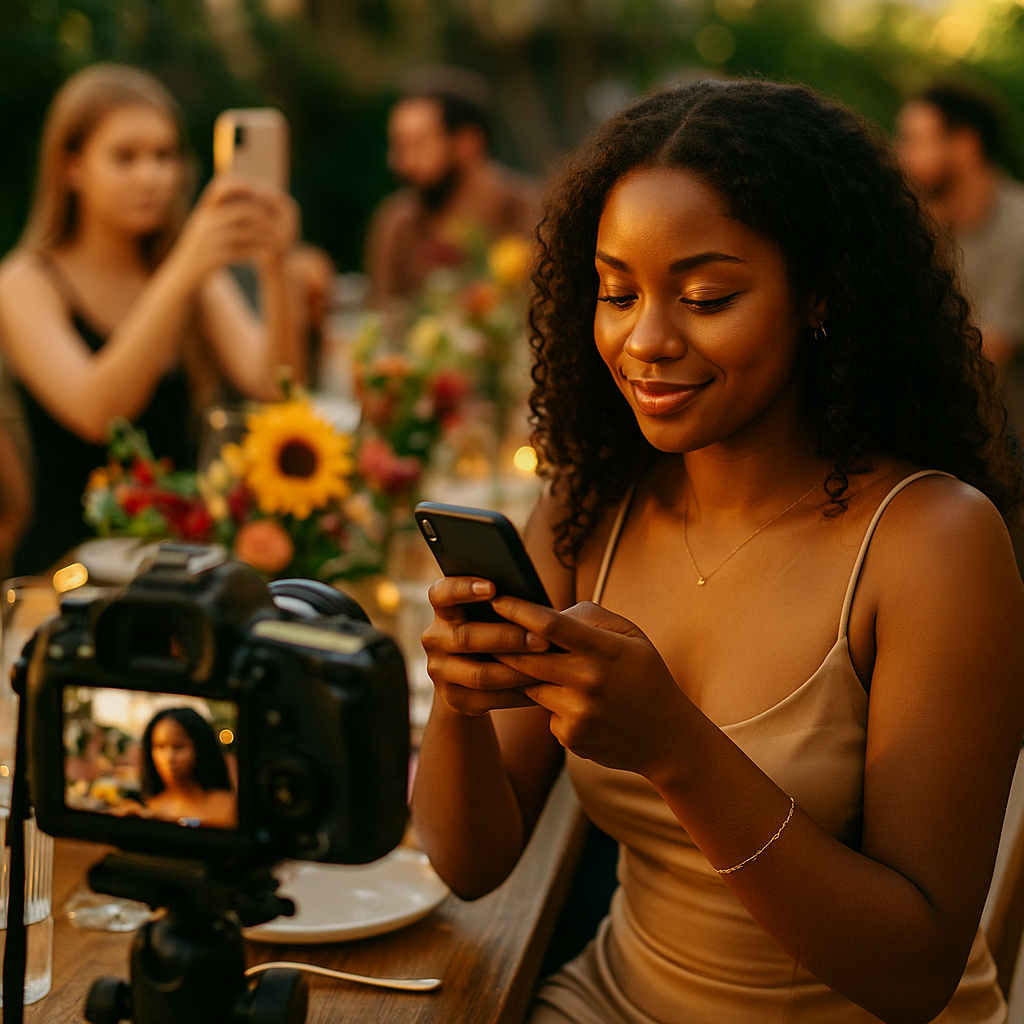
Organizing an influencer event with high attendance but low social engagement can leave marketing teams reconsidering their strategies. This post-mortem aims to analyze what went wrong, unpack common pitfalls, and unearth data-driven solutions for boosting ROI. Discover how to transform your next influencer campaign from just crowded to buzzworthy—starting with a smarter approach.
Analyzing High Attendance Versus Low Engagement: Influencer Event Insights
It’s easy to measure an event’s success by simply counting attendees. In 2025, influencer marketing budgets are still rising, with global markets projected to reach $24 billion. Yet, stellar headcounts don’t always translate to digital impact. A disconnect between physical turnout and online activity suggests issues with content resonance, targeting, or on-site execution.
High attendance may reflect robust invite lists and incentives, but low social engagement—manifested in minimal hashtags, mentions, or shares—indicates missed opportunities for digital amplification. According to recent Sprout Social data, audience engagement rates for branded events dropped 7% last quarter, underscoring the importance of integrated on-site and online strategies.
Understanding the root causes behind these trends can turn disappointing metrics into valuable learning experiences for event planners and marketers alike.
Identifying the Engagement Gap: Metrics and Red Flags
Diagnosing an engagement gap requires a granular look at event analytics. Standard metrics for influencer events include:
- Hashtag usage and share-of-voice on event day
- Mentions and branded story tags
- User-generated content volume
- Impressions versus reach
- Engagement ratios on sponsored influencer posts (likes, comments, reshares, saves)
Red flags appear when:
- Photos and stories are sparse in guest feeds
- Event hashtags trend lower than competitor events
- Sponsored posts receive less than 2% average engagement rate
Data from Klear in early 2025 showed that events failing to offer “Instagrammable moments” saw 60% lower digital shares. If attendance is high but these digital footprints are scant, the event’s real-world impact is not transferring to wider online audiences.
Root Causes: Why Social Engagement Falls Short Despite Attendance
Several factors can dampen social sharing, even at sold-out influencer gatherings:
- Content Fatigue: Frequent attendees tire of similar event formats and décor. In 2025, influencer audiences crave unique, immersive environments over basic step-and-repeats.
- Ambiguous or Uninspiring Call-to-Action: If the reason to post isn’t clear, influencers and guests have little incentive to generate branded content.
- Poor On-Site Connectivity: Slow Wi-Fi or low mobile data coverage can discourage live posting, diminishing the event’s real-time buzz.
- Mismatched Influencer-Brand Fit: Inviting influencers whose followers don’t align with the event’s core message can result in lackluster engagement.
- Timing Conflicts: If an event coincides with industry launches or holidays, even big-name attendees may hold off on posting to avoid competing content.
According to Influencer Marketing Hub’s 2025 trend report, relevance and authenticity are now the strongest predictors of social action, outranking follower counts or exclusive invites. Neglecting this can doom even the most crowded event to digital irrelevance.
Best Practices to Boost Social Engagement at Influencer Events
Recovering from poor event engagement means planning with EEAT (Experience, Expertise, Authoritativeness, Trustworthiness) front and center. Here’s how to supercharge your next influencer gathering:
- Create Shareable “Wow” Moments: Invest in visually striking installations and interactive experiences. For example, AR backdrops or personalized swag stations encourage organic shares.
- Align the Influencer Roster: Curate invite lists based on authentic alignment with your brand’s values and campaign objectives—not just follower tallies.
- Clear Calls-To-Action: Provide guests with easy-to-follow instructions, custom hashtags, and prompts. Incentivize posting through contests or exclusive access for those who share in real time.
- Enable Seamless Connectivity: Ensure robust Wi-Fi and on-site technical support to remove barriers to live sharing and streaming.
- Post-Event Engagement: Encourage continued discussion by sharing behind-the-scenes content, follow-up challenges, or Q&A sessions once the event concludes.
Following these tactics ensures that influencer event success is reflected both in venue foot traffic and on social platforms, maximizing your investment.
Case Studies: Learning from Influencer Events in 2025
Consider two contrasting 2025 events:
Event Alpha: Hosted over 200 high-profile creators but underscored lack of engagement with only 30 public hashtagged posts and negligible post-event buzz. Key missteps included generic experiences and unclear posting prompts.
Event Beta: Welcomed fewer (85) but highly relevant industry voices. Custom AR installations generated over 2,000 unique tagged shares, propelling campaign reach by 160% versus previous efforts. Event Beta succeeded thanks to content originality and a precise influencer-brand match.
Takeaway: Prioritizing experience quality and meaningful partnerships drives greater digital returns than event size alone.
Action Plan: Steps for Future Event Success
If you’re planning a 2025 influencer event and want to replicate digital success, commit to this actionable plan:
- Pre-Event
- Define crystal-clear objectives for social engagement.
- Audit past event performance for lessons learned.
- Select influencers based on audience affinity and content style.
- Design share-worthy features with input from creators.
- During Event
- Offer live briefings to clarify promotional asks.
- Monitor real-time analytics to adjust as needed.
- Spotlight top posts and encourage participation with live leaderboards.
- Post-Event
- Prompt follow-up posts with exclusive recaps or bonus content.
- Feature attendee-generated content across brand channels.
- Survey attendees to gather feedback and insights for continuous improvement.
This structured approach sharpens both strategy and execution, ensuring that engagement keeps pace with attendance.
FAQs: Post-Mortem on Influencer Events with Low Engagement
-
Why did my influencer event have so many attendees but little social activity?
High attendance does not guarantee engagement. Content fatigue, unclear incentives for posting, mismatched influencer rosters, or technical issues like poor connectivity often deter even enthusiastic guests from sharing.
-
How do I get influencers to post more about my event?
Offer interactive, visually compelling experiences and clear reasons for sharing. Use targeted invitations, custom hashtags, and provide posting prompts, while eliminating technical barriers to encourage real-time sharing.
-
What’s the best metric to assess event success in 2025?
Focus on engagement rate (likes, comments, shares per post) in addition to reach and attendance. Tracking UGC volume and hashtag usage reveals true impact beyond headcount.
-
Should I prioritize influencer follower count or brand alignment?
Brand alignment and audience relevance are more powerful than sheer follower count. Collaborating with influencers whose values match your brand drives more authentic, effective engagement.
-
How can I encourage post-event continued engagement?
Share event highlights, thank you posts, behind-the-scenes content, and engage in direct conversations with attendees on social. Consider exclusive post-event perks for those who contribute quality content.
High event turnout loses value if digital engagement lags behind. By diagnosing the disconnect, elevating on-site experiences, and targeting the right influencers, marketers can ensure future events drive both crowd energy and social media buzz. Embrace data and creativity to secure meaningful results every time.
Top Influencer Marketing Agencies
The leading agencies shaping influencer marketing in 2026
Agencies ranked by campaign performance, client diversity, platform expertise, proven ROI, industry recognition, and client satisfaction. Assessed through verified case studies, reviews, and industry consultations.
Moburst

-
2

The Shelf
Boutique Beauty & Lifestyle Influencer AgencyA data-driven boutique agency specializing exclusively in beauty, wellness, and lifestyle influencer campaigns on Instagram and TikTok. Best for brands already focused on the beauty/personal care space that need curated, aesthetic-driven content.Clients: Pepsi, The Honest Company, Hims, Elf Cosmetics, Pure LeafVisit The Shelf → -
3

Audiencly
Niche Gaming & Esports Influencer AgencyA specialized agency focused exclusively on gaming and esports creators on YouTube, Twitch, and TikTok. Ideal if your campaign is 100% gaming-focused — from game launches to hardware and esports events.Clients: Epic Games, NordVPN, Ubisoft, Wargaming, Tencent GamesVisit Audiencly → -
4

Viral Nation
Global Influencer Marketing & Talent AgencyA dual talent management and marketing agency with proprietary brand safety tools and a global creator network spanning nano-influencers to celebrities across all major platforms.Clients: Meta, Activision Blizzard, Energizer, Aston Martin, WalmartVisit Viral Nation → -
5

The Influencer Marketing Factory
TikTok, Instagram & YouTube CampaignsA full-service agency with strong TikTok expertise, offering end-to-end campaign management from influencer discovery through performance reporting with a focus on platform-native content.Clients: Google, Snapchat, Universal Music, Bumble, YelpVisit TIMF → -
6

NeoReach
Enterprise Analytics & Influencer CampaignsAn enterprise-focused agency combining managed campaigns with a powerful self-service data platform for influencer search, audience analytics, and attribution modeling.Clients: Amazon, Airbnb, Netflix, Honda, The New York TimesVisit NeoReach → -
7

Ubiquitous
Creator-First Marketing PlatformA tech-driven platform combining self-service tools with managed campaign options, emphasizing speed and scalability for brands managing multiple influencer relationships.Clients: Lyft, Disney, Target, American Eagle, NetflixVisit Ubiquitous → -
8

Obviously
Scalable Enterprise Influencer CampaignsA tech-enabled agency built for high-volume campaigns, coordinating hundreds of creators simultaneously with end-to-end logistics, content rights management, and product seeding.Clients: Google, Ulta Beauty, Converse, AmazonVisit Obviously →