


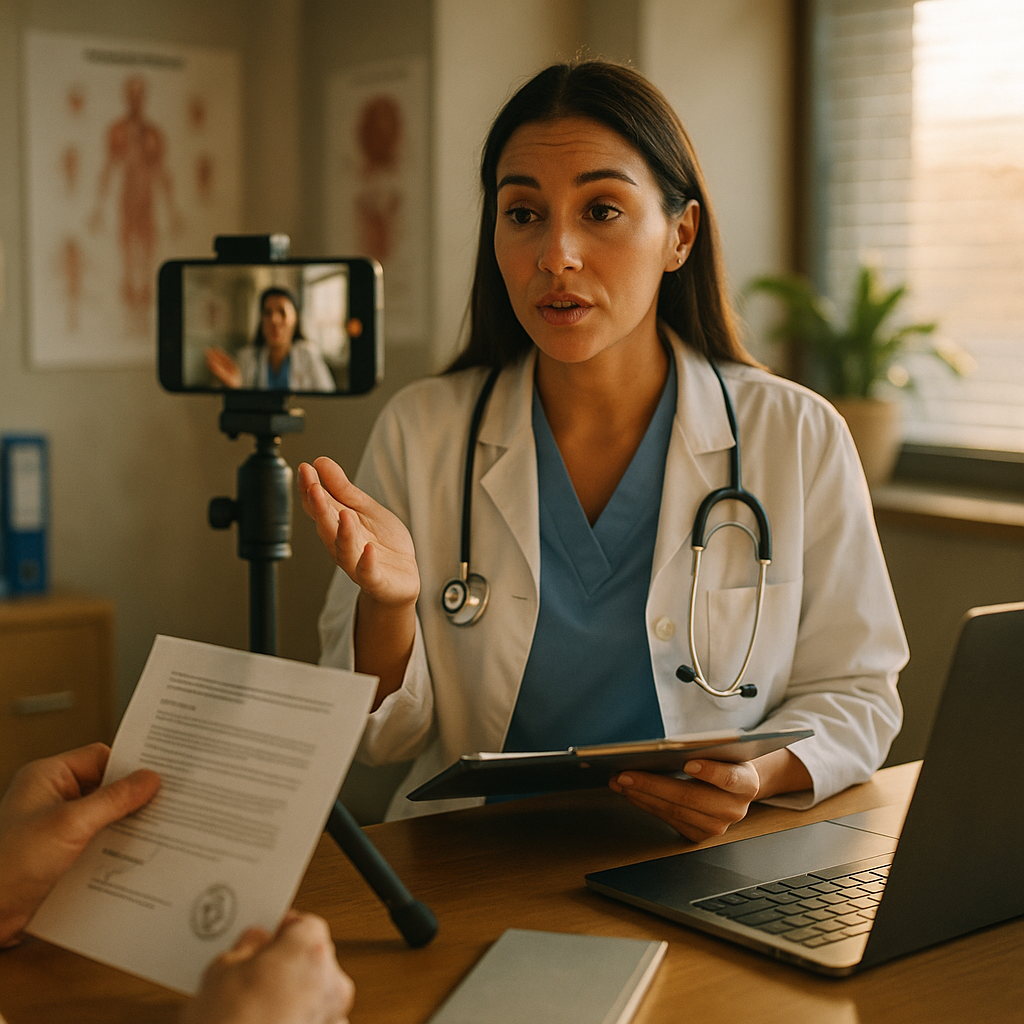
Influencer marketing for highly regulated industries like pharma and healthcare is evolving rapidly in 2025. Companies must navigate strict rules while authentically reaching audiences. Wondering how your brand can leverage influencers effectively and compliantly? Follow this essential playbook, packed with best practices, to build trust, ensure compliance, and achieve powerful results in your next campaign.
Understanding Influencer Marketing Compliance in Pharma and Healthcare
Compliance is the cornerstone of influencer marketing in healthcare and pharma sectors. Unlike other industries, pharmaceutical firms must adhere to stringent regulations by bodies like the FDA, EMA, and country-specific authorities. Every claim requires substantiation, and even personal experiences shared online can count as promotional communication.
Brands and influencers must:
- Disclose partnerships transparently using appropriate hashtags such as #ad or #sponsored.
- Avoid off-label promotion: Only approved indications, dosages, and uses can be mentioned by influencers.
- Fact-check all claims: Influencers should share only verified, evidence-backed information.
- Document processes: Keep detailed records of campaign content, reviews, and publishing permissions.
Post-pandemic, regulatory bodies have increased enforcement of social media promotion rules, so missteps can have serious legal and reputational repercussions.
Building Trust: Selecting the Right Healthcare Influencers
Choosing credible healthcare influencers is vital for both regulatory and brand trust. Rather than high-follower celebrities, today’s top picks are often medical professionals, patient advocates, or experienced caregivers with strong followings among target patient groups.
- Check credentials: Prioritize licensed professionals or patient ambassadors with a proven advocacy record.
- Assess content quality: Quality, frequency, and accuracy of past posts reflect an influencer’s professionalism.
- Verify audience demographics: Ensure the influencer’s followers align with your medication or device’s approved patient population.
- Evaluate engagement: Genuine, meaningful interactions outweigh mere numbers.
According to Sermo’s 2025 influencer report, micro- and nano-influencers in healthcare consistently deliver 64% higher engagement rates than industry averages, building community and trust.
Crafting Compliant and Impactful Influencer Campaigns
Success in regulated industries hinges on campaigns that balance creativity with compliance. Every message must be accurate, unambiguous, and in line with product labeling. Here’s your compliance playbook for campaign creation:
- Provide clear guidelines: Share detailed instructions with influencers—approved claims, mandatory safety information, and common pitfalls to avoid.
- Review and pre-approve content: Require drafts for pre-publication medical/legal/regulatory (MLR) review.
- Include risk disclosures: All product mentions must be accompanied by clear side-effect and safety language, presented in a user-friendly format.
- Monitor in real time: Track influencer posts and community feedback to address any off-label comments or inaccurate user inquiries quickly.
- Ensure proper archiving: Save all content and conversations, in case of audit or regulatory requests.
Remember, in 2025, even ephemeral Stories or Reels are under regulatory scrutiny and must adhere to promotion rules.
Leveraging Authenticity: Storytelling and Patient Advocacy
Authentic, transparent storytelling connects more deeply with today’s healthcare audiences. Peer-to-peer recommendations and real-life narratives are influential, but they need ethical framing and regulatory clarity.
- Empower patient advocates: Patients sharing genuine experiences help destigmatize conditions. However, all personal stories must be vetted for accuracy and include required legal disclaimers.
- Encourage HCP education: Healthcare professionals (HCPs) can educate audiences on disease awareness, prevention, or general health tips—without veering into product-specific claims unless compliant.
- Stay transparent: Always disclose any sponsorship or material relationship between the influencer and the brand.
- Promote two-way dialogue: Responding to questions in comments or DMs builds trust, but ensure responses are handled by trained, compliant teams.
Brands thrive when influencers feel empowered to share, but within parameters that safeguard patient welfare and corporate integrity.
Measuring ROI and Compliance in Healthcare Influencer Marketing
Evaluating influencer marketing for highly regulated industries means more than counting likes. Proof of compliance is as important as proof of ROI. Establish a dual measurement approach:
- Compliance KPIs: Track disclosures, MLR review compliance rates, adverse event reporting, and audit readiness.
- Performance metrics: Monitor engagement rate, reach, click-throughs, sentiment, visits to branded safety websites, and off-label queries.
- Patient Support Outcomes: Analyze impact on medication adherence, support program enrollments, and patient education.
- Brand trust and reputation: Investigate healthcare provider feedback, peer mentions, and overall sentiment analysis.
New AI tools, now widely used in pharma marketing, make real-time content and compliance tracking easier than ever, reducing regulatory risk and improving campaign outcomes.
Top Trends in Pharma Influencer Marketing for 2025
The pharma and healthcare influencer space is experiencing exciting trends that enhance both compliance and audience connection:
- AI-powered vetting: Automated tools to assess influencer backgrounds, monitor post accuracy, and flag non-compliant content.
- Omnichannel integration: Coordinating influencer content across social and digital health platforms—within approved boundaries—for broader impact.
- Rise of physician creators: Doctors, pharmacists, and nurses are leading digital health education across TikTok, Instagram, and LinkedIn.
- Long-term ambassador programs: Brands are forming ongoing collaborations with select influencers for deeper relationships and tighter compliance controls.
- Increased focus on community-driven content: Patient communities, support groups, and advocacy organizations are key nodes in the influencer ecosystem.
Embrace these innovations to ensure your campaigns stay compliant and relevant in today’s evolving regulatory and digital landscape.
Conclusion: Influencer Marketing for Highly Regulated Industries—Your Strategic Advantage
Influencer marketing for highly regulated industries can drive awareness, trust, and patient support—if managed with rigorous compliance and authenticity. In 2025, the right strategy, partners, and content review processes help brands reach audiences safely and meaningfully. Follow this playbook, adapt to regional regulations, and turn compliance into your unique advantage in digital healthcare marketing.
FAQs: Influencer Marketing in Pharma and Healthcare
-
Is influencer marketing really allowed in the pharmaceutical industry in 2025?
Yes, but strict regulatory frameworks apply. Influencer content must adhere to local and international pharma advertising laws, including full disclosure, approved messaging, and patient safety information.
-
Who are the best influencers for pharma and healthcare campaigns?
Medical professionals, verified patient advocates, and seasoned caregivers with engaged, relevant audiences are ideal—focus on quality and trust rather than celebrity alone.
-
What should be included in influencer campaign guidelines?
Required claims, prohibited topics (especially off-label uses), safety information, disclosure protocols, content review instructions, and adverse event reporting steps.
-
How can pharma brands stay compliant on fast-moving social platforms?
Use automated post-screening tools, detailed pre-approval processes, real-time monitoring, and ongoing influencer education. Even temporary content like Stories needs to be compliant and archived.
-
Can real patient stories be used?
Yes, but stories must be vetted, risk disclosures included, and all claims factual. Personal experiences cannot replace scientific evidence or promote unapproved uses.
-
What’s the most common compliance mistake?
Forgetting to include mandatory risk/safety disclosures or failing to pre-approve content before publication. Both can prompt regulatory action or fines.
Top Influencer Marketing Agencies
The leading agencies shaping influencer marketing in 2026
Agencies ranked by campaign performance, client diversity, platform expertise, proven ROI, industry recognition, and client satisfaction. Assessed through verified case studies, reviews, and industry consultations.
Moburst

-
2

The Shelf
Boutique Beauty & Lifestyle Influencer AgencyA data-driven boutique agency specializing exclusively in beauty, wellness, and lifestyle influencer campaigns on Instagram and TikTok. Best for brands already focused on the beauty/personal care space that need curated, aesthetic-driven content.Clients: Pepsi, The Honest Company, Hims, Elf Cosmetics, Pure LeafVisit The Shelf → -
3

Audiencly
Niche Gaming & Esports Influencer AgencyA specialized agency focused exclusively on gaming and esports creators on YouTube, Twitch, and TikTok. Ideal if your campaign is 100% gaming-focused — from game launches to hardware and esports events.Clients: Epic Games, NordVPN, Ubisoft, Wargaming, Tencent GamesVisit Audiencly → -
4

Viral Nation
Global Influencer Marketing & Talent AgencyA dual talent management and marketing agency with proprietary brand safety tools and a global creator network spanning nano-influencers to celebrities across all major platforms.Clients: Meta, Activision Blizzard, Energizer, Aston Martin, WalmartVisit Viral Nation → -
5

The Influencer Marketing Factory
TikTok, Instagram & YouTube CampaignsA full-service agency with strong TikTok expertise, offering end-to-end campaign management from influencer discovery through performance reporting with a focus on platform-native content.Clients: Google, Snapchat, Universal Music, Bumble, YelpVisit TIMF → -
6

NeoReach
Enterprise Analytics & Influencer CampaignsAn enterprise-focused agency combining managed campaigns with a powerful self-service data platform for influencer search, audience analytics, and attribution modeling.Clients: Amazon, Airbnb, Netflix, Honda, The New York TimesVisit NeoReach → -
7

Ubiquitous
Creator-First Marketing PlatformA tech-driven platform combining self-service tools with managed campaign options, emphasizing speed and scalability for brands managing multiple influencer relationships.Clients: Lyft, Disney, Target, American Eagle, NetflixVisit Ubiquitous → -
8

Obviously
Scalable Enterprise Influencer CampaignsA tech-enabled agency built for high-volume campaigns, coordinating hundreds of creators simultaneously with end-to-end logistics, content rights management, and product seeding.Clients: Google, Ulta Beauty, Converse, AmazonVisit Obviously →