


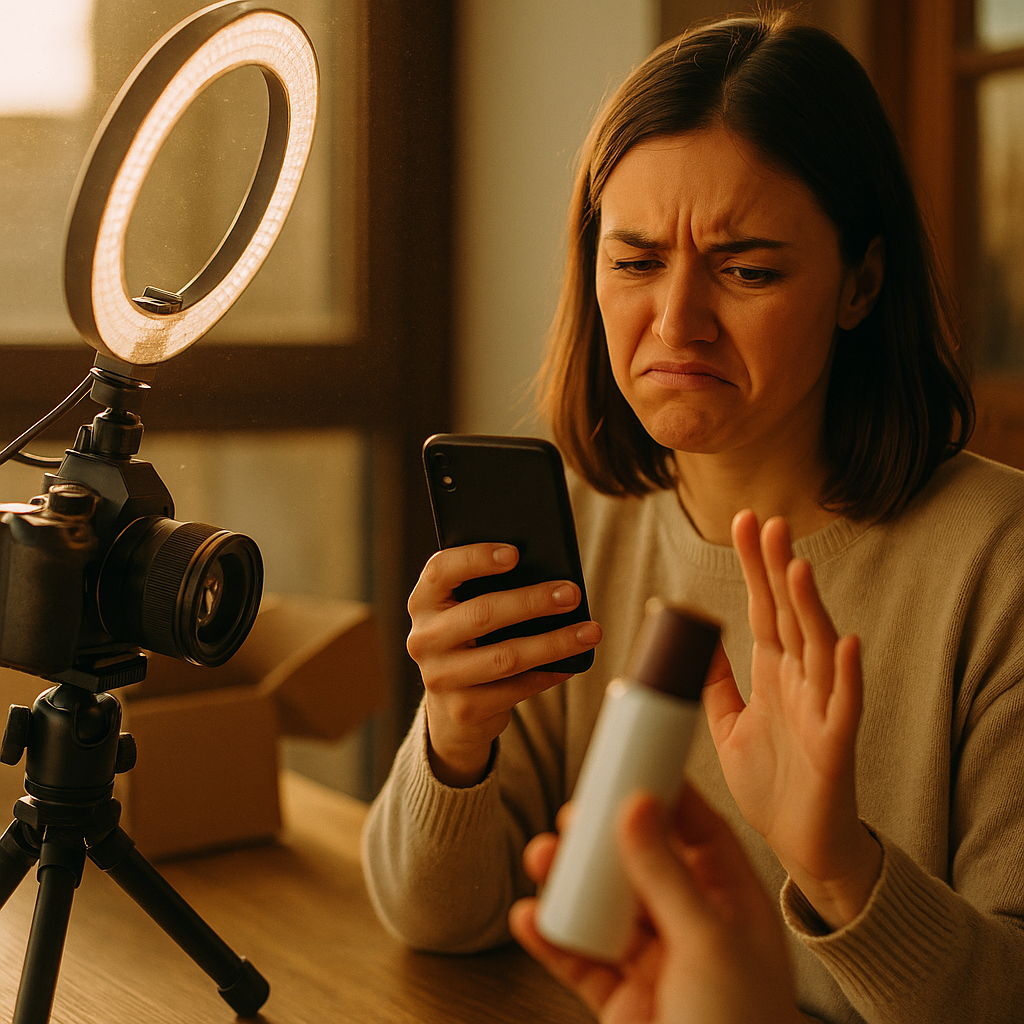
Launching a new product can be a defining moment for any brand, but when negative influencer feedback steals the show, results can spiral. This post-mortem explores how unplanned critiques by digital personalities can derail product launches, offering crucial insights for 2025. How can brands recover, rebuild trust, and future-proof their marketing strategies?
Understanding Negative Influencer Feedback in Product Launches
Influencer marketing has transformed how brands introduce products to the market. Using personalities with sizable followings creates excitement ahead of launch. However, when influencer reactions turn sour, their audience often follows suit, and credibility can crumble fast. In 2025, as consumers follow influencers more than ever, their candid feedback carries heightened authority.
Negative influencer feedback typically ranges from honest criticism to outright public disapproval. Unlike traditional reviews, these comments are immediate and broadcast to dedicated followers, amplifying the message far beyond a single platform. When influential voices point out product flaws or misaligned values, potential customers may hesitate to buy, and media attention multiplies concerns even further.
Case Breakdown: How Negative Influencer Feedback Derailed the Launch Event
Consider a hypothetical 2025 launch of a new consumer tech device. The brand orchestrated a major rollout, investing heavily in online campaigns and exclusive previews for top-tier influencers. Early reactions, however, unveiled significant performance bugs and a disappointing user experience. A leading tech reviewer posted an in-depth critique video, highlighting these issues in front of an audience of over two million subscribers.
Within hours, competitor brands and news outlets picked up on the feedback. Social conversations shifted rapidly from excitement to skepticism. The brand’s hashtag trended, but for reasons out of their control—users flooded comment sections with concerns. The product’s app store ratings dropped and refund requests surged. Instead of the intended buzz, the launch became a cautionary tale.
The Ripple Effect: Assessing Impact and Consumer Trust
In the digital age, consumer trust is won and lost in real time. According to a 2025 consumer trust survey, 81% of buyers say they’re less likely to purchase a new product if negatively reviewed by someone they follow online. In this scenario, even loyalists reconsidered their purchase after seeing respected influencers express doubts or negative experiences.
The long-term impact extended beyond sales numbers. Retailer relationships suffered as inventory became hard to move. Negative reviews dominated search engines, and the brand’s share price took a hit. Lost credibility can take months, or even years, to rebuild. This case confirms that influencer voices often outweigh even the most polished marketing campaigns when trust is at stake.
Identifying Key Mistakes: Where the Launch Strategy Failed
Several critical errors contributed to the derailed launch. First, insufficient product testing resulted in issues that the brand overlooked, but influencers immediately identified. Second, the launch team chose influencers for reach instead of relevance and authenticity, meaning their reactions carried unexpected weight with target buyers.
Another oversight: the crisis response was too slow. The brand initially disregarded influencer feedback as isolated incidents. By the time they issued a statement and rolled out updates, public sentiment had shifted. In 2025, digital audiences expect immediate, proactive engagement when problems surface—radio silence appears evasive and risks further backlash.
Recovery Tactics: Rebuilding Brand Reputation and Trust
Recovering from such a setback requires a multifaceted approach. Brands must assess and admit to any product shortcomings transparently. In this instance, the company launched a public bug-fix roadmap, posted regular updates on their progress, and provided affected buyers with compensation options.
Most importantly, the brand invited critical influencers to participate in improvement sessions. By collaborating on future fixes, the company signaled respect for influencer expertise and a commitment to meeting audience expectations. Over time, honest dialogue helped repair some trust, and several influencers even revisited the product to cover enhancements made.
- Transparent communication: Address concerns openly on flagship channels.
- Swift technical resolutions: Prioritize bug fixes and announce updates.
- Proactive influencer engagement: Turn critics into collaborators.
- Customer compensation: Offer refunds, upgrades, or exclusive deals to early adopters.
Prevention Strategies: Future-Proofing Product Launches in 2025
The lessons learned from this loss provide a framework for safer launches going forward. Product development must now include robust beta testing—including sessions with trusted influencers—prior to public release. Their early, private feedback can reveal blind spots and foster goodwill.
Additionally, partnership selection is crucial. Brands should align with influencers genuinely invested in the product category to ensure credible reactions. Crisis readiness plans are essential: assign teams to monitor and respond to online feedback instantly. Finally, establishing long-term influencer relationships, rather than transactional campaigns, gives brands more balanced coverage and a path to genuine brand advocacy.
Conclusion
Negative influencer feedback can swiftly derail even the most ambitious product launches. By learning from these challenges, brands in 2025 must embrace transparent communication, collaborative improvement, and vigilant influencer engagement to survive—and thrive—in the age of digital word-of-mouth.
FAQs: Navigating Influencer Feedback in Product Launches
-
How can brands quickly respond to negative influencer feedback?
Designate crisis response teams and provide them with protocols for direct, transparent communication with both influencers and the public. Acknowledge concerns, outline next steps, and offer real solutions—silence or vague statements risk further backlash.
-
What criteria should brands use when choosing influencers for launches?
Look for influencers whose expertise and audience align with your product, and prioritize authentic engagement over sheer follower numbers. Previous brand collaborations, tone, and transparency are paramount for positive outcomes.
-
How can product teams mitigate risks before launch?
Host private beta tests with a mix of target customers and selected influencers. Use their feedback to guide improvements and iron out issues before they become public controversies.
-
Is it effective to collaborate with critical influencers post-launch?
Yes, involving critics in improvement initiatives shows respect and a willingness to learn, turning skeptics into potential advocates. Their revised coverage following updates can help shift public sentiment.
-
How important is public compensation after a negative launch?
Compensation (refunds, exchanges, or exclusive offers) signals accountability and preserves long-term customer trust. Proactive gestures demonstrate that the brand values buyer experiences, softening reputational damage.
Top Influencer Marketing Agencies
The leading agencies shaping influencer marketing in 2026
Agencies ranked by campaign performance, client diversity, platform expertise, proven ROI, industry recognition, and client satisfaction. Assessed through verified case studies, reviews, and industry consultations.
Moburst

-
2

The Shelf
Boutique Beauty & Lifestyle Influencer AgencyA data-driven boutique agency specializing exclusively in beauty, wellness, and lifestyle influencer campaigns on Instagram and TikTok. Best for brands already focused on the beauty/personal care space that need curated, aesthetic-driven content.Clients: Pepsi, The Honest Company, Hims, Elf Cosmetics, Pure LeafVisit The Shelf → -
3

Audiencly
Niche Gaming & Esports Influencer AgencyA specialized agency focused exclusively on gaming and esports creators on YouTube, Twitch, and TikTok. Ideal if your campaign is 100% gaming-focused — from game launches to hardware and esports events.Clients: Epic Games, NordVPN, Ubisoft, Wargaming, Tencent GamesVisit Audiencly → -
4

Viral Nation
Global Influencer Marketing & Talent AgencyA dual talent management and marketing agency with proprietary brand safety tools and a global creator network spanning nano-influencers to celebrities across all major platforms.Clients: Meta, Activision Blizzard, Energizer, Aston Martin, WalmartVisit Viral Nation → -
5

The Influencer Marketing Factory
TikTok, Instagram & YouTube CampaignsA full-service agency with strong TikTok expertise, offering end-to-end campaign management from influencer discovery through performance reporting with a focus on platform-native content.Clients: Google, Snapchat, Universal Music, Bumble, YelpVisit TIMF → -
6

NeoReach
Enterprise Analytics & Influencer CampaignsAn enterprise-focused agency combining managed campaigns with a powerful self-service data platform for influencer search, audience analytics, and attribution modeling.Clients: Amazon, Airbnb, Netflix, Honda, The New York TimesVisit NeoReach → -
7

Ubiquitous
Creator-First Marketing PlatformA tech-driven platform combining self-service tools with managed campaign options, emphasizing speed and scalability for brands managing multiple influencer relationships.Clients: Lyft, Disney, Target, American Eagle, NetflixVisit Ubiquitous → -
8

Obviously
Scalable Enterprise Influencer CampaignsA tech-enabled agency built for high-volume campaigns, coordinating hundreds of creators simultaneously with end-to-end logistics, content rights management, and product seeding.Clients: Google, Ulta Beauty, Converse, AmazonVisit Obviously →