


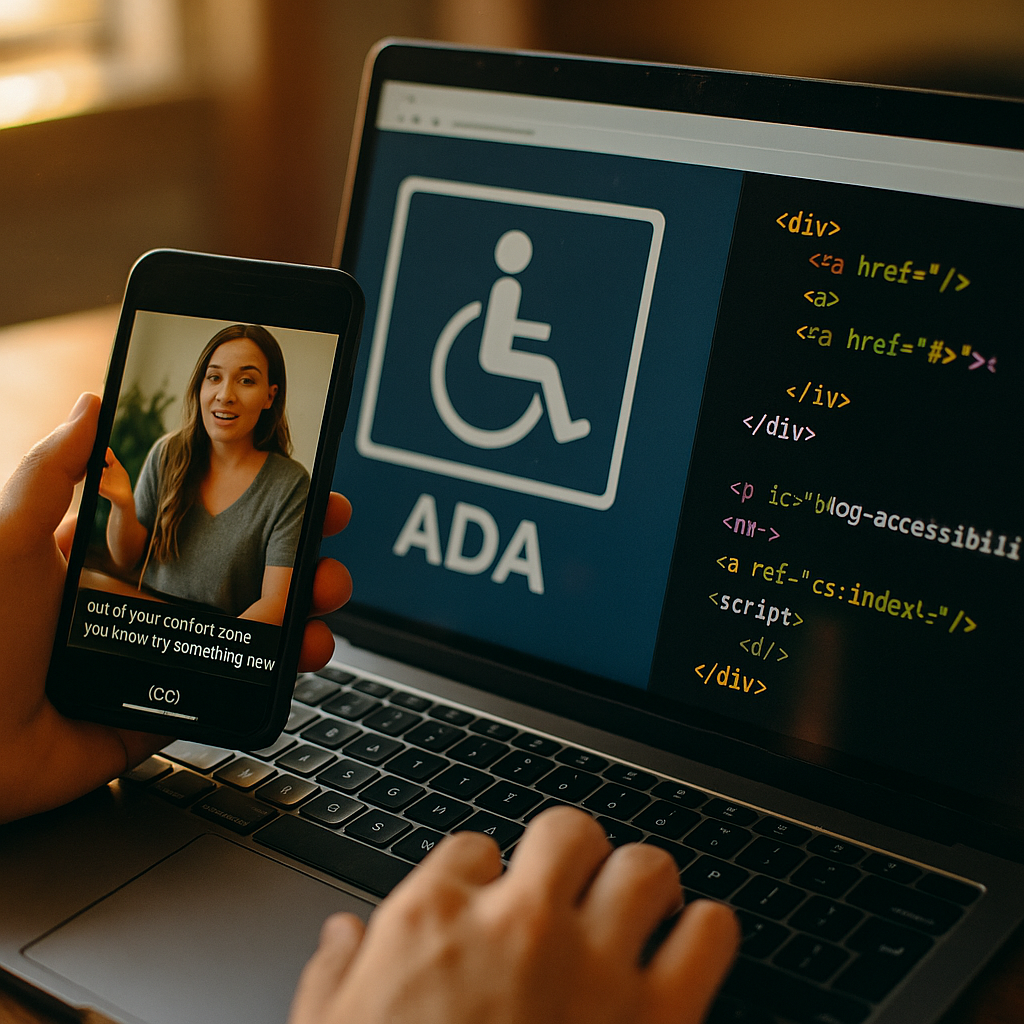
ADA compliance is essential for brands aiming to build accessible websites and influencer content. Ensuring ADA compliance protects your business and opens doors to wider audiences. In this guide, discover clear, actionable steps to meet ADA requirements and create a more inclusive digital presence—one that fosters brand loyalty and minimizes legal risks.
What Is ADA Compliance and Why Does It Matter?
The Americans with Disabilities Act (ADA) mandates that businesses provide equal access and opportunity, including digital platforms like websites and social media content. This isn’t just about meeting regulations; ADA compliance expands your audience and demonstrates your brand’s commitment to equality. Recent data shows 1 in 4 U.S. adults lives with a disability, underscoring the importance of digital accessibility.
Non-compliance can result in costly lawsuits, reputational damage, and lost customers. With 2025 bringing greater attention to digital accessibility, brands must prioritize inclusive web design and content creation now to stay ahead and foster trust among all users.
Key Regulations Shaping Website Accessibility in 2025
Understanding the regulations is critical for ensuring ADA compliant websites. The ADA requires “places of public accommodation,” which includes most business websites, to be accessible to people with physical, visual, hearing, and cognitive disabilities. In 2025, the Department of Justice continues to reference the Web Content Accessibility Guidelines (WCAG) 2.1 AA as the accepted industry standard for accessibility.
- WCAG 2.1 AA standards: Covers text alternatives for images, keyboard navigation, color contrast, captions, transcripts, and more.
- Section 508: U.S. federal law mandating accessibility of electronic communications; many corporations use these guidelines for best practices.
- State privacy and access laws: Some states have unique accessibility requirements in addition to federal standards, making local compliance vital.
Keep regulations in mind as you plan and update your website and influencer content. Staying compliant not only helps users but also protects your brand from legal action and bolsters your credibility among all audiences.
Designing an ADA Compliant Website: Best Practices
ADA compliant website design is applied at both the code and user interface levels. To provide full access, brands should focus on the following:
- Ensure screen reader compatibility: Use semantic HTML, proper heading structure, and ARIA (Accessible Rich Internet Applications) labels so assistive technologies can interpret content.
- Add alternative text to images: Every image should include descriptive alt text. This helps users with visual impairments understand your visuals.
- Provide captions and transcripts for media: All video and audio content must have accurate captions and downloadable transcripts for users with hearing impairments.
- Use sufficient color contrast: Text and background colors should meet contrast standards so content is legible for users with low vision and color blindness.
- Enable full keyboard navigation: Ensure users can navigate all features, forms, and menus using only the keyboard, not a mouse.
- Test and remediate regularly: Use accessibility checkers—such as WAVE or Axe—and conduct periodic audits, ideally involving users with disabilities for feedback.
When updating your website, integrate accessibility from the start rather than making retroactive fixes. This saves time and reduces risk while enhancing usability for everyone.
Creating ADA Compliant Influencer Content
ADA compliance extends to influencer content, including social media posts, sponsored collaborations, and videos. Influencers—as representatives of your brand—should follow these guidelines to ensure all followers can engage with your message:
- Caption all video content: Always include captions or subtitles in videos, both in-feed and Stories, for audiences with hearing loss.
- Describe visual elements: Offer alt text or, if unavailable, include descriptive text within posts outlining images, memes, and visual elements.
- Limit flashing content: Avoid or warn users about rapidly flashing images or animations, which can trigger seizures or migraines.
- Use accessible hashtags: Utilize CamelCase (capitalizing the first letter of each word) in hashtags for improved readability by assistive technologies. Example: #InfluencerMarketingTips
- Ensure readable fonts and color contrast: Opt for legible fonts and avoid placing text directly over busy backgrounds.
Empower your influencers with accessibility checklists and ongoing support. Clear guidelines ensure all branded content not only complies with ADA standards but also expands your brand’s reach and impact.
Common ADA Compliance Mistakes and How to Avoid Them
Many brands unintentionally fall short of ADA compliance due to oversight or misunderstanding. Recognizing and addressing the most frequent mistakes can save your business time and potential legal costs. Here are top pitfalls and solutions:
- Missing alt text: Failing to provide alt text for images makes visual content inaccessible. Train all content creators on writing effective alt attributes.
- Inaccessible forms: Complex forms without label tags or proper tab order prevent users from completing actions. Test every form with keyboard-only navigation.
- Poor color contrast: Using light gray text on a white background hinders readability. Use online tools to check and adjust color contrast ratios.
- Uncaptioned videos: Auto-play or embedded videos often lack captions. Always review for closed captioning before publishing.
- Overlooking PDFs and downloads: Downloadable files must also be accessible—use tagged PDFs and test in screen readers.
Regular training, a designated accessibility lead, and ongoing audits will help your brand stay on track with ADA compliance.
Tools and Resources to Achieve ADA Accessibility
Several reliable tools and resources are available to guide brands toward full ADA compliance in 2025. Leveraging these not only simplifies compliance but also demonstrates diligence to stakeholders and customers.
- Automated testing tools: WAVE, Axe, and Lighthouse quickly scan web pages for common accessibility issues and offer actionable suggestions.
- Manual audits: Engage accessibility experts for in-depth reviews, including user testing with people with disabilities for real-world feedback.
- Official guidelines: Stay updated with the WCAG and ADA resources. Bookmark the Department of Justice’s accessibility guidance.
- Content creation checklists: Develop routines and checklists for marketers and influencers to follow on every campaign.
- Accessibility plug-ins: Consider tools that add features for font resizing, color contrast, and screen reader support, but don’t rely solely on overlays—manual compliance is still necessary.
Building a culture of accessibility will future-proof your brand, enhance user experience, and position you as an industry leader in inclusivity.
FAQs About ADA Compliance for Website and Influencer Content
-
Who needs to follow ADA compliance online?
Any business or influencer with a public-facing website or digital content should follow ADA compliance rules. This includes e-commerce, service providers, and all who publish sponsored or branded online content.
-
Are social media posts covered by ADA regulations?
Yes. Influencer and brand social media content should be accessible, including captions for videos and descriptive image text. Many platforms now provide built-in accessibility features to support this.
-
How often should we audit our website for ADA compliance?
Audit your website and content at least annually, or whenever you roll out significant updates. Regular checks help catch evolving issues as technologies and legal standards advance.
-
Can I be sued for not having an accessible website?
Yes. ADA-related lawsuits over digital accessibility continue to rise in 2025, making proactive compliance both a legal and business imperative.
-
Do overlays alone make my website compliant?
No. Overlays can help, but full ADA compliance requires manual updates and adherence to WCAG guidelines. Combine automated tools with expert audits for comprehensive coverage.
ADA compliance for your brand’s website and influencer content is non-negotiable in 2025. Follow best practices, educate your team, and routinely audit for accessibility. By doing so, you’ll build trust and deliver a seamless digital experience for all customers, strengthening your brand’s reputation and impact.
Top Influencer Marketing Agencies
The leading agencies shaping influencer marketing in 2026
Agencies ranked by campaign performance, client diversity, platform expertise, proven ROI, industry recognition, and client satisfaction. Assessed through verified case studies, reviews, and industry consultations.
Moburst

-
2

The Shelf
Boutique Beauty & Lifestyle Influencer AgencyA data-driven boutique agency specializing exclusively in beauty, wellness, and lifestyle influencer campaigns on Instagram and TikTok. Best for brands already focused on the beauty/personal care space that need curated, aesthetic-driven content.Clients: Pepsi, The Honest Company, Hims, Elf Cosmetics, Pure LeafVisit The Shelf → -
3

Audiencly
Niche Gaming & Esports Influencer AgencyA specialized agency focused exclusively on gaming and esports creators on YouTube, Twitch, and TikTok. Ideal if your campaign is 100% gaming-focused — from game launches to hardware and esports events.Clients: Epic Games, NordVPN, Ubisoft, Wargaming, Tencent GamesVisit Audiencly → -
4

Viral Nation
Global Influencer Marketing & Talent AgencyA dual talent management and marketing agency with proprietary brand safety tools and a global creator network spanning nano-influencers to celebrities across all major platforms.Clients: Meta, Activision Blizzard, Energizer, Aston Martin, WalmartVisit Viral Nation → -
5

The Influencer Marketing Factory
TikTok, Instagram & YouTube CampaignsA full-service agency with strong TikTok expertise, offering end-to-end campaign management from influencer discovery through performance reporting with a focus on platform-native content.Clients: Google, Snapchat, Universal Music, Bumble, YelpVisit TIMF → -
6

NeoReach
Enterprise Analytics & Influencer CampaignsAn enterprise-focused agency combining managed campaigns with a powerful self-service data platform for influencer search, audience analytics, and attribution modeling.Clients: Amazon, Airbnb, Netflix, Honda, The New York TimesVisit NeoReach → -
7

Ubiquitous
Creator-First Marketing PlatformA tech-driven platform combining self-service tools with managed campaign options, emphasizing speed and scalability for brands managing multiple influencer relationships.Clients: Lyft, Disney, Target, American Eagle, NetflixVisit Ubiquitous → -
8

Obviously
Scalable Enterprise Influencer CampaignsA tech-enabled agency built for high-volume campaigns, coordinating hundreds of creators simultaneously with end-to-end logistics, content rights management, and product seeding.Clients: Google, Ulta Beauty, Converse, AmazonVisit Obviously →