


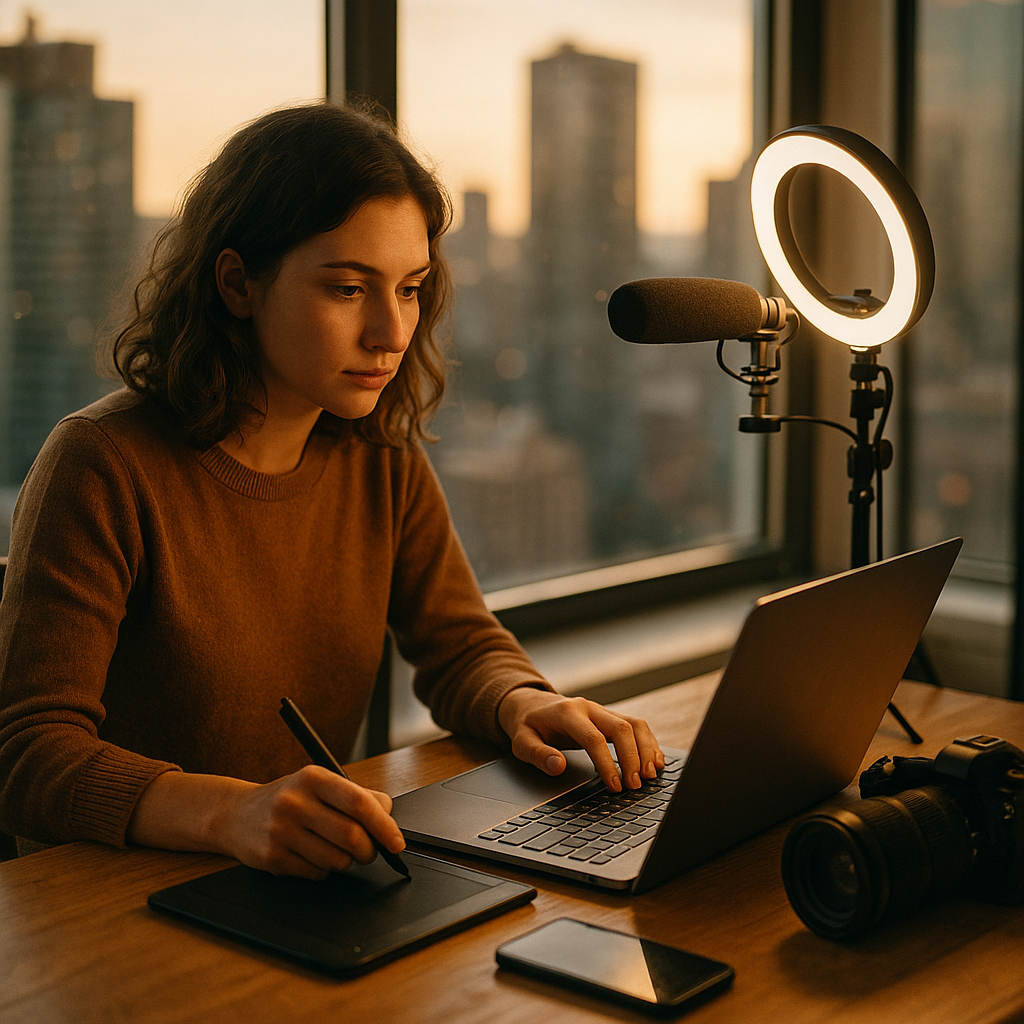
The impact of remote work on the creator economy and brand collaborations has been transformative, defining new norms in digital marketing and online entrepreneurship. In 2025, this shift has empowered both creators and brands to innovate together at a rapid pace. Discover how work-from-anywhere culture is driving fresh opportunities—and challenges—for creative professionals and the brands that partner with them.
The Digital Transformations Advancing the Creator Economy
Remote work, once a necessity, has solidified its role as a cornerstone of the modern creator economy. The digital transformation reshaping our professional lives has unlocked unprecedented flexibility for creators—empowering them to build audiences, monetize content, and collaborate on a global scale from anywhere. According to a 2024 Influencer Marketing Hub survey, over 86% of full-time creators credited remote work with extending their reach and efficiency.
This digital evolution isn’t just about location independence. Cloud-based tools, project management software, and advanced communication platforms allow creators to maintain workflows, manage teams, and scale their businesses. For brands, these advancements mean streamlined partnerships: finding, vetting, and working with niche creators across diverse markets is faster and more transparent than ever.
Benefits of Remote Work for Creators and Brands
Remote work has leveled the playing field for aspiring and established creators. No longer constrained by geography, creators can craft content for cosmopolitan audiences and forge partnerships without the overheads of relocating or traveling. From video editors to social media strategists, teams assemble virtually, cutting production costs and maximizing agility.
For brands, this translates to:
- Broader talent pools: Access to creators worldwide with hyper-local expertise or global appeal.
- Agile campaigns: Brands can respond quickly to cultural trends by collaborating with digital-native creators in real time.
- Cost savings: Reduced logistics and overhead mean marketing budgets stretch further, enabling more campaigns or higher compensation for talent.
L’Oréal’s 2024 global digital campaign is a prime example: the company worked with creators from 12 countries entirely online, reaching over 400 million consumers in just three weeks.
Brand Collaborations in a Remote-First Landscape
The mechanics of brand collaborations have evolved alongside remote work. In 2025, brands are thinking beyond simple product placements; they are co-creating products, digital experiences, and even virtual events with influencers and content creators. This is made possible thanks to smooth, cloud-based collaboration and vetting processes.
Authenticity and relatability now top the list for brands seeking partners. Instead of relying solely on follower counts, brands prioritize shared values and passionate engagement. Many use AI-powered platforms to identify micro- and nano-influencers whose audiences align with their missions, resulting in more meaningful collaborations and higher ROI. Notably, a CreatorIQ study in 2025 showed that nano-influencers drive up to 60% higher engagement rates than their macro counterparts.
Moreover, remote collaborations democratize access. Small brands can now partner with creators worldwide, bypassing old geographical limitations and entering dozens of new markets virtually overnight.
Challenges of Remote Collaboration and How to Overcome Them
While remote work offers clear advantages, it also presents challenges in the creator economy. Common obstacles include communication barriers, time zone differences, and difficulties maintaining creative momentum across screens instead of in-person brainstorming sessions.
To overcome these, successful creators and brands are:
- Investing in the right tech: Leveraging project management platforms like Notion and Asana keeps teams organized and on track.
- Standardizing processes: Documented workflows and content calendars help ensure clear, predictable deliverables regardless of location.
- Focusing on transparent communication: Scheduled check-ins, feedback loops, and clear contracts prevent misunderstandings before they start.
Building and sustaining a collaborative culture remotely demands intentionality and trust, but brands and creators who invest in these areas report fewer project delays and improved satisfaction on both sides.
The Evolving Role of Community and Audience Engagement
Remote work has blurred the line between “work” and “audience.” With creators operating from home offices, studios, or even while traveling, their interactions with fans feel more direct and personal. This transparency builds deeper trust, which in turn benefits collaborating brands.
Communities built around creators are now invaluable marketing assets. Brands leverage these engaged communities by involving them directly in campaign planning—soliciting feedback, co-creating limited-edition goods, or even crowdsourcing product innovation. Data from Sprout Social in 2025 shows that campaigns featuring two-way dialogue between creators and their audiences result in 31% higher conversion rates for brands.
With physical events more frequently augmented by digital meetups, live streams, and interactive Q&A sessions, remote work ensures creators can nurture their communities almost around the clock, encouraging brand loyalty and authentic engagement.
Future Trends: Remote Work Shaping the Creator Economy in 2025 and Beyond
The remote-first model isn’t just a passing trend; it’s shaping the very future of the creator economy and brand collaborations. Expect to see continued:
- Rise of creator collectives: Decentralized groups of creators collaborating across platforms and brands, merging audiences and expertise.
- Integration of AI and automation: From smarter content planning to automating partnership logistics, digital tools will further reduce barriers to entry and increase scale.
- Emphasis on sustainability and well-being: Both brands and creators are prioritizing work-life balance, mental health, and sustainable partnerships that align with audience values.
As more brands embrace remote-first policies, collaborations will become more experimental, diverse, and equitable—laying the groundwork for a dynamic, inclusive digital economy.
FAQs: The Impact of Remote Work on the Creator Economy and Brand Collaborations
-
How has remote work benefitted the creator economy?
Remote work provides creators with flexibility, global reach, and access to powerful digital collaboration tools. It lowers barriers to entry, reduces costs, and enables creators to partner with brands from anywhere, scaling their businesses more efficiently.
-
What are the main challenges of remote brand collaborations?
Communication issues, different time zones, and maintaining creative synergy without in-person interaction are common hurdles. However, these can be mitigated with strong processes, reliable digital tools, and intentional communication strategies.
-
Are remote collaborations less effective than in-person ones?
Not necessarily. In fact, many brands report higher efficiency and broader reach with remote partnerships. The key is leveraging the right technologies and maintaining trust and transparency throughout the process.
-
How do remote creator collaborations impact audience engagement?
Remote work allows creators to interact with their audiences in real time, fostering stronger relationships. Brands that tap into these engaged communities often see improved campaign engagement and better conversion rates.
-
What should brands look for in remote creator partners?
Brands should seek alignment in values, audience demographics, engagement rates, and reliability. Collaborating with micro- or nano-influencers often drives higher engagement, so using AI-powered platforms for vetting is recommended.
The impact of remote work on the creator economy and brand collaborations is profound and enduring. By embracing flexibility, digital tools, and community-centric strategies, both creators and brands can thrive in a dynamic, ever-evolving marketplace. Investing in remote-friendly processes today will define successful collaborations in the digital future.
Top Influencer Marketing Agencies
The leading agencies shaping influencer marketing in 2026
Agencies ranked by campaign performance, client diversity, platform expertise, proven ROI, industry recognition, and client satisfaction. Assessed through verified case studies, reviews, and industry consultations.
Moburst

-
2

The Shelf
Boutique Beauty & Lifestyle Influencer AgencyA data-driven boutique agency specializing exclusively in beauty, wellness, and lifestyle influencer campaigns on Instagram and TikTok. Best for brands already focused on the beauty/personal care space that need curated, aesthetic-driven content.Clients: Pepsi, The Honest Company, Hims, Elf Cosmetics, Pure LeafVisit The Shelf → -
3

Audiencly
Niche Gaming & Esports Influencer AgencyA specialized agency focused exclusively on gaming and esports creators on YouTube, Twitch, and TikTok. Ideal if your campaign is 100% gaming-focused — from game launches to hardware and esports events.Clients: Epic Games, NordVPN, Ubisoft, Wargaming, Tencent GamesVisit Audiencly → -
4

Viral Nation
Global Influencer Marketing & Talent AgencyA dual talent management and marketing agency with proprietary brand safety tools and a global creator network spanning nano-influencers to celebrities across all major platforms.Clients: Meta, Activision Blizzard, Energizer, Aston Martin, WalmartVisit Viral Nation → -
5

The Influencer Marketing Factory
TikTok, Instagram & YouTube CampaignsA full-service agency with strong TikTok expertise, offering end-to-end campaign management from influencer discovery through performance reporting with a focus on platform-native content.Clients: Google, Snapchat, Universal Music, Bumble, YelpVisit TIMF → -
6

NeoReach
Enterprise Analytics & Influencer CampaignsAn enterprise-focused agency combining managed campaigns with a powerful self-service data platform for influencer search, audience analytics, and attribution modeling.Clients: Amazon, Airbnb, Netflix, Honda, The New York TimesVisit NeoReach → -
7

Ubiquitous
Creator-First Marketing PlatformA tech-driven platform combining self-service tools with managed campaign options, emphasizing speed and scalability for brands managing multiple influencer relationships.Clients: Lyft, Disney, Target, American Eagle, NetflixVisit Ubiquitous → -
8

Obviously
Scalable Enterprise Influencer CampaignsA tech-enabled agency built for high-volume campaigns, coordinating hundreds of creators simultaneously with end-to-end logistics, content rights management, and product seeding.Clients: Google, Ulta Beauty, Converse, AmazonVisit Obviously →