


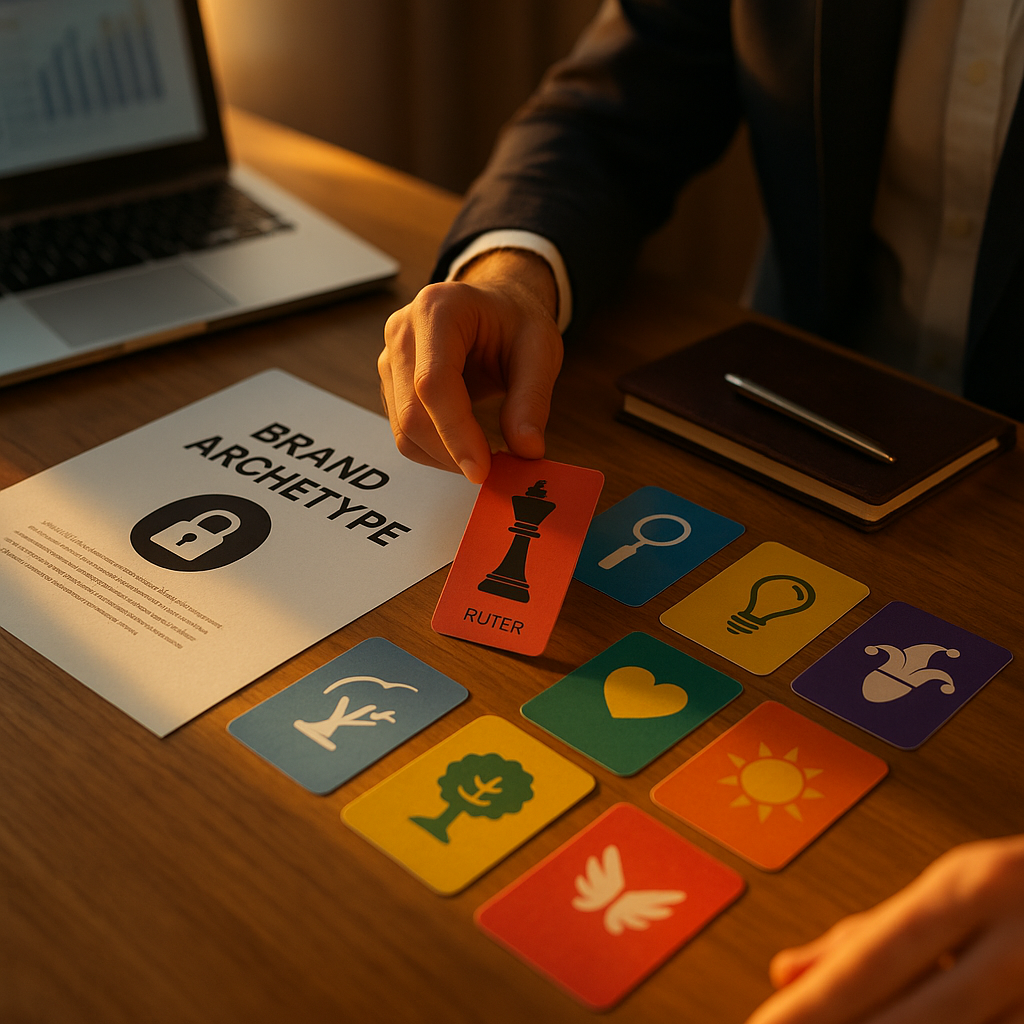
A strong brand archetype is more than a marketing buzzword—it’s a proven strategy for forging deep connections with your audience. By tapping into universal themes and personalities, your business can evoke trust, loyalty, and recognition. Wondering how to harness the power of archetypes for your own brand? Let’s unlock the secrets to resonant branding.
What Is a Brand Archetype? Understanding Brand Personality
The concept of a brand archetype stems from psychologist Carl Jung’s theory that people gravitate toward familiar character types in stories—heroes, caregivers, rulers, and more. Today, businesses leverage these archetypes to develop a brand personality that customers intuitively recognize and relate to.
There are twelve classic archetypes, each reflecting a specific set of values and traits. For instance:
- The Hero: Associated with courage and achievement (think Nike or FedEx).
- The Caregiver: Linked to compassion and nurturing (Johnson & Johnson, UNICEF).
- The Creator: Focused on innovation and imagination (Lego, Adobe).
Choosing an archetype is not just about aesthetics—it defines how you communicate, behave, and solve problems, forming a consistent brand personality. This is essential for businesses hoping to cultivate lasting relationships and stand out in the marketplace.
Building Emotional Connections with Audience Engagement
Effective audience engagement relies on emotional resonance. According to a 2024 Edelman Trust Barometer report, 68% of consumers expect brands to take a stand that reflects their beliefs. Brand archetypes offer a shortcut to these expectations by personifying values to which audiences are already attuned.
Archetypal branding fosters emotional bonds by:
- Making your brand instantly recognizable and relatable
- Giving audiences a reason to care about your story
- Establishing trust through consistent messaging and visuals
- Evoking specific emotions—security from a Caregiver brand, excitement from an Explorer, etc.
By linking these emotions to your products or services, you encourage loyal, enthusiastic customers who feel truly understood.
Developing Trust Through Consistent Brand Messaging
Trust is built on consistency, and a clear brand archetype ensures your messaging aligns everywhere your audience interacts with you. Google’s Helpful Content update in 2024 reinforced this principle: brands that consistently meet their audience’s expectations see higher search rankings and longer engagement times.
Consistency across channels—website, social media, packaging, advertising—reinforces your archetype. For example, Innocent Drinks (the Jester archetype) uses playful language everywhere, making consumers smile whether reading a tweet or picking up a smoothie.
This reliability cultivates trust, as customers know what you stand for and how you express it, reducing confusion and increasing brand loyalty.
Driving Customer Loyalty with Authentic Brand Storytelling
Authentic brand storytelling sits at the heart of successful content strategies. Audiences crave authenticity—and nothing delivers like a brand archetype woven firmly into your narrative.
Consider Patagonia, a classic “Explorer” brand that aligns its adventurous spirit with environmental activism. Every campaign and piece of content is a chapter in their larger story—inviting customers to join a movement, not just buy a product. This approach fosters community and repeat business.
To leverage this technique for your own business:
- Define your brand’s core motivation. Which archetype matches your mission?
- Craft stories rooted in this motivation. Showcase success stories, case studies, or customer journeys that mirror your archetype’s attributes.
- Invite audience participation. User-generated content or stories further solidify the bond.
In 2025, audiences are quick to spot inauthentic attempts at storytelling. Stay true to your brand archetype to build meaningful, durable loyalty.
How to Choose and Implement the Right Brand Archetype Strategy
Selecting the right archetype is both an art and a science. It requires a deep understanding of your company values and your audience’s desires. Here’s an actionable guide:
- Audit your current brand identity: What do your core customers say about you? Gather feedback and analyze perception.
- Research your audience: What values drive their decisions? Which archetypes resonate most?
- Align with business goals: Choose an archetype that echoes your vision, mission, and long-term objectives.
- Involve your team: Foster internal buy-in to ensure authentic, consistent adoption.
- Create clear guidelines: Develop messaging, visual assets, and tone-of-voice recommendations built around your chosen archetype.
- Test and refine: Monitor audience engagement, gather feedback, and stay adaptable. Your archetype should evolve as your brand and audience do.
Brands that apply these steps effectively demonstrate expertise, authority, and trust—hallmarks of Google’s EEAT guidelines for helpful and reliable online content.
Measuring Effectiveness: Proof That Brand Archetypes Work
It’s not enough to declare your archetype—you must track results. Leading brands frequently use both qualitative and quantitative metrics to measure connection and trust:
- Brand awareness surveys to gauge audience recognition and association with archetypal traits
- Engagement analytics: Dwell time, social shares, and community participation will rise with resonant archetypal storytelling
- Customer loyalty metrics: Track repeat purchases, Net Promoter Scores (NPS), and lifetime value
- Search engine rankings: Consistent, trustworthy messaging in line with your archetype supports improved visibility as validated by Google’s 2024 documentation
For example, after clarifying its “Everyman” brand positioning in late 2023, a regional grocery chain saw a 21% increase in customer retention by mid-2024—demonstrating how archetypes drive real outcomes. Continually measuring and refining your brand approach is key to maximizing impact.
FAQs on Brand Archetypes and Audience Connection
-
What are the 12 classic brand archetypes?
The 12 archetypes are Hero, Magician, Outlaw, Everyman, Lover, Jester, Caregiver, Creator, Ruler, Innocent, Sage, and Explorer. Each archetype embodies a distinct set of traits and values reflected in how brands communicate.
-
How do I decide which archetype fits my brand?
Analyze your company’s core values, mission, and customer expectations. Consider audience research and feedback to discover which personality resonates most with your target market.
-
Can a brand use more than one archetype?
While it’s best to lead with one dominant archetype for clarity, some brands successfully blend a primary and secondary archetype. The key is maintaining consistency and authenticity in messaging.
-
Why do brand archetypes improve marketing performance?
They provide a human-centered branding strategy that’s instantly relatable, making it easier to attract, engage, and retain customers by building lasting emotional connections.
-
Are brand archetypes still relevant in 2025?
Absolutely. As consumer expectations shift toward transparency and meaningful connections, brand archetypes offer a timeless foundation for building authentic relationships at scale.
In summary, a strong brand archetype shapes not just how people perceive your business, but how they engage with it. By strategically selecting and living your archetype, you foster trust, emotional resonance, and long-term loyalty—cornerstones for any successful brand in 2025 and beyond.
Top Influencer Marketing Agencies
The leading agencies shaping influencer marketing in 2026
Agencies ranked by campaign performance, client diversity, platform expertise, proven ROI, industry recognition, and client satisfaction. Assessed through verified case studies, reviews, and industry consultations.
Moburst

-
2

The Shelf
Boutique Beauty & Lifestyle Influencer AgencyA data-driven boutique agency specializing exclusively in beauty, wellness, and lifestyle influencer campaigns on Instagram and TikTok. Best for brands already focused on the beauty/personal care space that need curated, aesthetic-driven content.Clients: Pepsi, The Honest Company, Hims, Elf Cosmetics, Pure LeafVisit The Shelf → -
3

Audiencly
Niche Gaming & Esports Influencer AgencyA specialized agency focused exclusively on gaming and esports creators on YouTube, Twitch, and TikTok. Ideal if your campaign is 100% gaming-focused — from game launches to hardware and esports events.Clients: Epic Games, NordVPN, Ubisoft, Wargaming, Tencent GamesVisit Audiencly → -
4

Viral Nation
Global Influencer Marketing & Talent AgencyA dual talent management and marketing agency with proprietary brand safety tools and a global creator network spanning nano-influencers to celebrities across all major platforms.Clients: Meta, Activision Blizzard, Energizer, Aston Martin, WalmartVisit Viral Nation → -
5

The Influencer Marketing Factory
TikTok, Instagram & YouTube CampaignsA full-service agency with strong TikTok expertise, offering end-to-end campaign management from influencer discovery through performance reporting with a focus on platform-native content.Clients: Google, Snapchat, Universal Music, Bumble, YelpVisit TIMF → -
6

NeoReach
Enterprise Analytics & Influencer CampaignsAn enterprise-focused agency combining managed campaigns with a powerful self-service data platform for influencer search, audience analytics, and attribution modeling.Clients: Amazon, Airbnb, Netflix, Honda, The New York TimesVisit NeoReach → -
7

Ubiquitous
Creator-First Marketing PlatformA tech-driven platform combining self-service tools with managed campaign options, emphasizing speed and scalability for brands managing multiple influencer relationships.Clients: Lyft, Disney, Target, American Eagle, NetflixVisit Ubiquitous → -
8

Obviously
Scalable Enterprise Influencer CampaignsA tech-enabled agency built for high-volume campaigns, coordinating hundreds of creators simultaneously with end-to-end logistics, content rights management, and product seeding.Clients: Google, Ulta Beauty, Converse, AmazonVisit Obviously →