


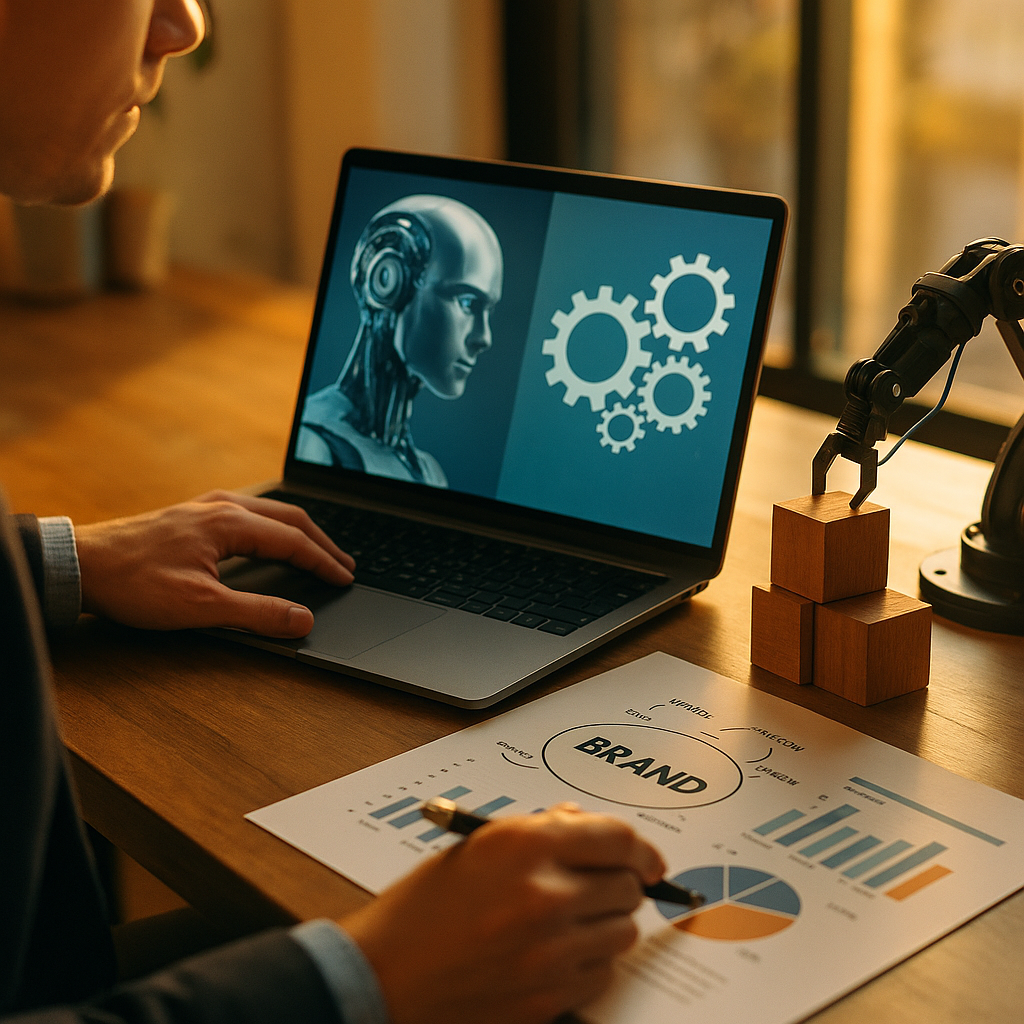
As artificial intelligence and automation redefine marketing strategies, the future of brand building is rapidly evolving. Embracing these technologies transforms how brands engage audiences, streamline operations, and measure success. This new landscape demands brands adapt or risk losing relevance—are you ready to pivot and leverage AI for long-term brand growth?
How AI-Driven Personalization Shapes Modern Branding
AI-powered personalization is revolutionizing how brands connect with consumers. By leveraging massive data sets, machine learning algorithms synthesize user behavior, preferences, and purchasing patterns. These insights empower brands to curate highly relevant experiences—delivering personalized product recommendations, targeted ads, and dynamic website content.
Brands employing AI-driven personalization witness higher engagement rates. Recent studies suggest that brands using advanced personalization tools see up to 20% higher conversion rates. When each interaction feels tailored, trust and loyalty organically increase. For example, leading retailers in 2025 now deploy AI chatbots trained on customer history, resolving issues and upselling products more effectively than traditional channels.
Crucially, as privacy standards evolve, AI also helps brands respect user data. Privacy-first personalization ensures customers’ choices are honored while maintaining meaningful brand relationships. Modern consumers expect relevance without intrusion—a delicate balance that top brands achieve using responsible AI frameworks.
The Role of Automation in Brand Consistency and Efficiency
Brand consistency remains a non-negotiable pillar of identity. Automation tools, from content management systems to social scheduling platforms, are essential for upholding brand standards across varied touchpoints. Automated workflows ensure design elements, copy, and messaging adhere to guidelines, regardless of platform or device.
Efficiency is another clear advantage. Automated campaign deployment, reporting, and monitoring save human hours, reducing operational costs. For instance, social media automation powered by AI not only queues posts but also recommends the best times to engage your target audience, delivered through real-time analytics.
This newfound efficiency frees human talent for strategic initiatives, creative ideation, and high-touch customer interactions. Experts agree that brands successfully blending automation and human oversight are better equipped to scale consistently in a rapidly evolving market.
Building Authenticity and Trust in the Digital Age
While AI and automation offer scale, authenticity cannot be overlooked. In 2025’s competitive marketplace, brands that project genuine purpose and values stand out. AI tools now help uncover insights into sentiment, social trends, and consumer expectations, guiding brands to communicate sincerely and transparently.
AI-powered sentiment analysis monitors social chatter, instantly flagging reputation risks and providing early opportunities for brands to respond authentically. Automation assists by personalizing crisis communications and ensuring tone alignment across channels. Yet, human intervention remains vital; consumers reward brands that interweave human empathy with advanced technology.
According to a recent brand trust survey, 82% of consumers say authentic interactions influence their loyalty. Brands must therefore leverage technology to amplify—not replace—their core values, ensuring messages resonate on a personal level even when delivered at scale.
Elevating Customer Experiences with AI-Enhanced Engagement
At the heart of brand building is exceptional customer experience. Today, AI enhances every stage of the customer journey. Intelligent chatbots, virtual assistants, and predictive analytics enable proactive engagement—anticipating needs before customers voice them.
For example, leading brands harness AI to resolve support tickets instantly, reducing frustration and building positive associations. Advanced recommendation engines provide hyper-relevant product suggestions, driving repeat purchases and higher lifetime value. AI-powered voice and image recognition are eliminating friction across e-commerce and digital services, creating seamless, accessible experiences for all users.
These AI enhancements don’t just solve problems—they delight users, making every interaction memorable. As customer expectations rise, forward-thinking brands invest in AI tools that extend personalized, fluid, and accessible experiences beyond competitors.
Measuring Brand Performance: Data-Driven Insights for 2025
Brand performance metrics have evolved far beyond impressions and basic sentiment analysis. In 2025, AI and machine learning provide granular, real-time insights across every touchpoint. Predictive analytics identifies not just what worked, but what will work next.
Marketers now rely on AI-powered platforms to measure campaign ROI, track evolving brand perception, and forecast trends. This data-driven approach allows for swift, informed pivots. For example, AI identifies micro-moments that drive customer loyalty, enabling brands to double down on profitable activities and course-correct where needed.
Transparency matters—consumers and regulators demand clarity on how data is collected and used. Brands building sophisticated analytics also invest in explainability, ensuring everyone (from leadership to customers) understands the value and ethics behind each insight-driven move.
Strategies for Humanizing AI-Led Brand Interactions
To remain relatable, brands must balance high-tech tools with a human touch. As automation scales communications, organizations achieve success by infusing every AI-led interaction with empathy and understanding. This starts with crafting brand voice guidelines tailored for AI: chatbots and automated emails must reflect the nuances and values of the company.
Human oversight sits at the core of leading brand strategies in 2025. Regularly reviewing AI outputs, customer feedback, and engagement metrics ensures technology strengthens relationships—never alienating audiences. Training customer service teams to step in when AI hits its limit keeps experiences seamless and satisfying.
- Iterate often. Study feedback and machine learning outputs to fine-tune both algorithms and messaging.
- Prioritize accessibility. Use AI to break down barriers, making content and services usable for everyone.
- Champion transparency. Explain how and why AI is used, fostering trust and control for end users.
Empowered by these guidelines, brands create a future where automation accelerates—not replaces—the human spark in brand storytelling.
Conclusion: Adapting for Brand Success in the Age of AI and Automation
The future of brand building is inextricably linked to intelligent technology—those integrating AI and automation gain a distinct edge. By prioritizing personalization, maintaining authenticity, and embracing data-driven insights, modern brands can foster lasting trust and loyalty. Stay agile, humanize your digital experience, and let AI power your brand’s next chapter.
FAQs: The Future of Brand Building in the Age of AI and Automation
-
How does AI personalization benefit brand building?
AI-driven personalization uses customer data to tailor interactions, making experiences more relevant. This increases customer satisfaction, boosts conversion rates, and deepens long-term brand loyalty.
-
What is the role of automation in maintaining brand consistency?
Automation enforces brand guidelines across all digital channels, ensuring messaging and design remain consistent. It streamlines repetitive tasks, allowing creative teams to focus on strategy and innovation.
-
Can AI and automation help small businesses build strong brands?
Absolutely. AI tools have become more affordable and accessible, allowing small businesses to compete by personalizing communications, automating campaigns, and delivering better customer experiences at scale.
-
Is it possible to maintain authenticity using automated tools?
Yes. AI and automation can amplify authentic messaging when guided by careful human oversight, transparent processes, and a commitment to upholding core brand values in every digital interaction.
-
How do brands address privacy concerns in AI-powered strategies?
Leading brands ensure AI solutions comply with privacy regulations and focus on privacy-first personalization. They empower users with control over their data and clearly communicate how information is used.
Top Influencer Marketing Agencies
The leading agencies shaping influencer marketing in 2026
Agencies ranked by campaign performance, client diversity, platform expertise, proven ROI, industry recognition, and client satisfaction. Assessed through verified case studies, reviews, and industry consultations.
Moburst

-
2

The Shelf
Boutique Beauty & Lifestyle Influencer AgencyA data-driven boutique agency specializing exclusively in beauty, wellness, and lifestyle influencer campaigns on Instagram and TikTok. Best for brands already focused on the beauty/personal care space that need curated, aesthetic-driven content.Clients: Pepsi, The Honest Company, Hims, Elf Cosmetics, Pure LeafVisit The Shelf → -
3

Audiencly
Niche Gaming & Esports Influencer AgencyA specialized agency focused exclusively on gaming and esports creators on YouTube, Twitch, and TikTok. Ideal if your campaign is 100% gaming-focused — from game launches to hardware and esports events.Clients: Epic Games, NordVPN, Ubisoft, Wargaming, Tencent GamesVisit Audiencly → -
4

Viral Nation
Global Influencer Marketing & Talent AgencyA dual talent management and marketing agency with proprietary brand safety tools and a global creator network spanning nano-influencers to celebrities across all major platforms.Clients: Meta, Activision Blizzard, Energizer, Aston Martin, WalmartVisit Viral Nation → -
5

The Influencer Marketing Factory
TikTok, Instagram & YouTube CampaignsA full-service agency with strong TikTok expertise, offering end-to-end campaign management from influencer discovery through performance reporting with a focus on platform-native content.Clients: Google, Snapchat, Universal Music, Bumble, YelpVisit TIMF → -
6

NeoReach
Enterprise Analytics & Influencer CampaignsAn enterprise-focused agency combining managed campaigns with a powerful self-service data platform for influencer search, audience analytics, and attribution modeling.Clients: Amazon, Airbnb, Netflix, Honda, The New York TimesVisit NeoReach → -
7

Ubiquitous
Creator-First Marketing PlatformA tech-driven platform combining self-service tools with managed campaign options, emphasizing speed and scalability for brands managing multiple influencer relationships.Clients: Lyft, Disney, Target, American Eagle, NetflixVisit Ubiquitous → -
8

Obviously
Scalable Enterprise Influencer CampaignsA tech-enabled agency built for high-volume campaigns, coordinating hundreds of creators simultaneously with end-to-end logistics, content rights management, and product seeding.Clients: Google, Ulta Beauty, Converse, AmazonVisit Obviously →