


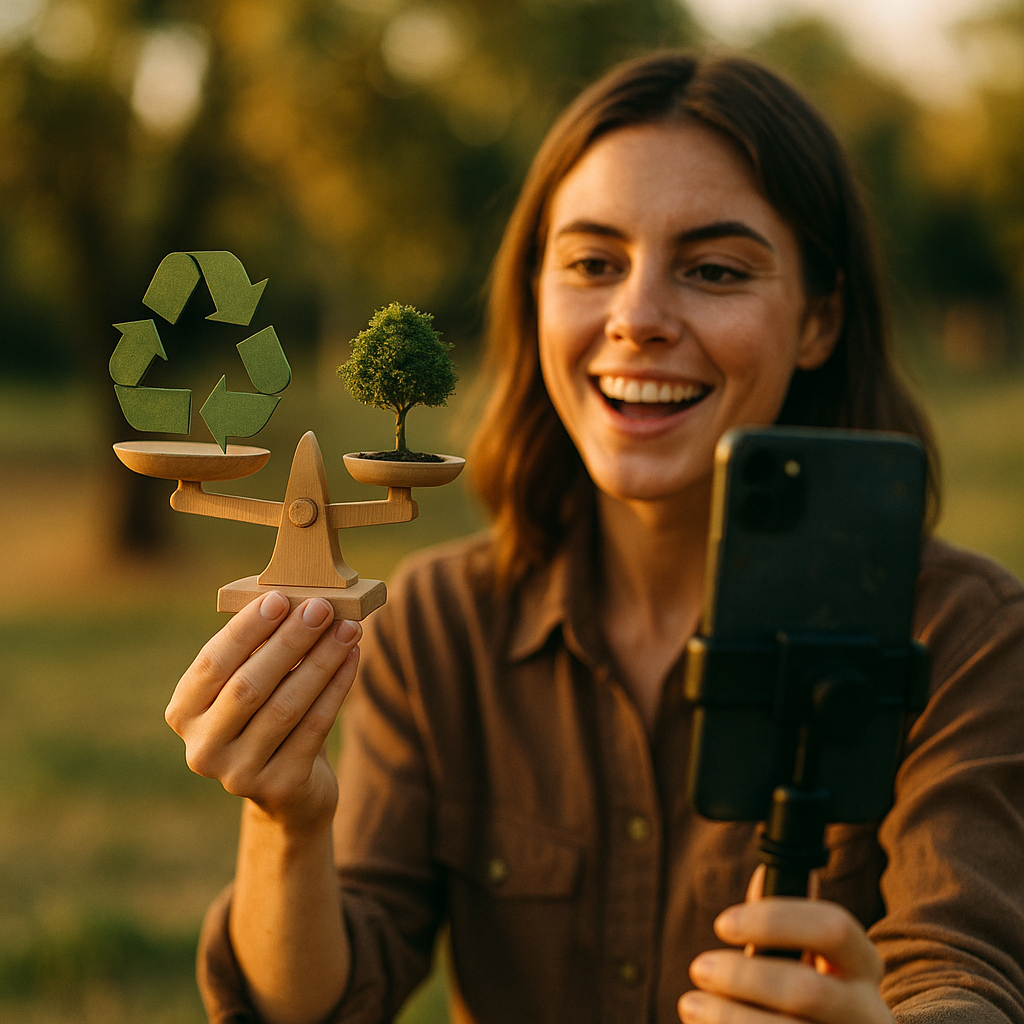
Influencer marketing campaigns have surged in popularity, but what is the environmental impact of influencer marketing campaigns in 2025? As more brands partner with digital creators, the energy consumption and material waste generated by these campaigns come into focus. Let’s explore how influencer marketing intersects with environmental sustainability—and what brands and creators can do about it.
The Rise of Influencer Marketing and Its Environmental Cost
Influencer marketing has redefined how companies connect with their audiences. In 2025, Statista estimates global spending on influencer campaigns will exceed $30 billion, marking an all-time high. However, the environmental impact has become an unavoidable topic. Influencer content—often driven by rapid trends and mass product promotions—contributes to increased carbon footprints, electronic waste, and resource depletion.
The majority of campaigns rely on digital content creation, product shipments, and extensive travel for photoshoots, events, or collaborations. Each step in the process leaves an ecological footprint, underscoring the need for more sustainable strategies. Today’s consumers and brands are starting to recognize this, demanding greater transparency and responsible practices from creators and agencies alike.
Carbon Footprint from Digital Content Creation
Digital footprint is no longer a metaphor. Video production, high-resolution photography, and live streaming—core elements of influencer marketing—are energy-intensive activities. Cloud storage, editing software, and content distribution platforms like Instagram, TikTok, and YouTube require vast server infrastructures powered by electricity, generating significant carbon emissions.
According to the International Energy Agency, global data centers and data transmission networks now account for nearly 4% of the world’s electricity use. As influencers continually upload gigabytes of content, their cumulative digital carbon footprint grows. Even minor shifts, such as optimizing content file sizes or scheduling group content production, can help reduce energy consumption.
Environmental Concerns with Influencer Product Promotions
Product promotions form the backbone of influencer marketing campaigns, but their environmental costs are often hidden. Brands send out vast quantities of promotional products, PR packages, and sample kits, often wrapped in single-use plastics or non-recyclable materials. Many of these items, particularly fast fashion or beauty products, are used once and discarded quickly.
A 2024 study by the Waste and Resources Action Programme found that nearly half of influencer promotional products end up as landfill waste within six months. This trend exacerbates the global issue of product obsolescence and contributes to resource depletion. The environmental impact goes beyond the products themselves, extending to packaging waste and the greenhouse gas emissions produced by shipping.
Brands can help minimize this by choosing sustainable materials, offering digital-only promotions, and collaborating with eco-conscious creators who align with green values.
Influencer Travel and Its Carbon Emissions
Travel is often integral to influencer campaigns, whether for destination shoots, branded events, or experiential marketing. In 2025, influencer-related travel is a notable source of carbon emissions. A single round-trip domestic flight can generate upwards of 0.5 metric tons of CO2 per passenger. Multiply this by hundreds of influencers traveling for campaigns throughout the year, and the scale becomes significant.
Many brands now face pressure to limit influencer travel or choose eco-friendly alternatives. Sustainable solutions include:
- Prioritizing local creators to reduce travel distances
- Embracing virtual events and campaigns
- Offsetting emissions by supporting reforestation projects
The shift toward remote content production and more mindful travel policies not only reduces environmental impact but also resonates with increasingly eco-aware audiences.
Waste Generation and Circular Economy Initiatives
From product packaging to temporary promotional décor, waste generation remains a pressing issue in influencer marketing. Single-use plastics, throwaway event props, and unrecyclable shipping materials all contribute to landfill congestion. In response, pioneering brands and content creators are embracing the principles of the circular economy.
Some effective circular economy initiatives within influencer campaigns include:
- Encouraging the return or reuse of PR products
- Using recyclable or compostable packaging
- Collaborating with sustainable brands that prioritize supply chain transparency
- Teaching audiences about responsible disposal and upcycling
By integrating these practices, both brands and influencers can reduce environmental harm while strengthening their reputation for authenticity and responsibility.
How Influencers Can Lead by Example for Sustainability
Influencers possess unparalleled reach and the power to shape consumer behavior. As sustainability becomes a core value for Gen Z and Millennials, eco-conscious creators are driving change within the marketing landscape. Their impact is evident not just in the products they promote, but in the values they embody and share with audiences.
Steps influencers can take to promote sustainability include:
- Partnering exclusively with environmentally responsible brands
- Raising awareness about the ecological impact of consumerism
- Publicly sharing eco-friendly practices in content production
- Encouraging fans to adopt sustainable habits
Influencers who prioritize environmental initiatives not only contribute to a greener planet but also build loyalty with environmentally-conscious followers and attract brands committed to making a difference.
Conclusion: Making Influencer Marketing Sustainable in 2025
The environmental impact of influencer marketing campaigns in 2025 is a growing concern—and a call to action for brands, agencies, and creators alike. By adopting sustainable practices, eliminating unnecessary waste, and prioritizing ethical collaborations, the industry can thrive without compromising our planet’s future.
Frequently Asked Questions
-
How does influencer marketing contribute to pollution?
Influencer marketing generates pollution through digital energy use, excess packaging, product waste, and travel-related emissions. Each stage—from content creation to product shipping—carries an environmental cost that adds up across thousands of campaigns.
-
What are sustainable influencer marketing practices?
Sustainable practices include using eco-friendly packaging, offsetting travel emissions, minimizing unnecessary product shipments, advocating for digital-only promotions, and partnering with environmentally responsible brands.
-
Do audiences care about sustainability in influencer campaigns?
Yes, recent surveys highlight that over 70% of Gen Z and Millennials prefer influencers and brands that show commitment to environmental responsibility, driving demand for greener campaigns.
-
How can influencers reduce their digital carbon footprint?
Creators can compress media files, batch content production, use cloud services powered by renewable energy, and promote digital minimalism to decrease the environmental impact of their online presence.
-
What role do brands play in promoting sustainable influencer marketing?
Brands set the tone by advocating for responsible practices, choosing sustainable materials, reducing product and packaging waste, and collaborating with eco-aware influencers to reach environmentally-conscious consumers.
Top Influencer Marketing Agencies
The leading agencies shaping influencer marketing in 2026
Agencies ranked by campaign performance, client diversity, platform expertise, proven ROI, industry recognition, and client satisfaction. Assessed through verified case studies, reviews, and industry consultations.
Moburst

-
2

The Shelf
Boutique Beauty & Lifestyle Influencer AgencyA data-driven boutique agency specializing exclusively in beauty, wellness, and lifestyle influencer campaigns on Instagram and TikTok. Best for brands already focused on the beauty/personal care space that need curated, aesthetic-driven content.Clients: Pepsi, The Honest Company, Hims, Elf Cosmetics, Pure LeafVisit The Shelf → -
3

Audiencly
Niche Gaming & Esports Influencer AgencyA specialized agency focused exclusively on gaming and esports creators on YouTube, Twitch, and TikTok. Ideal if your campaign is 100% gaming-focused — from game launches to hardware and esports events.Clients: Epic Games, NordVPN, Ubisoft, Wargaming, Tencent GamesVisit Audiencly → -
4

Viral Nation
Global Influencer Marketing & Talent AgencyA dual talent management and marketing agency with proprietary brand safety tools and a global creator network spanning nano-influencers to celebrities across all major platforms.Clients: Meta, Activision Blizzard, Energizer, Aston Martin, WalmartVisit Viral Nation → -
5

The Influencer Marketing Factory
TikTok, Instagram & YouTube CampaignsA full-service agency with strong TikTok expertise, offering end-to-end campaign management from influencer discovery through performance reporting with a focus on platform-native content.Clients: Google, Snapchat, Universal Music, Bumble, YelpVisit TIMF → -
6

NeoReach
Enterprise Analytics & Influencer CampaignsAn enterprise-focused agency combining managed campaigns with a powerful self-service data platform for influencer search, audience analytics, and attribution modeling.Clients: Amazon, Airbnb, Netflix, Honda, The New York TimesVisit NeoReach → -
7

Ubiquitous
Creator-First Marketing PlatformA tech-driven platform combining self-service tools with managed campaign options, emphasizing speed and scalability for brands managing multiple influencer relationships.Clients: Lyft, Disney, Target, American Eagle, NetflixVisit Ubiquitous → -
8

Obviously
Scalable Enterprise Influencer CampaignsA tech-enabled agency built for high-volume campaigns, coordinating hundreds of creators simultaneously with end-to-end logistics, content rights management, and product seeding.Clients: Google, Ulta Beauty, Converse, AmazonVisit Obviously →