


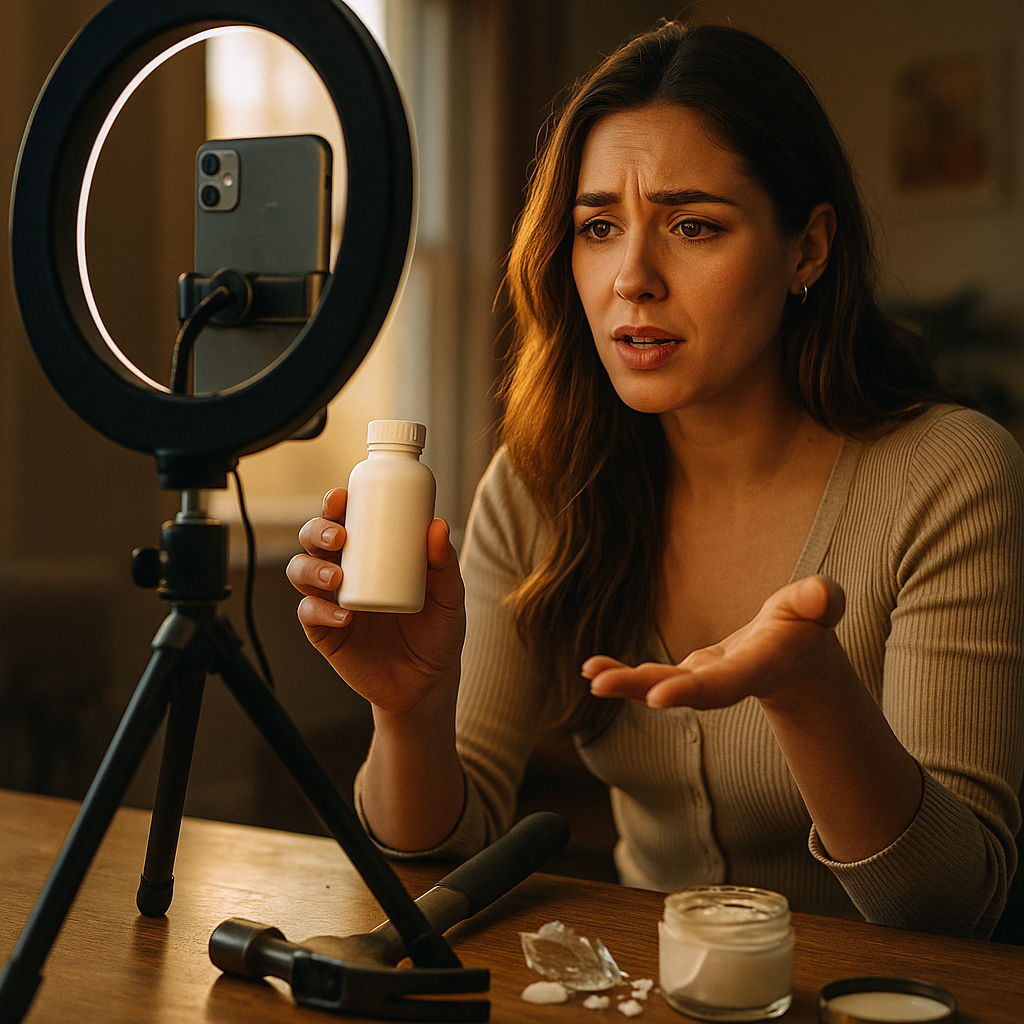
Product liability issues in influencer endorsements have rapidly gained importance with the explosion of social media marketing. Brands and influencers share responsibility for promoted goods, raising legal and ethical questions about defective or misleading products. Are influencers liable when things go wrong? The answers are more complex—and consequential—than many realize. Read on to understand the risks and best practices in 2025.
The Rise of Influencer Marketing and Legal Responsibilities
Influencer marketing has transformed how consumers discover products, with 70% of shoppers saying they trust influencer recommendations over traditional ads. But as endorsement deals surge, brand partnerships often gloss over legal details—leaving gaps in liability coverage. Both influencers and brands can be held accountable if products cause harm or disappoint, sparking lawsuits or regulatory scrutiny. The Federal Trade Commission (FTC) and similar bodies have sharpened their focus on influencer promotions, expecting full disclosure of partner relationships and product risks.
Understanding Product Liability in Digital Endorsements
Product liability law typically holds manufacturers, distributors, and retailers accountable for defective items. In the digital age, the definition of “seller” and “promoter” has broadened. Influencers, by actively promoting a product, may be considered liable if:
- They make unjustified claims (safety, efficacy, durability)
- They fail to disclose material connections to brands or compensation
- They ignore or minimize risks associated with the product
A 2024 case in Europe saw an influencer fined for negligent endorsements of hazardous beauty supplements. While laws differ by country, regulators are aligning globally on accountability for digital recommendations.
The Role of Disclosure: Transparency Protects Influencers
Failure to provide clear, honest disclosures is a primary source of regulatory action against influencers. The FTC requires that any material connection between influencer and brand be “clearly and conspicuously” disclosed—in every relevant post, video, or story. For example, #ad or “Sponsored” must be plainly visible and not buried in comments or hashtags. Transparency builds trust and serves as a legal defense if product liability questions arise. In 2025, audits of influencer accounts for compliance are more frequent, increasing the risks of oversight.
Brands’ Duties in Monitoring and Training Influencers
Brands are not immune from product liability issues when influencers endorse their goods. They can be found vicariously liable if influencers make false statements or promote unsafe products. To mitigate risks, brands should:
- Vet influencers’ content for factual accuracy
- Provide clear product guidelines
- Require proof of compliance with legal disclosures
- Offer training on responsible communication and product claims
Some companies now include indemnification clauses in contracts, protecting either party in the event of a lawsuit. In 2025, savvy brands see influencer partnerships as an extension of their compliance infrastructure—not just a marketing channel.
Risk Management Strategies for Influencers and Agencies
What can influencers and their agents do to protect themselves from product liability claims? The most effective strategies include:
- Always researching the brand, its history, and the product’s tested safety or efficacy
- Demanding transparency from sponsors about potential risks and regulatory approvals
- Having legal counsel review contracts for liability coverage and indemnity
- Maintaining honesty in reviews or claims—never exaggerating for the sake of virality
- Purchasing professional liability insurance, with policies now available for digital creators
Staying updated on FTC guidelines and regional regulations is also crucial, as enforcement policies evolve rapidly.
The Evolving Regulatory Environment: Global Perspectives
Regulatory bodies worldwide are harmonizing product liability laws for the digital marketing era. The FTC, European Union, and APAC authorities now routinely investigate influencer campaigns, focusing on:
- Consistent use of disclosures
- Influencer due diligence over product claims
- Collaboration with brands on adverse event reporting
- Removal or correction of misleading content
In 2025, some countries have established digital influencer registries, further raising compliance requirements. Brands and creators working internationally must adapt quickly or face export bans and legal actions. This landscape will only become more complex—and more critical for risk management.
Conclusion
Product liability issues in influencer endorsements are no longer rare, especially as digital promotions influence consumer choices. Influencers and brands must understand their legal responsibilities, prioritize transparency, and implement robust compliance steps. Partnerships built on trust, fact-checking, and legal vigilance are best positioned to succeed—and to withstand regulatory scrutiny—in 2025.
FAQs: Product Liability in Influencer Endorsements
-
Can an influencer be sued for recommending a faulty product?
Yes. If an influencer’s endorsement leads to harm due to false claims or non-disclosure, both consumers and brands may pursue legal action for product liability or misrepresentation. -
What disclosures must influencers include to avoid penalties?
Influencers must clearly state any material connection with the brand—such as sponsorship, compensation, or gifts—using unambiguous labels (#ad, “Sponsored”). -
How can brands minimize liability when working with influencers?
Brands should provide product information and disclosure instructions, monitor influencer content, train on regulatory compliance, and require indemnification clauses when possible. -
Is professional liability insurance necessary for influencers in 2025?
Given increasing legal risks in influencer marketing, professional liability insurance is advisable for all influencers, especially those recommending products in regulated sectors like health or cosmetics. -
Are liability rules the same worldwide for influencer endorsements?
No. Laws differ, but global trends point toward stricter and more harmonized enforcement. Influencers and brands should seek legal guidance for each market they target.
Top Influencer Marketing Agencies
The leading agencies shaping influencer marketing in 2026
Agencies ranked by campaign performance, client diversity, platform expertise, proven ROI, industry recognition, and client satisfaction. Assessed through verified case studies, reviews, and industry consultations.
Moburst

-
2

The Shelf
Boutique Beauty & Lifestyle Influencer AgencyA data-driven boutique agency specializing exclusively in beauty, wellness, and lifestyle influencer campaigns on Instagram and TikTok. Best for brands already focused on the beauty/personal care space that need curated, aesthetic-driven content.Clients: Pepsi, The Honest Company, Hims, Elf Cosmetics, Pure LeafVisit The Shelf → -
3

Audiencly
Niche Gaming & Esports Influencer AgencyA specialized agency focused exclusively on gaming and esports creators on YouTube, Twitch, and TikTok. Ideal if your campaign is 100% gaming-focused — from game launches to hardware and esports events.Clients: Epic Games, NordVPN, Ubisoft, Wargaming, Tencent GamesVisit Audiencly → -
4

Viral Nation
Global Influencer Marketing & Talent AgencyA dual talent management and marketing agency with proprietary brand safety tools and a global creator network spanning nano-influencers to celebrities across all major platforms.Clients: Meta, Activision Blizzard, Energizer, Aston Martin, WalmartVisit Viral Nation → -
5

The Influencer Marketing Factory
TikTok, Instagram & YouTube CampaignsA full-service agency with strong TikTok expertise, offering end-to-end campaign management from influencer discovery through performance reporting with a focus on platform-native content.Clients: Google, Snapchat, Universal Music, Bumble, YelpVisit TIMF → -
6

NeoReach
Enterprise Analytics & Influencer CampaignsAn enterprise-focused agency combining managed campaigns with a powerful self-service data platform for influencer search, audience analytics, and attribution modeling.Clients: Amazon, Airbnb, Netflix, Honda, The New York TimesVisit NeoReach → -
7

Ubiquitous
Creator-First Marketing PlatformA tech-driven platform combining self-service tools with managed campaign options, emphasizing speed and scalability for brands managing multiple influencer relationships.Clients: Lyft, Disney, Target, American Eagle, NetflixVisit Ubiquitous → -
8

Obviously
Scalable Enterprise Influencer CampaignsA tech-enabled agency built for high-volume campaigns, coordinating hundreds of creators simultaneously with end-to-end logistics, content rights management, and product seeding.Clients: Google, Ulta Beauty, Converse, AmazonVisit Obviously →