


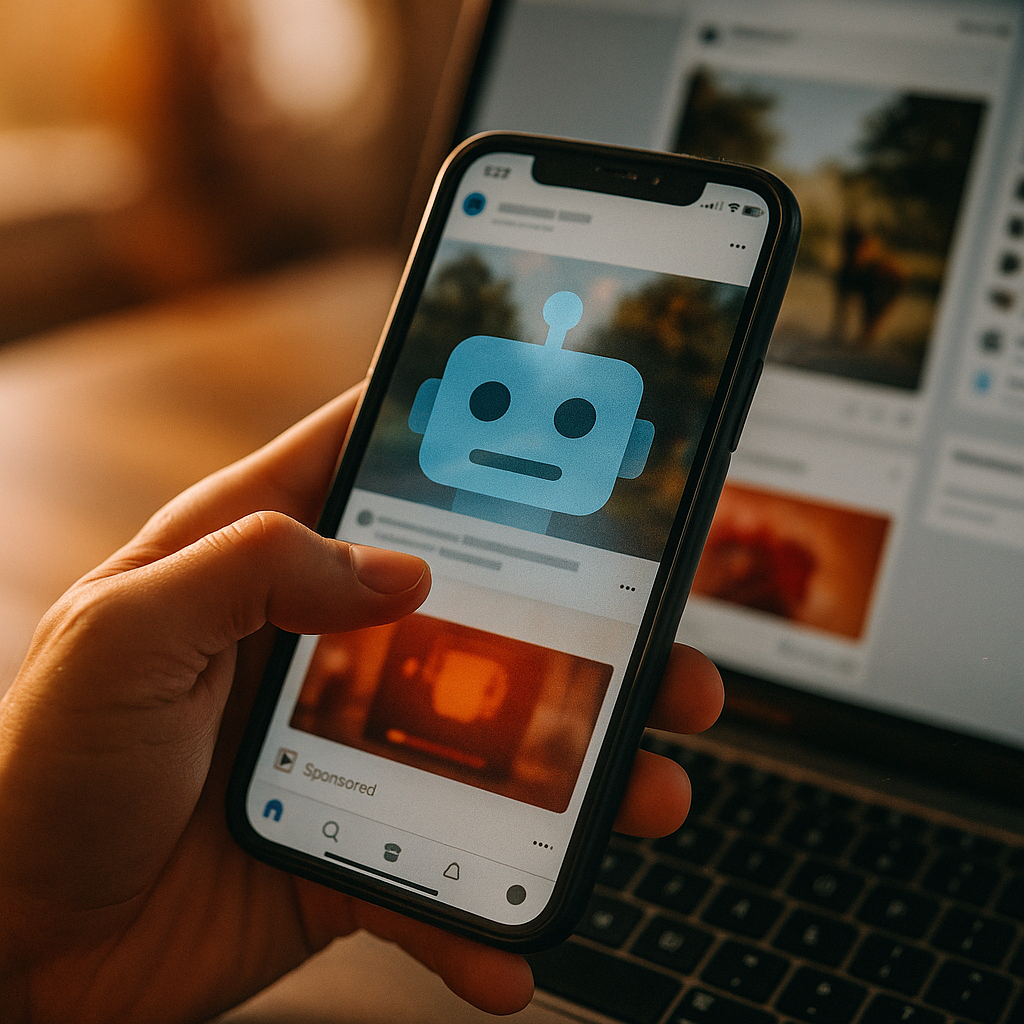
Your Sponsored Post Just Got Buried — and the Algorithm Doesn’t Care
Here’s a number that should make every brand strategist pause: according to Statista, over 70% of content consumed on TikTok, Instagram, and YouTube now comes from accounts users don’t follow. The AI-curated social feed has fundamentally replaced the chronological timeline, and with it, the assumptions brands have relied on for years about how sponsored content reaches audiences. Follower counts, posting schedules, hashtag strategies — all of these matter less than they used to. What matters now is whether the algorithm decides your creator-brand content deserves to be surfaced at all.
How the Recommendation Engine Actually Decides
Let’s get specific about what’s changed. TikTok’s recommendation system has always been interest-graph-first, prioritizing content signals (watch time, replays, shares) over social signals (follows, likes from friends). But Instagram and YouTube have now fully converged on this model. Instagram’s algorithm chief, Adam Mosseri, has confirmed that Reels and Explore are driven almost entirely by predicted engagement, not follower relationships. YouTube Shorts follows a nearly identical pattern.
What does this mean for sponsored content? The algorithm evaluates every piece of content — paid partnership or not — through the same engagement-prediction lens. A branded video that triggers low watch-through rates or minimal shares gets deprioritized within minutes. No amount of media spend on the organic side can override that signal.
The AI-curated social feed doesn’t distinguish between organic and sponsored. It only cares about one thing: will this content hold attention? If the answer is no, your brand investment vanishes into algorithmic obscurity.
This creates an uncomfortable reality. A $50,000 creator partnership can generate less visibility than a $0-budget post from an unknown creator — simply because the unknown creator’s content triggered stronger retention signals in the first 200 impressions.
What This Means for Creator Selection
The old playbook was simple: pick a creator with a large, relevant audience, negotiate a post, and count on their follower base to deliver impressions. That model is breaking.
When feeds are AI-curated, follower counts become a vanity metric for reach forecasting. What actually predicts sponsored content visibility is a creator’s algorithmic track record — their average watch-through rate, share-to-view ratio, and the consistency of their content’s performance in recommendation feeds rather than follower feeds.
This is why expert micro-creators are outperforming macro-influencers on several key distribution metrics. Their content tends to generate higher retention and engagement rates, which the recommendation engine rewards disproportionately. A micro-creator whose average Reel holds viewers for 95% of the runtime will consistently outperform a macro-influencer whose branded content drops to 40% watch-through.
Smart brands are now requesting algorithmic performance data — not just follower demographics — during creator vetting. Tools like CreatorIQ, Modash, and even native platform analytics can surface these signals. If you’re not already evaluating creators through this lens, you’re likely overpaying for underdelivery.
The Disclosure Paradox
Here’s where it gets thorny. The FTC requires clear and conspicuous disclosure of material relationships. Platforms have built partnership labels and paid promotion tags to facilitate compliance. But there’s growing evidence — anecdotal and emerging in platform analytics — that content tagged as “Paid Partnership” or “#ad” may receive a slight engagement penalty. Not because the algorithm explicitly penalizes it, but because users scroll past disclosed content faster, which tanks the watch-time signal the algorithm uses to decide distribution.
This is not an excuse to hide disclosures. That path leads to regulatory risk, consumer backlash, and potential fines. But it does mean brands need to invest more heavily in making sponsored content genuinely compelling enough to overcome the disclosure-driven attention tax.
The solution isn’t less transparency. It’s better creative.
Content Architecture for Algorithmic Feeds
So what does “better creative” actually look like when the AI-curated social feed is the gatekeeper?
- Hook in the first 0.5 seconds. Recommendation algorithms make surfacing decisions based on early retention. If the first half-second doesn’t arrest scrolling, the content never reaches its potential audience — regardless of the creator’s follower count.
- Native format, not repurposed assets. A 16:9 TV spot cropped to 9:16 reads as advertising instantly. The algorithm detects lower engagement; viewers skip. Content must be conceived for the platform, not adapted for it.
- Emotional or informational payoff within 7 seconds. The algorithm monitors drop-off curves. Content that delivers value early earns the right to extended distribution. Front-load the insight, the surprise, or the tension.
- Shareability over likability. Shares carry the highest weight in recommendation logic across TikTok, Instagram Reels, and YouTube Shorts. Content that viewers send to a friend in DMs outperforms content that merely earns a double-tap. Build for the forward, not the like.
Brands that understand this are fundamentally rethinking their creator briefs for AI-driven content. The brief itself becomes a strategic document — not just about brand messaging, but about engineering for algorithmic distribution.
Attribution Gets Harder (Again)
When AI recommendation logic determines who sees your sponsored content, the audience that actually receives it may look nothing like the audience you planned for. A skincare brand partnering with a beauty creator might find the algorithm serving that content to a wellness audience segment, or even a comedy audience if the creator’s hook was humor-driven. The content finds its audience based on behavioral signals, not demographic targeting.
In AI-curated feeds, the audience finds the content — not the other way around. This fundamentally breaks traditional influencer marketing attribution models that assume a known audience composition.
This means your attribution models need to shift from pre-campaign audience assumptions to post-campaign behavioral analysis. Who actually watched? Who clicked through? What did they do next? Platform analytics, UTM parameters, and post-purchase surveys become essential — not optional — parts of the measurement stack.
The conversion tracking challenge is real, but solvable. Brands investing in robust attribution infrastructure — integrating creator content data with TikTok Ads Manager, Meta Business Suite, and first-party data platforms — are building a meaningful competitive advantage. Those relying on screenshots of view counts are flying blind.
What Happens Next?
The trajectory is clear: algorithmic curation will only intensify. YouTube has signaled that its recommendation engine will increasingly blend Shorts, long-form, and live content into a unified AI-curated experience. Instagram is testing AI-generated content summaries that may further alter how sponsored posts surface. TikTok continues to refine its interest graph with purchase-intent signals from TikTok Shop.
For brand strategists, this demands a fundamental shift in how influencer programs are structured. The creator roster should be evaluated on algorithmic compatibility, not just brand alignment. Briefs should be engineered for retention metrics, not just message delivery. And measurement frameworks must account for the reality that AI decides who sees what — and that audience may surprise you.
The brands that thrive in this environment won’t be those that spend the most. They’ll be the ones that understand the machine sitting between their content and their audience, and build strategies accordingly. If you’re still planning high-volume creator campaigns without an algorithmic distribution strategy, you’re essentially creating content for a feed no one sees.
Your next step: Audit your current creator roster for algorithmic performance signals — average watch-through rate, share-to-view ratio, and recommendation feed vs. follower feed distribution — and restructure your Q3 partnerships around creators who consistently earn algorithmic reach, not just follower counts.
FAQs
How does the AI-curated social feed affect sponsored content visibility?
AI-curated feeds evaluate sponsored content using the same engagement-prediction signals as organic content — primarily watch time, shares, and replay rates. If branded content doesn’t generate strong early retention, the algorithm limits its distribution regardless of the creator’s follower count or the brand’s investment size. This means sponsored content must compete on creative quality, not just placement.
Should brands prioritize micro-creators over macro-influencers for algorithmic reach?
Not as a blanket rule, but micro-creators often produce content with higher watch-through rates and engagement ratios, which AI recommendation systems reward with broader distribution. The key metric isn’t follower size — it’s a creator’s track record of earning reach through recommendation feeds rather than follower feeds. Evaluate creators on algorithmic performance data, not audience size alone.
Does tagging content as a paid partnership reduce its algorithmic reach?
There’s no confirmed evidence that platforms explicitly penalize paid partnership tags. However, users tend to scroll past disclosed sponsored content faster, which reduces watch-time signals and indirectly limits algorithmic distribution. The solution is not to hide disclosures — that creates regulatory risk — but to make sponsored content compelling enough to overcome the attention gap.
How should brands adjust attribution when AI determines who sees creator content?
Traditional attribution models assume a known audience based on a creator’s follower demographics. AI-curated feeds break this assumption by serving content to users based on behavioral signals, not demographic profiles. Brands should shift to post-campaign behavioral analysis using platform analytics, UTM parameters, first-party data integration, and post-purchase surveys to understand who actually engaged.
What content characteristics perform best in AI-curated feeds?
Content that hooks viewers in the first half-second, delivers value within seven seconds, and earns shares rather than just likes performs best. Native-format content conceived specifically for the platform outperforms repurposed assets. The algorithm rewards retention and shareability above all other signals.
Top Influencer Marketing Agencies
The leading agencies shaping influencer marketing in 2026
Agencies ranked by campaign performance, client diversity, platform expertise, proven ROI, industry recognition, and client satisfaction. Assessed through verified case studies, reviews, and industry consultations.
Moburst

-
2

The Shelf
Boutique Beauty & Lifestyle Influencer AgencyA data-driven boutique agency specializing exclusively in beauty, wellness, and lifestyle influencer campaigns on Instagram and TikTok. Best for brands already focused on the beauty/personal care space that need curated, aesthetic-driven content.Clients: Pepsi, The Honest Company, Hims, Elf Cosmetics, Pure LeafVisit The Shelf → -
3

Audiencly
Niche Gaming & Esports Influencer AgencyA specialized agency focused exclusively on gaming and esports creators on YouTube, Twitch, and TikTok. Ideal if your campaign is 100% gaming-focused — from game launches to hardware and esports events.Clients: Epic Games, NordVPN, Ubisoft, Wargaming, Tencent GamesVisit Audiencly → -
4

Viral Nation
Global Influencer Marketing & Talent AgencyA dual talent management and marketing agency with proprietary brand safety tools and a global creator network spanning nano-influencers to celebrities across all major platforms.Clients: Meta, Activision Blizzard, Energizer, Aston Martin, WalmartVisit Viral Nation → -
5

The Influencer Marketing Factory
TikTok, Instagram & YouTube CampaignsA full-service agency with strong TikTok expertise, offering end-to-end campaign management from influencer discovery through performance reporting with a focus on platform-native content.Clients: Google, Snapchat, Universal Music, Bumble, YelpVisit TIMF → -
6

NeoReach
Enterprise Analytics & Influencer CampaignsAn enterprise-focused agency combining managed campaigns with a powerful self-service data platform for influencer search, audience analytics, and attribution modeling.Clients: Amazon, Airbnb, Netflix, Honda, The New York TimesVisit NeoReach → -
7

Ubiquitous
Creator-First Marketing PlatformA tech-driven platform combining self-service tools with managed campaign options, emphasizing speed and scalability for brands managing multiple influencer relationships.Clients: Lyft, Disney, Target, American Eagle, NetflixVisit Ubiquitous → -
8

Obviously
Scalable Enterprise Influencer CampaignsA tech-enabled agency built for high-volume campaigns, coordinating hundreds of creators simultaneously with end-to-end logistics, content rights management, and product seeding.Clients: Google, Ulta Beauty, Converse, AmazonVisit Obviously →