


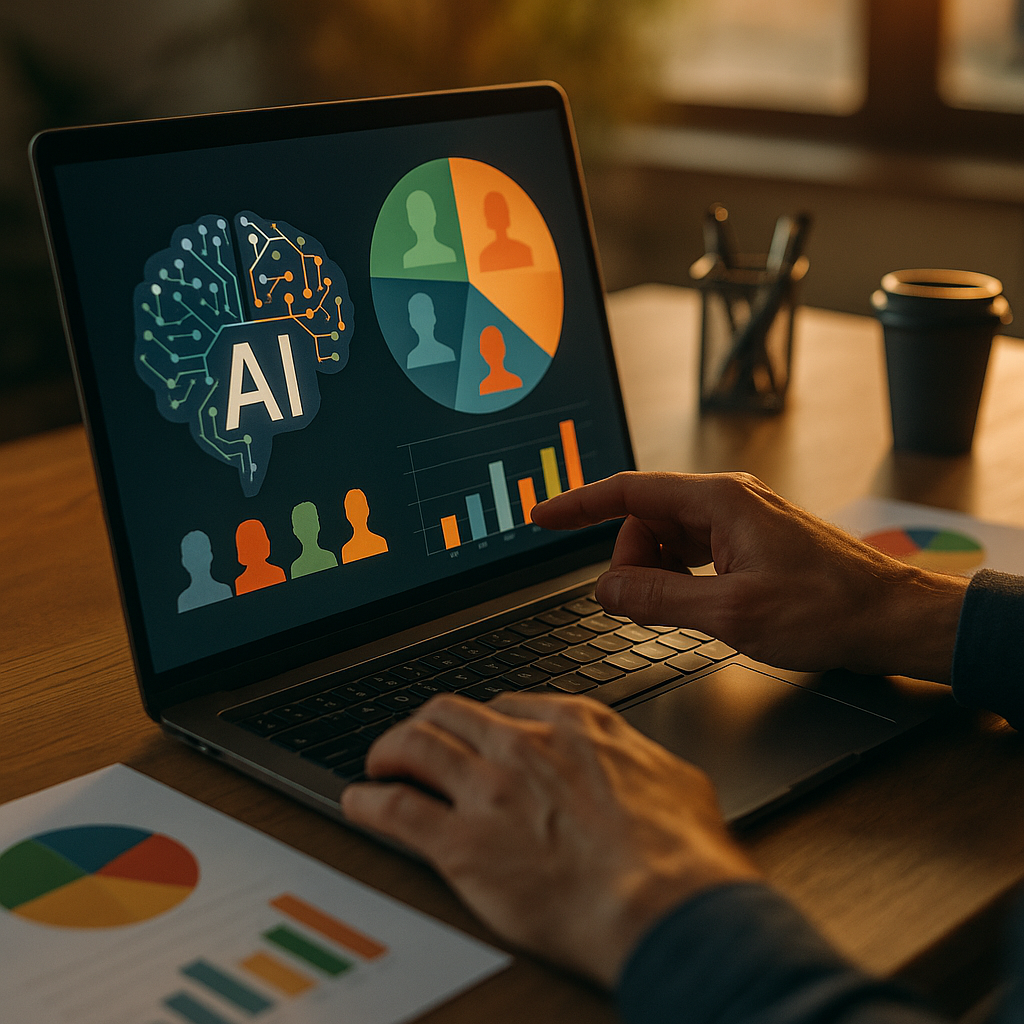
Using AI to automate customer segmentation based on behavior has revolutionized the way businesses understand and serve their audiences. Modern brands now harness vast datasets to deliver precisely targeted experiences, quickly adapting to shifting preferences. Ready to discover how AI-powered automation is elevating customer engagement—and how you can tap into its full potential?
What Is AI-Powered Customer Segmentation?
AI-powered customer segmentation leverages artificial intelligence and machine learning algorithms to analyze behavioral data and create detailed customer groups. Unlike traditional segmentation, which often relies on static criteria like demographics or purchase history, AI systems continuously process real-time data—such as browsing patterns, email interactions, and social media activity—to uncover more meaningful patterns and correlations.
This dynamic approach not only increases segmentation accuracy but also adapts as customer behavior evolves. By clustering customers with similar actions and preferences, businesses can tailor marketing strategies to specific needs, driving higher engagement and loyalty. As customer journeys grow more complex in 2025, AI has become essential for keeping segmentation agile and relevant.
Benefits of Automating Customer Segmentation Using AI
Automated behavioral segmentation with AI offers significant advantages over manual processes. The technology delivers:
- Enhanced Personalization: AI analyzes intricate behavioral signals to uncover nuanced customer profiles, enabling brands to deliver tailored recommendations and experiences at scale.
- Real-Time Insights: Automated systems respond instantly to new data, allowing marketers to update audience segments on the fly and respond proactively to changes in behavior or interests.
- Increased Marketing Efficiency: With AI handling data analysis and segmentation, staff spend less time on manual data crunching and more time on strategy and creative campaigns.
- Higher Conversion Rates: Targeted messaging based on accurate behavioral insight generally leads to improved open rates, click-throughs, and conversions.
- Uncovering Hidden Opportunities: AI finds patterns in large, complex datasets that would be impossible for humans to detect, revealing untapped segments and cross-sell or upsell chances.
By automating processes, organizations also benefit from consistent, unbiased segmentation, which supports compliance and fair customer treatment.
How AI Models Segment Customers by Behavior
AI-driven segmentation relies on advanced algorithms to make sense of vast and varied behavioral input. Here’s how the process usually works:
- Data Collection: Platforms gather interaction data from websites, apps, emails, support channels, and more.
- Feature Engineering: Algorithms extract relevant features, such as purchase frequency, dwell time, preferred channels, and product affinity.
- Clustering and Classification: Machine learning models, like K-means clustering or neural networks, group customers with similar patterns into distinct segments.
- Continuous Learning: AI monitors customer response and updates segments as new data arrives, ensuring segments remain accurate over time.
- Predictive Analytics: Some systems predict future behaviors—for example, likely churn or purchase intent—allowing businesses to segment proactively.
The result: highly adaptive, precise segments that reflect how customers actually engage with your business, not just who they are on paper.
Best Practices for Implementing Automated Behavioral Segmentation
For effective AI-driven customer segmentation, follow these proven strategies:
- Start With Clean, High-Quality Data: Effective automation requires robust behavioral data. Audit your sources, and resolve duplicates or inaccuracies before inputting feeds into AI tools.
- Define Clear Objectives: Know what you hope to achieve—improved retention, better targeting, increased sales—and tune your AI models accordingly.
- Select the Right Tools: Choose AI segmentation platforms compatible with your data streams and business scale. Consider platforms offering transparent results and built-in compliance features.
- Ensure Ethical AI Use: Align your segmentation strategy with privacy regulations (like GDPR or CCPA) and avoid using sensitive attributes that could result in unfair bias.
- Regularly Review and Optimize: AI segmentation isn’t set-and-forget. Continuously monitor segment performance, gather feedback, and retrain models to reflect evolving behaviors or market changes.
- Balance AI With Human Insight: Blend automated analysis with marketing expertise for context and creativity. Human oversight catches anomalies, ensures brand alignment, and improves messaging relevance.
Adhering to these best practices ensures your segmentation remains effective, ethical, and aligned with business outcomes.
Real-World Examples and Success Stories
Leading brands across industries are already seeing measurable success with automated behavioral segmentation powered by AI:
- Retail: One European e-commerce leader increased average order value by over 18% after using AI to segment customers by on-site browsing behaviors and purchase triggers. Personalized offers and product recommendations drove improved conversion rates.
- Banking: A digital-first bank used AI-driven segmentation to predict which customers would benefit most from new financial products, cutting acquisition costs by 22% and raising campaign ROI.
- Healthcare: Telemedicine providers leverage AI to identify behaviors indicating patient dissatisfaction or attrition, allowing personalized outreach and better service recovery.
- Streaming Services: Media companies track user engagement across devices to surface tailored content suggestions, keeping churn rates below industry norms as of early 2025.
These use cases underscore how AI-based segmentation is no longer theoretical. It’s a proven, practical investment for organizations looking to stay competitive and responsive.
The Future of AI in Customer Segmentation
As we move deeper into 2025, AI’s role in behavioral segmentation will only expand. Expect solutions to become:
- More granular: AI will distinguish even smaller segments based on finer interaction details, helping brands target with unprecedented specificity.
- More transparent: Advances in explainable AI (XAI) will make segmentation logic clearer, supporting compliance and building customer trust.
- More integrated: Seamless connections between AI-driven segmentation engines and omnichannel marketing platforms will drive truly unified, personalized experiences across every touchpoint.
- Largely automated: Continuous learning and adaptive re-segmentation will shift more segmentation work from marketers to AI, freeing human teams for strategic planning and big-picture creativity.
Staying ahead means adopting AI segmentation now—then evolving as the technology matures.
Conclusion: Why AI-Driven Behavioral Segmentation Is Essential in 2025
Automating customer segmentation using AI empowers brands to deliver personalized, data-driven experiences that meet modern expectations. Embracing this technology now ensures your business stays relevant, responsive, and ready for future growth. Don’t let outdated segmentation hold you back from unlocking the full potential of your customer data.
FAQs About Using AI to Automate Customer Segmentation Based on Behavior
-
What types of behavioral data are useful for AI-powered segmentation?
Clickstream patterns, purchase frequency, browsing duration, engagement rates (such as opening emails or clicking ads), product affinities, and even support interactions all feed valuable insight into AI segmentation models.
-
Is it difficult to get started with AI for customer segmentation?
Many platforms now offer user-friendly, plug-and-play solutions that require minimal coding knowledge. Still, investing in clean data and training teams on interpretation yields the best results.
-
How does AI segmentation improve marketing ROI?
By targeting messages and offers to behaviorally defined segments, businesses spend less per conversion and reduce wasted ad budget. Accurate segmentation aligns content with customer interests, increasing engagement and loyalty.
-
Can AI segmentation adapt to changing customer behavior?
Yes. Modern AI systems continuously ingest new data and update segments in real time, ensuring groupings never become outdated and always reflect current audience behavior.
-
Are there risks to automating segmentation with AI?
Potential pitfalls include using biased data, violating privacy, or relying too heavily on algorithms without human oversight. Mitigate these risks through regular audits, transparent processes, and aligning with regulatory standards.
Top Influencer Marketing Agencies
The leading agencies shaping influencer marketing in 2026
Agencies ranked by campaign performance, client diversity, platform expertise, proven ROI, industry recognition, and client satisfaction. Assessed through verified case studies, reviews, and industry consultations.
Moburst

-
2

The Shelf
Boutique Beauty & Lifestyle Influencer AgencyA data-driven boutique agency specializing exclusively in beauty, wellness, and lifestyle influencer campaigns on Instagram and TikTok. Best for brands already focused on the beauty/personal care space that need curated, aesthetic-driven content.Clients: Pepsi, The Honest Company, Hims, Elf Cosmetics, Pure LeafVisit The Shelf → -
3

Audiencly
Niche Gaming & Esports Influencer AgencyA specialized agency focused exclusively on gaming and esports creators on YouTube, Twitch, and TikTok. Ideal if your campaign is 100% gaming-focused — from game launches to hardware and esports events.Clients: Epic Games, NordVPN, Ubisoft, Wargaming, Tencent GamesVisit Audiencly → -
4

Viral Nation
Global Influencer Marketing & Talent AgencyA dual talent management and marketing agency with proprietary brand safety tools and a global creator network spanning nano-influencers to celebrities across all major platforms.Clients: Meta, Activision Blizzard, Energizer, Aston Martin, WalmartVisit Viral Nation → -
5

The Influencer Marketing Factory
TikTok, Instagram & YouTube CampaignsA full-service agency with strong TikTok expertise, offering end-to-end campaign management from influencer discovery through performance reporting with a focus on platform-native content.Clients: Google, Snapchat, Universal Music, Bumble, YelpVisit TIMF → -
6

NeoReach
Enterprise Analytics & Influencer CampaignsAn enterprise-focused agency combining managed campaigns with a powerful self-service data platform for influencer search, audience analytics, and attribution modeling.Clients: Amazon, Airbnb, Netflix, Honda, The New York TimesVisit NeoReach → -
7

Ubiquitous
Creator-First Marketing PlatformA tech-driven platform combining self-service tools with managed campaign options, emphasizing speed and scalability for brands managing multiple influencer relationships.Clients: Lyft, Disney, Target, American Eagle, NetflixVisit Ubiquitous → -
8

Obviously
Scalable Enterprise Influencer CampaignsA tech-enabled agency built for high-volume campaigns, coordinating hundreds of creators simultaneously with end-to-end logistics, content rights management, and product seeding.Clients: Google, Ulta Beauty, Converse, AmazonVisit Obviously →