


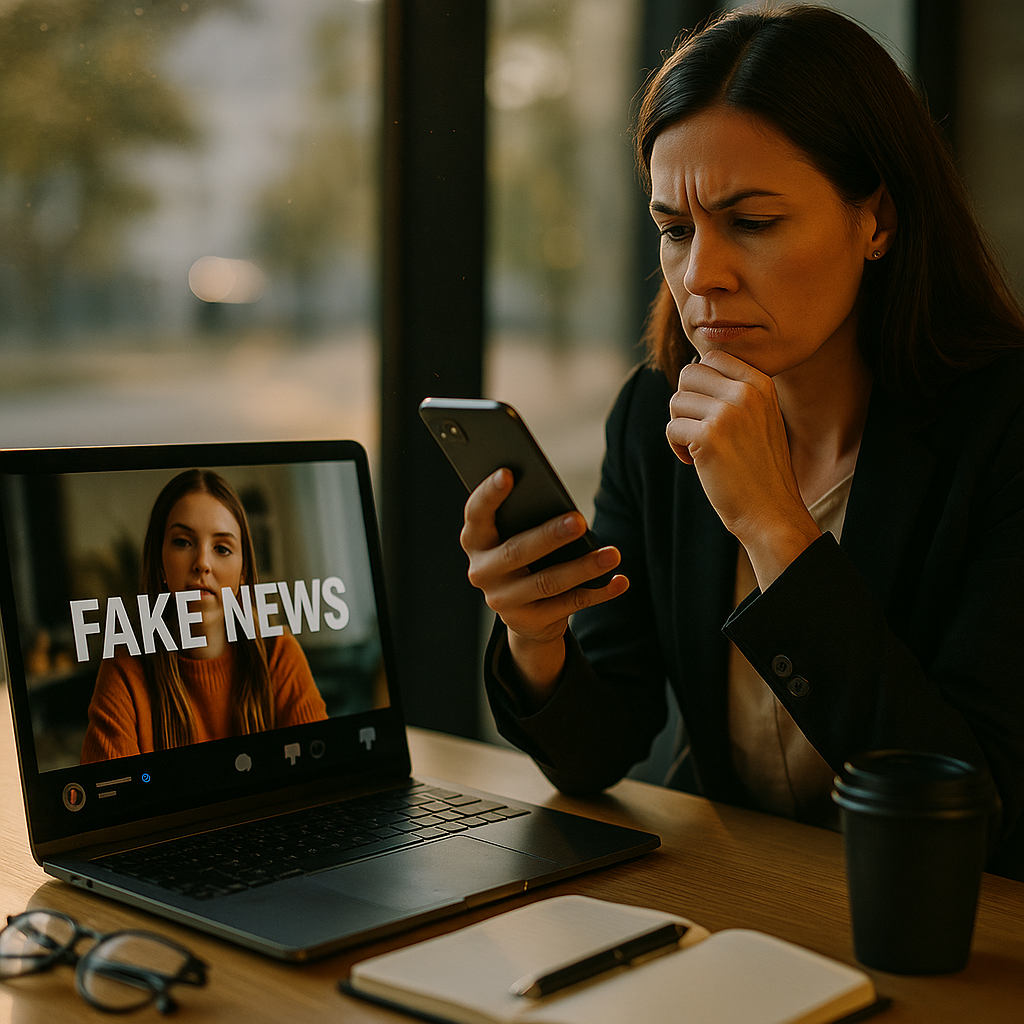
Influencer partnerships can boost your brand, but influencer misinformation can quickly erode hard-earned trust. As misinformation spreads easily online, protecting your brand from influencer misinformation in 2025 is more critical—and more complex—than ever. Discover proven strategies to safeguard your reputation, build transparency, and empower your influencer collaborations for lasting success.
Understanding the Risks of Misinformation in Influencer Campaigns
Influencers wield significant power over audience opinions, but this reach comes with responsibility and risk. Influencer misinformation risks can range from accidental sharing of unverified facts to deliberate misrepresentation associated with your brand. According to a 2024 Edelman Trust Barometer study, 63% of consumers say they distrust branded content when it appears misleading or factually questionable. The fallout from an influencer’s inaccurate post can include:
- Damaged consumer trust and brand credibility
- Potential regulatory or legal implications
- Loss of market share to more transparent competitors
Understanding these dangers is the first step toward developing robust preventive measures and ensuring your brand’s resilience.
Vetting Influencers: Key Steps for Effective Brand Protection
A rigorous influencer vetting process is your shield against misinformation. Go beyond surface metrics such as followers and engagement; dive deep with an EEAT-aligned review that checks expertise, experience, authoritativeness, and trustworthiness. Here’s how to refine your selection:
- Review Content History: Analyze previous posts for accuracy and appropriateness—flag potential red flags like past misinformation or controversial content.
- Check Professional Background: Prioritize influencers with proven experience in your industry or related fields.
- Assess Follower Quality: Use analytics tools to determine audience authenticity and engagement quality (not just volume).
- Verify Partnerships and Affiliations: Investigate if competitors or conflicting interests may bias their advocacy.
- Request References: Ask for case studies or connect with brands they’ve partnered with recently to gauge reliability.
Meticulous selection not only reduces the risk of misinformation but also strengthens your campaign ROI.
Establishing Clear Communication and Guidelines
Once you’ve chosen trusted partners, maintain clarity from the start by implementing robust brand-influencer guidelines. In 2025, brands are legally required in many markets to ensure partners comply with advertising standards and truth-in-promotion regulations. For protection:
- Create Written Agreements: Include specifics on content fact-checking and accuracy expectations.
- Provide Approved Messaging: Supply influencers with verified information to prevent accidental misstatements.
- Educate on Disclosures: Clearly outline legal requirements for sponsored content and promotional claims.
- Outline Crisis Protocols: Prepare influencers to notify you swiftly if any post becomes the subject of misinformation claims, enabling quick action.
Clear documentation and proactive training reflect your commitment to ethical marketing—and protect your brand and your partners.
Monitoring and Fact-Checking Influencer Content
Real-time oversight is essential for influencer content monitoring. AI-powered tools and professional monitoring services make it possible to proactively track influencer posts for accuracy and compliance in 2025. Best practices include:
- Automated Alerts: Set up keyword and mention tracking to flag questionable claims and trending misinformation relevant to your brand.
- Manual Content Reviews: Assign team members to regularly check new posts and stories for alignment with your guidelines.
- Third-Party Fact-Checking: Subscribe to fact-checking services to independently review health claims, product effectiveness, or data-driven statements.
- Ongoing Reporting: Establish routine reporting cycles with influencers to review KPIs and flag anomalies, errors, or feedback from followers.
Swift, systematic review processes ensure misinformation is addressed before it impacts your audience or damages brand reputation.
Responding to Misinformation Incidents Effectively
Despite all precautions, occasional missteps can occur. A robust misinformation response strategy is your safety net. The goal: respond rapidly, transparently, and empathetically. In 2025, brands are expected to act within hours—not days. Recommended actions:
- Immediate Communication: Coordinate with the influencer to correct or retract the problematic content as soon as possible.
- Public Statements: Issue a transparent, factual message acknowledging the error and outlining corrective steps.
- Review and Learn: Analyze why the misinformation occurred and update internal guidelines or training accordingly.
- Engage Directly with Affected Audiences: Address customer concerns on all platforms, including DMs and comment sections, to rebuild trust.
- Legal or Regulatory Coordination: When necessary, consult legal counsel to handle compliance or regulatory disclosures.
A prompt and honest response can often turn a difficult situation into an opportunity to reinforce your values and accountability.
Building Long-Term Trust Through EEAT Principles
Building resilient brand trust with EEAT—Experience, Expertise, Authoritativeness, and Trustworthiness—turns influencer collaborations into lasting brand assets. To establish this consistently:
- Highlight Shared Values: Choose influencers whose personal values align with your brand’s mission and purpose.
- Showcase Real Experiences: Invite influencers to participate authentically in your industry, bolstering credibility through firsthand knowledge.
- Share Verified Success Stories: Publicize collaborations rooted in transparent data and genuine customer outcomes.
- Solicit Audience Feedback: Encourage open dialogue in influencer posts and act on constructive criticism.
EEAT not only protects against misinformation but also positions your brand as a leader in transparency and responsibility—a critical differentiator in the influencer landscape of 2025.
Conclusion
Safeguarding your brand from influencer misinformation requires vigilant screening, crystal-clear communication, seamless content monitoring, and swift crisis response—grounded in EEAT best practices. Prioritize long-term trust, not just quick wins. With these steps, you’ll shield your brand and forge influencer partnerships that fuel sustainable growth and genuine consumer loyalty in 2025.
FAQs on How To Protect Your Brand From Influencer Misinformation
-
Why is influencer misinformation a major concern for brands in 2025?
With audiences increasingly skeptical and regulatory scrutiny at historic highs, even one instance of misinformation can instantly erode consumer trust and trigger legal or reputational issues. Brands must be proactive, not reactive, in their influencer management.
-
What should a brand include in its influencer guidelines?
Effective guidelines should clarify factual accuracy expectations, approved messaging, legal disclosure requirements, fact-checking protocols, and steps for reporting or correcting errors promptly.
-
How can technology help brands monitor influencer content for misinformation?
AI-powered monitoring platforms can track brand mentions, alert you to trending misinformation, and help verify influencer content for accuracy in real time, making proactive brand protection more efficient.
-
What’s the first thing a brand should do if misinformation is posted by an influencer?
Act immediately: work with the influencer to correct or remove the content, issue a public clarification as needed, and communicate transparently with your audience to limit reputational fallout.
-
How does EEAT help protect brands from influencer misinformation?
EEAT principles ensure your influencer partners are credible, experienced, and aligned with your values. This foundation minimizes the potential for misinformation and helps build long-term audience trust.
Top Influencer Marketing Agencies
The leading agencies shaping influencer marketing in 2026
Agencies ranked by campaign performance, client diversity, platform expertise, proven ROI, industry recognition, and client satisfaction. Assessed through verified case studies, reviews, and industry consultations.
Moburst

-
2

The Shelf
Boutique Beauty & Lifestyle Influencer AgencyA data-driven boutique agency specializing exclusively in beauty, wellness, and lifestyle influencer campaigns on Instagram and TikTok. Best for brands already focused on the beauty/personal care space that need curated, aesthetic-driven content.Clients: Pepsi, The Honest Company, Hims, Elf Cosmetics, Pure LeafVisit The Shelf → -
3

Audiencly
Niche Gaming & Esports Influencer AgencyA specialized agency focused exclusively on gaming and esports creators on YouTube, Twitch, and TikTok. Ideal if your campaign is 100% gaming-focused — from game launches to hardware and esports events.Clients: Epic Games, NordVPN, Ubisoft, Wargaming, Tencent GamesVisit Audiencly → -
4

Viral Nation
Global Influencer Marketing & Talent AgencyA dual talent management and marketing agency with proprietary brand safety tools and a global creator network spanning nano-influencers to celebrities across all major platforms.Clients: Meta, Activision Blizzard, Energizer, Aston Martin, WalmartVisit Viral Nation → -
5

The Influencer Marketing Factory
TikTok, Instagram & YouTube CampaignsA full-service agency with strong TikTok expertise, offering end-to-end campaign management from influencer discovery through performance reporting with a focus on platform-native content.Clients: Google, Snapchat, Universal Music, Bumble, YelpVisit TIMF → -
6

NeoReach
Enterprise Analytics & Influencer CampaignsAn enterprise-focused agency combining managed campaigns with a powerful self-service data platform for influencer search, audience analytics, and attribution modeling.Clients: Amazon, Airbnb, Netflix, Honda, The New York TimesVisit NeoReach → -
7

Ubiquitous
Creator-First Marketing PlatformA tech-driven platform combining self-service tools with managed campaign options, emphasizing speed and scalability for brands managing multiple influencer relationships.Clients: Lyft, Disney, Target, American Eagle, NetflixVisit Ubiquitous → -
8

Obviously
Scalable Enterprise Influencer CampaignsA tech-enabled agency built for high-volume campaigns, coordinating hundreds of creators simultaneously with end-to-end logistics, content rights management, and product seeding.Clients: Google, Ulta Beauty, Converse, AmazonVisit Obviously →