


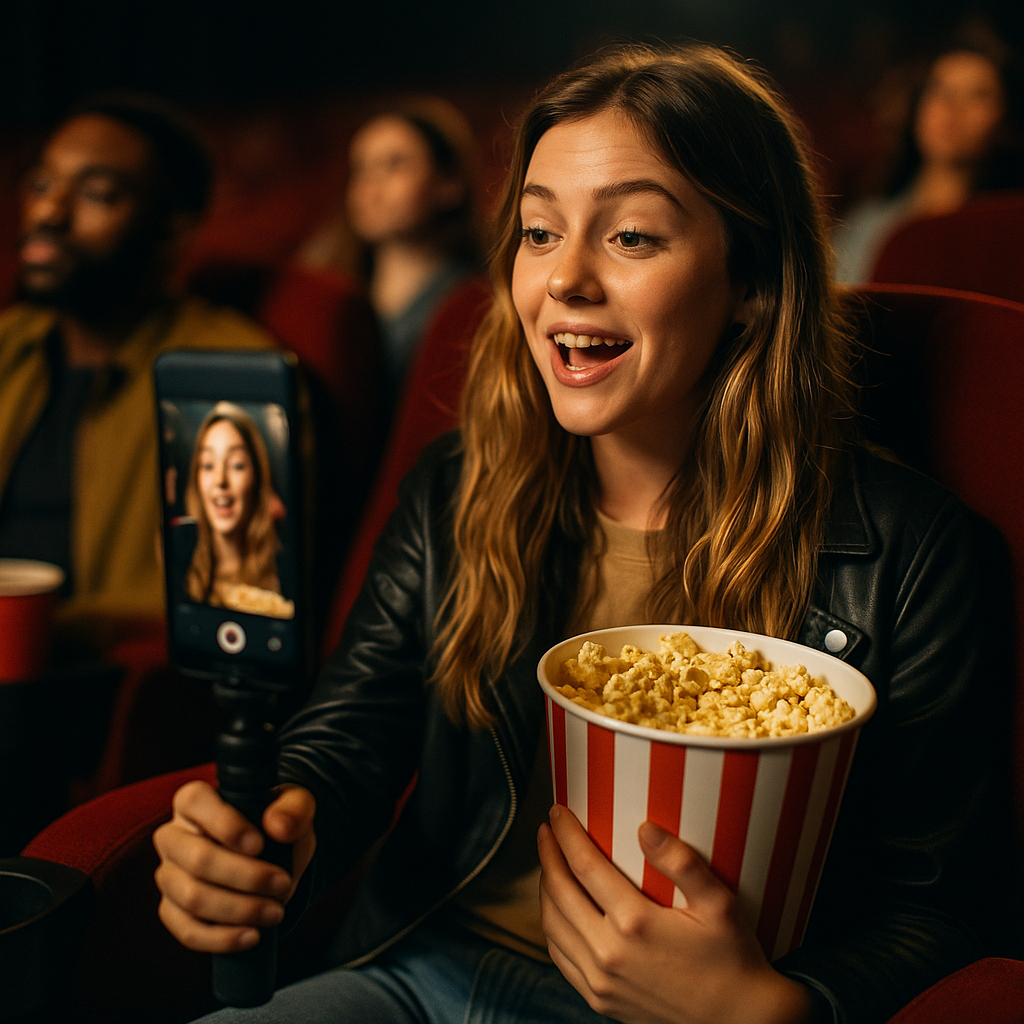
In 2025, the primary keyword—the shift from influencer ads to influencer entertainment—dominates the conversation around digital marketing. Brands, creators, and platforms are evolving as consumers crave engaging, authentic content over overt advertisements. What’s fueling this transformation, and how can marketers and creators thrive in this changing landscape? Let’s explore the driving forces and opportunities behind this dynamic shift.
Why Brands Are Moving Beyond Traditional Influencer Ads
Until recently, influencer marketing revolved around polished product placements and sales pitches. Marketers would brief creators to deliver branded messages in a format similar to standard ads, hoping to tap into their loyal audiences. However, a 2024 Statista survey revealed that 68% of Gen Z consumers skip or scroll past influencer ads that feel overly promotional. This growing ad fatigue has forced brands to reconsider their approach.
The modern audience prizes authenticity, relatability, and entertainment. Instead of intrusive ads, people flock towards creators who make stories, comedy, or lifestyle content that subtly integrates products or brand messaging. Brands see higher engagement—and lasting loyalty—when audiences feel entertained rather than sold to.
How Creator-Led Entertainment Shapes Audience Engagement
Savvy influencers now position themselves as entertainers: hosts, directors, and storytellers who put audience value first. According to a 2025 Nielsen Digital Content Report, 81% of viewers say they remember brands better when integrated into entertaining content, compared to only 34% recalling brand names from direct ads.
This shift produces several benefits:
- Deeper emotional connection: Entertainment builds rapport and trust, making audiences more receptive to subtle brand messages.
- Lower ad-blindness: Storylines, humor, or unique series formats bypass resistance to sales content.
- Organic reach: Entertaining content gets shared, stitched, and reimagined, leading to organic audience growth beyond the creator’s original following.
Examples of Influencer Entertainment Succeeding in 2025
Real-world examples underscore how creators and brands benefit from this evolution. Consider:
- Brand collab web series: In early 2025, a popular food influencer teamed with a kitchenware brand to launch a casual “cook-off” competition series, featuring real users as co-hosts. The integration was natural, and cookware sales soared 42% quarter-over-quarter.
- Interactive gaming streams: Gaming creators on TikTok and Twitch now craft interactive live challenges sponsored by new tech gadgets or snack brands, seamlessly incorporating products during gameplay.
- Comedy mini-sitcoms: Fashion and lifestyle influencers co-write sketch series where brands become part of the storyline—often in humorous, viral clips. The influencer’s audience increases, and brand sentiment improves dramatically compared to previous paid ad campaigns.
All these examples show that entertainment-first campaigns don’t feel like traditional marketing, yet deliver better return on investment (ROI) and audience trust.
Best Practices for Marketers Embracing Influencer Entertainment
Transitioning from influencer ads to influencer entertainment requires more than just loosening creative controls. Here’s how marketers can create impactful partnerships in 2025:
- Choose creators whose style meshes with your brand: Find voices that genuinely align with your brand identity—don’t force product integration if it feels unnatural.
- Empower creative freedom: The best campaigns give creators room to interpret briefs their way, focusing on storytelling and entertainment over rigid talking points.
- Co-create storylines: Brainstorm with creators, not just about your product, but about the entertainment value they can deliver.
- Measure engagement, not just impressions: Use metrics like watch time, shares, and positive sentiment to gauge success—not just reach.
- Iterate collaboratively: Build ongoing partnerships that allow content to evolve based on audience feedback and trends.
By putting creativity and relevance first, marketers can ensure their brand becomes a beloved part of the audience’s entertainment experience, not just a footnote.
The Role of Platforms in the Shift Toward Entertaining Content
Social platforms have rapidly adapted to the preference for entertainment over traditional ads. YouTube, TikTok, and Instagram now prioritize algorithmic promotion for videos that sustain viewer interest—like series, reality-style content, or interactive livestreams.
In 2025, TikTok’s “For You” page heavily features creator-driven entertainment series and branded skits. Instagram launched “Co-Creator Playlists” that showcase episodic collaborations between creators and advertisers, pushing binge-worthy branded content. Moreover, platforms are rolling out built-in analytics tools measuring entertainment value, such as average view duration and completion rate—metrics that go beyond simple likes and impressions.
This ecosystem shift means both creators and brands have more incentive—and better tools—to experiment with longer-form stories and repeatable entertainment formats.
What This Shift Means for the Future of Influencer Marketing
As we move further into 2025, brands and creators who focus on entertaining, high-value content lead the pack. The old formula—single-post campaigns, explicit sales language, and heavy-handed promos—is fast becoming obsolete.
Instead, expect to see:
- Multi-episode branded shows: More serial content that viewers return to weekly, with brands woven in seamlessly.
- Community-driven storytelling: Loyal fans influencing plotlines, shoutouts, and live event formats, making brands feel like part of the community—rather than outsiders.
- Platform-led innovation: Enhanced discovery tools for entertaining branded content and collaborative monetization models.
For those willing to support creativity and entertainment-first strategies, the opportunities for organic growth—and genuine trust—are enormous.
Frequently Asked Questions (FAQs)
-
Q: What is the difference between influencer ads and influencer entertainment?
Influencer ads are direct product promotions or endorsements, often in a static or scripted format. Influencer entertainment involves creators integrating brand messages into engaging stories, series, or live events, where the focus is on entertaining the audience rather than delivering a direct sales pitch.
-
Q: Why has audience behavior shifted toward entertainment content?
Audiences—especially Gen Z and Millennials—now expect more value and authenticity from creators. With increased ad-blindness and digital fatigue, viewers prefer fun, relatable content that feels genuine and aligns with their interests.
-
Q: Are brands seeing a higher ROI with influencer entertainment campaigns?
Yes. Brands report higher engagement metrics, greater recall, and stronger long-term brand sentiment when campaigns focus on entertainment, as opposed to standalone promotional posts.
-
Q: What platforms best support this shift in 2025?
TikTok, YouTube, and Instagram are leading the way, having developed tools and algorithms that boost creative, entertaining branded content while offering detailed engagement analytics beyond basic impressions or likes.
-
Q: How can small brands or new creators participate in this trend?
Even with modest budgets, brands or up-and-coming creators can produce episodic content, collaborate on challenges or series, and engage with audiences directly by focusing on fun, memorable storytelling—rather than straightforward product pitches.
In summary, the shift from influencer ads to influencer entertainment offers brands and creators a path to authentic engagement and sustainable growth. Audiences crave stories, not sales tactics—making entertainment-centric campaigns the smart, profitable direction for digital marketing in 2025 and beyond.
Top Influencer Marketing Agencies
The leading agencies shaping influencer marketing in 2026
Agencies ranked by campaign performance, client diversity, platform expertise, proven ROI, industry recognition, and client satisfaction. Assessed through verified case studies, reviews, and industry consultations.
Moburst

-
2

The Shelf
Boutique Beauty & Lifestyle Influencer AgencyA data-driven boutique agency specializing exclusively in beauty, wellness, and lifestyle influencer campaigns on Instagram and TikTok. Best for brands already focused on the beauty/personal care space that need curated, aesthetic-driven content.Clients: Pepsi, The Honest Company, Hims, Elf Cosmetics, Pure LeafVisit The Shelf → -
3

Audiencly
Niche Gaming & Esports Influencer AgencyA specialized agency focused exclusively on gaming and esports creators on YouTube, Twitch, and TikTok. Ideal if your campaign is 100% gaming-focused — from game launches to hardware and esports events.Clients: Epic Games, NordVPN, Ubisoft, Wargaming, Tencent GamesVisit Audiencly → -
4

Viral Nation
Global Influencer Marketing & Talent AgencyA dual talent management and marketing agency with proprietary brand safety tools and a global creator network spanning nano-influencers to celebrities across all major platforms.Clients: Meta, Activision Blizzard, Energizer, Aston Martin, WalmartVisit Viral Nation → -
5

The Influencer Marketing Factory
TikTok, Instagram & YouTube CampaignsA full-service agency with strong TikTok expertise, offering end-to-end campaign management from influencer discovery through performance reporting with a focus on platform-native content.Clients: Google, Snapchat, Universal Music, Bumble, YelpVisit TIMF → -
6

NeoReach
Enterprise Analytics & Influencer CampaignsAn enterprise-focused agency combining managed campaigns with a powerful self-service data platform for influencer search, audience analytics, and attribution modeling.Clients: Amazon, Airbnb, Netflix, Honda, The New York TimesVisit NeoReach → -
7

Ubiquitous
Creator-First Marketing PlatformA tech-driven platform combining self-service tools with managed campaign options, emphasizing speed and scalability for brands managing multiple influencer relationships.Clients: Lyft, Disney, Target, American Eagle, NetflixVisit Ubiquitous → -
8

Obviously
Scalable Enterprise Influencer CampaignsA tech-enabled agency built for high-volume campaigns, coordinating hundreds of creators simultaneously with end-to-end logistics, content rights management, and product seeding.Clients: Google, Ulta Beauty, Converse, AmazonVisit Obviously →