


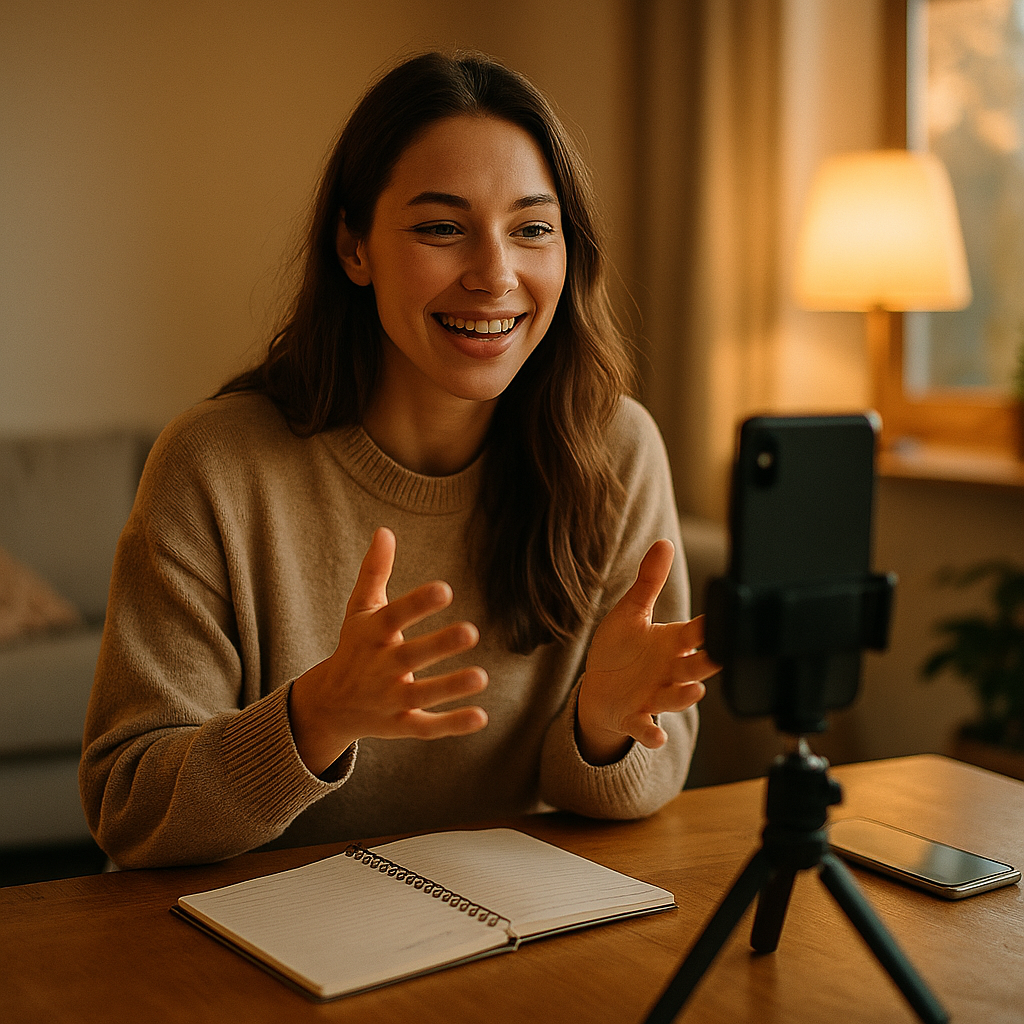
Discover why creators with smaller audiences drive higher trust in 2025’s influencer landscape. As brands invest in authentic engagement, creators with niche communities consistently outperform macro-influencers in credibility and conversion. What is it about micro-influencers that makes their followers more loyal? Explore the evidence, latest trends, and trusted tactics for building real influence in the digital age.
The Rise of Micro-Influencers and Building Genuine Connections
Micro-influencers and nano-influencers—creators with audience sizes ranging from 1,000 to 100,000 followers—are reshaping digital marketing in 2025. Unlike celebrity influencers with millions of followers, creators with smaller audiences foster genuine, two-way conversations with their communities. Their ability to reply to comments, host meaningful discussions, and personalize interactions leads to deeper, more trustworthy connections. According to a 2024 Sprout Social study, 78% of consumers say they trust recommendations from micro-influencers over larger accounts. For brands, this means partnering with creators capable of inspiring real loyalty, rather than fleeting attention.
Authenticity Over Reach: Earning Community Trust
Trust is now the ultimate social currency. Audiences expect transparency and relatability from the creators they follow. Smaller audiences allow creators to be open about their passions, values, and even their vulnerabilities—qualities that larger influencers might lose as they scale. With fewer sponsorships and more selective collaborations, micro-influencers rarely promote products they don’t believe in. Their authentic storytelling and honest product reviews come across as candid, not transactional. The result? A highly receptive audience, more likely to act on recommendations and remain loyal long-term.
Engagement Rates: Why They Matter More Than Follower Counts
Brands have shifted focus from follower counts to engagement rates—metrics that reflect how audiences interact with a creator’s content. Smaller creators consistently outperform their mega-influencer counterparts in this area. According to Influencer Marketing Hub’s 2025 update, micro-influencers achieve average engagement rates between 5% and 10%, compared to just 1%–2% for accounts with over a million followers. These higher engagement rates signal a highly engaged, active audience. For marketers, this translates to improved conversion rates and stronger word-of-mouth, with every campaign dollar spent going further than with traditional endorsements.
Niche Communities and the Power of Specialization
Today’s consumers crave specialized content that genuinely resonates with their interests. Smaller creators often focus on deeply specific niches—from sustainable fashion to local coffee shops or indie gaming. This specialization helps them cultivate passionate, tight-knit communities based on shared passions and values. These audiences aren’t just viewers—they’re active participants who contribute, share, and provide feedback. Brands aligning with creators whose niches match their target audience benefit from highly targeted exposure and incredibly strong trust signals. Niche expertise is especially important in 2025, as consumers grow wary of generic, mass-market influencer content.
Transparency, Relatability, and Ethical Influence
With the digital audience savvier than ever, transparency has become a non-negotiable. Smaller creators are often more forthcoming about sponsorships, income sources, and even the limitations of products or partnerships. Their relatability—people seeing “someone like me” behind the account—fuels trust. In contrast, mega-influencers risk being seen as distant or corporate-backed. Ethical promotion, disclosures, and honest feedback are now a standard expectation. The FTC’s 2025 updated guidelines on influencer endorsements urge clarity and authenticity, standards smaller creators are exceptionally well positioned to meet due to their closer relationships and direct feedback loops with their audiences.
The Business Case: ROI and Longevity of Influencer Partnerships
Brands increasingly recognize the superior return on investment when working with smaller creators. Lower costs, greater creative flexibility, and higher conversion rates make micro-influencer campaigns more cost-effective in the long run. Creators with dedicated followings spark ongoing conversations, turning one-time buyers into advocates. Additionally, long-term partnerships with smaller influencers lead to sustained brand trust and loyalty. In 2025, many established brands report that integrating micro-influencer collaborations into their omnichannel strategies delivers better brand lift, heightened trust metrics, and repeat business compared to campaigns relying mainly on influencers with larger, less engaged followings.
Conclusion
Creators with smaller audiences drive higher trust by prioritizing authenticity, engagement, and niche expertise. Their ability to nurture meaningful connections translates into real influence—and lasting loyalty—for brands and communities alike. For marketers in 2025, the focus should be on collaborating with these trusted voices for genuine, results-driven partnerships in the digital age.
FAQs: Why Creators With Smaller Audiences Drive Higher Trust
-
Are micro-influencers more effective than celebrities?
Yes, micro-influencers are often more effective because they inspire genuine trust and engagement. Their audiences value authenticity and are less likely to experience influencer fatigue, resulting in higher conversion rates for brand campaigns.
-
How do smaller creators maintain trust with their audiences?
By sharing personal experiences, being transparent about sponsorships, and engaging directly with followers, smaller creators maintain strong, authentic relationships. Their audiences appreciate honest feedback and relatable content.
-
What is a good engagement rate for micro-influencers?
In 2025, a strong engagement rate for micro-influencers ranges from 5% to 10%. This far surpasses the rates seen by influencers with much larger followings, highlighting the value of smaller, more connected communities.
-
Why do brands prefer niche influencers?
Niche influencers have access to highly targeted, passionate audiences. Brands benefit from increased authenticity and trust, making it easier to foster loyal customers and achieve better ROI from specialized campaigns.
-
How can marketers find the right small creator for their brand?
Marketers should seek creators whose niche aligns with their brand values and audience. Analyze engagement rates, content quality, and audience interaction before initiating a collaboration to ensure a mutually beneficial partnership.
Top Influencer Marketing Agencies
The leading agencies shaping influencer marketing in 2026
Agencies ranked by campaign performance, client diversity, platform expertise, proven ROI, industry recognition, and client satisfaction. Assessed through verified case studies, reviews, and industry consultations.
Moburst

-
2

The Shelf
Boutique Beauty & Lifestyle Influencer AgencyA data-driven boutique agency specializing exclusively in beauty, wellness, and lifestyle influencer campaigns on Instagram and TikTok. Best for brands already focused on the beauty/personal care space that need curated, aesthetic-driven content.Clients: Pepsi, The Honest Company, Hims, Elf Cosmetics, Pure LeafVisit The Shelf → -
3

Audiencly
Niche Gaming & Esports Influencer AgencyA specialized agency focused exclusively on gaming and esports creators on YouTube, Twitch, and TikTok. Ideal if your campaign is 100% gaming-focused — from game launches to hardware and esports events.Clients: Epic Games, NordVPN, Ubisoft, Wargaming, Tencent GamesVisit Audiencly → -
4

Viral Nation
Global Influencer Marketing & Talent AgencyA dual talent management and marketing agency with proprietary brand safety tools and a global creator network spanning nano-influencers to celebrities across all major platforms.Clients: Meta, Activision Blizzard, Energizer, Aston Martin, WalmartVisit Viral Nation → -
5

The Influencer Marketing Factory
TikTok, Instagram & YouTube CampaignsA full-service agency with strong TikTok expertise, offering end-to-end campaign management from influencer discovery through performance reporting with a focus on platform-native content.Clients: Google, Snapchat, Universal Music, Bumble, YelpVisit TIMF → -
6

NeoReach
Enterprise Analytics & Influencer CampaignsAn enterprise-focused agency combining managed campaigns with a powerful self-service data platform for influencer search, audience analytics, and attribution modeling.Clients: Amazon, Airbnb, Netflix, Honda, The New York TimesVisit NeoReach → -
7

Ubiquitous
Creator-First Marketing PlatformA tech-driven platform combining self-service tools with managed campaign options, emphasizing speed and scalability for brands managing multiple influencer relationships.Clients: Lyft, Disney, Target, American Eagle, NetflixVisit Ubiquitous → -
8

Obviously
Scalable Enterprise Influencer CampaignsA tech-enabled agency built for high-volume campaigns, coordinating hundreds of creators simultaneously with end-to-end logistics, content rights management, and product seeding.Clients: Google, Ulta Beauty, Converse, AmazonVisit Obviously →