


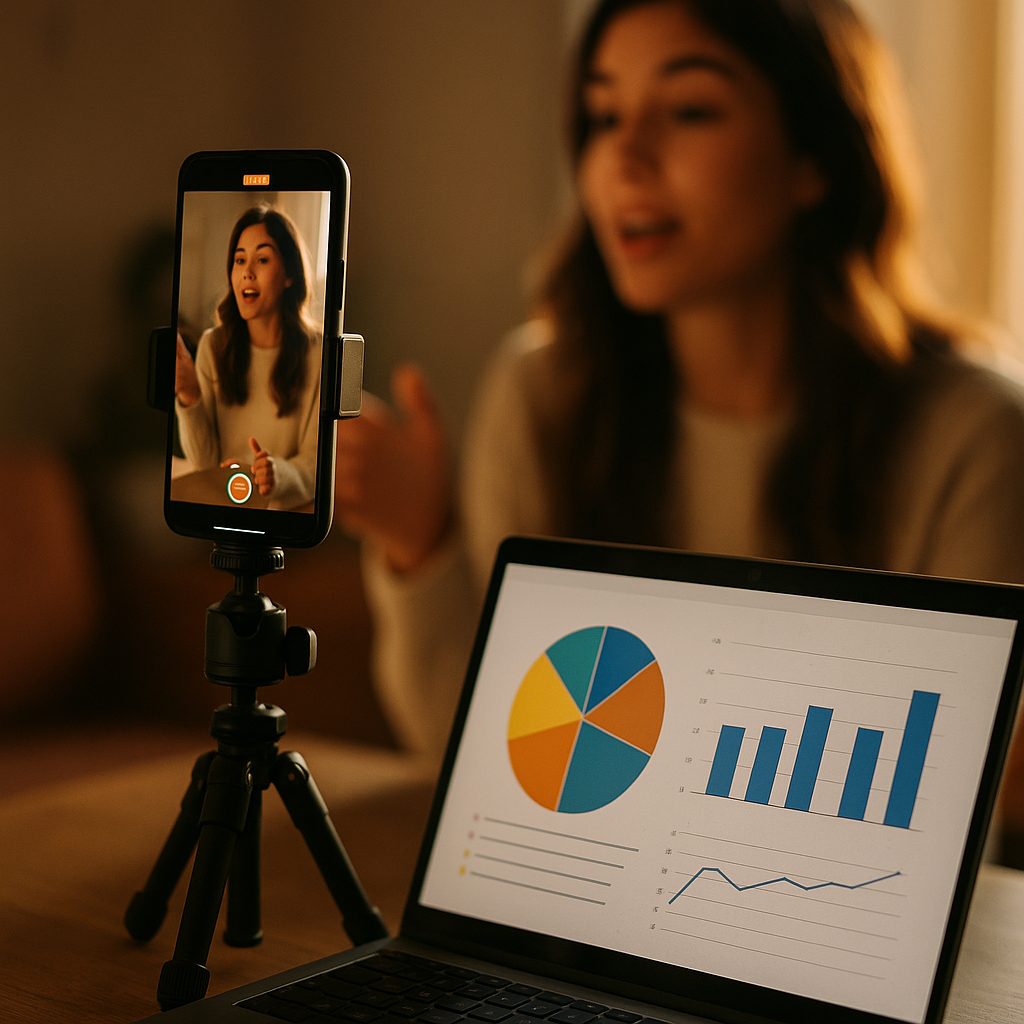
Want to harness today’s creator economy for strategic insight? Learning how to turn creators into your research channel can give you authentic, real-time market feedback faster than traditional surveys ever did. Read on to discover actionable ways to unlock creator-driven research—and gain an edge over competitors still stuck in slow, outdated methodologies.
Understanding the Power of Creator-Driven Research Insights
The explosion of online creators has transformed the landscape of consumer insights. In 2025, over 200 million creators publish original content across platforms. By tapping into these creators, companies can acquire direct access to authentic opinions, emerging trends, and even nuanced sentiments straight from real-world users and niche communities.
Unlike static focus groups or surveys, creators give you a constant stream of fresh content. Their lived experiences, observations, and audience interactions provide a goldmine for real-time research. This “creator-sourced” data is typically more diverse and up-to-the-minute compared to curated panels or outdated data sets.
Identifying and Selecting the Right Creators for Research Collaboration
The key to effective research via creators lies in careful selection. Not every influencer is fit for your data goals. To maximize success, start by outlining your research objectives—whether you seek product feedback, trend forecasting, or consumer sentiment studies. Then, target creators who:
- Regularly engage your desired demographic or market segment
- Create relevant content (niche or broad, depending on your intent)
- Demonstrate strong audience trust and transparent partnerships
- Exhibit data integrity and consistent, authentic interactions
Leverage creator discovery platforms, social listening tools, and vetted influencer networks. Aim for a mix of macro, micro, and nano creators to capture diversity. Vet each creator’s audience engagement and history to avoid biases or misleading data. If in doubt, pilot your program with a small group and expand based on quality and reliability.
Structuring Effective Creator Research Partnerships
Once you’ve identified promising creators, establish clear partnership terms. Structure collaborations to balance creative freedom with research consistency. Essential steps include:
- Defining research goals, timelines, and deliverables in a transparent brief
- Providing context—why creator perspectives matter and how their input drives decision-making
- Outlining preferred research formats—Q&A videos, social polls, community discussions, or feedback loops
- Ensuring ethical guidelines: disclose sponsorships, respect participant privacy, and comply with regulations
By positioning creators as partners in discovery—not just paid promoters—you foster better engagement and richer insights. Encourage creators to share honest feedback and leverage their unique voices for authentic results. Consider integrating creator research into longer-term brand advisory programs for maximum impact.
Collecting Meaningful Data and Measuring Impact
To turn creators into a reliable research channel, you need solid data collection and measurement protocols. Modern social analytics platforms can aggregate posts, comments, and sentiment at scale. Equip creators with tools to gather both qualitative and quantitative feedback—think audience polls, open-ended questions, and interactive content.
Key metrics to evaluate include:
- Volume and quality of feedback
- Emergence of patterns or actionable trends
- Engagement rates and community sentiment shifts
- Incremental lift in brand understanding or trust
Document insights in centralized dashboards, comparing creator-derived data with traditional market research for validation and triangulation. Leading brands now integrate creator input into product development cycles, campaign ideation, and ongoing brand monitoring.
Ensuring Authenticity, Privacy, and Creator Trust
In 2025, consumers—and the platforms they inhabit—demand transparency and ethical rigor. Treat creators as collaborators, not mouthpieces. Secure informed consent for all research initiatives and use anonymized or aggregated reporting where necessary.
Protect privacy, especially when creators facilitate sensitive feedback from their audiences. Adhere to evolving data compliance standards across regions. Remember: authenticity beats quantity. Audiences (and algorithms) reward genuine creator insights far more than scripted, transactional posts.
Leveraging Creator Insights for Agile Decision-Making
The greatest value in creator-based research is its agility. Insights from the creator economy help teams react instantly to shifts in preferences, pain points, or cultural conversations. For example, global beauty brands have replaced months-long consumer studies with creator collaboration—testing new product shades and formats, then iterating in real-time based on creator and audience feedback.
Blend creator insights with other first-party and third-party data sources for a rounded research strategy. The goal: replace guesswork with evidence-backed decisions, driven by the voices and lived experiences of those who shape opinions online.
In summary, converting creators into your research channel is more than a trend—it’s a proven innovation for fast, authentic market intelligence. Start small, prioritize ethical partnerships, and let genuine creator voices guide more informed business decisions from 2025 onward.
FAQs: Turning Creators Into Your Research Channel
-
Why are creators better research channels than traditional panels?
Creators engage real audiences daily, provide ongoing feedback, and reflect current cultural shifts in real time, unlike static panels that often lag behind trends or lack diversity. -
How can I ensure that creator feedback is reliable and unbiased?
Select a diverse pool of creators, cross-verify trends with other research, and look for patterns instead of relying on individual opinions. -
Do I need to compensate creators for research collaborations?
Fair compensation is crucial. Whether through monetary payment or exclusive collaborations, value their time and expertise to ensure authentic, committed participation. -
What tools help measure creator-driven research success?
Analytics platforms like Brandwatch, Sprout Social, and influencer CRM tools enable tracking of engagement, sentiment, and data impact across channels. -
Are there risks associated with creator research channels?
Poorly managed partnerships can lead to biased data or reputational risks. Mitigate this by prioritizing transparency, ethical compliance, and ongoing relationship management.
Top Influencer Marketing Agencies
The leading agencies shaping influencer marketing in 2026
Agencies ranked by campaign performance, client diversity, platform expertise, proven ROI, industry recognition, and client satisfaction. Assessed through verified case studies, reviews, and industry consultations.
Moburst

-
2

The Shelf
Boutique Beauty & Lifestyle Influencer AgencyA data-driven boutique agency specializing exclusively in beauty, wellness, and lifestyle influencer campaigns on Instagram and TikTok. Best for brands already focused on the beauty/personal care space that need curated, aesthetic-driven content.Clients: Pepsi, The Honest Company, Hims, Elf Cosmetics, Pure LeafVisit The Shelf → -
3

Audiencly
Niche Gaming & Esports Influencer AgencyA specialized agency focused exclusively on gaming and esports creators on YouTube, Twitch, and TikTok. Ideal if your campaign is 100% gaming-focused — from game launches to hardware and esports events.Clients: Epic Games, NordVPN, Ubisoft, Wargaming, Tencent GamesVisit Audiencly → -
4

Viral Nation
Global Influencer Marketing & Talent AgencyA dual talent management and marketing agency with proprietary brand safety tools and a global creator network spanning nano-influencers to celebrities across all major platforms.Clients: Meta, Activision Blizzard, Energizer, Aston Martin, WalmartVisit Viral Nation → -
5

The Influencer Marketing Factory
TikTok, Instagram & YouTube CampaignsA full-service agency with strong TikTok expertise, offering end-to-end campaign management from influencer discovery through performance reporting with a focus on platform-native content.Clients: Google, Snapchat, Universal Music, Bumble, YelpVisit TIMF → -
6

NeoReach
Enterprise Analytics & Influencer CampaignsAn enterprise-focused agency combining managed campaigns with a powerful self-service data platform for influencer search, audience analytics, and attribution modeling.Clients: Amazon, Airbnb, Netflix, Honda, The New York TimesVisit NeoReach → -
7

Ubiquitous
Creator-First Marketing PlatformA tech-driven platform combining self-service tools with managed campaign options, emphasizing speed and scalability for brands managing multiple influencer relationships.Clients: Lyft, Disney, Target, American Eagle, NetflixVisit Ubiquitous → -
8

Obviously
Scalable Enterprise Influencer CampaignsA tech-enabled agency built for high-volume campaigns, coordinating hundreds of creators simultaneously with end-to-end logistics, content rights management, and product seeding.Clients: Google, Ulta Beauty, Converse, AmazonVisit Obviously →