


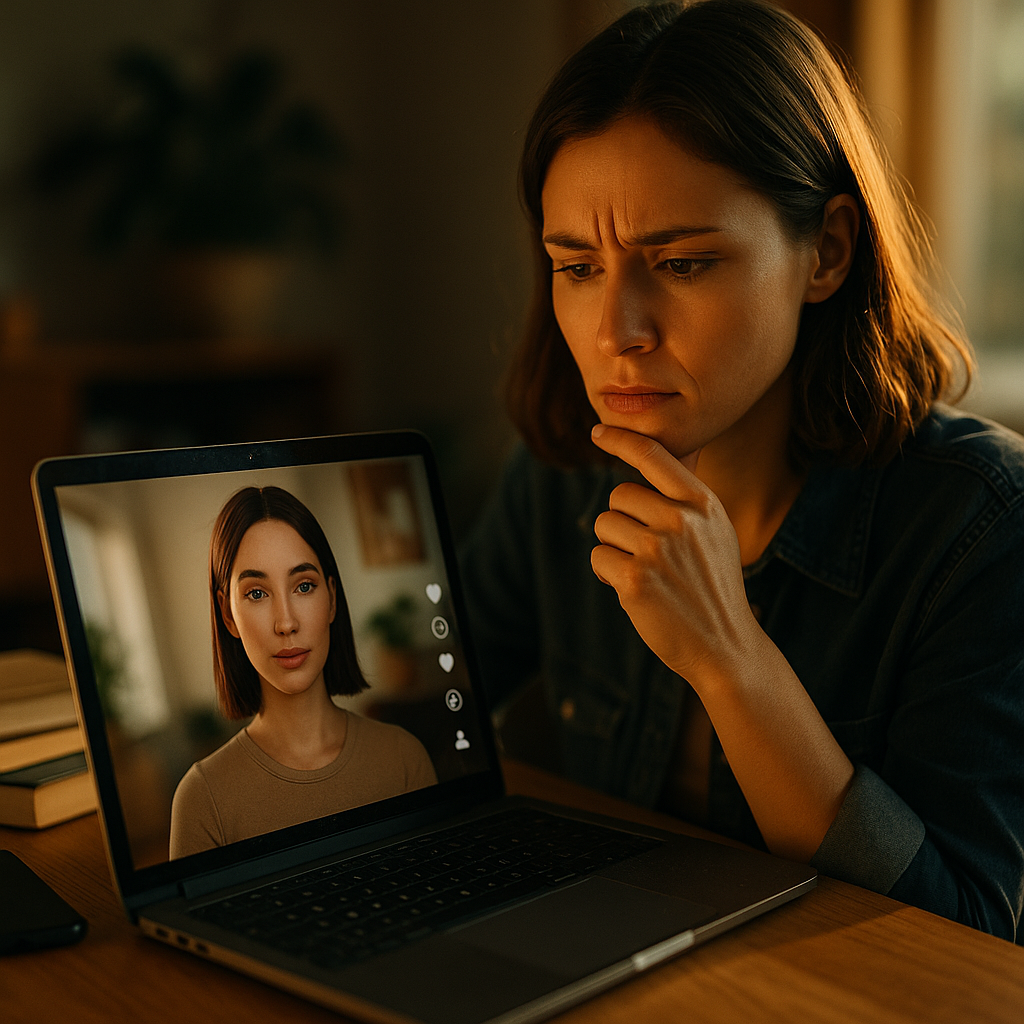
The rise of artificial personalities online has led brands to rethink digital engagement strategies, but the ethical considerations of virtual influencers present fresh challenges for marketers, audiences, and regulators in 2025. How do we ensure transparency, trust, and inclusivity while leveraging these uniquely digital brand ambassadors? Here’s what every stakeholder needs to know before joining the conversation.
Understanding Virtual Influencers: Digital Personas with Real-World Impact
Virtual influencers are computer-generated characters designed to engage audiences and promote products much like their human counterparts. Unlike traditional influencers, these digital personas are meticulously crafted by creative teams and run on scripted behavior and AI. Brands, agencies, and individuals have increasingly adopted them for their efficiency, creative flexibility, and global reach.
Some virtual influencers have amassed millions of followers and secured lucrative brand deals. According to a 2025 survey by Global Millennial Insights, 42% of Gen Z consumers follow at least one virtual influencer, with 60% reporting comparable trust to human celebrities. This surge demonstrates their undeniable influence but also brings ethical questions to the surface—especially as the boundaries between virtual personas and reality blur.
Transparency and Disclosure: The Cornerstone of Consumer Trust
The most pressing concern surrounding virtual influencers is transparency. Audiences need to know when they are interacting with AI-driven characters and whether content is sponsored. The Federal Trade Commission (FTC) and similar bodies now require explicit disclosure when virtual influencers are being used for marketing. Inadequate transparency can erode consumer trust and ultimately hurt brand reputation.
As part of Google’s EEAT (Experience, Expertise, Authoritativeness, and Trustworthiness) guidelines for 2025, brands are encouraged to:
- Clearly label virtual influencer accounts in bios, captions, and stories.
- Disclose commercial relationships—especially for sponsored content.
- Provide information about the team, technology, and intent behind the influencer’s persona.
Proactive transparency not only fulfills compliance but also enhances audience loyalty and platform integrity.
Representation and Diversity: Building Inclusivity in Digital Spaces
A central ethical consideration for virtual influencers is authentic representation. These digital personas offer an opportunity to showcase diverse cultures, identities, and experiences—yet they also risk perpetuating stereotypes when designed without thoughtful input.
In 2025, several advocacy groups have called on creators to:
- Engage consultants and community representatives in the design process, especially when depicting underrepresented groups.
- Avoid appropriating cultural elements or misrepresenting marginalized identities for commercial gain.
- Foster genuine inclusivity by supporting diverse voices both on and off-screen, including hiring creators from multiple backgrounds.
Brands leveraging virtual influencers have a unique responsibility to drive cultural progress rather than reinforce harmful tropes. Failure to do so can result in significant backlash and brand alienation among younger, socially conscious consumers.
Authenticity vs. Manipulation: The Psychology of Virtual Persuasion
Human connection is foundational to influencer marketing. But with AI-driven personas, questions arise about the authenticity of relationships built on algorithms. Are audiences aware of the scripted nature of their favorite virtual stars? And does this awareness affect how they process recommendations or endorsements?
An April 2025 Digital Behavior Analytics report found that 67% of virtual influencer followers appreciate the innovative storytelling offered, yet 55% have concerns about being emotionally manipulated by AI personas. Brands must tread carefully, ensuring narratives and endorsements maintain emotional honesty—even when originating from virtual entities.
- Engage in ethical storytelling that is transparent about fictional elements.
- Avoid exploiting emotional vulnerabilities, especially among younger audiences.
- Leverage feedback loops to gauge audience comfort and understanding.
Combining creative storytelling with clear communication strengthens bonds of trust, even within the digital landscape.
Data Privacy and Consent: Protecting User Interests
Virtual influencers often interact with users in real-time, generating and processing massive amounts of personal data to tailor content and engagement. Unlike traditional campaigns, these digital personalities may use sophisticated AI to analyze comments, track engagement metrics, and customize recommendations.
This raises significant questions about data privacy and consent:
- How is user data collected and used in virtual influencer campaigns?
- What measures are in place to safeguard personal information?
- Are users adequately informed about data usage policies?
Adhering to global data protection regulations such as the GDPR and emerging digital consumer rights acts is non-negotiable in 2025. Brands should be transparent about data practices, offer opt-out options, and conduct regular security audits to prevent misuse or breaches.
Accountability, Regulation, and the Future of Digital Ethics
The rapid adoption of virtual influencers necessitates robust accountability mechanisms. As public scrutiny increases, industry leaders and policymakers are working to establish frameworks guiding responsible creation, deployment, and promotion of virtual personas.
Key considerations for ongoing regulation include:
- Standardizing disclosure requirements and terminologies across platforms.
- Developing certification or verification processes for virtual influencers.
- Facilitating cross-industry collaborations to update ethical guidelines as technology evolves.
Ongoing dialogue among technologists, creators, regulators, and the public will be vital to ensure that innovation in this space benefits everyone while minimizing potential harm.
Conclusion: Striking the Balance in Virtual Influence
The ethical considerations of virtual influencers encompass transparency, inclusivity, authenticity, data privacy, and regulatory accountability. As brands embrace these digital entities, prioritizing ethical guidelines ensures sustainable engagement, public trust, and positive cultural impact. The digital landscape’s future depends not only on innovation but on principled, people-first strategies.
FAQs: Ethical Considerations of Virtual Influencers
-
What are virtual influencers?
Virtual influencers are computer-generated personas that brands or individuals use on social media to engage audiences and promote products, often powered by AI and creative teams.
-
Why is transparency important with virtual influencers?
Transparency ensures audiences know when content is created or promoted by AI-driven personas. Clear labeling and disclosure protect consumer trust and uphold industry regulations.
-
How can brands ensure authentic representation with virtual influencers?
Brands can involve diverse consultants in the design process, avoid cultural appropriation, and actively support inclusive narratives to ensure their virtual influencers authentically represent communities.
-
Are there laws regulating virtual influencers?
In 2025, several regulations require explicit disclosure of virtual influencer content and adherence to data privacy standards, with more guidelines expected as digital marketing evolves.
-
How is user data protected in virtual influencer campaigns?
Brands must comply with privacy laws by transparently informing users about data collection, securing information, and offering opt-out options for personal data usage.
Top Influencer Marketing Agencies
The leading agencies shaping influencer marketing in 2026
Agencies ranked by campaign performance, client diversity, platform expertise, proven ROI, industry recognition, and client satisfaction. Assessed through verified case studies, reviews, and industry consultations.
Moburst

-
2

The Shelf
Boutique Beauty & Lifestyle Influencer AgencyA data-driven boutique agency specializing exclusively in beauty, wellness, and lifestyle influencer campaigns on Instagram and TikTok. Best for brands already focused on the beauty/personal care space that need curated, aesthetic-driven content.Clients: Pepsi, The Honest Company, Hims, Elf Cosmetics, Pure LeafVisit The Shelf → -
3

Audiencly
Niche Gaming & Esports Influencer AgencyA specialized agency focused exclusively on gaming and esports creators on YouTube, Twitch, and TikTok. Ideal if your campaign is 100% gaming-focused — from game launches to hardware and esports events.Clients: Epic Games, NordVPN, Ubisoft, Wargaming, Tencent GamesVisit Audiencly → -
4

Viral Nation
Global Influencer Marketing & Talent AgencyA dual talent management and marketing agency with proprietary brand safety tools and a global creator network spanning nano-influencers to celebrities across all major platforms.Clients: Meta, Activision Blizzard, Energizer, Aston Martin, WalmartVisit Viral Nation → -
5

The Influencer Marketing Factory
TikTok, Instagram & YouTube CampaignsA full-service agency with strong TikTok expertise, offering end-to-end campaign management from influencer discovery through performance reporting with a focus on platform-native content.Clients: Google, Snapchat, Universal Music, Bumble, YelpVisit TIMF → -
6

NeoReach
Enterprise Analytics & Influencer CampaignsAn enterprise-focused agency combining managed campaigns with a powerful self-service data platform for influencer search, audience analytics, and attribution modeling.Clients: Amazon, Airbnb, Netflix, Honda, The New York TimesVisit NeoReach → -
7

Ubiquitous
Creator-First Marketing PlatformA tech-driven platform combining self-service tools with managed campaign options, emphasizing speed and scalability for brands managing multiple influencer relationships.Clients: Lyft, Disney, Target, American Eagle, NetflixVisit Ubiquitous → -
8

Obviously
Scalable Enterprise Influencer CampaignsA tech-enabled agency built for high-volume campaigns, coordinating hundreds of creators simultaneously with end-to-end logistics, content rights management, and product seeding.Clients: Google, Ulta Beauty, Converse, AmazonVisit Obviously →