


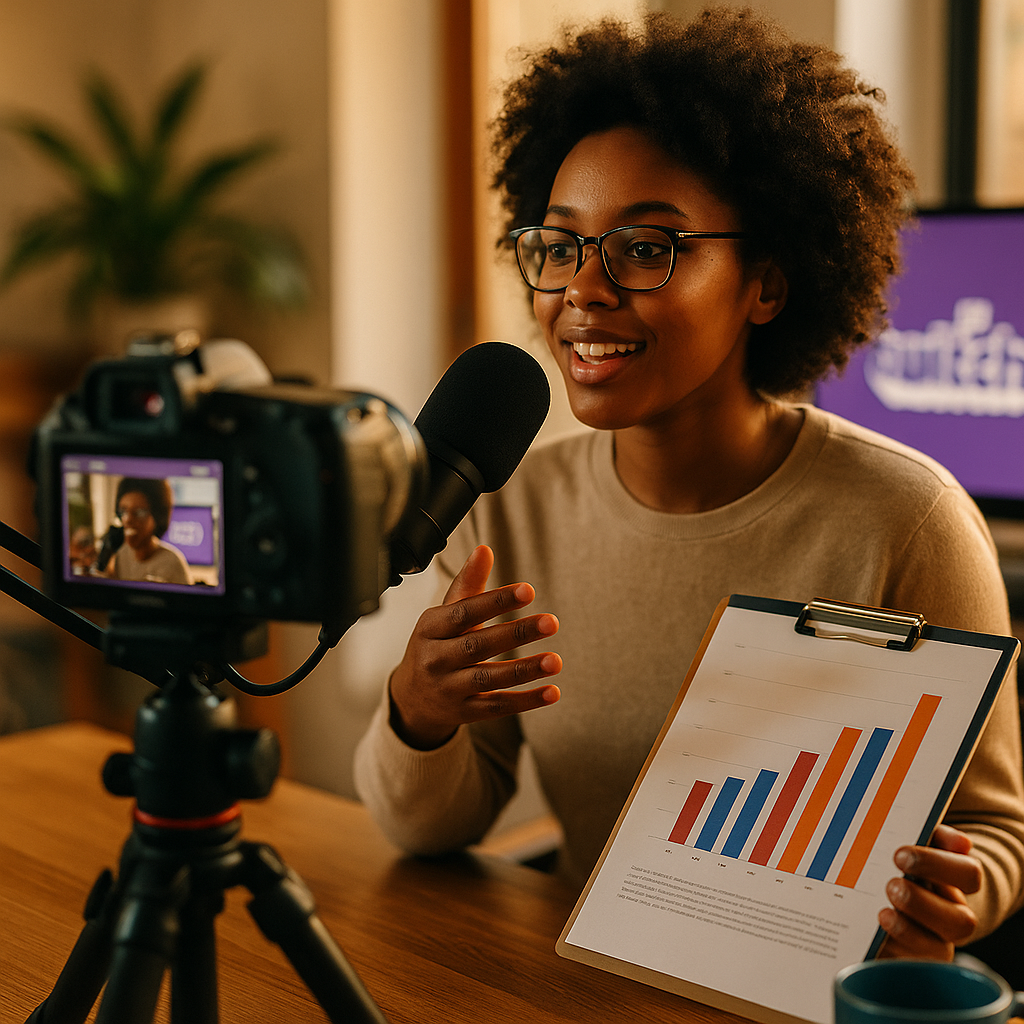
Twitch marketing for non-gaming brands offers untapped potential to reach highly engaged audiences. As streaming evolves in 2025, forward-thinking marketers beyond the gaming industry are building authentic connections on Twitch. Want to discover how your brand can thrive and grow using this dynamic platform? Read on for a comprehensive Twitch marketing guide tailored for non-gaming brands.
Understanding the Twitch Audience for Brand Growth
Twitch boasts over 35 million daily active users in 2025, according to industry reports, making it a prime venue for innovative marketing. While gaming content remains central, Twitch’s audience now extends to cooking, music, fitness, talk shows, and more. This wide-ranging viewer base values genuine interaction and community over traditional advertising. To succeed, brands must understand Twitch’s culture and values: authenticity, real-time engagement, and creator-driven content.
- Demographics: Diverse, with a strong presence among 18-34 year-olds, yet increasingly family-friendly and multi-generational.
- Behaviors: Viewers favor brands that support creators and participate authentically in streams, not just push ads.
- Opportunities: Brands in sectors like food, fashion, tech, education, and wellness regularly find success with interactive content formats.
Setting Up Your Non-Gaming Brand Channel on Twitch
Establishing a Twitch channel is foundational for any brand strategy. Even non-gaming brands can thrive by creating a professional, engaging presence on the platform.
- Create a Branded Profile: Use a clear profile picture, banner, and an optimized channel description. Outline who you are and why you’re on Twitch—show personality as well as professionalism.
- Setup Stream Elements: Add panels with links to your website, social channels, and FAQs. Ensure consistency in fonts, colors, and language to communicate your brand identity.
- Get the Right Equipment: Quality video, sound, and lighting are crucial for making a positive first impression. Invest in a reliable camera, microphone, and streaming software (like OBS or Streamlabs).
- Test Before Launch: Run private streams to work out any technical kinks. Test your overlays, alerts, and interactive features thoroughly.
This preparation ensures your brand stands out while appearing approachable to new fans and seasoned Twitch users alike.
Developing a Winning Twitch Content Strategy for Non-Gaming Brands
Success on Twitch hinges upon relevance and consistency. Non-gaming brands often excel by focusing on what they do best—then making it interactive and community-focused. Successful Twitch marketing for non-gaming brands typically blends education, entertainment, and direct audience involvement.
- IRL Streams: Host live Q&A sessions, product demos, or behind-the-scenes tours. Hospitality brands, for instance, can showcase chefs or mixologists at work, inviting real-time questions.
- Themed Series: Launch regular segments (e.g., “Monday Motivation” for wellness brands or “Style Saturdays” for fashion). Consistency builds anticipation and loyalty.
- Collaborate with Influencers: Partner with established Twitch creators in your vertical. Co-stream events or invite them for sponsored guest segments, leveraging their audience while earning credibility.
- Interactive Sessions: Run polls, live giveaways, or audience challenges using Twitch’s built-in tools. The more the viewers participate, the greater your brand’s impact.
- Educate and Inspire: Share expert advice, tutorials, or workshops. Brands in education, tech, wellness, and finance can demystify complex topics in an engaging way.
Consider what value your brand can provide live—then commit to a regular schedule to maximize audience retention and growth.
Twitch Advertising and Sponsorship Opportunities for Non-Gaming Brands
Twitch offers brands several paid and organic promotion avenues that extend beyond traditional banner ads. Understanding how to leverage Twitch’s advertising and sponsorship landscape is key for non-gaming brands aiming for visibility and engagement.
- Display and Video Ads: Place contextually relevant ads before and during streams, targeting interests like food, sports, music, or DIY. Data from 2025 shows that Twitch’s “Ad Experience Overlays” yield higher recall than static ads.
- Sponsorships and Partnerships: Sponsor streamers whose values and audience align with your brand. Supply branded products, create custom overlays, or co-develop unique stream events.
- Branded Integrations: Launch interactive activations such as chat commands, branded polls, or exclusive Twitch emotes. These tactics foster community around your brand naturally.
- Affiliate Campaigns: Utilize Twitch’s affiliate ecosystem to reach micro-communities. Affiliate marketers can champion your product in authentic ways, yielding better conversion rates with niche audiences.
Transparency and authenticity are key. Whenever you sponsor a streamer or integrate products into content, ensure full disclosure and prioritize genuine, entertaining experiences for viewers.
Measuring Twitch Marketing ROI and Success for Non-Gaming Brands
Non-gaming brands need to track real impact—from brand awareness to sales lift. With Twitch, the right measurement tools and KPIs offer actionable insights for continuous improvement.
- Viewership Metrics: Monitor live concurrent viewers, average watch time, chat activity, and follower growth. High engagement often translates to brand lift.
- Traffic & Conversions: Use unique URLs or QR codes shared on-stream to track referrals to your website and campaign pages. Monitor signups, sales, and coupon redemptions linked to Twitch promotions.
- Brand Sentiment: Analyze chat logs, social mentions, and community feedback to gauge brand perception shifts. Positive sentiment often predicts long-term ROI.
- Creator Feedback: Solicit feedback from collaborating Twitch streamers about content resonance, audience responses, and areas for future optimization.
Tools such as Twitch Analytics, Google Analytics, and third-party influencer platforms can surface granular insights. Continually test different formats and partnerships to pinpoint the combinations that maximize both reach and authenticity.
Best Practices and Ethical Considerations for Twitch Marketing in 2025
Building lasting trust on Twitch requires sensitivity to both community standards and platform rules. Non-gaming brands must uphold transparency and genuine creator partnerships.
- Disclose Sponsored Content: Always clearly label brand promotions, according to Twitch and regulatory guidelines. Transparent practices protect brand reputation and regulatory compliance.
- Respect Streamer Autonomy: Let creators adapt your message to fit their channel’s unique style and voice. Collaboration, not control, yields the best results.
- Foster Inclusivity: Ensure your campaigns reflect and respect Twitch’s diverse, global community. Promote positive and inclusive interactions in all branded streams.
- Adapt to Policy Updates: Twitch regularly updates its terms and advertising policies. Stay informed to prevent disruptions or negative brand exposure.
Brands that embrace these ethical guidelines, and show meaningful support of Twitch communities, earn loyalty and advocacy that extends far beyond the stream.
FAQs: Twitch Marketing Guide for Non-Gaming Brands
-
Can non-gaming brands really succeed on Twitch?
Absolutely. In 2025, brands in food, fashion, wellness, tech, finance, and education are building engaged audiences through creative live content and authentic creator partnerships.
-
How can a brand find the right Twitch streamers to partner with?
Start by searching for channels related to your industry. Review their audience demographics, community vibe, and engagement rates. Reach out with partnership proposals that fit mutually—and always prioritize authentic matches over sheer follower count.
-
Is it expensive to advertise a non-gaming brand on Twitch?
Costs vary greatly. You can choose between high-visibility ad placements, targeted mid-tier sponsorships, or micro-influencer partnerships. Even modest budgets drive results if the campaigns are well-targeted and genuinely interactive.
-
What mistakes should non-gaming brands avoid on Twitch?
Avoid static, overly commercial broadcasts, undisclosed sponsorships, and failing to engage viewers in real time. Twitch values transparency, creativity, and real interaction over polished ads.
In summary, Twitch marketing offers non-gaming brands a unique chance to connect with vibrant, engaged communities. By mastering authentic content, ethical partnerships, and interactive audience experiences, your brand can stand out and grow on Twitch in 2025. Start building your presence—the opportunities are just beginning.
Top Influencer Marketing Agencies
The leading agencies shaping influencer marketing in 2026
Agencies ranked by campaign performance, client diversity, platform expertise, proven ROI, industry recognition, and client satisfaction. Assessed through verified case studies, reviews, and industry consultations.
Moburst

-
2

The Shelf
Boutique Beauty & Lifestyle Influencer AgencyA data-driven boutique agency specializing exclusively in beauty, wellness, and lifestyle influencer campaigns on Instagram and TikTok. Best for brands already focused on the beauty/personal care space that need curated, aesthetic-driven content.Clients: Pepsi, The Honest Company, Hims, Elf Cosmetics, Pure LeafVisit The Shelf → -
3

Audiencly
Niche Gaming & Esports Influencer AgencyA specialized agency focused exclusively on gaming and esports creators on YouTube, Twitch, and TikTok. Ideal if your campaign is 100% gaming-focused — from game launches to hardware and esports events.Clients: Epic Games, NordVPN, Ubisoft, Wargaming, Tencent GamesVisit Audiencly → -
4

Viral Nation
Global Influencer Marketing & Talent AgencyA dual talent management and marketing agency with proprietary brand safety tools and a global creator network spanning nano-influencers to celebrities across all major platforms.Clients: Meta, Activision Blizzard, Energizer, Aston Martin, WalmartVisit Viral Nation → -
5

The Influencer Marketing Factory
TikTok, Instagram & YouTube CampaignsA full-service agency with strong TikTok expertise, offering end-to-end campaign management from influencer discovery through performance reporting with a focus on platform-native content.Clients: Google, Snapchat, Universal Music, Bumble, YelpVisit TIMF → -
6

NeoReach
Enterprise Analytics & Influencer CampaignsAn enterprise-focused agency combining managed campaigns with a powerful self-service data platform for influencer search, audience analytics, and attribution modeling.Clients: Amazon, Airbnb, Netflix, Honda, The New York TimesVisit NeoReach → -
7

Ubiquitous
Creator-First Marketing PlatformA tech-driven platform combining self-service tools with managed campaign options, emphasizing speed and scalability for brands managing multiple influencer relationships.Clients: Lyft, Disney, Target, American Eagle, NetflixVisit Ubiquitous → -
8

Obviously
Scalable Enterprise Influencer CampaignsA tech-enabled agency built for high-volume campaigns, coordinating hundreds of creators simultaneously with end-to-end logistics, content rights management, and product seeding.Clients: Google, Ulta Beauty, Converse, AmazonVisit Obviously →