


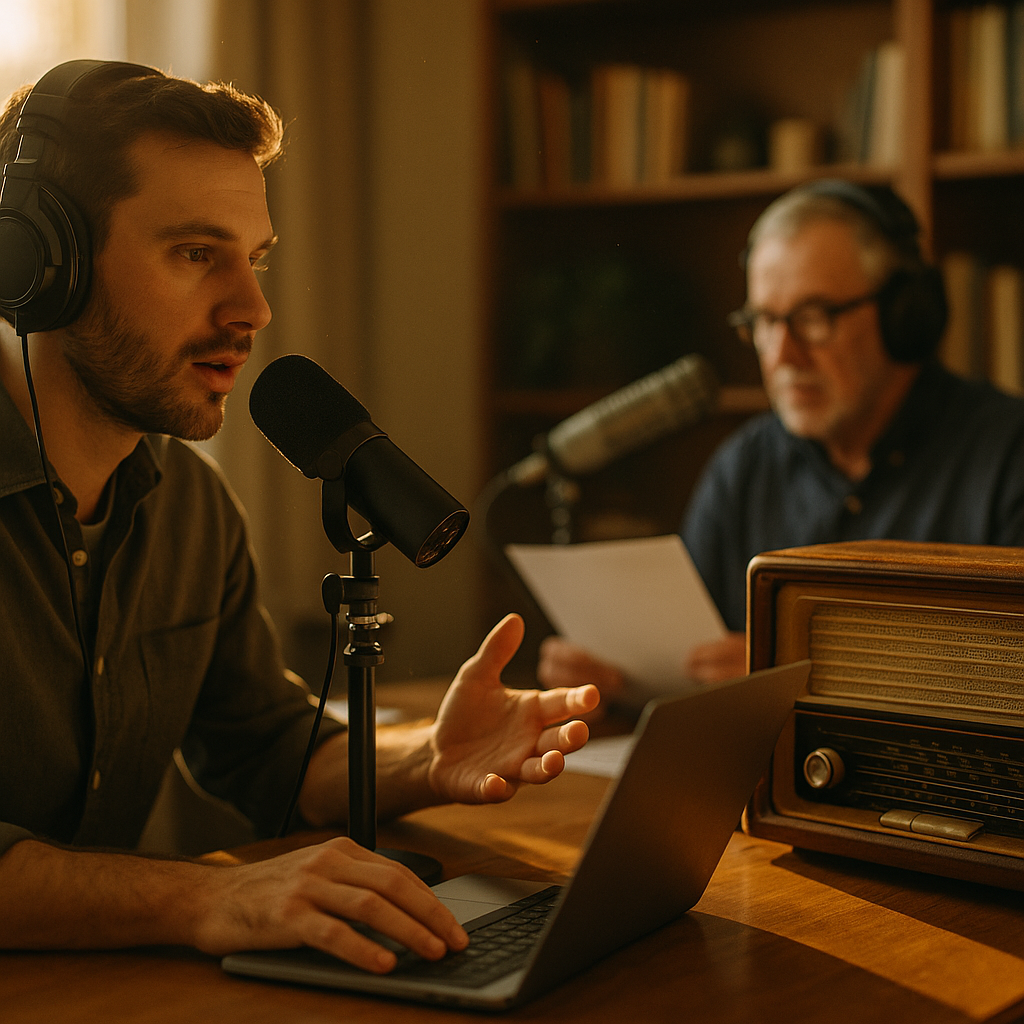
Podcaster sponsorships vs radio ads: which delivers better results for your brand in 2025? As media consumption habits evolve, advertisers must navigate the differences between these powerful audio formats. In this article, we break down each option, weighing the pros, cons, and unique opportunities—so you can make smart marketing decisions in today’s dynamic audio landscape.
Audience Reach and Demographics: Podcast vs Traditional Radio Listeners
Understanding the audience for each channel is crucial in choosing between podcaster sponsorships and radio ads. Podcast listeners in 2025 tend to be younger, digitally savvy, and highly engaged. According to Edison Research, over 60% of podcast listeners in the 18–34 age group listen weekly. Podcasts increasingly attract niche communities, allowing advertisers to target specific interests, professions, and lifestyles.
By contrast, traditional radio still commands a vast audience, especially among older demographics and those in vehicles. Nielsen data shows that radio’s weekly reach remains above 90% for adults aged 35–54. The format is especially effective for mass-market or location-based promotions, such as local businesses or events.
Ultimately, your choice depends on whether you want broad exposure (radio) or targeted reach with a hyper-engaged segment (podcasts).
Ad Format and Integration: Native Sponsorships vs Commercial Breaks
The structure and style of ads differ sharply between podcasts and radio. Podcaster sponsorships often take the form of host-read ads—organic messages delivered by trusted podcast personalities. These reads typically blend seamlessly into the content, making them feel more authentic and less intrusive. Studies show that host-read ads drive a 50% higher lift in brand recall compared to standard radio spots.
Radio ads are usually pre-produced, time-bound commercials inserted at scheduled breaks. While they can achieve creative impact, they are more likely to be perceived as interruptions, potentially leading to diminished attention.
Podcast sponsorships excel in campaigns that benefit from storytelling, in-depth product explanations, or trust from niche community leaders. Conversely, radio ads allow for greater frequency and are standardized for easy rotation across multiple programs and dayparts.
Measurement and ROI: Tracking Podcast Sponsorships and Radio Campaigns
Measuring effectiveness is key to any advertising investment. Podcast sponsorships provide sophisticated tracking options—unique promo codes, vanity URLs, and downloadable metrics enable advertisers to attribute actions directly to a campaign. Additionally, platforms like Spotify and Apple Podcasts deliver detailed analytics on impressions, engagement, and listener demographics.
Radio ads are traditionally measured by estimates such as reach, frequency, and audience ratings. While tools like Nielsen Audio provide market-level data, accurately attributing ROI is more challenging. Some stations now offer digital simulcasts or streaming integrations, enhancing measurement but still lacking the precision of podcast analytics.
If your campaign requires granular data and direct response tracking, podcast sponsorships lead the way. Radio offers robust brand lift but may fall behind in actionable attribution.
Costs and Pricing Models: CPM, Sponsorship, and Local Rates
Cost is a pivotal factor in the podcaster sponsorships vs radio ads decision. Podcast sponsorships commonly operate on a CPM (cost per thousand impressions) or flat-rate sponsorship model. Rates vary based on podcast popularity, host influence, and category. For instance, top-tier shows frequently command CPMs of $25–$50, while niche podcasts start closer to $18–$30 CPM.
Radio ad costs depend on format, market size, time slot, and audience reach. Local radio spots may run as low as $200 per week, while major metro stations and prime-time slots can exceed $5,000 per week. Bulk buys and extended campaigns often receive discounts. Radio excels when broad reach is needed for a cost-effective price, but inventory can be less flexible compared to podcasts’ host-read integrations.
Evaluating your budget and campaign goals will point you toward the optimal mix. Highly targeted campaigns with a premium audience may justify the higher effective CPM of podcast sponsorships, while price-sensitive brands seeking mass exposure may prefer radio.
Brand Safety, Trust, and Regulatory Considerations
Both podcast and radio advertising must address trust, compliance, and regulatory standards. Podcaster sponsorships put brand messaging directly in the hands of show hosts, making trust between advertiser, host, and audience vital. In 2025, brands increasingly view host vetting, content alignment, and pre-approved messaging as essential for effective podcast partnerships. Advertisers should verify show credentials and audience claims using reputable analytics platforms.
Radio ads operate under stricter FCC guidelines—especially for claims, political ads, and explicit content. This regulatory framework reduces risk for established brands but can limit creative flexibility compared to podcasts. Local stations must also maintain a public record of advertising sponsors, enhancing transparency in sensitive verticals.
Weigh your brand’s appetite for risk, control over messaging, and regulatory compliance when deciding between these options. Podcast sponsorships offer authenticity but require careful oversight; radio boasts established rules at the cost of creative intimacy.
Which Is More Effective: Real-World Campaign Outcomes
The question of effectiveness depends heavily on your objectives. Recent case studies indicate that podcast sponsorships consistently outperform radio in brand recall, authenticity, and engagement among niche audiences. Brands like Squarespace and HelloFresh report double-digit increases in customer acquisitions via podcast channels, citing trust earned through longstanding show partnerships.
For radio ads, success stories often relate to product launches, major retail events, or time-limited promotions needing widespread visibility. Radio advertising remains undefeated for day-and-date messaging to a mass audience—particularly in regions where digital adoption lags or car listening dominates.
Tailor your choice: podcasts for depth and credibility with a targeted audience; radio for reach, frequency, and locality.
FAQs About Podcaster Sponsorships vs Radio Ads
- Are podcast sponsorships more expensive than radio ads?
Podcast sponsorships usually carry a higher CPM but may be more cost-effective for niche targeting. Radio ads cover a wide pricing range depending on market size and time slot. - Which channel is better for local businesses?
Local radio excels at reaching nearby consumers quickly and efficiently. However, city-specific podcasts can also offer targeted sponsorship opportunities for regional brands. - How do I measure the performance of podcast ads?
Use promo codes, vanity URLs, and platform analytics to track listener engagement and conversions. Many podcast ad networks offer integration with attribution software for reliable ROI measurement. - Can radio ad campaigns also have digital components?
Yes, many radio stations simulcast online and offer cross-platform packages that include streaming ads, social promotion, and web banner placements, expanding your reach into digital audiences. - Is there a risk my brand will be placed next to controversial content in podcasts?
Brands can minimize this risk by thoroughly vetting shows, reviewing past episodes, and requesting pre-approval of ad copy before airing.
In summary, the podcaster sponsorships vs radio ads debate comes down to target audience, campaign goals, and measurement needs. Podcasts offer engagement and niche targeting, while radio delivers scale and immediacy. Assess your objectives to select the option that aligns best with your 2025 marketing strategy.
Top Influencer Marketing Agencies
The leading agencies shaping influencer marketing in 2026
Agencies ranked by campaign performance, client diversity, platform expertise, proven ROI, industry recognition, and client satisfaction. Assessed through verified case studies, reviews, and industry consultations.
Moburst

-
2

The Shelf
Boutique Beauty & Lifestyle Influencer AgencyA data-driven boutique agency specializing exclusively in beauty, wellness, and lifestyle influencer campaigns on Instagram and TikTok. Best for brands already focused on the beauty/personal care space that need curated, aesthetic-driven content.Clients: Pepsi, The Honest Company, Hims, Elf Cosmetics, Pure LeafVisit The Shelf → -
3

Audiencly
Niche Gaming & Esports Influencer AgencyA specialized agency focused exclusively on gaming and esports creators on YouTube, Twitch, and TikTok. Ideal if your campaign is 100% gaming-focused — from game launches to hardware and esports events.Clients: Epic Games, NordVPN, Ubisoft, Wargaming, Tencent GamesVisit Audiencly → -
4

Viral Nation
Global Influencer Marketing & Talent AgencyA dual talent management and marketing agency with proprietary brand safety tools and a global creator network spanning nano-influencers to celebrities across all major platforms.Clients: Meta, Activision Blizzard, Energizer, Aston Martin, WalmartVisit Viral Nation → -
5

The Influencer Marketing Factory
TikTok, Instagram & YouTube CampaignsA full-service agency with strong TikTok expertise, offering end-to-end campaign management from influencer discovery through performance reporting with a focus on platform-native content.Clients: Google, Snapchat, Universal Music, Bumble, YelpVisit TIMF → -
6

NeoReach
Enterprise Analytics & Influencer CampaignsAn enterprise-focused agency combining managed campaigns with a powerful self-service data platform for influencer search, audience analytics, and attribution modeling.Clients: Amazon, Airbnb, Netflix, Honda, The New York TimesVisit NeoReach → -
7

Ubiquitous
Creator-First Marketing PlatformA tech-driven platform combining self-service tools with managed campaign options, emphasizing speed and scalability for brands managing multiple influencer relationships.Clients: Lyft, Disney, Target, American Eagle, NetflixVisit Ubiquitous → -
8

Obviously
Scalable Enterprise Influencer CampaignsA tech-enabled agency built for high-volume campaigns, coordinating hundreds of creators simultaneously with end-to-end logistics, content rights management, and product seeding.Clients: Google, Ulta Beauty, Converse, AmazonVisit Obviously →