


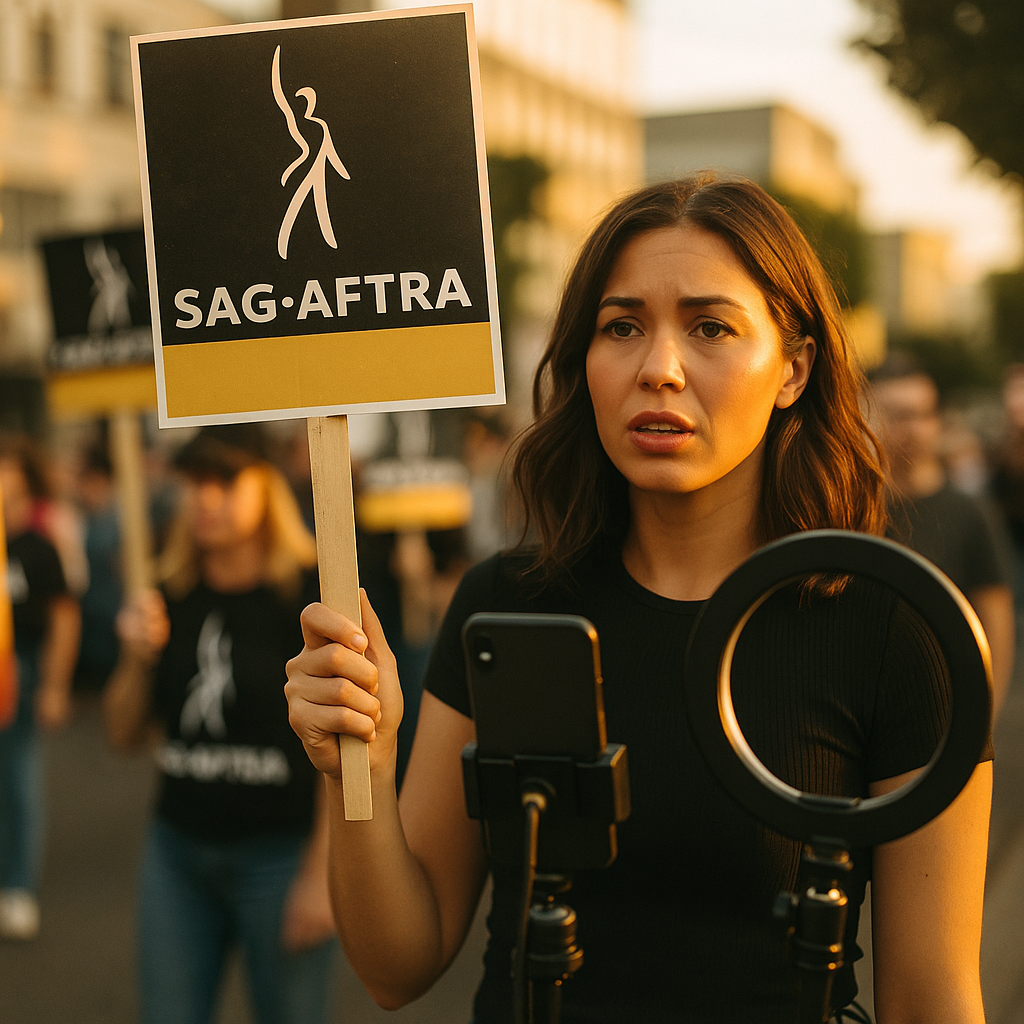
The saga of Hollywood labor unrest has rippled beyond film sets and writer’s rooms—now, one pressing question is how SAG-AFTRA strikes impact influencer content. As creators straddle the line between traditional media and the digital frontier, influencers face new rules and shifting opportunities. Understanding these changes is essential for brands, talent managers, and digital creators alike.
The SAG-AFTRA Strike Explained for Influencers
Most know SAG-AFTRA as the union representing actors and broadcast professionals, but its reach increasingly extends to digital creators too. During a strike, union members are restricted from working on projects for struck companies, which includes some influencer-branded content linked to those companies. In 2025, as streaming and digital platforms blur boundaries, many influencers find themselves navigating unfamiliar union mandates and restrictions.
SAG-AFTRA has issued detailed guidelines: union influencers must refrain from promoting content, products, or brands tied to struck companies. Even if influencers aren’t union members, brands often err on the side of caution, pausing partnerships to avoid negative publicity or contractual breaches. As influencer marketing becomes a strategic extension of entertainment publicity, this overlap grows even sharper.
Shifts in Influencer Brand Partnerships During the Strike
Brands quickly adapted their influencer strategies in response to the strike’s complexities. Companies affiliated with struck studios suspended or restructured their influencer campaigns, causing a dip in available brand deals for union-aligned creators. Data from leading talent agencies in 2025 shows a 28% reduction in entertainment-related influencer activations during the initial three months of the SAG-AFTRA strike.
Simultaneously, brands outside the entertainment sector capitalized on influencers’ unexpected availability. Non-studio companies in fashion, tech, and consumer goods sectors saw a 15% increase in influencer ROI, driven by increased creator bandwidth and audiences craving fresh content. For creators, this shift demanded agility but offered fresh avenues for partnership and audience engagement.
Legal and Ethical Concerns: Navigating Sponsorships Under Strike Rules
Unions hold significant sway in Hollywood, but influencer agreements introduce fresh legal challenges. Influencers who are union members risk steep penalties if they participate in promotion for struck companies; these can include union discipline or even loss of SAG-AFTRA membership benefits. Non-union creators, while not bound by contract, face ethical dilemmas.
Agencies and brands must vet influencers more rigorously than ever. Many established influencer management firms, including those cited in recent legal bulletins, are advising clients to expand contract language to clarify strike compliance. Relevant concerns include:
- Disclosures on sponsorship origin and brand affiliations
- Transparent communication about union status and content restrictions
- Potential need for indemnification clauses to safeguard against union challenges
This increased scrutiny underpins a movement towards greater accountability and transparency in the influencer marketing space.
Creative and Content Trends in the Wake of Strikes
With certain entertainment projects off limits, influencers swiftly pivoted their creative output. Rather than promoting new film releases or branded collaborations with major studios, many creators spotlighted:
- Independent films and small business partnerships
- Personal lifestyle, behind-the-scenes, or educational content related to union issues
- User-generated challenges, live streams, or Q&A formats not tied to struck companies
This adaptive strategy protected creators from legal pitfalls and engendered deeper audience loyalty. According to a 2025 survey by Social Influence Insights, over 63% of influencer audiences appreciated transparency around strike-related content shifts, and engagement rates remained stable or even improved for those who addressed the topic openly.
Long-Term Implications for Influencer Marketing and the Entertainment Industry
The 2025 strikes have redefined traditional boundaries, cementing influencers as powerful voices not only in commerce but in labor and industry discourse. Talent agencies are now investing in labor policy training for digital creators. Brands are demanding robust union-status disclosures as a compliance requirement for all creator partnerships.
Perhaps most significantly, the line dividing “Hollywood talent” and “digital creators” has faded. As streaming, podcasting, and multimedia projects continue to converge, experts predict lasting changes:
- Unionization efforts targeting social media talent
- Standardization of ethical sponsorship and disclosure practices
- Greater reliance on diversified influencer portfolios for brand campaigns
This new landscape increases the stakes for everyone in the creative economy, from agencies and platforms to individual creators pursuing sustainable careers.
Conclusion: Adapting to the New Norm for Influencer Content
SAG-AFTRA strikes impact influencer content in profound, multifaceted ways. Both creators and brands must now evolve with clear legal guidance, transparent communication, and creative agility. As digital influence converges with traditional industry, proactive adaptation remains the key to thriving in the ever-shifting landscape of entertainment and marketing.
Frequently Asked Questions
-
What does SAG-AFTRA mean for influencers?
If you are a union member, you must follow the same rules as actors, avoiding content tied to struck companies during a strike. Non-union influencers aren’t strictly bound, but often follow suit to maintain industry relationships.
-
Can brands still work with influencers during a SAG-AFTRA strike?
Yes—brands can work with non-union creators or those unaffiliated with struck companies. However, campaign guidelines may be stricter, prioritizing compliance and transparent partnership disclosures.
-
How do strikes change the type of content influencers produce?
Influencers pivot to non-entertainment, independent, or personal content, creatively working around union rules. Many share behind-the-scenes strike stories, independent project promotions, or focus on lifestyle and education.
-
Will union influence on influencer content continue to grow?
Yes, most experts predict greater integration. As more influencers unionize and brands prioritize labor-friendly partnerships, legal and ethical standards will play an even larger role in digital marketing.
-
What should influencers do if unsure about strike compliance?
Consult directly with SAG-AFTRA or your management agency for updated guidance. When in doubt, avoid controversial deals and prioritize open audience communication about your status and decisions.
Top Influencer Marketing Agencies
The leading agencies shaping influencer marketing in 2026
Agencies ranked by campaign performance, client diversity, platform expertise, proven ROI, industry recognition, and client satisfaction. Assessed through verified case studies, reviews, and industry consultations.
Moburst

-
2

The Shelf
Boutique Beauty & Lifestyle Influencer AgencyA data-driven boutique agency specializing exclusively in beauty, wellness, and lifestyle influencer campaigns on Instagram and TikTok. Best for brands already focused on the beauty/personal care space that need curated, aesthetic-driven content.Clients: Pepsi, The Honest Company, Hims, Elf Cosmetics, Pure LeafVisit The Shelf → -
3

Audiencly
Niche Gaming & Esports Influencer AgencyA specialized agency focused exclusively on gaming and esports creators on YouTube, Twitch, and TikTok. Ideal if your campaign is 100% gaming-focused — from game launches to hardware and esports events.Clients: Epic Games, NordVPN, Ubisoft, Wargaming, Tencent GamesVisit Audiencly → -
4

Viral Nation
Global Influencer Marketing & Talent AgencyA dual talent management and marketing agency with proprietary brand safety tools and a global creator network spanning nano-influencers to celebrities across all major platforms.Clients: Meta, Activision Blizzard, Energizer, Aston Martin, WalmartVisit Viral Nation → -
5

The Influencer Marketing Factory
TikTok, Instagram & YouTube CampaignsA full-service agency with strong TikTok expertise, offering end-to-end campaign management from influencer discovery through performance reporting with a focus on platform-native content.Clients: Google, Snapchat, Universal Music, Bumble, YelpVisit TIMF → -
6

NeoReach
Enterprise Analytics & Influencer CampaignsAn enterprise-focused agency combining managed campaigns with a powerful self-service data platform for influencer search, audience analytics, and attribution modeling.Clients: Amazon, Airbnb, Netflix, Honda, The New York TimesVisit NeoReach → -
7

Ubiquitous
Creator-First Marketing PlatformA tech-driven platform combining self-service tools with managed campaign options, emphasizing speed and scalability for brands managing multiple influencer relationships.Clients: Lyft, Disney, Target, American Eagle, NetflixVisit Ubiquitous → -
8

Obviously
Scalable Enterprise Influencer CampaignsA tech-enabled agency built for high-volume campaigns, coordinating hundreds of creators simultaneously with end-to-end logistics, content rights management, and product seeding.Clients: Google, Ulta Beauty, Converse, AmazonVisit Obviously →