


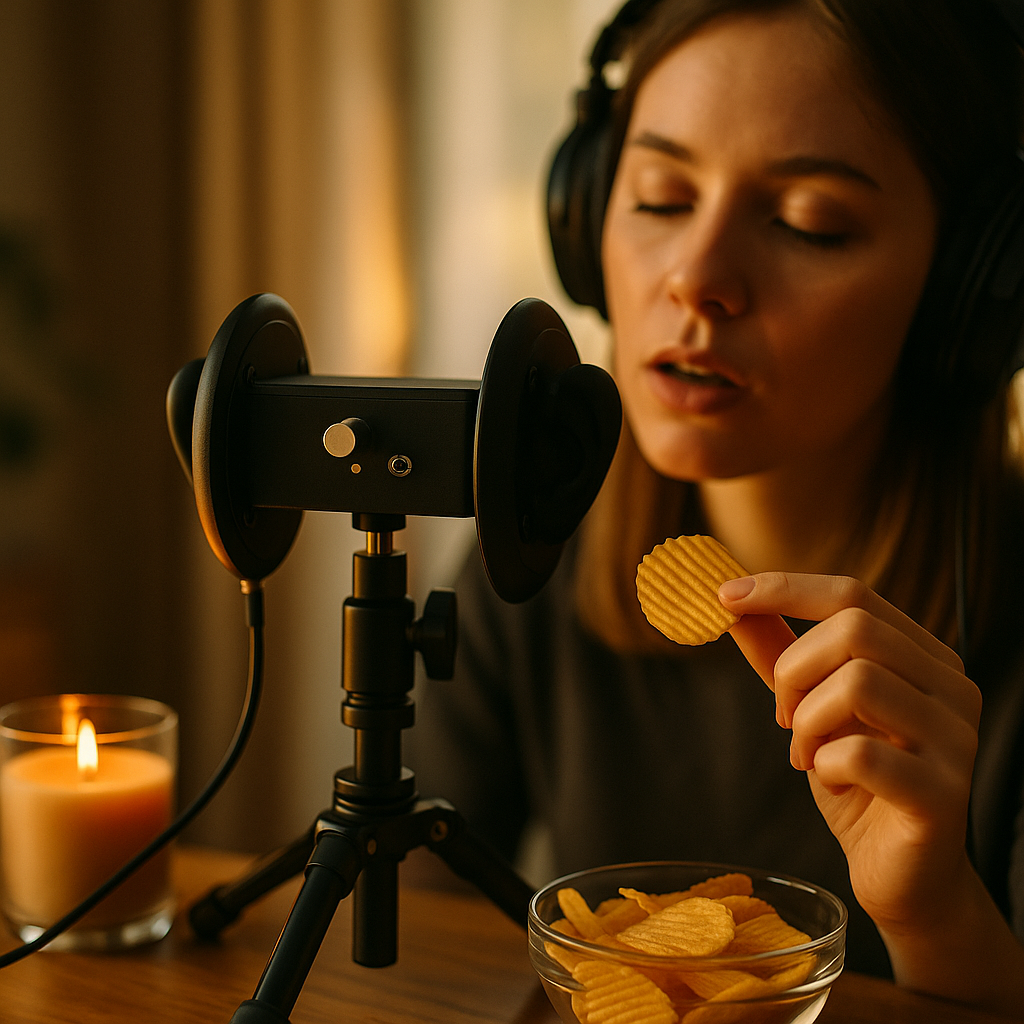
Utilizing ASMR for sensory brand experiences is fast becoming a strategic advantage for businesses across industries. Tapping into the power of soothing sounds and subtle textures, brands can now forge memorable connections that stand out in a crowded marketplace. Wondering how to weave ASMR into your own marketing? Let’s explore the innovation behind sensory-driven branding.
Why ASMR Matters for Immersive Marketing Experiences
ASMR—short for Autonomous Sensory Meridian Response—describes the pleasant tingling and deep relaxation people feel in response to soft, repetitive sounds or visuals. Across social platforms, ASMR content has earned billions of views and a passionate global audience. In 2025, with digital fatigue at an all-time high, brands are embracing this phenomenon to foster positive consumer emotions and deeper engagement.
Research from the International Journal of Advertising (2025) highlights that campaigns incorporating ASMR elements increase audience dwell time by an average of 37%. This sensory approach doesn’t just attract attention; it enhances recall, associate brand values with comfort, and encourages repeat interactions, especially among Gen Z and Millennial audiences.
Techniques for Integrating ASMR in Sensory Marketing Campaigns
Whether launching a new product or reshaping customer experience, integrating ASMR in marketing requires both authenticity and creativity. Here are several effective techniques:
- Audio Branding: Swap generic background scores for carefully curated ASMR sounds—like paper crinkling, gentle whispers, or pouring liquids—tailored to your brand identity.
- Product Demonstrations: Layer close-up audio of your product in use (e.g., the snap of a fresh soda can or the rustle of fabric) in video ads to stimulate auditory pleasure.
- In-Store Experiences: Combine soft soundscapes with tactile display elements, making shopping multisensory and more memorable.
- Interactive Digital Content: Use clickable ASMR elements on websites or mobile apps that let users explore and control sensory features themselves.
The key is to prioritize high-quality, uncompressed audio for digital content, and maintain subtlety to avoid overwhelming or alienating your audience.
ASMR Video Content: Best Practices for Brand Storytelling
Video remains the most popular medium for ASMR. For brands, this translates into opportunity—but only when content adheres to both audience expectations and Google’s helpful content criteria:
- Authentic Narratives: ASMR works best when it complements your brand’s story, not when it feels forced. Align soundscapes with your brand values and target demographic.
- Professional Sound Engineering: Invest in binaural microphones and noise isolation to deliver crisp, immersive sounds that stand out, even on mobile devices.
- Subtle Visuals: Minimalist editing with slow-paced, close-up scenes maintains the relaxing, hypnotic quality audiences seek from ASMR.
- Clear Accessibility: Subtitles for whispers and detailed audio descriptions ensure inclusivity for diverse viewers.
Brands like Lush and Apple have seen remarkable increases in social media shares and positive brand sentiment after debuting ASMR-driven content, signaling its value for brand storytelling.
Measuring the Impact of Sensory Engagement on Brand Loyalty
Businesses should assess ASMR’s effect on sensory brand experiences using data-driven approaches. Consider the following strategies for quantifying success:
- Engagement Analytics: Track metrics such as dwell time, click-through rates, video completion rates, and audience retention on ASMR-enabled campaigns.
- Brand Lift Surveys: Use pre- and post-campaign surveys to gauge shifts in brand perception, emotional response, and purchase intent.
- Social Listening: Monitor sentiment analysis tools to measure how audiences describe their sensory experience and emotional connection after engaging with your content.
- Repeat Interactions: Evaluate increases in return visits, reshares, or subscriptions as indicators of long-term loyalty fostered by ASMR marketing.
Recent case studies reveal that sensory-first campaigns lead to, on average, a 22% lift in brand favorability and increased word-of-mouth recommendations, further justifying sensory integration.
ASMR Branding: Ethical and Practical Considerations
While the benefits of ASMR are clear, brands must approach sensory strategies with care and empathy:
- Transparency: Inform users when content includes ASMR triggers, especially for those with sensory processing sensitivities.
- Diversity: Recognize that people respond differently to specific sounds or textures—test and offer multiple sensory options where possible.
- Data Privacy: When using behavioral analytics, protect consumer data in compliance with evolving privacy standards.
- Inclusivity: Design for all users, considering accessibility needs in both digital and in-person experiences.
Ethical sensory branding not only builds trust but ensures your efforts reach the widest—and most loyal—possible audience.
Future Trends: The Evolving Role of ASMR in Multisensory Marketing
Looking ahead in 2025, ASMR stands poised to evolve alongside innovations in immersive technology and personalized branding:
- AI-Driven Personalization: Brands will soon use AI to deliver custom ASMR experiences based on individual sensory preferences.
- Integration with AR/VR: ASMR will enhance augmented and virtual reality activations, delivering hyper-realistic, multi-sensory brand interactions.
- Expanded Platforms: Voice assistants, podcast sponsorships, and web-based applications offer fresh spaces for tactile and auditory brand play.
By adopting these trends early, marketers can craft truly differentiated experiences that resonate far beyond traditional advertising noise.
In conclusion, the skillful use of ASMR in sensory brand experiences creates more lasting, meaningful connections and memorable moments for consumers. By grounding your approach in authenticity, empathy, and data, your brand can stand out—one relaxing sound at a time.
FAQs: Utilizing ASMR for Sensory Brand Experiences
- What is ASMR and why has it become popular in branding?
ASMR stands for Autonomous Sensory Meridian Response—a relaxing sensation experienced in response to certain sounds or visuals. Brands use ASMR to evoke positive emotions, deepen engagement, and boost recall by making marketing more immersive and pleasant. - How do I choose which ASMR sounds are best for my brand?
Select sounds that align with your brand identity and audience preferences. Common triggers include whispering, tapping, crinkling, and pouring. Test options with real users and be ready to offer alternatives for diverse sensory responses. - What industries benefit most from ASMR marketing?
ASMR branding has seen success in beauty, food and beverage, retail, wellness, and tech industries. Any sector focused on emotional connection and sensory enjoyment can experiment with ASMR to drive engagement. - Is ASMR appropriate for all target audiences?
While many find ASMR soothing, some may be indifferent or even averse to specific sounds. Always offer transparency about ASMR use and consider gathering audience feedback to ensure a positive reception. - How can I measure the effectiveness of ASMR in my marketing?
Track engagement analytics, conduct brand lift surveys, and monitor social sentiment. Look for increases in dwell time, return visits, positive mentions, and conversions as proof of ASMR’s impact on your sensory brand experience.
Top Influencer Marketing Agencies
The leading agencies shaping influencer marketing in 2026
Agencies ranked by campaign performance, client diversity, platform expertise, proven ROI, industry recognition, and client satisfaction. Assessed through verified case studies, reviews, and industry consultations.
Moburst

-
2

The Shelf
Boutique Beauty & Lifestyle Influencer AgencyA data-driven boutique agency specializing exclusively in beauty, wellness, and lifestyle influencer campaigns on Instagram and TikTok. Best for brands already focused on the beauty/personal care space that need curated, aesthetic-driven content.Clients: Pepsi, The Honest Company, Hims, Elf Cosmetics, Pure LeafVisit The Shelf → -
3

Audiencly
Niche Gaming & Esports Influencer AgencyA specialized agency focused exclusively on gaming and esports creators on YouTube, Twitch, and TikTok. Ideal if your campaign is 100% gaming-focused — from game launches to hardware and esports events.Clients: Epic Games, NordVPN, Ubisoft, Wargaming, Tencent GamesVisit Audiencly → -
4

Viral Nation
Global Influencer Marketing & Talent AgencyA dual talent management and marketing agency with proprietary brand safety tools and a global creator network spanning nano-influencers to celebrities across all major platforms.Clients: Meta, Activision Blizzard, Energizer, Aston Martin, WalmartVisit Viral Nation → -
5

The Influencer Marketing Factory
TikTok, Instagram & YouTube CampaignsA full-service agency with strong TikTok expertise, offering end-to-end campaign management from influencer discovery through performance reporting with a focus on platform-native content.Clients: Google, Snapchat, Universal Music, Bumble, YelpVisit TIMF → -
6

NeoReach
Enterprise Analytics & Influencer CampaignsAn enterprise-focused agency combining managed campaigns with a powerful self-service data platform for influencer search, audience analytics, and attribution modeling.Clients: Amazon, Airbnb, Netflix, Honda, The New York TimesVisit NeoReach → -
7

Ubiquitous
Creator-First Marketing PlatformA tech-driven platform combining self-service tools with managed campaign options, emphasizing speed and scalability for brands managing multiple influencer relationships.Clients: Lyft, Disney, Target, American Eagle, NetflixVisit Ubiquitous → -
8

Obviously
Scalable Enterprise Influencer CampaignsA tech-enabled agency built for high-volume campaigns, coordinating hundreds of creators simultaneously with end-to-end logistics, content rights management, and product seeding.Clients: Google, Ulta Beauty, Converse, AmazonVisit Obviously →