


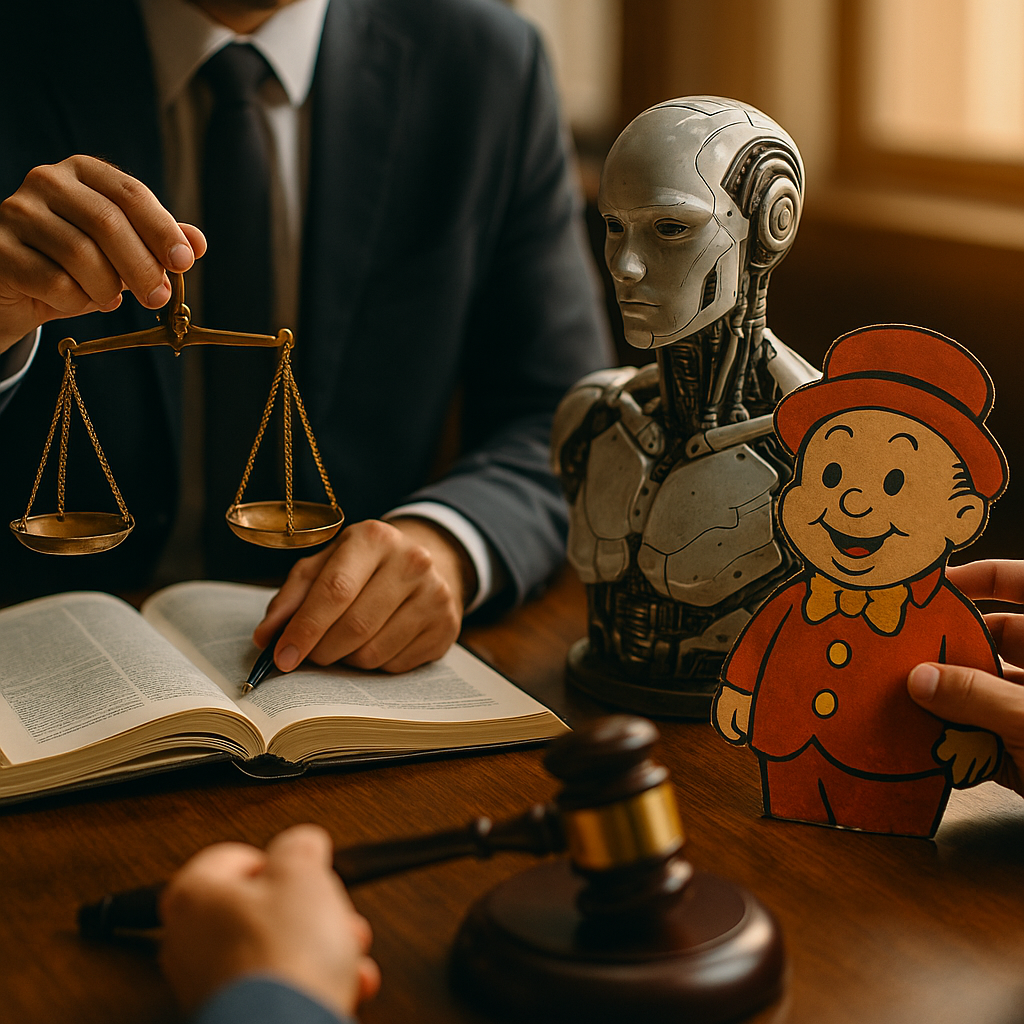
In 2025, brands can recreate beloved mascots, spokescharacters, and founders using generative tools, but the legal ground is complex. Legal considerations for using AI to resurrect historical brand icons span intellectual property, publicity rights, advertising rules, and data governance. Get it wrong and you risk injunctions, takedowns, backlash, and costly settlements. Get it right and you unlock safe, scalable nostalgia marketing—so what must you check first?
Trademark and trade dress risks when reviving brand icons
Most “brand icons” are protected first and foremost by trademark. Names, logos, character images, taglines, distinctive packaging, and even signature colors can function as source identifiers. When AI generates new artwork, voice, or video for an old icon, your legal exposure often turns on whether the output creates consumer confusion or dilutes a famous mark.
Start with ownership and chain of title. Many historical icons changed hands through acquisitions, licensing deals, or agency agreements. Before commissioning AI creative, confirm who owns the character, the stylized depiction, and any associated marks. Do not assume that because your company used the icon decades ago, it still owns all rights today.
Assess trademark scope across jurisdictions. A character may be registered in one country and unregistered in another, or registered in limited classes that do not cover your new digital use. AI-driven expansions—games, AR filters, virtual assistants—can fall outside the original goods/services list. That mismatch can invite third-party challenges or require new filings.
Watch for “modernized” trade dress issues. AI may introduce subtle but meaningful changes: different proportions, updated wardrobe, new color palettes, or packaging variations. If your icon or packaging is iconic enough to be protectable trade dress, changes can weaken your own distinctiveness while also risking conflicts with others. Build a review step where brand counsel validates that outputs remain consistent with protected brand cues.
Plan for enforcement and platform realities. If you release AI-generated content, you may need to police unauthorized derivatives, deepfakes, or counterfeit merch. Clarify in advance how you will issue takedowns, what evidence you can supply, and whether your licensing terms allow rapid enforcement. Having a documented brand style guide and registered marks strengthens your position.
Copyright and AI-generated derivatives of legacy characters
Copyright often governs the underlying artwork, scripts, animations, and character expression—even when trademark also applies. Using AI to “revive” an icon commonly involves creating a derivative work, which typically requires permission from the copyright owner.
Identify what’s copyrighted. A character’s visual depiction (specific drawings), voice recordings, filmed commercials, jingles, and storylines can each carry separate rights. Your proposed campaign might rely on training a model on old ads, reusing frames, or generating “in the style of” the original illustrator. Each path creates different risk:
- Reusing original assets (e.g., scanning old cel art) is straightforwardly a reproduction requiring rights clearance.
- Generating new assets that are substantially similar to copyrighted depictions can still be infringing if it copies protectable expression.
- Referencing a general idea (e.g., “a cheerful baker”) is less risky than recreating distinctive character features.
Do not treat “AI made it” as a defense. If your company directs the creative, selects prompts, curates outputs, and publishes the result, you are the party most likely to face a claim. Contracts with agencies or AI vendors should include indemnities, warranty language on training data practices, and a clear allocation of risk for infringement allegations.
Confirm you can claim and enforce rights in the output. Laws on copyrightability of AI-assisted works vary by jurisdiction, and platform terms can affect what rights you receive. In 2025, a practical approach is to ensure meaningful human creative control—concept development, iterative direction, editing, compositing, and final selection—then document that process. This helps with both ownership clarity and future enforcement.
Use a “source asset register.” Maintain a record of all historical materials used (ad reels, voice lines, drawings, scripts), their owners, and their permitted uses. This avoids accidental overreach when teams pull assets from archives or public sources with unclear provenance.
Right of publicity and post-mortem personality rights for deceased icons
Some “brand icons” are not fictional—they are real people: founders, celebrity endorsers, announcers, or models. Recreating them with AI triggers right of publicity concerns: the right to control commercial use of one’s name, image, likeness, voice, or other identifying traits.
Assume that death does not end the analysis. Many jurisdictions recognize post-mortem rights for a defined period, often enforceable by estates. Even where a statutory right is unclear, estates may bring claims under unfair competition, false endorsement, passing off, privacy, or defamation theories, depending on the content.
Separate “iconic character” from “actor performance.” A mascot may be fictional, but the voice or mannerisms may be strongly associated with a particular performer. AI voice cloning is a frequent flashpoint. If consumers could reasonably believe the original performer (or their estate) approved the ad, you face heightened risk.
Get written permissions that fit AI realities. Traditional talent releases may not cover synthetic replicas, model training, or future re-use. Strong modern agreements typically address:
- Scope (channels, territories, campaign types, formats including interactive and personalized ads)
- Term (how long you can use the synthetic likeness and whether it can be renewed)
- Model training and storage (what data is used, retention periods, security controls)
- Approval rights (review of scripts, final cuts, and prohibited contexts)
- Attribution and disclosure (whether you will label the content as AI-generated)
Reduce reputational and legal exposure with a “dignity standard.” Even with rights cleared, brands should avoid uses that could be seen as exploitative or misleading—political messaging, sensitive topics, or humor at the person’s expense. A documented review committee (legal, brand, DEI/ethics, and PR) helps demonstrate responsible governance if a dispute arises.
Consumer protection, endorsement disclosures, and deepfake advertising rules
Revived icons can influence consumer trust, which places the work under advertising and consumer protection scrutiny. Regulators and self-regulatory bodies generally focus on whether ads are truthful, not misleading, and properly substantiated. AI-generated spokescharacters can raise unique issues of implied endorsement and authenticity.
Avoid false endorsement signals. If an AI recreation looks or sounds like a real person, consumers may infer a current endorsement. Make endorsements explicit and accurate. If no endorsement exists, do not imply it through on-screen cues, voiceover language, or “behind-the-scenes” content that suggests participation.
Disclose material information when it matters. Not every AI use needs a label, but if the “realness” of the person is central to the ad’s message—or if you are simulating a deceased founder as if speaking today—clear disclosure can prevent deception claims and reduce backlash. Keep disclosures prominent, understandable, and close to the relevant claim.
Substantiate performance claims. Nostalgia campaigns often combine icon revival with product relaunch claims (“original formula,” “same taste,” “improved performance”). Ensure you can substantiate those claims with competent evidence. Do not let a synthetic spokesperson’s authority substitute for proof.
Plan for platform and political-content restrictions. Major platforms increasingly restrict manipulated media in certain contexts, especially around elections or sensitive topics. Even if your ad is commercial, it can be swept into “synthetic media” policies. Pre-clear with platforms when planning large buys, and retain documentation that the content is authorized and non-deceptive.
Implement a deepfake incident protocol. Once you revive an icon, impostors may follow. Prepare a response plan: monitoring, rapid takedown templates, public statements, and verification markers (official channels, watermarking, signed content manifests where available).
Data governance, model training, and vendor contracts for synthetic media
Legal risk often starts long before launch—at data collection, model training, and vendor selection. A brand that cannot explain how the synthetic icon was created may struggle to defend against IP claims, privacy complaints, or regulator questions.
Use lawful, well-documented training inputs. If you fine-tune a model on archival ads, illustration files, or voice recordings, confirm you have rights to use those materials for training, not merely for display. Licenses sometimes limit use to specific media, periods, or purposes. Training may be treated as a separate use requiring additional permission.
Minimize data and secure it. When working with a real person’s likeness or voice, treat the underlying files as sensitive biometric-adjacent data. Apply role-based access, encryption, audit logs, and strict retention limits. Only store what you need to meet the creative goal and contractual obligations.
Demand transparency from vendors. Your contracts should address:
- Training data provenance and compliance warranties
- No reuse of your assets to train general models (unless explicitly approved)
- Confidentiality and security standards aligned with your risk profile
- Indemnities and caps that match the likely exposure for IP/personality claims
- Output ownership and permitted re-use by the vendor
- Audit rights and incident notification timelines
Document human oversight to support quality and compliance. Maintain a creative decision log: prompts, iterations, selection criteria, edits, and approvals. This helps with IP strategy, consumer protection defenses, and internal accountability.
Build a clearance workflow that matches speed. AI can generate hundreds of variants in hours. Without guardrails, teams may publish unreviewed content. Establish a “no-release without clearance” rule, pre-approved prompt libraries, and automated checks (logo misuse, restricted phrases, prohibited contexts) before legal review.
International licensing strategy and litigation readiness for revived icons
Brands rarely revive a historical icon for a single market. Cross-border campaigns require a licensing strategy that anticipates how rights differ by jurisdiction and how disputes unfold in practice.
Map rights by territory. Trademark registrations, copyright ownership, and publicity rights vary widely. Build a territory matrix covering: owner, term, registration status, known conflicts, and required notices. Use it to decide where you can launch immediately and where you need additional filings or permissions.
Structure licenses for modern channels. Older agreements may not cover streaming, social, in-app ads, personalization, or interactive experiences. If you are renegotiating with an estate, agency, or prior rights holder, define digital uses precisely and include rights for edits, localization, and accessibility adaptations.
Prepare for challenges to authenticity and confusion. Disputes often focus on what consumers understood. Preserve evidence that supports your position: consumer-facing disclosures, internal approvals, and creative rationale. If you ran consumer testing or brand-lift studies, retain them under privilege where appropriate.
Have a “kill switch.” Litigation or regulator inquiries move fast. Build technical capability to pause campaigns, swap creatives, and remove assets across platforms. Ensure you can revoke vendor access and disable synthetic models if needed.
Consider insurance and reserve planning. For major launches, evaluate media liability or IP infringement coverage that addresses synthetic media scenarios. Align coverage with the true risk: personality rights, copyright, trademark, and advertising injury.
FAQs
Can we legally use AI to recreate a deceased founder in advertising?
Often, but only with careful rights clearance. You may need permission from the estate or rights holder, and you must avoid misleading consumers into thinking the person personally endorsed the message. Build a written license that covers synthetic replication, channels, term, approvals, and data handling.
Does owning the trademark for an old mascot mean we can generate new AI content freely?
Not always. Trademark ownership helps with brand identity, but the character artwork, animations, and recordings may be copyrighted by a different party (e.g., an illustrator, studio, or agency). Clear both trademark and copyright, and confirm contracts cover new digital uses and AI production.
Is “training a model” on archived commercials different from reusing the commercials?
Yes. Licenses that allow you to show old ads may not permit using the underlying footage, audio, or artwork for model training or fine-tuning. Treat training as a distinct use and get explicit rights or use properly licensed training datasets.
Do we need to disclose that the spokesperson is AI?
Not in every case, but disclosure is prudent when the synthetic nature is material to consumer understanding—especially when simulating a real person or implying a current endorsement. Clear, proximate disclosure reduces deception risk and can prevent reputational fallout.
Who owns the AI-generated version of our historical icon?
It depends on jurisdiction, human creative contribution, and your vendor contracts. Ensure your agreements assign all transferable rights to you, restrict vendor reuse, and document human direction and editing to support protectability and enforcement.
What are the biggest contract terms to negotiate with an AI studio or platform?
Provenance and compliance warranties, security controls, no reuse of your assets for general training, ownership/assignment of outputs, indemnities sized to realistic exposure, audit rights, and rapid incident notification. Also define approval workflows and prohibited uses to avoid off-brand or risky outputs.
Reviving a historical brand icon with AI can be lawful and effective in 2025, but it demands disciplined clearance and governance. Focus on trademarks and copyrighted expression, verify publicity and estate permissions for real people, and align advertising disclosures with consumer expectations. Lock down training data rights, vendor terms, and rapid takedown processes. The takeaway: treat synthetic nostalgia as a regulated production, not a quick creative shortcut.
Top Influencer Marketing Agencies
The leading agencies shaping influencer marketing in 2026
Agencies ranked by campaign performance, client diversity, platform expertise, proven ROI, industry recognition, and client satisfaction. Assessed through verified case studies, reviews, and industry consultations.
Moburst

-
2

The Shelf
Boutique Beauty & Lifestyle Influencer AgencyA data-driven boutique agency specializing exclusively in beauty, wellness, and lifestyle influencer campaigns on Instagram and TikTok. Best for brands already focused on the beauty/personal care space that need curated, aesthetic-driven content.Clients: Pepsi, The Honest Company, Hims, Elf Cosmetics, Pure LeafVisit The Shelf → -
3

Audiencly
Niche Gaming & Esports Influencer AgencyA specialized agency focused exclusively on gaming and esports creators on YouTube, Twitch, and TikTok. Ideal if your campaign is 100% gaming-focused — from game launches to hardware and esports events.Clients: Epic Games, NordVPN, Ubisoft, Wargaming, Tencent GamesVisit Audiencly → -
4

Viral Nation
Global Influencer Marketing & Talent AgencyA dual talent management and marketing agency with proprietary brand safety tools and a global creator network spanning nano-influencers to celebrities across all major platforms.Clients: Meta, Activision Blizzard, Energizer, Aston Martin, WalmartVisit Viral Nation → -
5

The Influencer Marketing Factory
TikTok, Instagram & YouTube CampaignsA full-service agency with strong TikTok expertise, offering end-to-end campaign management from influencer discovery through performance reporting with a focus on platform-native content.Clients: Google, Snapchat, Universal Music, Bumble, YelpVisit TIMF → -
6

NeoReach
Enterprise Analytics & Influencer CampaignsAn enterprise-focused agency combining managed campaigns with a powerful self-service data platform for influencer search, audience analytics, and attribution modeling.Clients: Amazon, Airbnb, Netflix, Honda, The New York TimesVisit NeoReach → -
7

Ubiquitous
Creator-First Marketing PlatformA tech-driven platform combining self-service tools with managed campaign options, emphasizing speed and scalability for brands managing multiple influencer relationships.Clients: Lyft, Disney, Target, American Eagle, NetflixVisit Ubiquitous → -
8

Obviously
Scalable Enterprise Influencer CampaignsA tech-enabled agency built for high-volume campaigns, coordinating hundreds of creators simultaneously with end-to-end logistics, content rights management, and product seeding.Clients: Google, Ulta Beauty, Converse, AmazonVisit Obviously →