


In 2025, subscription and repeat-purchase brands face a blunt reality: customers have more options, less patience, and higher expectations. This case study shows how a mid-sized CPG brand used Inchstone Rewards to reduce churn by redesigning loyalty around real behavior, not generic discounts. You’ll see the strategy, the setup, and the outcomes—plus the lessons you can apply today to protect revenue.
CPG customer churn reduction: the starting point and business context
The brand in this case sells better-for-you pantry staples through a hybrid model: direct-to-consumer subscriptions and retail distribution. DTC provided strong margins and first-party data, but churn had become the limiter on growth. After an acquisition campaign earlier in 2025, the brand noticed a familiar pattern: strong first-month volume followed by a drop in the second and third month.
Leadership defined churn in practical terms: customers who stop buying across DTC and fail to re-engage within a set window. On the subscription side, churn appeared as cancellations, skipped shipments, and credit-card failures. On the replenishment side, it showed up as customers who never returned after an initial trial.
The team pulled together a cross-functional “retention pod” including CRM, ecommerce, customer support, and finance. Their initial audit surfaced three churn drivers they could actually influence:
- Low early product confidence: customers liked the brand mission but were uncertain about product fit and how to use it.
- Promo conditioning: many customers waited for discounts, then left when offers stopped.
- Weak habit formation: customers didn’t build a weekly routine with the products, so replenishment felt optional.
The goal wasn’t “more points.” It was to increase retained revenue without creating a margin sink. That required a loyalty system that rewarded the behaviors that predict long-term value, not just repeat transactions.
Inchstone Rewards loyalty program: strategy, program design, and governance
The brand chose Inchstone Rewards loyalty program because it could be configured to reinforce specific retention behaviors while keeping control of cost per point and reward liability. The team started with a retention hypothesis:
If customers complete a set of “commitment behaviors” in the first 30 days, they become meaningfully less likely to churn.
They then designed a three-layer program that mapped directly to the customer journey:
- Onboarding milestones: points for completing a “Get Started” checklist that improved product confidence (e.g., saving a “how-to” guide, selecting dietary preferences, and setting replenishment cadence).
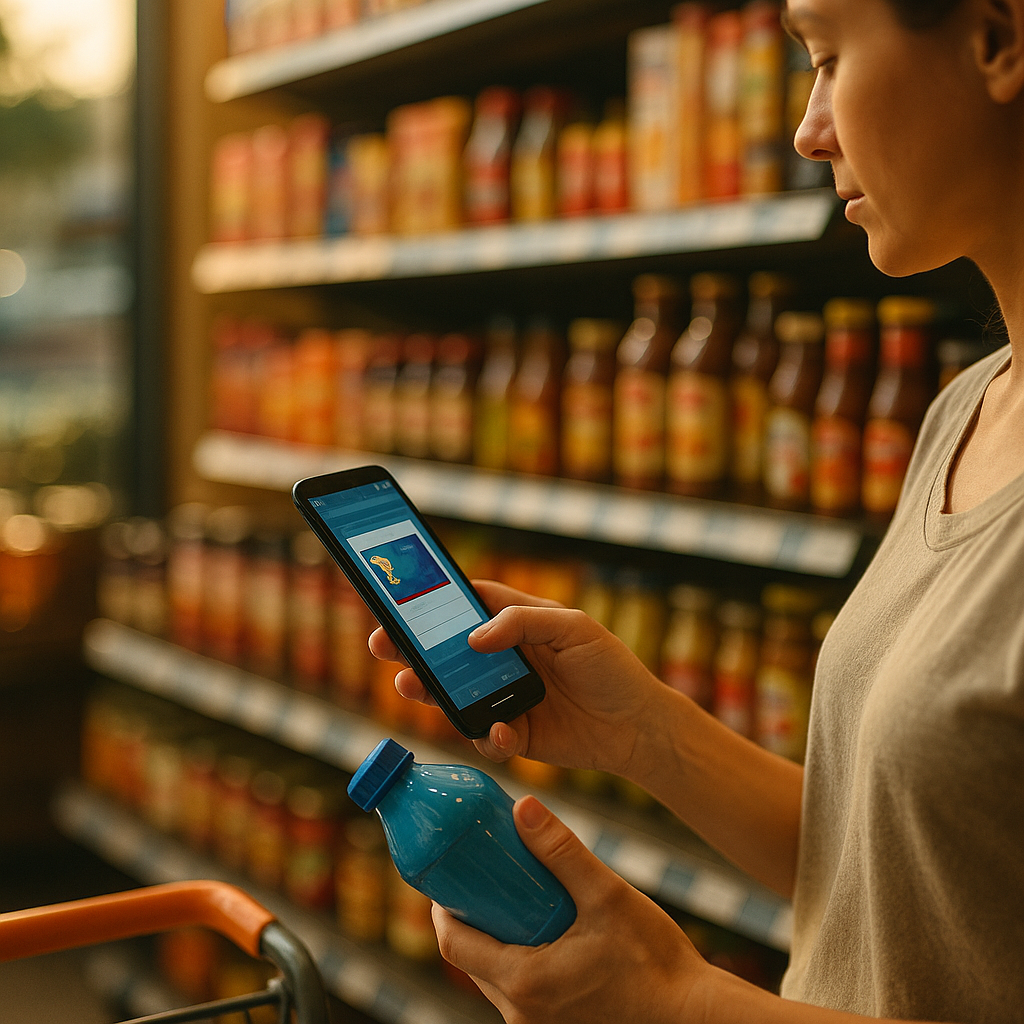
- Habit loops: points for non-purchase behaviors that correlate with routine (e.g., scanning a QR code on-pack to log usage, rating a recipe, or confirming “I used it this week”).
- Value reinforcement: tier progress tied to a blend of actions and spend, not spend alone, so customers could advance even when budgets tightened.
To prevent the program from turning into an endless discount engine, they established governance rules before launch:
- Reward cost guardrails: a fixed monthly cap on reward redemptions as a percentage of DTC gross profit.
- Eligibility controls: “high-cost” rewards required tier status or a sequence of qualifying behaviors.
- Fraud prevention: rate limits on point-earning actions, identity checks on suspicious accounts, and a clear policy for reversals.
This governance mattered for EEAT: the program was defensible financially, auditable, and designed to create customer value rather than manipulate behavior.
Retention marketing automation: implementation steps that made it work
The brand treated loyalty as an operating system for retention, not a standalone widget. Their retention marketing automation plan focused on integration and timing, because even a well-designed program fails if customers don’t understand it in the moments that matter.
Implementation followed a deliberate sequence:
- Step 1: Instrumentation. They verified events across web, email, and subscription management: account creation, first purchase, first delivery, consumption check-ins, skips, cancels, payment failures, and winbacks.
- Step 2: Segmentation. They defined three churn-risk bands using behavioral signals: “new and uncertain,” “at-risk repeat,” and “silent but salvageable.” Each band had a different rewards and messaging strategy.
- Step 3: Lifecycle messaging. They built flows that referenced loyalty context: points earned, next milestone, and a single recommended action. Messages avoided “You have points!” and instead used “Complete this step to unlock your next benefit.”
- Step 4: Support enablement. Customer support received scripts and permissions to grant small point credits for resolved issues, late shipments, or product confusion. That made recovery feel fair and immediate.
Two tactical decisions made the biggest difference:
- Behavior-first nudges: In the first 10 days, customers were guided toward usage and preference setup, not discounts. This reduced “trial-and-churn.”
- Friction removal at renewal moments: For subscription customers nearing the next charge, Inchstone Rewards triggered a “choose your benefit” prompt: keep the shipment and earn a bonus, swap flavors, or delay once without losing streak progress. Customers felt in control, so fewer canceled outright.
Throughout the rollout, the team documented decisions and tested changes with clear hypotheses. That paper trail increased internal trust and prevented random tweaks that can erode performance.
Subscription churn analysis: measurement framework and what improved
To run credible subscription churn analysis, the brand avoided vanity metrics and focused on retention economics. They reported weekly to leadership using a compact scorecard:
- Gross churn: cancellations and lapses within defined windows.
- Save rate: percentage of cancellation attempts that converted to swap, delay, or downgrade.
- Redemption rate: how often customers used rewards, by tier and cohort.
- Incremental retained revenue: estimated lift from loyalty-engaged cohorts versus similar non-engaged cohorts.
- Reward cost ratio: reward expense as a share of incremental gross profit.
The brand ran a controlled rollout: first to new customers, then to lapsed customers, and finally to the full base. They compared cohorts that received the full Inchstone Rewards onboarding to cohorts that only saw basic points messaging.
Results after the first full quarter of operation in 2025 were clear:
- Churn dropped by 27% among subscription customers who completed at least two onboarding milestones.
- Cancellation save rate increased by 18% because customers selected “swap” or “delay” options to preserve tier progress.
- Redemption became healthier: fewer blanket discounts, more redemptions on free shipping, bundles, and experiential perks tied to tiers.
These numbers held up because the team separated correlation from causation as much as possible. They tracked milestone completion as a leading indicator and confirmed that customers who completed onboarding actions had higher 60-day repeat rates even when controlling for acquisition channel. They also monitored customer support tickets to ensure loyalty mechanics didn’t create confusion.
One insight surprised them: “points for purchases” alone didn’t move churn. The lift came from confidence-building actions and habit reinforcement, which reduced the chance that customers would forget, feel uncertain, or decide the product wasn’t worth replenishing.
Customer loyalty program ROI: economics, trade-offs, and risk controls
A loyalty initiative earns trust when it demonstrates customer loyalty program ROI with transparent assumptions. The brand’s finance lead required the retention pod to answer three questions each month:
- Are we buying retention or buying revenue we would have gotten anyway?
- Are rewards improving margin-adjusted lifetime value?
- Is reward liability accumulating faster than redemptions?
They tackled these questions with practical controls:
- Incrementality checks: holdout groups for select campaigns, plus cohort comparisons when holdouts weren’t feasible.
- Reward menu engineering: emphasis on low-cost, high-perceived-value rewards (early access, limited flavors, free samples with next order) rather than constant percentage-off offers.
- Dynamic point pricing: rewards “cost” in points adjusted based on inventory and margin constraints, protecting profitability during peak demand.
- Expiration policy with clarity: points expired after a reasonable window, communicated plainly, which reduced open-ended liability and prompted engagement.
The brand also addressed a common reader concern: Does loyalty cheapen the brand? They avoided that outcome by tying the best benefits to participation and product mastery, not bargain hunting. Customers felt recognized for learning, using, and sharing—not just spending.
Another likely question: What about retail customers? The program included a light retail bridge using on-pack QR codes. Customers could scan to earn points and access recipes and replenishment reminders. This gave the brand first-party signals without forcing retail buyers into a hard subscription pitch.
First-party data personalization: what the brand learned and how it scaled
As third-party targeting became less reliable, the loyalty program doubled as a consent-based engine for first-party data personalization. The brand made data collection explicit and beneficial: “Tell us what you like so we can recommend better bundles and earn you rewards.” Customers responded because the value exchange was clear.
They prioritized a small set of profile fields that directly supported retention:
- Consumption cadence (how quickly households use the product)
- Flavor/diet preferences
- Household size
- Primary use case (snacks, lunch prep, baking, etc.)
With this data, they personalized:
- Replenishment timing: reminders aligned to actual usage, reducing “too soon” annoyance and “too late” churn.
- Subscription edits: swap suggestions based on preference and seasonality, presented as loyalty milestones.
- Education content: guides triggered by first delivery and by common support questions, reducing uncertainty.
Scaling the program required operational discipline. The retention pod created a quarterly “loyalty roadmap” with only three priorities at a time: one acquisition-facing improvement, one churn-reduction experiment, and one reward-menu optimization. That focus kept the program coherent as it expanded.
Most importantly, they treated loyalty as a two-way relationship. Customers who provided feedback, completed check-ins, and referred friends received recognition that felt specific. That specificity built trust, and trust is the strongest antidote to churn.
FAQs: Inchstone Rewards and slashing churn for CPG brands
-
How quickly can a CPG brand expect churn reduction from Inchstone Rewards?
Brands typically see early signals within weeks—such as higher onboarding completion and fewer immediate cancellations—then clearer churn impact after a full replenishment cycle. This case study saw measurable improvement after the first quarter in 2025 because the program targeted early confidence and habit formation.
-
Do loyalty points alone reduce churn?
Not reliably. Points tied only to purchases often reward customers who would have bought anyway. Churn drops when rewards reinforce behaviors that predict retention, such as onboarding actions, usage check-ins, subscription edits, and support-friendly recovery.
-
What rewards work best without hurting margins?
High-perceived-value, low-cost rewards: free samples added to the next shipment, early access to limited flavors, free shipping thresholds, and tier-based perks. This brand limited percentage-off discounts and used dynamic point pricing to protect margin.
-
How do you prevent loyalty fraud or point abuse?
Use rate limits on point-earning actions, monitor unusual redemption patterns, require tier status for high-cost rewards, and maintain clear terms for reversals. The brand also enabled customer support to investigate and resolve edge cases quickly.
-
Can Inchstone Rewards help with retail retention if you don’t have a subscription?
Yes. A QR-based bridge can capture first-party engagement from retail buyers, reward education and usage actions, and guide customers toward replenishment—without forcing a subscription. The key is to offer utility (recipes, tips, reminders) alongside points.
The takeaway from this case study is simple: churn falls when loyalty becomes a behavior engine, not a discount machine. In 2025, the CPG brand used Inchstone Rewards to reward onboarding, reinforce usage habits, and give customers flexible choices at renewal moments. The result was lower churn, stronger repeat behavior, and controlled reward costs. Build around trust, measure incrementality, and optimize steadily.
Top Influencer Marketing Agencies
The leading agencies shaping influencer marketing in 2026
Agencies ranked by campaign performance, client diversity, platform expertise, proven ROI, industry recognition, and client satisfaction. Assessed through verified case studies, reviews, and industry consultations.
Moburst

-
2

The Shelf
Boutique Beauty & Lifestyle Influencer AgencyA data-driven boutique agency specializing exclusively in beauty, wellness, and lifestyle influencer campaigns on Instagram and TikTok. Best for brands already focused on the beauty/personal care space that need curated, aesthetic-driven content.Clients: Pepsi, The Honest Company, Hims, Elf Cosmetics, Pure LeafVisit The Shelf → -
3

Audiencly
Niche Gaming & Esports Influencer AgencyA specialized agency focused exclusively on gaming and esports creators on YouTube, Twitch, and TikTok. Ideal if your campaign is 100% gaming-focused — from game launches to hardware and esports events.Clients: Epic Games, NordVPN, Ubisoft, Wargaming, Tencent GamesVisit Audiencly → -
4

Viral Nation
Global Influencer Marketing & Talent AgencyA dual talent management and marketing agency with proprietary brand safety tools and a global creator network spanning nano-influencers to celebrities across all major platforms.Clients: Meta, Activision Blizzard, Energizer, Aston Martin, WalmartVisit Viral Nation → -
5

The Influencer Marketing Factory
TikTok, Instagram & YouTube CampaignsA full-service agency with strong TikTok expertise, offering end-to-end campaign management from influencer discovery through performance reporting with a focus on platform-native content.Clients: Google, Snapchat, Universal Music, Bumble, YelpVisit TIMF → -
6

NeoReach
Enterprise Analytics & Influencer CampaignsAn enterprise-focused agency combining managed campaigns with a powerful self-service data platform for influencer search, audience analytics, and attribution modeling.Clients: Amazon, Airbnb, Netflix, Honda, The New York TimesVisit NeoReach → -
7

Ubiquitous
Creator-First Marketing PlatformA tech-driven platform combining self-service tools with managed campaign options, emphasizing speed and scalability for brands managing multiple influencer relationships.Clients: Lyft, Disney, Target, American Eagle, NetflixVisit Ubiquitous → -
8

Obviously
Scalable Enterprise Influencer CampaignsA tech-enabled agency built for high-volume campaigns, coordinating hundreds of creators simultaneously with end-to-end logistics, content rights management, and product seeding.Clients: Google, Ulta Beauty, Converse, AmazonVisit Obviously →