


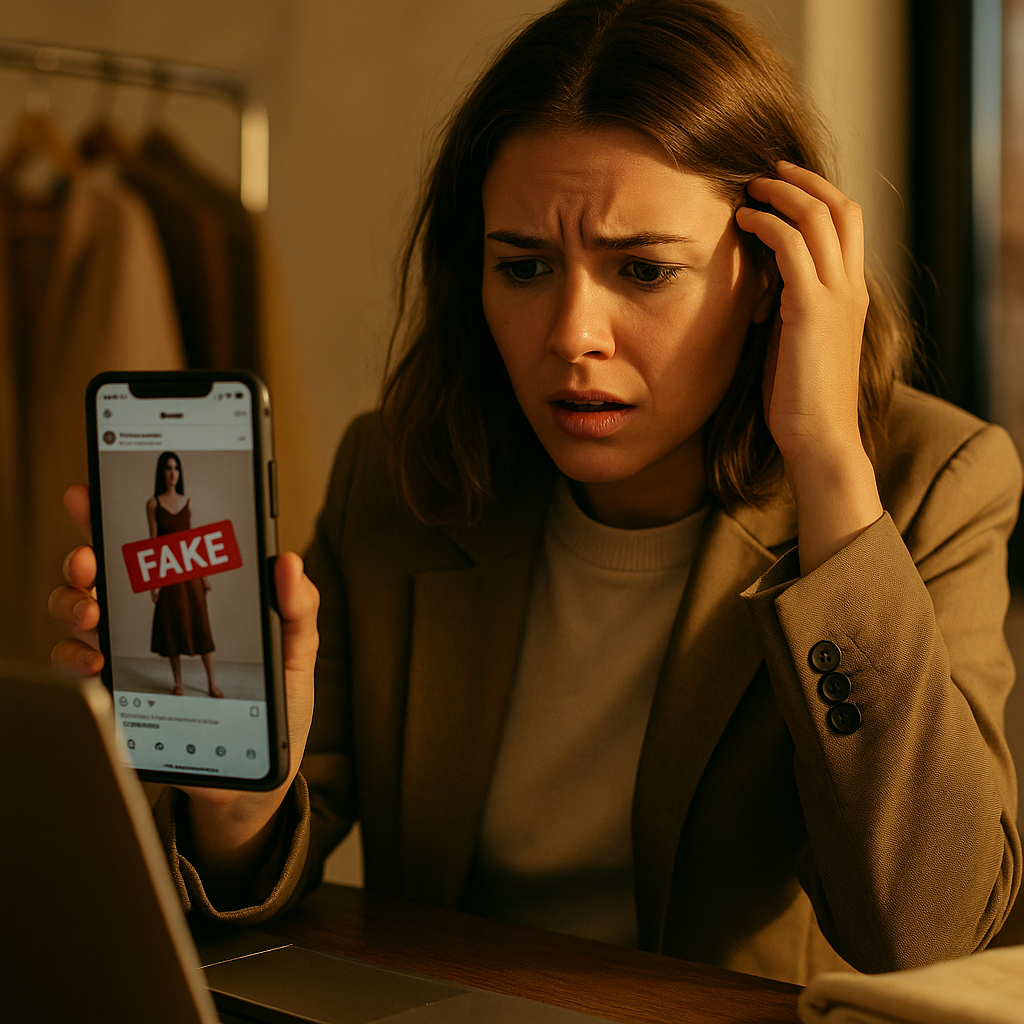
In 2026, a viral falsehood can damage a brand in hours, especially in fashion, where image, trust, and social momentum shape revenue. This case study on viral misinformation crisis management shows how one fashion label contained reputational harm, protected customers, and rebuilt confidence through fast verification, transparent communication, and disciplined execution. What actually worked when the internet turned against them?
Fashion brand crisis communication: what triggered the backlash
The fashion label in this case study was a fast-growing direct-to-consumer brand known for limited drops, sustainability messaging, and a loyal social audience. The crisis began when a short video spread across social platforms claiming the company had copied designs from an independent artist and used unethical labor in one of its supplier factories. The post included screenshots, cropped invoices, and a voiceover that sounded authoritative. Within hours, thousands of users shared it as fact.
Several conditions made the claim spread quickly. First, the content fit a common online narrative: that trendy fashion brands hide poor practices behind polished branding. Second, the video was emotionally framed and easy to share. Third, several mid-tier creators amplified it before the brand had issued a response. By the time the company’s social team saw the issue escalate, the rumor had moved from niche commentary into mainstream discussion.
The brand faced three immediate risks:
- Revenue risk: customers paused purchases and asked for refunds.
- Reputation risk: media outlets began requesting comment.
- Operational risk: customer support volume surged beyond normal capacity.
Importantly, not every part of the viral claim was equally false. The design theft allegation was incorrect, but one screenshot referenced an outdated supplier list that the company had failed to remove from a public-facing document. That gap created enough ambiguity to make the misinformation feel plausible. This is a common lesson in digital crises: total fabrication is not required for a rumor to gain traction. Small inconsistencies can fuel large-scale distrust.
Rather than dismiss the issue as “internet drama,” the leadership team treated it as a business continuity event. That decision shaped the rest of the response.
Social media misinformation response: the first 24 hours
The company activated a cross-functional response group within the first hour of identifying the spike. That group included the CEO, legal counsel, head of communications, customer experience lead, social media manager, and sourcing director. This mattered because misinformation crises rarely stay in one lane. They touch brand voice, compliance, operations, and stakeholder trust at the same time.
The first 24 hours followed a clear sequence:
- Verify the claims internally. The company pulled supplier records, design approvals, licensing documents, and communication logs.
- Pause scheduled content. Promotional posts were halted to avoid appearing tone-deaf.
- Issue a holding statement. The brand acknowledged the claims, stated it was reviewing the facts, and promised an evidence-based update.
- Create a single source of truth. A dedicated page on the brand’s website collected updates, documents, and FAQs.
- Brief support teams. Customer service agents received approved language, escalation rules, and refund guidance.
This approach reflected a core best practice in crisis communication: speed matters, but unsupported certainty can make things worse. The brand did not rush to publish a defensive thread full of emotion. Instead, it used a short, factual statement to buy time while it gathered proof.
That holding statement did three jobs well. It acknowledged customer concern, avoided attacking the original poster, and committed to transparency. This tone helped reduce the impression that the company was hiding. Many brands fail here by sounding combative too early. In a misinformation event, anger often gets clipped and recirculated as “evidence” of guilt.
The team also monitored sentiment and keyword patterns in real time. They tracked which accusations were gaining traction, which creators were driving reach, and what questions customers kept repeating. This made the next response more useful because it answered actual concerns instead of generic ones.
Online reputation management for fashion: proving the facts credibly
By the second day, the company had a fuller picture. The viral design-theft claim was false. Internal records showed a documented collaboration process, timestamped concept development, and signed usage rights from a freelance illustrator. The labor allegation was more nuanced. The factory named in the video had indeed appeared on an old vendor spreadsheet, but it had not been an active supplier for over a year. The spreadsheet had remained accessible through an archived sustainability page.
This is where EEAT principles became essential. To be persuasive, the brand needed to demonstrate experience, expertise, authoritativeness, and trustworthiness, not simply claim innocence.
The company published a fact-based update that included:
- Primary evidence: redacted contracts, approval timelines, and current supplier documentation.
- Executive accountability: a signed statement from the CEO and sourcing director.
- Third-party validation: confirmation from an independent compliance auditor that the named factory was not active in the current supply chain.
- Correction of its own mistake: an admission that the outdated supplier file should have been removed sooner.
That last point was critical. Audiences are more likely to trust a brand that admits a real process failure than one that insists everything was perfect. The company did not overcorrect by accepting blame for false claims. It distinguished clearly between what was untrue and what needed fixing.
It also adapted the evidence format for different channels. On its website, the brand published a detailed timeline. On social media, it used concise posts, short video explanations, and visual receipts. For journalists, it created a press packet with source documents and spokesperson availability. For wholesale partners, it sent a direct briefing that explained the situation before rumors reached buyers through social chatter.
This multi-format strategy matters because credibility is partly about accessibility. If proof exists but is hard to understand, people default to the simpler viral narrative. The label made its documentation easy to review without oversharing sensitive information.
Brand trust recovery strategy: communicating without amplifying the rumor
After the facts were published, the brand shifted from response mode to trust recovery. This stage is often mishandled. Many companies assume one clarifying statement is enough. In reality, audiences join the story at different times. Some never see the original correction. Others remember the accusation longer than the rebuttal.
The fashion label used a layered communications strategy over the next several weeks.
First, it prioritized affected audiences in the right order. Existing customers, employees, retail partners, and creators with active contracts heard directly from the brand before broad marketing resumed. This prevented supporters from feeling abandoned or blindsided.
Second, leadership stayed visible. The CEO recorded a brief video update, not as a polished ad but as a direct explanation of what had happened, what the company had verified, and what process change would follow. The sourcing director joined a live Q&A focused specifically on supply chain questions. That choice reinforced expertise and reduced the idea that communications staff were “spinning” the issue.
Third, the company avoided repeating the false allegation unnecessarily in every post. Instead of saying, “We did not do X” over and over, it emphasized positive, verifiable facts: current supplier standards, design development workflows, and newly tightened document governance. This helped shift search and social discussion from accusation toward evidence.
The label also engaged selectively with creators and journalists. It offered interviews and supporting documents to people acting in good faith. It did not spend time arguing in every comment thread. That discipline protected resources and reduced the risk of prolonging fringe claims.
Internally, employees received regular updates and a clear escalation path if they were harassed online. This is often overlooked, but staff can become secondary targets in viral events. A credible brand response protects both customers and teams.
Within a month, direct traffic, repeat purchase rate, and sentiment scores began recovering. The brand did not frame that as a victory lap. Instead, it treated recovery as evidence that clear facts, visible leadership, and consistent follow-through still matter in 2026.
Crisis management case study lessons: what the label changed after the incident
The strongest case studies do not stop at “the crisis passed.” They explain what improved afterward. This fashion label made structural changes that reduced the chance of a similar event gaining traction again.
Key post-crisis changes included:
- Document governance: archived supplier and policy pages were reviewed, updated, or removed on a fixed schedule.
- Crisis response playbooks: the company created pre-approved workflows for misinformation, creator allegations, and supply chain claims.
- Social listening thresholds: faster alerts now trigger when unusual negative velocity appears around brand mentions.
- Evidence libraries: compliance records, sourcing certifications, and design approval histories are now organized for rapid retrieval.
- Spokesperson training: leaders practiced short-form video responses and hostile interview scenarios.
The incident also exposed a broader brand risk: the gap between values messaging and operational transparency. The company had spoken often about ethics and craftsmanship, but some underlying proof points were hard for outsiders to access. In a calm market, that weakness was invisible. Under pressure, it became a trust gap.
To address this, the brand redesigned parts of its website to make sourcing policies, audit summaries, and design process explanations easier to find. It added plain-language disclosures instead of burying information in PDFs. This is a practical EEAT lesson for fashion marketers: authority is stronger when evidence is already public before a crisis begins.
Another notable lesson was legal restraint. The company evaluated whether to pursue action against the original poster but chose not to lead with legal threats in public. Unless content is clearly malicious and harmful beyond dispute, aggressive tactics can make a false story feel bigger. The brand reserved legal options while focusing externally on facts and customer trust.
Viral misinformation crisis prevention: a practical framework for fashion brands
This case offers a repeatable framework for brands that want to prepare before they face similar pressure. Fashion companies are especially exposed because product visuals, creator partnerships, labor narratives, and trend culture all move quickly online.
A useful prevention framework includes five elements:
- Map your proof points. Know what evidence supports claims about sustainability, originality, sourcing, and partnerships.
- Build a rapid response team. Define who approves messaging, who verifies facts, and who owns customer communications.
- Centralize updates. Maintain a webpage or newsroom that can become the reference point during a crisis.
- Train for ambiguity. Most misinformation contains fragments that seem plausible. Practice responding to mixed-truth scenarios.
- Review your digital footprint. Old pages, outdated files, and inconsistent language can undermine a truthful defense.
Brands should also ask a hard question: if a rumor went viral tomorrow, what would you be able to prove within two hours? If the honest answer is “not much,” then the risk is not only misinformation. It is a readiness problem.
In this case, the fashion label recovered because it combined speed with discipline. It acknowledged concern, investigated carefully, showed evidence, admitted a real documentation failure, and then made visible operational improvements. That sequence is more effective than denial, silence, or overproduction of polished messaging.
For marketers, founders, and communications teams, the broader takeaway is simple. Reputation in 2026 is not protected by branding alone. It is protected by verifiable systems, credible leaders, and the ability to communicate under pressure without losing the facts.
FAQs about viral misinformation crisis management in fashion
What is a viral misinformation crisis?
A viral misinformation crisis happens when false or misleading claims about a brand spread rapidly online and begin affecting public perception, media coverage, or sales. In fashion, these claims often involve design theft, labor practices, sustainability, or influencer relationships.
How fast should a fashion brand respond to misinformation?
A brand should respond as soon as it confirms the issue is spreading, ideally within hours. The first message does not need every answer, but it should acknowledge the concern, state that facts are being reviewed, and promise a clear update.
Should a brand delete negative comments during a misinformation event?
Usually no, unless comments include hate speech, threats, doxxing, or clear policy violations. Deleting legitimate criticism can make the brand look defensive. A better approach is to post a visible update and direct people to a central source of verified information.
What evidence helps most during a brand misinformation crisis?
Primary documents, dated records, third-party audits, executive statements, and clearly explained timelines are the most effective. Screenshots without context are weaker than source documents supported by a credible spokesperson.
Can legal action stop viral falsehoods?
Sometimes, but legal action is not always the best first move. Public legal threats can amplify attention and make a brand seem heavy-handed. In many cases, transparent evidence and direct communication work better at restoring trust.
How can fashion brands prevent misinformation from spreading so easily?
They can reduce risk by keeping public information accurate, reviewing archived content, monitoring social chatter, documenting sourcing and design approvals, and preparing a crisis workflow before an incident happens.
Why is EEAT important in a misinformation response?
EEAT helps brands communicate in a way that audiences and search engines see as credible. Demonstrating experience, expertise, authority, and trustworthiness makes corrections more persuasive and easier to validate.
This case study shows that a misinformation storm does not have to become a permanent brand wound. The fashion label recovered by acting quickly, proving facts with credible evidence, admitting a genuine process flaw, and improving systems after the incident. The clearest takeaway is practical: brands that prepare proof before a crisis are far more likely to protect trust when scrutiny arrives.
Top Influencer Marketing Agencies
The leading agencies shaping influencer marketing in 2026
Agencies ranked by campaign performance, client diversity, platform expertise, proven ROI, industry recognition, and client satisfaction. Assessed through verified case studies, reviews, and industry consultations.
Moburst

-
2

The Shelf
Boutique Beauty & Lifestyle Influencer AgencyA data-driven boutique agency specializing exclusively in beauty, wellness, and lifestyle influencer campaigns on Instagram and TikTok. Best for brands already focused on the beauty/personal care space that need curated, aesthetic-driven content.Clients: Pepsi, The Honest Company, Hims, Elf Cosmetics, Pure LeafVisit The Shelf → -
3

Audiencly
Niche Gaming & Esports Influencer AgencyA specialized agency focused exclusively on gaming and esports creators on YouTube, Twitch, and TikTok. Ideal if your campaign is 100% gaming-focused — from game launches to hardware and esports events.Clients: Epic Games, NordVPN, Ubisoft, Wargaming, Tencent GamesVisit Audiencly → -
4

Viral Nation
Global Influencer Marketing & Talent AgencyA dual talent management and marketing agency with proprietary brand safety tools and a global creator network spanning nano-influencers to celebrities across all major platforms.Clients: Meta, Activision Blizzard, Energizer, Aston Martin, WalmartVisit Viral Nation → -
5

The Influencer Marketing Factory
TikTok, Instagram & YouTube CampaignsA full-service agency with strong TikTok expertise, offering end-to-end campaign management from influencer discovery through performance reporting with a focus on platform-native content.Clients: Google, Snapchat, Universal Music, Bumble, YelpVisit TIMF → -
6

NeoReach
Enterprise Analytics & Influencer CampaignsAn enterprise-focused agency combining managed campaigns with a powerful self-service data platform for influencer search, audience analytics, and attribution modeling.Clients: Amazon, Airbnb, Netflix, Honda, The New York TimesVisit NeoReach → -
7

Ubiquitous
Creator-First Marketing PlatformA tech-driven platform combining self-service tools with managed campaign options, emphasizing speed and scalability for brands managing multiple influencer relationships.Clients: Lyft, Disney, Target, American Eagle, NetflixVisit Ubiquitous → -
8

Obviously
Scalable Enterprise Influencer CampaignsA tech-enabled agency built for high-volume campaigns, coordinating hundreds of creators simultaneously with end-to-end logistics, content rights management, and product seeding.Clients: Google, Ulta Beauty, Converse, AmazonVisit Obviously →