


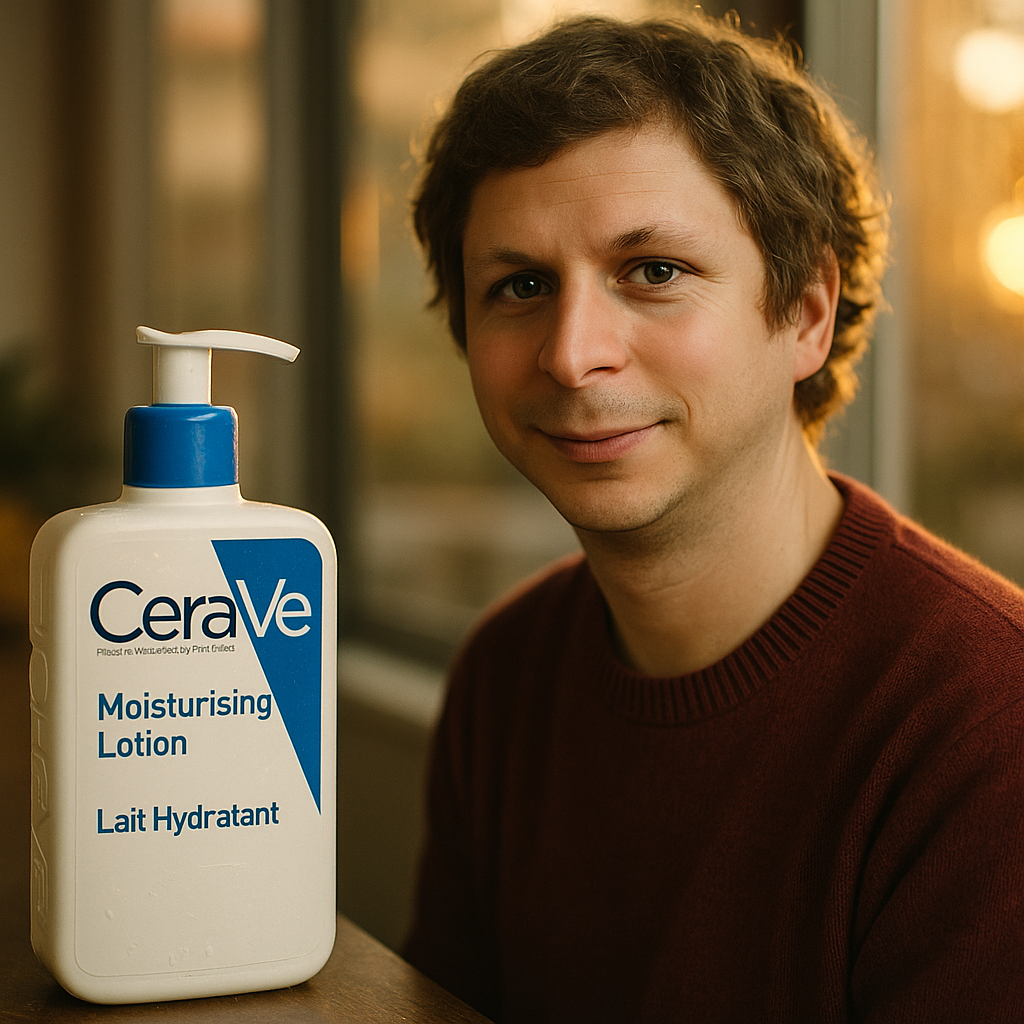
A Name-Match Joke Generated More Earned Media Than Most Seven-Figure Campaigns
When BPCM orchestrated the CeraVe x Michael Cera activation around Super Bowl LVIII, the campaign earned over 15.4 billion impressions, generated a 25x return on media spend, and temporarily crashed CeraVe’s website. The insight behind it wasn’t complicated. Michael Cera’s name sounded like CeraVe. That phonetic overlap — what BPCM’s team calls intrinsic affinity — became the foundation for a creator casting strategy that outperformed virtually every demographic-targeted influencer play that year.
The question for brand strategists isn’t whether this was clever. It’s whether you can systematize this kind of casting logic into a repeatable program.
What “Intrinsic Affinity” Actually Means for Creator Casting
Most influencer marketing platforms match creators to campaigns using demographic overlays: audience age, location, income bracket, purchase intent signals. These inputs matter. But they’re table stakes. They tell you who a creator’s audience is, not why that creator resonates with your brand’s narrative.
Intrinsic affinity flips the model. Instead of asking “Does this creator’s audience overlap with our target demo?”, it asks: “Does this creator already have a pre-existing, organic connection to our brand — real or perceived — that audiences will instantly recognize?”
In CeraVe’s case, the connection was absurdly simple. Michael Cera. CeraVe. The joke wrote itself. But BPCM’s execution was anything but simple. The campaign unfolded in phases: first, seeding TikTok creators with “leaked” photos of Cera holding CeraVe products. Then a conspiracy-theory narrative arc (“Did Michael Cera actually create CeraVe?”). Finally, the Super Bowl spot as the payoff. Each phase relied on the same core principle — the affinity between creator and brand was so natural that the audience leaned in rather than tuned out.
Intrinsic affinity turns the creator-brand relationship from a transactional endorsement into a cultural inside joke the audience gets to co-own. That shared ownership is what drives organic amplification at scale.
This is fundamentally different from hiring a dermatologist-influencer to talk about moisturizer. Both approaches have merit. But one generates awareness curves that look like paid media; the other generates awareness curves that look like cultural moments.
Why Demographic Fit Is Necessary but Insufficient
Demographic targeting remains critical for performance marketing. If you’re running a performance-based creator program, you need audience alignment data. No argument there.
But for campaigns designed to break through at the awareness and consideration layers, demographic fit alone creates a ceiling. Here’s why:
- Algorithmic platforms reward novelty. TikTok’s recommendation engine, Instagram’s Explore feed, and YouTube Shorts all prioritize content that generates unexpected engagement patterns. A demographically “perfect” creator saying predictable things about your product won’t trigger those signals.
- Audience skepticism is at an all-time high. According to Edelman’s Trust Barometer, only 45% of consumers trust brand-sponsored influencer content. Intrinsic affinity reduces the perception of sponsorship because the connection feels self-evident.
- Cultural velocity compounds differently than paid reach. A demographic match gives you reach. An affinity match gives you shareable reach — content that audiences actively redistribute because they want to be part of the joke, the trend, or the narrative.
Brands like Stanley and Duolingo have discovered versions of this principle independently — Stanley through organic community seeding, Duolingo through unhinged brand personality. CeraVe’s contribution to the playbook was proving that intrinsic affinity can be engineered through deliberate casting.
Building an Algorithmic Matching Program Around Pre-Existing Brand Affinity
So how do you move from “we got lucky with a name pun” to a scalable casting methodology? The operational framework requires three layers.
Layer 1: Semantic and Cultural Signal Mining
Start by mapping every dimension of your brand identity that could overlap with a creator’s existing persona, content themes, personal history, or public associations. This goes beyond name similarity. Think about:
- Geographic or origin-story connections (a creator who grew up in the same town as your founder)
- Lifestyle or aesthetic overlaps that predate any sponsorship
- Historical mentions — has the creator organically used or referenced your product?
- Meme-adjacent associations or fan theories already circulating
Tools like Brandwatch and Sprinklr can surface organic brand mentions and sentiment patterns across creator content. What you’re looking for isn’t volume — it’s authenticity of association. One genuine, unprompted mention is worth more than a hundred paid placements.
Layer 2: Affinity Scoring
Build a scoring matrix that weights affinity signals alongside traditional demographic data. A simple model might look like this:
- Organic brand mentions (weighted 3x) — Has the creator mentioned or used the product without being paid?
- Narrative fit (weighted 2x) — Does the creator’s public persona create a natural, interesting, or humorous connection to the brand?
- Audience overlap (weighted 1x) — Standard demographic and psychographic alignment
- Cultural timing (weighted 2x) — Is this creator having a “moment” that amplifies the affinity signal?
The CeraVe campaign scored off the charts on narrative fit and cultural timing. Michael Cera was experiencing a nostalgia-driven career resurgence — his presence in Barbie (2023) had rekindled mainstream awareness. BPCM capitalized on that momentum. Brands leveraging nostalgic creator revivals understand this timing dimension intuitively.
Layer 3: Narrative Architecture
Affinity alone isn’t enough. You need a storytelling framework that gives the audience a reason to participate. CeraVe’s conspiracy arc was brilliant because it invited speculation, debate, and content creation from other users. The brand essentially handed the audience a story template and said, “Fill this in.”
This is where most brands fail. They find an affinity match, announce the partnership, and stop. The CeraVe playbook shows that the reveal structure matters as much as the match.
The highest-performing affinity campaigns don’t just cast the right creator — they engineer a narrative arc that makes the audience feel like co-discoverers rather than ad recipients.
Risk Factors Brand Teams Need to Anticipate
Affinity-based casting carries specific risks that demographic matching doesn’t.
Overreliance on a single creator. When your campaign is built around one person’s intrinsic connection to the brand, you’re exposed to individual reputation risk. Diversifying across multiple affinity-matched creators — even at lower tiers — mitigates this. Brands navigating large-scale creator activations have learned this lesson the hard way.
Audience backlash if the affinity feels forced. Not every connection is a CeraVe-level pun. If the link between creator and brand requires a five-sentence explanation, it’s not intrinsic — it’s manufactured. Test the concept with a small focus group or internal team. If people don’t get it in three seconds, walk away.
FTC compliance. The organic, “is this even an ad?” quality of affinity campaigns is precisely what makes them effective — and what triggers regulatory scrutiny. Every piece of content must comply with FTC endorsement guidelines, even when (especially when) the campaign is designed to blur the line between organic and paid. The conspiracy-seeding phase of CeraVe’s campaign was carefully managed to ensure disclosures appeared once the paid relationship was revealed.
What This Means for Your Next Influencer Brief
The next time you write a creator brief, add one section at the top: “Pre-existing brand affinity signals.” Before you specify follower counts, engagement rates, or audience demographics, force your team to answer: Why does this specific creator already belong in our brand’s story?
If you can’t answer that question, you’re buying reach. If you can, you’re buying resonance. The CeraVe x Michael Cera campaign didn’t just win because of a funny name. It won because BPCM built the entire campaign architecture around a connection that audiences already felt — and then gave them a story worth sharing.
Your move: audit your brand’s semantic landscape — names, origin stories, cultural associations, meme history — and build an affinity shortlist of ten creators who connect to those signals before you ever open a demographic dashboard.
Frequently Asked Questions
What is intrinsic affinity in influencer marketing?
Intrinsic affinity refers to a pre-existing, organic connection between a creator and a brand that audiences can immediately recognize without explanation. Unlike demographic targeting, which matches creators based on audience data, intrinsic affinity leverages cultural, narrative, or personal overlaps — such as the phonetic similarity between “CeraVe” and “Michael Cera” — to create partnerships that feel natural rather than transactional.
How did the CeraVe x Michael Cera campaign achieve viral ROI?
BPCM executed a multi-phase campaign that began with seeded TikTok content suggesting Michael Cera had created CeraVe, escalated into a conspiracy-theory narrative across social platforms, and culminated in a Super Bowl LVIII commercial reveal. The campaign earned over 15.4 billion impressions and a reported 25x return on media spend by leveraging the inherent humor of the name connection and engineering a participatory narrative arc that invited audience co-creation.
How can brands build an algorithmic matching program around brand affinity?
Brands should implement a three-layer framework: first, mine semantic and cultural signals using social listening tools like Brandwatch or Sprinklr to identify organic creator-brand overlaps; second, build an affinity scoring matrix that weights organic mentions, narrative fit, and cultural timing alongside demographic data; third, develop a narrative architecture that gives audiences a participatory story rather than a static announcement.
What are the risks of affinity-based creator casting?
Key risks include overreliance on a single creator’s reputation, audience backlash if the affinity connection feels forced or requires too much explanation, and FTC compliance challenges since affinity campaigns are designed to feel organic. Brands should diversify across multiple affinity-matched creators, test concepts for instant recognizability, and ensure all content meets FTC endorsement disclosure requirements from the outset.
Does intrinsic affinity replace demographic targeting in influencer campaigns?
No. Demographic targeting remains essential for performance-focused campaigns where audience alignment drives conversions. Intrinsic affinity is most effective for awareness and consideration objectives where cultural resonance and shareability matter more than precise audience overlap. The strongest programs combine both — using affinity for top-of-funnel virality and demographic fit for mid-to-lower-funnel conversion.
Top Influencer Marketing Agencies
The leading agencies shaping influencer marketing in 2026
Agencies ranked by campaign performance, client diversity, platform expertise, proven ROI, industry recognition, and client satisfaction. Assessed through verified case studies, reviews, and industry consultations.
Moburst

-
2

The Shelf
Boutique Beauty & Lifestyle Influencer AgencyA data-driven boutique agency specializing exclusively in beauty, wellness, and lifestyle influencer campaigns on Instagram and TikTok. Best for brands already focused on the beauty/personal care space that need curated, aesthetic-driven content.Clients: Pepsi, The Honest Company, Hims, Elf Cosmetics, Pure LeafVisit The Shelf → -
3

Audiencly
Niche Gaming & Esports Influencer AgencyA specialized agency focused exclusively on gaming and esports creators on YouTube, Twitch, and TikTok. Ideal if your campaign is 100% gaming-focused — from game launches to hardware and esports events.Clients: Epic Games, NordVPN, Ubisoft, Wargaming, Tencent GamesVisit Audiencly → -
4

Viral Nation
Global Influencer Marketing & Talent AgencyA dual talent management and marketing agency with proprietary brand safety tools and a global creator network spanning nano-influencers to celebrities across all major platforms.Clients: Meta, Activision Blizzard, Energizer, Aston Martin, WalmartVisit Viral Nation → -
5

The Influencer Marketing Factory
TikTok, Instagram & YouTube CampaignsA full-service agency with strong TikTok expertise, offering end-to-end campaign management from influencer discovery through performance reporting with a focus on platform-native content.Clients: Google, Snapchat, Universal Music, Bumble, YelpVisit TIMF → -
6

NeoReach
Enterprise Analytics & Influencer CampaignsAn enterprise-focused agency combining managed campaigns with a powerful self-service data platform for influencer search, audience analytics, and attribution modeling.Clients: Amazon, Airbnb, Netflix, Honda, The New York TimesVisit NeoReach → -
7

Ubiquitous
Creator-First Marketing PlatformA tech-driven platform combining self-service tools with managed campaign options, emphasizing speed and scalability for brands managing multiple influencer relationships.Clients: Lyft, Disney, Target, American Eagle, NetflixVisit Ubiquitous → -
8

Obviously
Scalable Enterprise Influencer CampaignsA tech-enabled agency built for high-volume campaigns, coordinating hundreds of creators simultaneously with end-to-end logistics, content rights management, and product seeding.Clients: Google, Ulta Beauty, Converse, AmazonVisit Obviously →