


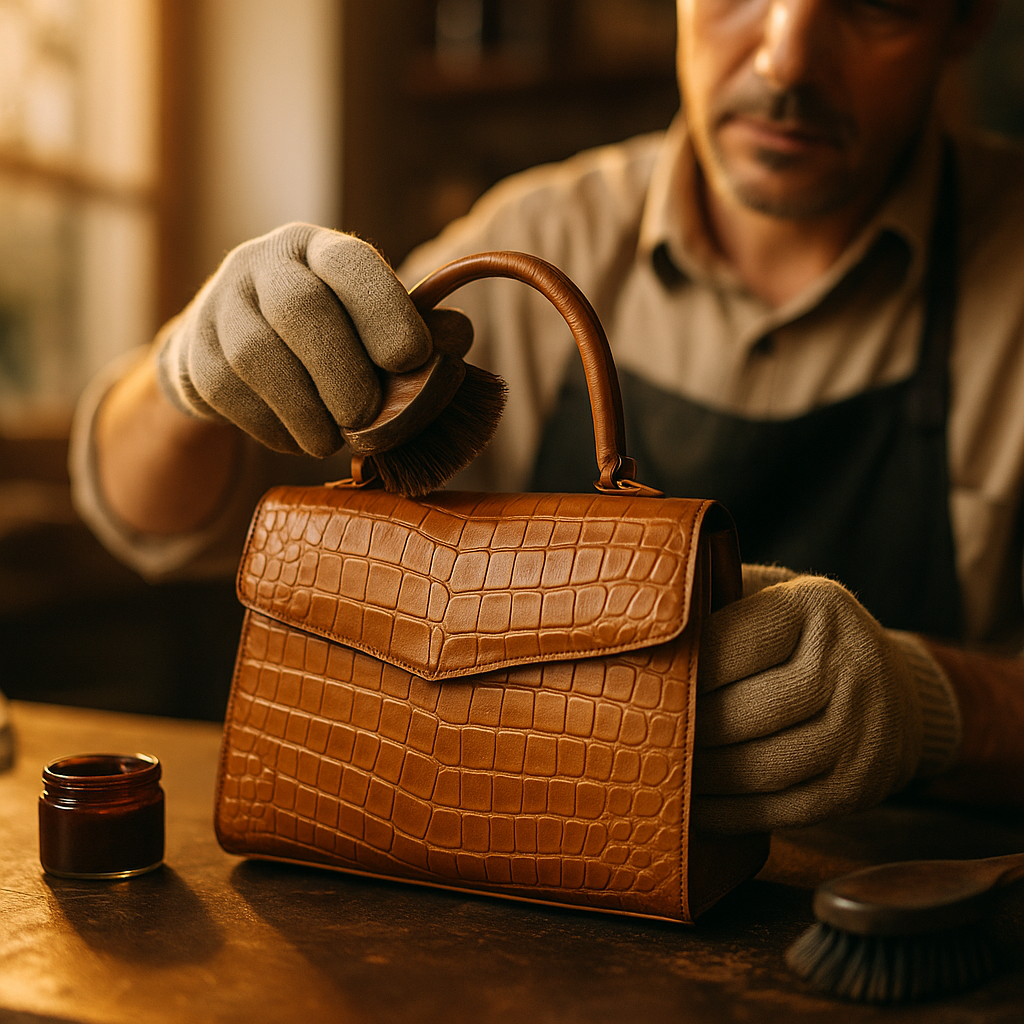
In luxury, ease is not always the goal. The psychology of friction in luxury design explains why extra steps, waiting, ritual, and even restraint can increase desire, perceived value, and loyalty. When everything is instantly accessible, carefully designed effort signals rarity and intention. For premium brands in 2026, harder often feels more meaningful. But where should friction stay?
Luxury consumer behavior and the value of effort
Luxury buyers rarely evaluate products the same way mass-market shoppers do. They are not only purchasing function. They are purchasing distinction, story, identity, and emotional reward. That is why luxury consumer behavior often responds positively to effort, scarcity, and ritual when those elements feel purposeful.
Behavioral psychology helps explain this. People tend to assign greater value to outcomes that require investment, whether that investment is time, attention, expertise, or patience. In premium contexts, friction can act as proof that something is special. A private appointment, a limited release window, or a product that requires onboarding can make the experience feel curated rather than commoditized.
This does not mean luxury customers enjoy inconvenience for its own sake. Poor service, broken flows, or hidden terms still damage trust. The difference is between intentional friction and accidental friction. Intentional friction supports meaning. Accidental friction creates irritation.
Consider how luxury categories already use effort as a value amplifier:
- Fashion: waitlists, made-to-order processes, invitation-only previews
- Hospitality: personalized booking calls instead of instant, generic checkout
- Automotive: bespoke configuration sessions with expert guidance
- Beauty: consultation-led recommendations before purchase
- Watches and jewelry: controlled distribution and appointment-based access
These are not barriers in the usual sense. They are signals. They tell the buyer that the brand is selective, the product is not interchangeable, and the relationship matters. In a market flooded with speed and convenience, that message stands out.
Perceived exclusivity in design and why access should feel earned
Perceived exclusivity in design is one of the strongest reasons friction works in luxury. If anyone can get something instantly, from anywhere, with no effort, the object may still be expensive but it struggles to feel rare. Luxury depends on distance as much as desire.
Design creates that distance in subtle ways. A sparse retail environment, slower reveal animations, concierge chat instead of a generic help widget, or a gated collection page can all shape how access is perceived. The goal is not to frustrate. The goal is to create a sense that entry requires intent.
Why does this matter psychologically?
- Effort increases commitment: once customers invest energy, they feel more attached to the outcome.
- Limited access heightens desirability: people place higher value on products that seem controlled or selective.
- Ritual slows judgment: a slower journey invites emotional engagement, not just price comparison.
- Difficulty filters audiences: the process itself can attract serious buyers and discourage casual browsers.
Brands often worry that any extra step will reduce conversion. In commodity markets, that concern is valid. In luxury, the stronger question is: conversion from whom? If friction weeds out low-intent traffic while deepening the commitment of the right audience, it can improve not only conversion quality but also lifetime value.
A useful example is the difference between “Buy Now” and “Request Access.” The first maximizes immediate transactions. The second can strengthen brand mystique, allow qualification, and start a relationship. For luxury, relationship quality often matters more than transaction speed.
This is especially true in 2026, when AI-driven shopping tools make comparison effortless. As digital convenience becomes universal, exclusivity increasingly comes from what cannot be fully automated: taste, scarcity, human attention, and controlled access.
Premium brand experience and the role of intentional friction
A strong premium brand experience does not remove all resistance. It removes the wrong resistance and preserves the right kind. This distinction is where many luxury teams either elevate their brand or dilute it.
Intentional friction can appear across the customer journey:
- Discovery: selective storytelling, editorial pacing, invitation-based content, and limited product visibility
- Consideration: consultations, configuration tools, sample requests, waitlist enrollment, or appointment booking
- Purchase: white-glove confirmation, personal follow-up, custom packaging, and signature verification
- Ownership: registration rituals, member communities, care instructions, servicing, and private events
Each of these touchpoints can add a layer of significance. A customer who books a consultation is already stepping into a relationship. A customer who waits for personalization often values the final product more. A customer who receives a post-purchase onboarding call is reminded that ownership is a privilege, not just a transaction.
To design this well, brands should ask three practical questions:
- Does the friction reinforce our positioning? If the answer is no, remove it.
- Does it improve confidence, anticipation, or status? If yes, it may be worth keeping.
- Does it feel intentional and well-crafted? If it feels broken, confusing, or cheap, it harms luxury perception.
For example, requiring a personal consultation before a custom order can feel premium. Making a customer repeat information because systems do not connect feels incompetent. A curated queue can feel exclusive. An unclear delay with no communication feels careless.
The psychology here is simple but powerful: luxury customers tolerate complexity when it communicates craftsmanship, personalization, or access. They reject complexity when it looks like operational weakness.
User experience in luxury retail: when harder becomes more meaningful
User experience in luxury retail has long been misunderstood by teams trained to optimize for speed alone. The best luxury UX does not copy mass e-commerce patterns without questioning them. It uses interaction design to create depth, composure, and anticipation.
This can mean slower, but it should never mean confusing. A luxury user journey should feel controlled, polished, and emotionally intelligent. Harder is better only when the added effort creates value the user can feel.
Here are areas where friction often improves meaning:
- Appointments over instant checkout: ideal for high-consideration products where expertise matters
- Customization steps: choosing finishes, materials, engraving, or fit can deepen ownership
- Waitlists: anticipation can build desire and create social proof
- Application or verification: useful for private memberships, limited editions, or collector programs
- Guided onboarding: especially effective for premium services, subscriptions, and tech-enabled luxury products
And here are areas where friction usually destroys value:
- Slow page performance
- Unclear pricing or hidden fees
- Forms that ask for unnecessary information
- Checkout errors or payment failures
- Inconsistent service across channels
The practical lesson is that luxury UX should be selective about where it adds effort. It should introduce friction around meaningful choice, access, and relationship building, while eliminating friction around clarity, trust, and performance.
One of the strongest EEAT principles for this topic is lived experience. Teams that work with premium customers consistently see that elite buyers are not only buying the item. They are testing whether the brand behaves like a luxury brand at every step. Does it communicate with precision? Does it protect discretion? Does it make the customer feel recognized? If not, no amount of visual polish will compensate.
Scarcity marketing psychology without damaging trust
Scarcity marketing psychology is central to luxury design, but it must be handled with discipline. Real scarcity elevates. Fake scarcity erodes credibility fast. In 2026, audiences are highly aware of manipulative urgency tactics, and premium consumers are particularly sensitive to anything that feels staged.
That is why trustworthy friction matters. If a brand uses a waitlist, there should be a clear reason: limited materials, artisan production, private allocation, or a staged release. If appointments are required, the customer should feel the value in that requirement through better service, not just restricted access.
To apply scarcity well:
- Be truthful: never imply limits that do not exist.
- Explain the value: connect scarcity to craftsmanship, quality control, or personalization.
- Communicate clearly: tell customers what happens next, how long it may take, and why.
- Reward patience: offer elevated service, insider context, or bespoke touches during the wait.
- Protect consistency: if a product is “exclusive,” distribution and messaging must support that claim.
This is where authority and trust become essential. A luxury brand earns the right to ask for patience when it demonstrates expertise, transparency, and care. If customers trust the brand’s standards, friction feels justified. If they doubt the brand’s motives, the same friction feels manipulative.
Recent consumer patterns across premium categories show a growing appetite for fewer, better purchases. Buyers want confidence that what they choose is worth the investment. Thoughtful friction can support that decision-making process. It creates space for reflection and signals that the brand values discernment over impulse.
Emotional design strategy for luxury brands in 2026
An effective emotional design strategy for luxury brands recognizes that feelings like anticipation, pride, belonging, and recognition often matter more than raw efficiency. The role of friction is to shape those feelings without crossing into irritation.
To do that, brands should design around five principles:
- Make effort feel intentional. Every extra step should have a visible purpose.
- Replace generic speed with curated pacing. Slow moments should feel elegant, not delayed.
- Use human contact where stakes are high. Expertise and attention are luxury assets.
- Create rituals customers remember. Packaging, appointments, consultations, and follow-up can all become part of the value.
- Measure more than conversion rate. Track lead quality, repeat purchase behavior, average order value, referral strength, and brand perception.
Leaders should also test friction in a disciplined way. Not every audience segment responds the same way. Top-tier clients may welcome deeper consultation, while aspirational buyers may need more guidance before committing to a slower process. The answer is not to eliminate friction everywhere. It is to calibrate it by product, audience, and channel.
For example, a luxury skincare brand may offer instant purchase for replenishment but require consultation for advanced treatment systems. A jewelry house may allow browsing but reserve pricing and purchase access for appointments. A premium travel brand may use an inquiry-led booking model for flagship experiences while keeping simpler offerings more streamlined.
In each case, friction becomes a strategic design tool. It shapes perceived status, builds trust, and separates premium experiences from ordinary transactions. When done well, it also supports long-term profitability by attracting customers who value the brand for the right reasons.
The key takeaway for operators, designers, and marketers is practical: luxury should not compete with mass convenience on mass convenience’s terms. Its power lies in making the journey feel rarer, more considered, and more rewarding.
FAQs about friction in luxury design
What is friction in luxury design?
Friction in luxury design is any deliberate step that adds effort, time, or exclusivity to the customer experience. Examples include appointments, consultations, waitlists, personalization flows, and limited access. In luxury, these steps can increase perceived value when they feel purposeful.
Why can harder be better for luxury brands?
Harder can be better because effort often signals rarity, craftsmanship, and intention. When a customer invests time or attention, they may value the result more. The process can also make the brand feel more selective and emotionally engaging.
Is friction the same as bad user experience?
No. Bad UX is confusing, broken, or unnecessary. Intentional friction is designed to create meaning, trust, or exclusivity. The difference lies in whether the added effort benefits the customer and strengthens the brand experience.
What kinds of friction work best in luxury retail?
Consultations, appointments, customization steps, waitlists, and post-purchase rituals often work well. These forms of friction support expertise, anticipation, and personalization. Technical delays, unclear pricing, and complicated checkout flows usually do not.
How can brands add friction without lowering conversion too much?
Focus friction on high-value moments, such as bespoke orders or limited releases, and remove it from low-value moments, such as page speed or payment. Also measure lead quality and lifetime value, not just immediate conversion rate.
Does this approach only apply to very high-end brands?
No. Premium and aspirational brands can also use friction strategically. The level of friction should match the price point, audience expectations, and product complexity. The principle is to make effort feel justified by the value delivered.
How do you know if friction is helping or hurting?
Look at qualitative feedback, repeat purchase behavior, appointment completion, average order value, and customer satisfaction. If customers describe the process as special, expert-led, or worth the wait, friction may be working. If they describe it as confusing or annoying, it needs to change.
Luxury brands win when they resist the urge to make every interaction instant. The right friction elevates meaning, signals exclusivity, and strengthens trust. The wrong friction destroys confidence. In 2026, the smartest strategy is selective difficulty: remove what feels broken, keep what feels intentional, and design every extra step to deepen value rather than delay it.
Top Influencer Marketing Agencies
The leading agencies shaping influencer marketing in 2026
Agencies ranked by campaign performance, client diversity, platform expertise, proven ROI, industry recognition, and client satisfaction. Assessed through verified case studies, reviews, and industry consultations.
Moburst

-
2

The Shelf
Boutique Beauty & Lifestyle Influencer AgencyA data-driven boutique agency specializing exclusively in beauty, wellness, and lifestyle influencer campaigns on Instagram and TikTok. Best for brands already focused on the beauty/personal care space that need curated, aesthetic-driven content.Clients: Pepsi, The Honest Company, Hims, Elf Cosmetics, Pure LeafVisit The Shelf → -
3

Audiencly
Niche Gaming & Esports Influencer AgencyA specialized agency focused exclusively on gaming and esports creators on YouTube, Twitch, and TikTok. Ideal if your campaign is 100% gaming-focused — from game launches to hardware and esports events.Clients: Epic Games, NordVPN, Ubisoft, Wargaming, Tencent GamesVisit Audiencly → -
4

Viral Nation
Global Influencer Marketing & Talent AgencyA dual talent management and marketing agency with proprietary brand safety tools and a global creator network spanning nano-influencers to celebrities across all major platforms.Clients: Meta, Activision Blizzard, Energizer, Aston Martin, WalmartVisit Viral Nation → -
5

The Influencer Marketing Factory
TikTok, Instagram & YouTube CampaignsA full-service agency with strong TikTok expertise, offering end-to-end campaign management from influencer discovery through performance reporting with a focus on platform-native content.Clients: Google, Snapchat, Universal Music, Bumble, YelpVisit TIMF → -
6

NeoReach
Enterprise Analytics & Influencer CampaignsAn enterprise-focused agency combining managed campaigns with a powerful self-service data platform for influencer search, audience analytics, and attribution modeling.Clients: Amazon, Airbnb, Netflix, Honda, The New York TimesVisit NeoReach → -
7

Ubiquitous
Creator-First Marketing PlatformA tech-driven platform combining self-service tools with managed campaign options, emphasizing speed and scalability for brands managing multiple influencer relationships.Clients: Lyft, Disney, Target, American Eagle, NetflixVisit Ubiquitous → -
8

Obviously
Scalable Enterprise Influencer CampaignsA tech-enabled agency built for high-volume campaigns, coordinating hundreds of creators simultaneously with end-to-end logistics, content rights management, and product seeding.Clients: Google, Ulta Beauty, Converse, AmazonVisit Obviously →