


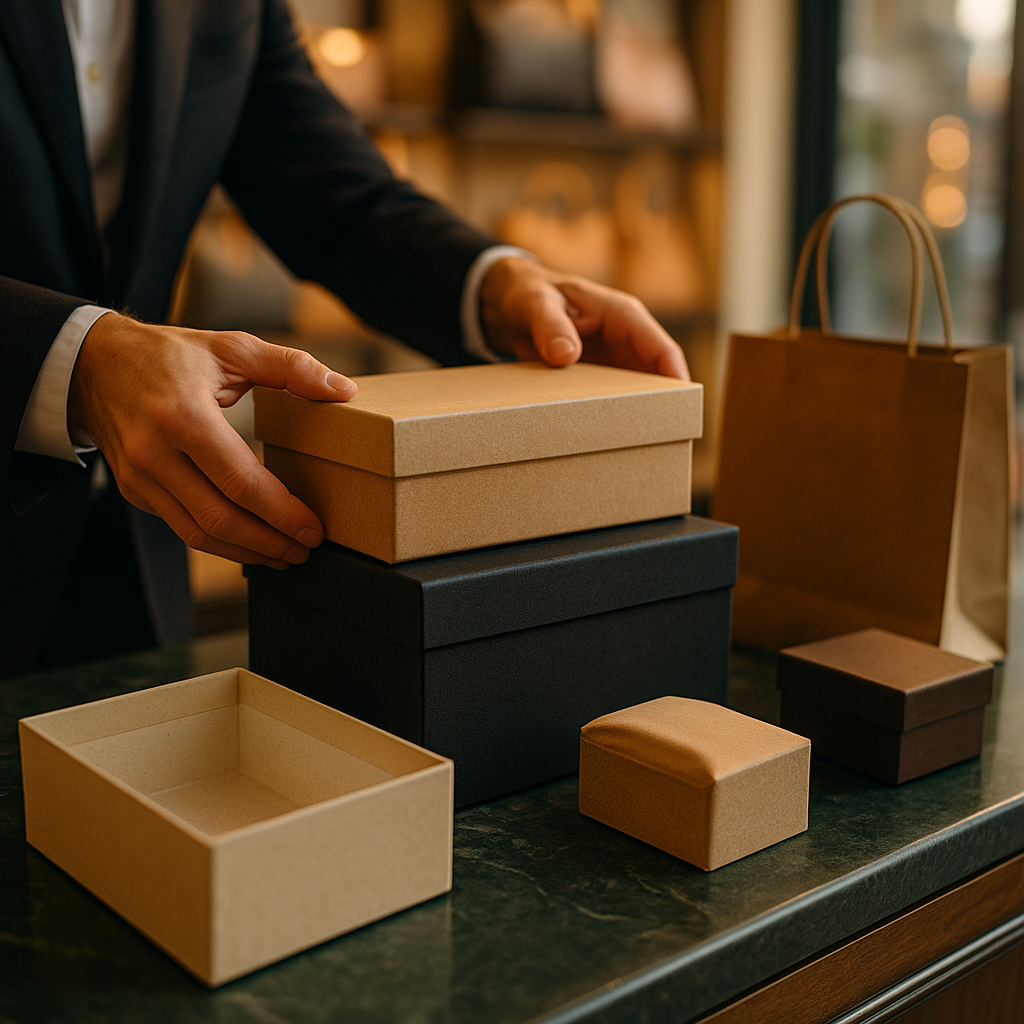
In 2026, premium fiber packaging has moved beyond sustainability talking points and into the language of modern luxury. Brands now use paper, board, and molded fiber to signal taste, care, and confidence at the shelf and at the doorstep. What once looked practical now feels aspirational, tactile, and intentionally premium. Why are consumers rewarding it so strongly?
Why premium packaging trends now favor fiber
The return of paper as a status marker is not a nostalgic accident. It reflects a larger shift in how consumers define quality. For years, glossy plastics and heavy laminates suggested expense. Today, many buyers read those same cues as outdated, excessive, or environmentally tone-deaf. In contrast, premium fiber formats communicate restraint, material honesty, and design discipline.
This change matters because packaging is often the first physical contact a customer has with a brand. In e-commerce, it may also be the only branded object that every buyer touches. A rigid paper tube, a soft-touch carton, a textured molded fiber insert, or an uncoated board with sharp embossing creates a sensory impression that digital ads cannot replicate.
Several forces are driving the trend:
- Consumer values have matured. Shoppers increasingly connect material choice with brand ethics and product integrity.
- Luxury codes have evolved. Quiet confidence now often outperforms flashy visual excess.
- Retail and e-commerce have merged. Packaging must look refined on a shelf, in an unboxing video, and in a recycling bin.
- Advances in fiber engineering have improved performance. Modern paper-based formats can deliver structure, protection, print quality, and premium tactile effects.
From a brand strategy perspective, this is not just a materials story. It is a perception story. Premium fiber works because it aligns what consumers see, feel, and believe. The packaging says the product is thoughtful before the product even speaks for itself.
How sustainable luxury packaging became a status signal
Status used to mean visible cost. Increasingly, it means visible intention. That is why sustainable luxury packaging now functions as a social and commercial signal. When a brand chooses well-made fiber over harder-to-recycle mixed materials, it tells customers that quality and responsibility can coexist.
This does not mean every paper box automatically looks premium. The status effect comes from execution. Consumers are quick to distinguish between packaging that feels elevated and packaging that feels cheap. Thin board, muddy printing, weak closures, or easily crushed forms can undermine the message. Premium fiber succeeds when structure, finish, and function support the brand story.
High-performing examples usually share a few traits:
- Material clarity. The substrate feels deliberate, not generic.
- Tactile richness. Texture, weight, and opening mechanics create perceived value.
- Visual restraint. Clean typography and controlled color palettes often feel more expensive.
- Credible sustainability cues. Recyclability, recycled content, and responsible sourcing are communicated clearly but not performatively.
Luxury buyers are not only paying for a product. They are paying for alignment between aesthetics, values, and experience. That is where fiber packaging has become powerful. It gives brands a way to express prestige without relying on wasteful excess. In categories like beauty, wellness, electronics accessories, premium food, and fashion, that balance is proving commercially effective.
For brand leaders, the practical question is simple: can your packaging communicate discernment as effectively as your product does? In 2026, fiber often gives the strongest yes.
The role of paper packaging design in brand perception
Paper packaging design now sits at the intersection of industrial design, sensory branding, and customer psychology. Great fiber packaging is not merely a container. It is a brand interface.
Consumers make fast judgments from subtle packaging cues. They notice edge precision, opening friction, board density, ink absorption, foil restraint, and whether the inside of the pack feels as considered as the outside. These details shape trust. A strong package can suggest product efficacy, freshness, craft, and even price fairness.
Design teams that treat paper as a premium medium typically focus on five areas:
- Structure first. A memorable opening sequence can elevate the product before any copy is read.
- Texture as branding. Uncoated, embossed, debossed, soft-touch, and molded surfaces create recognition through touch.
- Color discipline. Fiber tends to reward selective palettes over visual clutter.
- Typography and whitespace. Premium often comes from confidence, not compression.
- Interior experience. Inserts, folds, and printed messages inside the package extend the sense of care.
Brands also need to account for channel realities. In-store packaging must compete visually at a distance. E-commerce packaging must survive shipping and still feel pristine when opened. Subscription brands need repeatable delight without runaway cost. Fiber can work across all three, but only if the design system is built around real use cases.
This is where EEAT principles matter. Helpful packaging content should not make broad claims without grounding them in real-world considerations. From experience, the most successful premium paper systems are tested in transit, checked for print consistency, and evaluated by actual users. They are not designed only on a mood board. Brands that prototype early and observe unboxing behavior often discover friction points that static renders miss.
Why fiber-based packaging appeals to luxury consumers
The rise of fiber-based packaging in premium categories is partly practical and partly emotional. On the practical side, improved board grades, molded pulp innovation, and precision converting allow paper formats to protect products better than many brands once assumed. On the emotional side, fiber feels human. It warms quickly in the hand, carries texture naturally, and ages with character rather than looking scratched or brittle.
Luxury consumers respond to that humanity. They often want products that feel curated rather than mass-produced. Fiber helps create that impression because it can show subtle variance without looking flawed. A slight grain, a soft edge, a natural tone, or a visible paper layer can suggest authenticity.
There is also a signaling effect after purchase. Packaging that is attractive enough to keep, display, repurpose, or photograph extends brand visibility. A beautiful paper box on a vanity or shelf keeps working long after delivery. In that sense, the package becomes part of the product ecosystem.
Common questions from buyers and brand managers include whether fiber can still feel exclusive when it is widely associated with sustainability. The answer is yes, if exclusivity comes from craft rather than waste. Consumers are not impressed by unnecessary material complexity in the same way they once were. They are impressed by brands that can deliver sophistication through smart constraints.
Another question is whether paper risks making a product feel less durable or less technical. For some categories, that is a valid concern. The solution is not to abandon fiber, but to engineer it properly. Reinforced structures, molded fiber inserts, layered board construction, and selective coatings can maintain premium performance while preserving a paper-first identity.
Material innovation in eco-friendly packaging for premium brands
The phrase eco-friendly packaging can sound generic, but material innovation has made it far more specific and commercially useful. In 2026, premium fiber packaging is not limited to simple cartons. Brands can choose from rigid paper constructions, molded fiber trays, barrier-treated paper formats, premium corrugated solutions, and advanced mono-material systems designed for easier recycling.
That innovation matters because premium status depends on performance as much as appearance. If a package dents too easily, transfers ink, absorbs oil, or fails in humid conditions, the brand pays for it in returns and reputation. Strong fiber systems solve these issues through engineering, not guesswork.
When evaluating options, decision-makers should ask:
- What protection level does the product actually require? Over-packaging can damage perception as much as under-packaging.
- Which finishes preserve recyclability? Some decorative choices can complicate end-of-life outcomes.
- Can the format scale across SKUs? A premium system should support operational efficiency.
- How will it perform in shipping tests? Lab assumptions need validation.
- Is sourcing resilient? A beautiful package loses value if material availability is unstable.
Credibility is essential here. Consumers and retail partners are more skeptical of vague environmental claims than they were a few years ago. Brands should be precise. If the package uses recycled fiber, say how much where appropriate. If it is recyclable in most curbside systems, communicate that clearly. If there are limitations, do not hide them. Transparent claims build trust, and trust is part of premium positioning.
The best premium fiber strategies bring together design, procurement, operations, and compliance teams early. That cross-functional approach reduces expensive redesigns and keeps the brand promise intact from concept through fulfillment.
What brands should know about luxury unboxing experience
A compelling luxury unboxing experience is one of the strongest reasons paper has regained brand power. Unboxing now influences reviews, user-generated content, gifting appeal, and repeat purchase behavior. It shapes how customers describe a product to others. In many cases, the package teaches the consumer how to value the item inside.
Fiber is especially effective in unboxing because it supports pacing. Folds, sleeves, wraps, pull-tabs, and layered reveals create a sequence. That sequence can feel ceremonial without becoming wasteful. The key is intentionality. Every layer needs a job, whether that job is protection, presentation, guidance, or emotional build-up.
Brands can improve unboxing performance by focusing on these principles:
- Reduce friction. Premium should feel smooth, not confusing.
- Create one memorable moment. A signature reveal often works better than many minor tricks.
- Balance beauty and disposal. Easy recycling is part of the experience now.
- Write concise copy. A short interior message can add intimacy without clutter.
- Test with real users. Observe how first-time buyers actually open the pack.
It is also worth considering accessibility. Truly premium brands design openings that do not require excessive force, sharp tools, or guesswork. Ease of use communicates confidence. So does consistency. When every package arrives looking deliberate and intact, the brand earns authority.
That is the deeper reason the paper brand has returned. Fiber lets companies stage quality in a way consumers can feel immediately. It delivers material honesty, visual sophistication, and practical end-of-life advantages in one system. When done well, it turns packaging from a cost center into a visible expression of brand stature.
FAQs about premium fiber packaging as status
What is premium fiber packaging?
Premium fiber packaging refers to high-quality packaging made primarily from paper, paperboard, corrugated board, or molded fiber, designed to deliver both elevated aesthetics and functional performance. It often includes refined structures, tactile finishes, and carefully engineered protection.
Why do consumers see paper packaging as more premium now?
Many consumers now associate premium value with thoughtful design, sustainability, and material honesty rather than visual excess. Well-executed fiber packaging feels modern, responsible, and tactile, which supports a premium brand image.
Can fiber packaging still protect delicate or expensive products?
Yes. Modern fiber formats can provide strong protection through rigid constructions, molded inserts, layered board systems, and tested structural engineering. The right design depends on the product’s weight, fragility, and shipping conditions.
Is premium fiber packaging always sustainable?
No. Fiber can support better environmental outcomes, but sustainability depends on sourcing, recycled content, coatings, adhesives, inks, and recyclability in local systems. Brands should make precise claims rather than assume all paper packaging is inherently sustainable.
Which industries benefit most from premium fiber packaging?
Beauty, skincare, fragrances, premium food, fashion accessories, consumer electronics accessories, wellness, and gifting brands often benefit most. Any category where tactile experience and brand perception influence purchase can gain value from premium fiber.
Does premium paper packaging cost more?
It can, especially with custom structures or specialty finishes. However, it may also reduce material complexity, improve brand perception, increase shareability, and support customer retention. The right measure is total brand and operational value, not unit cost alone.
How can a brand make fiber packaging feel luxurious without overdesigning it?
Focus on board quality, texture, structure, opening experience, and typography. Restraint usually outperforms clutter. A few strong details executed well will often feel more luxurious than many decorative elements competing for attention.
What should brands test before launching premium fiber packaging?
They should test shipping durability, compression, opening ease, print consistency, shelf impact, unboxing perception, and recyclability communication. Real-world user testing is especially valuable because small friction points can undermine the premium effect.
Premium fiber packaging has become a status language because it expresses quality with discipline, not excess. In 2026, brands that use paper and molded fiber well can signal luxury, responsibility, and trust at once. The takeaway is practical: if packaging shapes perception, premium fiber is no longer an alternative choice. For many brands, it is now the smartest premium standard.
Top Influencer Marketing Agencies
The leading agencies shaping influencer marketing in 2026
Agencies ranked by campaign performance, client diversity, platform expertise, proven ROI, industry recognition, and client satisfaction. Assessed through verified case studies, reviews, and industry consultations.
Moburst

-
2

The Shelf
Boutique Beauty & Lifestyle Influencer AgencyA data-driven boutique agency specializing exclusively in beauty, wellness, and lifestyle influencer campaigns on Instagram and TikTok. Best for brands already focused on the beauty/personal care space that need curated, aesthetic-driven content.Clients: Pepsi, The Honest Company, Hims, Elf Cosmetics, Pure LeafVisit The Shelf → -
3

Audiencly
Niche Gaming & Esports Influencer AgencyA specialized agency focused exclusively on gaming and esports creators on YouTube, Twitch, and TikTok. Ideal if your campaign is 100% gaming-focused — from game launches to hardware and esports events.Clients: Epic Games, NordVPN, Ubisoft, Wargaming, Tencent GamesVisit Audiencly → -
4

Viral Nation
Global Influencer Marketing & Talent AgencyA dual talent management and marketing agency with proprietary brand safety tools and a global creator network spanning nano-influencers to celebrities across all major platforms.Clients: Meta, Activision Blizzard, Energizer, Aston Martin, WalmartVisit Viral Nation → -
5

The Influencer Marketing Factory
TikTok, Instagram & YouTube CampaignsA full-service agency with strong TikTok expertise, offering end-to-end campaign management from influencer discovery through performance reporting with a focus on platform-native content.Clients: Google, Snapchat, Universal Music, Bumble, YelpVisit TIMF → -
6

NeoReach
Enterprise Analytics & Influencer CampaignsAn enterprise-focused agency combining managed campaigns with a powerful self-service data platform for influencer search, audience analytics, and attribution modeling.Clients: Amazon, Airbnb, Netflix, Honda, The New York TimesVisit NeoReach → -
7

Ubiquitous
Creator-First Marketing PlatformA tech-driven platform combining self-service tools with managed campaign options, emphasizing speed and scalability for brands managing multiple influencer relationships.Clients: Lyft, Disney, Target, American Eagle, NetflixVisit Ubiquitous → -
8

Obviously
Scalable Enterprise Influencer CampaignsA tech-enabled agency built for high-volume campaigns, coordinating hundreds of creators simultaneously with end-to-end logistics, content rights management, and product seeding.Clients: Google, Ulta Beauty, Converse, AmazonVisit Obviously →