


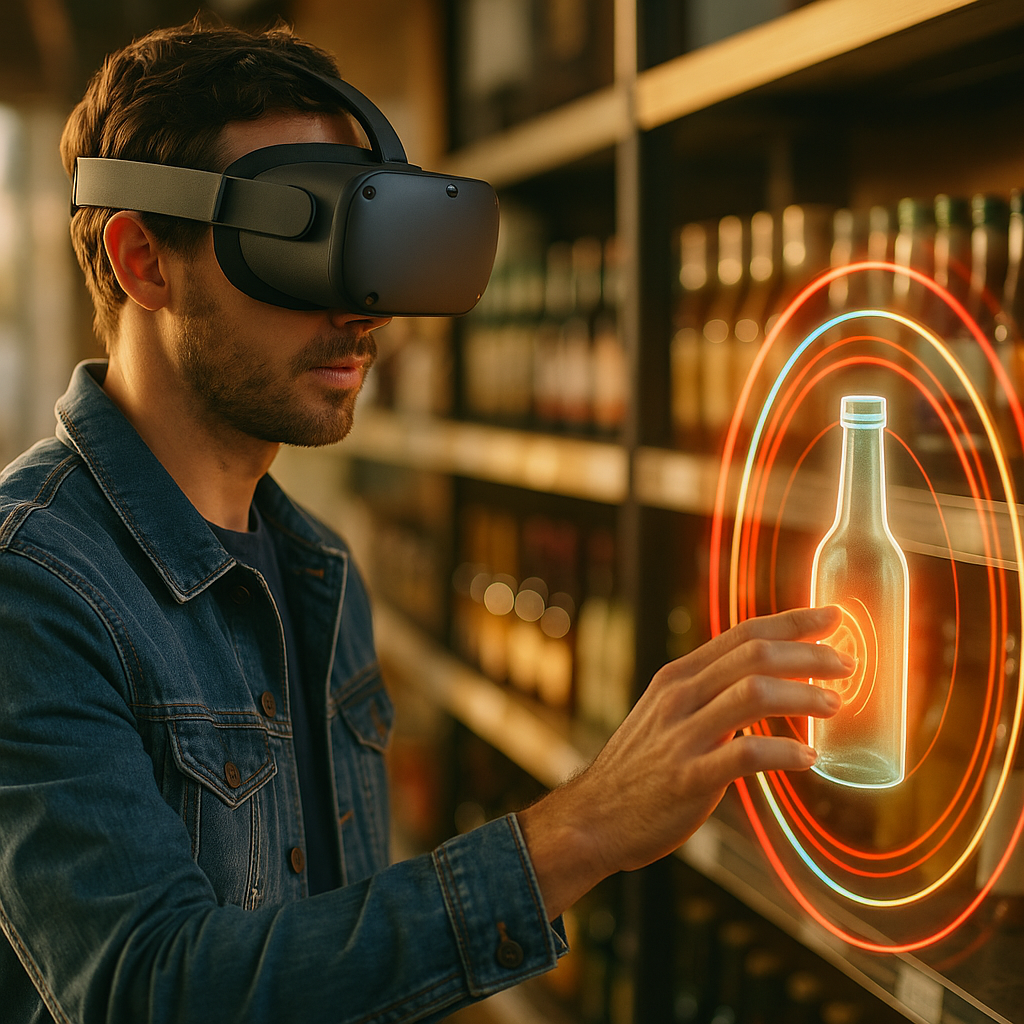
Haptic marketing is moving from novelty to strategy as brands compete for attention across crowded screens, wearables, gaming platforms, cars, and immersive commerce. Touch-based feedback can guide action, increase recall, and make digital experiences feel tangible. In 2026, the smartest marketers are not asking whether touch matters, but how to integrate it responsibly, measurably, and at scale.
Why sensory marketing now includes digital touch
For years, sensory marketing focused on packaging textures, in-store materials, product samples, and environmental design. Digital channels changed how brands communicate, but they also stripped away one of the most persuasive human senses: touch. Haptic technology helps close that gap by translating interaction into vibration, pressure cues, or tactile feedback through phones, watches, controllers, kiosks, automotive dashboards, and emerging extended reality devices.
The shift matters because users do not experience content as passive readers anymore. They tap, swipe, scroll, press, hold, and gesture. Each of those actions can trigger a physical response. When done well, that response becomes part of the message rather than a decorative effect. A subtle pulse can confirm a purchase, reinforce a brand sound, guide a user through a workflow, or make a product demo feel more memorable.
From an EEAT perspective, marketers should treat haptics as a user experience tool first and a branding tool second. That means grounding decisions in real customer behavior, product context, and measurable performance. A fintech app may use haptics to reassure users during high-stakes transactions. A gaming brand may use more expressive tactile patterns to deepen immersion. A health app may rely on gentle, functional feedback to encourage adherence without creating stress.
The future of touch in content is not about making everything vibrate. It is about matching tactile signals to user intent, device capability, and emotional context.
How haptic technology is reshaping content strategy
Most content teams still think in terms of text, image, audio, and video. In 2026, that model is incomplete. Haptic technology adds a new content layer: tactile behavior. This does not replace traditional assets. It extends them.
Consider how this changes common content formats:
- Mobile onboarding: Small confirmation taps can reduce uncertainty and make early interactions feel guided.
- Ecommerce product exploration: Touch feedback can highlight configuration steps, size changes, or customization selections.
- Interactive ads: A tactile cue can reinforce a call to action, especially when timing aligns with motion and sound.
- Video and livestream commerce: Companion haptic triggers on supported devices can mark key moments such as product reveals or limited-time offers.
- Automotive and wearable content: Touch becomes essential where visual attention is limited or divided.
To use haptics strategically, marketers need to map touchpoints to content goals. Ask three practical questions:
- What user action are we reinforcing? Haptics should support a behavior, not distract from it.
- What emotional tone fits the moment? A luxury brand, a meditation app, and a sports betting platform should not use the same tactile language.
- What device realities apply? Haptic strength, latency, operating system controls, and user settings vary widely.
This is where experience matters. Teams that test haptics across real devices, accessibility needs, and operating environments will outperform teams that rely on desktop mockups or assumptions. The best content strategies now include tactile guidelines alongside visual and verbal brand systems.
Using interactive content to create memorable touchpoints
Interactive content is the most natural home for haptic marketing because it already depends on participation. Quizzes, product configurators, playable ads, AR try-ons, and gamified loyalty journeys all benefit from tactile confirmation. The key is relevance. Users notice when feedback feels purposeful, and they quickly ignore or disable it when it feels repetitive.
Effective haptic design often follows a simple pattern:
- Signal: Let the user know something is actionable.
- Confirm: Reinforce that the action worked.
- Guide: Nudge the next step if needed.
- Reward: Add a stronger tactile moment for completion or success.
For example, an interactive skincare consultation could use a light pulse when a user selects a concern, a clearer confirmation when they save a routine, and a richer tactile sequence when they unlock a personalized recommendation. This turns utility into a brand experience without slowing the journey.
Brands should also think beyond phones. Retail kiosks, connected packaging, smart mirrors, wearables, and car interfaces expand where touch-based content can live. In these environments, haptics can reduce friction by replacing visual clutter. A single tactile cue may communicate more effectively than another pop-up, tooltip, or sound prompt.
However, memorable does not mean intense. Stronger feedback is not automatically better. In testing, users often prefer restrained haptics that feel integrated with interface behavior. Overuse can create fatigue, battery concerns, and a sense that the experience is manipulative. The best interactive content treats touch as part of a choreography between motion, timing, sound, and intent.
Where customer experience and accessibility must lead
If haptic marketing is going to scale responsibly, customer experience and accessibility must sit at the center. This is not only good practice. It is essential for helpful content and sustainable performance.
Touch-based feedback can improve usability for many people, including users who benefit from non-visual confirmation. It can support navigation, error prevention, and task completion. But it can also exclude users if marketers assume everyone perceives tactile cues in the same way or wants them enabled.
Responsible implementation includes:
- Clear user control: Respect device settings and provide in-app options where appropriate.
- Non-exclusive design: Never rely on haptics as the only way to communicate critical information.
- Context awareness: Consider environments where haptics may be missed, such as when a device is on a desk, in a bag, or mounted in a vehicle.
- Comfort testing: Validate how patterns feel over time, especially in health, finance, and utility use cases.
- Privacy by design: Be transparent if touch interactions are being measured for optimization.
There is also a trust dimension. Users increasingly recognize dark patterns across digital experiences. Poorly designed haptics can contribute to urgency, false reassurance, or pressure, especially around purchases and consent flows. Marketers should avoid tactile patterns that mimic system alerts, imply outcomes before they happen, or push users toward unwanted actions.
EEAT principles favor content that demonstrates real-world experience and user-first judgment. In practice, that means documenting how haptic choices improve usability, reduce friction, or support comprehension. It also means being honest about limitations. Not every audience, platform, or campaign needs tactile enhancement.
Measuring brand engagement and haptic ROI
One reason haptic marketing is gaining traction in 2026 is that measurement has improved. Brands no longer need to treat tactile design as an unquantifiable creative flourish. With the right instrumentation, teams can connect haptic use to engagement and conversion outcomes.
Useful metrics depend on the experience, but common indicators include:
- Tap-through and completion rates on interactive experiences
- Time to task completion in app flows or guided journeys
- Error reduction in onboarding, checkout, or form completion
- Retention and repeat interaction for habit-forming products
- Brand recall and sentiment from post-experience surveys
- Opt-in rates when users can choose enhanced tactile modes
The strongest testing models compare three versions of an experience: no haptics, basic functional haptics, and brand-enhanced haptics. This helps teams separate usability gains from purely expressive effects. It also clarifies whether extra tactile layers improve performance or simply add complexity.
Qualitative research remains important. Ask users what they noticed, what felt helpful, and what felt unnecessary. Many people cannot describe haptics in technical terms, but they can tell you whether an experience felt smoother, more reassuring, or more premium. Those insights help refine a tactile vocabulary that supports your brand rather than competing with it.
Marketers should also align haptic KPIs with business outcomes. If a tactile campaign wins praise but does not improve completion, retention, conversion, or satisfaction, it may not deserve expansion. The future belongs to teams that balance creativity with evidence.
What immersive marketing will look like next
The next phase of haptic marketing will be shaped by ecosystems, not isolated campaigns. As brands publish content across mobile apps, retail media, gaming, connected devices, streaming environments, and spatial interfaces, touch will become one part of a coordinated sensory system. Visual identity, sonic branding, motion design, and haptic patterns will work together.
Several developments are likely to define this space:
- Cross-device tactile branding: Brands will develop recognizable haptic signatures that adapt across phones, wearables, vehicles, and immersive headsets.
- AI-assisted personalization: Systems will tailor tactile intensity and timing based on context, user preferences, and predicted intent.
- Commerce integration: Shopping journeys will use haptics to support confidence, not just engagement, especially in product comparison and checkout.
- Creator and media formats: Interactive storytelling and branded entertainment will experiment with synchronized touch events on supported devices.
- Standards and governance: More organizations will formalize accessibility, ethics, and measurement frameworks for tactile design.
The brands that succeed will not chase haptics because the technology sounds futuristic. They will use it because touch solves real communication problems. It can reduce ambiguity, increase emotional texture, and make content feel more embodied. But it only works when the tactile layer is intentional, tested, and aligned with the user’s moment.
That is the central strategic shift: haptics are becoming content infrastructure. Just as responsive design changed how teams build for screens, tactile design will change how teams build for interaction.
FAQs about haptic marketing
What is haptic marketing?
Haptic marketing is the use of touch-based digital feedback, such as vibration or tactile cues, to enhance brand communication, guide user actions, and improve the experience of content, ads, apps, and connected products.
Why does haptic marketing matter in 2026?
It matters because users increasingly interact through devices that support tactile feedback, including smartphones, wearables, gaming systems, cars, and immersive platforms. Brands can use touch to make content clearer, more memorable, and easier to navigate.
Does haptic feedback improve conversions?
It can, especially when it reduces friction in key flows such as onboarding, checkout, and form completion. Results depend on context, design quality, and testing. Functional haptics often outperform decorative haptics in conversion-focused experiences.
Is haptic marketing only for mobile apps?
No. It also applies to wearables, automotive systems, retail kiosks, gaming environments, connected packaging, and emerging immersive interfaces. Mobile remains a major channel, but it is no longer the only relevant one.
How can brands use haptics without annoying users?
Use touch feedback sparingly, tie it to meaningful actions, respect device settings, and always test with real users. Haptics should support clarity and confidence, not create noise or pressure.
Are there accessibility concerns with haptic content?
Yes. Haptics should never be the only signal for important information. Brands should offer alternatives, respect user preferences, and validate experiences across different abilities and contexts.
How do you measure the success of haptic marketing?
Track behavioral metrics such as completion rate, time to task, error rate, repeat engagement, and conversion. Combine these with qualitative feedback to understand whether touch improved usability, recall, or brand perception.
What industries benefit most from haptic marketing?
Retail, gaming, automotive, fintech, health, travel, media, and consumer apps all have strong use cases. Any industry that relies on digital interaction can benefit if touch feedback solves a real user need.
Haptic marketing will reward brands that treat touch as a strategic layer of content, not a gimmick. The opportunity in 2026 is to design tactile experiences that improve clarity, support accessibility, and strengthen brand memory across devices. Start with high-intent moments, test rigorously, and build a haptic system that respects users while making digital interactions feel more human.
Top Influencer Marketing Agencies
The leading agencies shaping influencer marketing in 2026
Agencies ranked by campaign performance, client diversity, platform expertise, proven ROI, industry recognition, and client satisfaction. Assessed through verified case studies, reviews, and industry consultations.
Moburst

-
2

The Shelf
Boutique Beauty & Lifestyle Influencer AgencyA data-driven boutique agency specializing exclusively in beauty, wellness, and lifestyle influencer campaigns on Instagram and TikTok. Best for brands already focused on the beauty/personal care space that need curated, aesthetic-driven content.Clients: Pepsi, The Honest Company, Hims, Elf Cosmetics, Pure LeafVisit The Shelf → -
3

Audiencly
Niche Gaming & Esports Influencer AgencyA specialized agency focused exclusively on gaming and esports creators on YouTube, Twitch, and TikTok. Ideal if your campaign is 100% gaming-focused — from game launches to hardware and esports events.Clients: Epic Games, NordVPN, Ubisoft, Wargaming, Tencent GamesVisit Audiencly → -
4

Viral Nation
Global Influencer Marketing & Talent AgencyA dual talent management and marketing agency with proprietary brand safety tools and a global creator network spanning nano-influencers to celebrities across all major platforms.Clients: Meta, Activision Blizzard, Energizer, Aston Martin, WalmartVisit Viral Nation → -
5

The Influencer Marketing Factory
TikTok, Instagram & YouTube CampaignsA full-service agency with strong TikTok expertise, offering end-to-end campaign management from influencer discovery through performance reporting with a focus on platform-native content.Clients: Google, Snapchat, Universal Music, Bumble, YelpVisit TIMF → -
6

NeoReach
Enterprise Analytics & Influencer CampaignsAn enterprise-focused agency combining managed campaigns with a powerful self-service data platform for influencer search, audience analytics, and attribution modeling.Clients: Amazon, Airbnb, Netflix, Honda, The New York TimesVisit NeoReach → -
7

Ubiquitous
Creator-First Marketing PlatformA tech-driven platform combining self-service tools with managed campaign options, emphasizing speed and scalability for brands managing multiple influencer relationships.Clients: Lyft, Disney, Target, American Eagle, NetflixVisit Ubiquitous → -
8

Obviously
Scalable Enterprise Influencer CampaignsA tech-enabled agency built for high-volume campaigns, coordinating hundreds of creators simultaneously with end-to-end logistics, content rights management, and product seeding.Clients: Google, Ulta Beauty, Converse, AmazonVisit Obviously →