


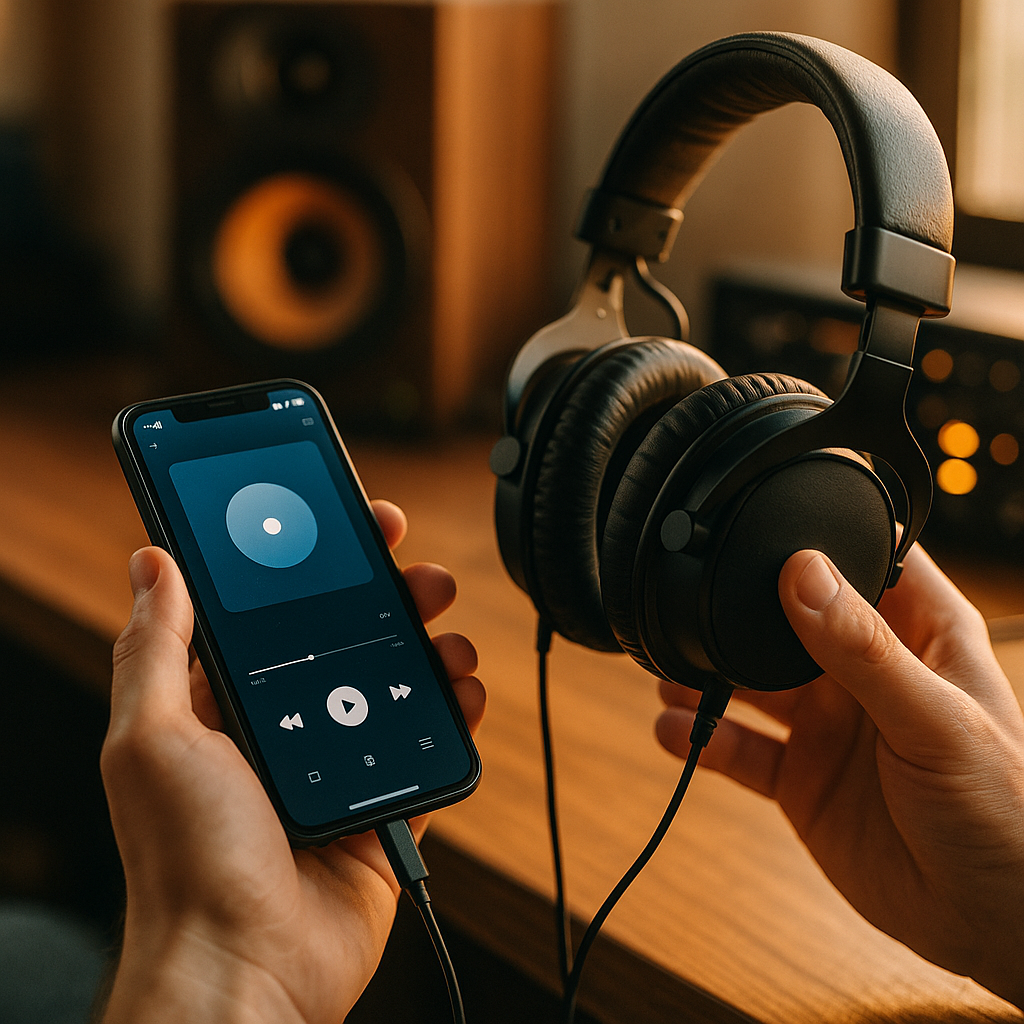
Great apps do more than look polished; they sound intentional. Acoustic UX turns taps, transitions, alerts, and rewards into signals users can feel instantly, shaping trust, speed, and memory. In 2026, premium sound is no longer a luxury layer for elite brands. It is a measurable product advantage that influences perception, usability, and retention. What separates smart sonic design from noise?
Acoustic branding in apps: why sound shapes digital product perception
Acoustic UX sits at the intersection of product design, psychology, accessibility, and brand strategy. It refers to the deliberate use of sound in digital experiences to guide behavior, communicate system status, reduce uncertainty, and express brand identity. While visual UI often gets most of the design attention, audio can process faster than text and can reinforce meaning even when users are not looking directly at the screen.
That matters because mobile experiences are increasingly ambient. Users multitask, glance at screens, move between devices, and rely on subtle cues to confirm actions. A premium sound strategy helps an app feel responsive and reliable. A weak one creates friction, annoyance, or confusion.
Acoustic branding in apps goes beyond a startup chime or a notification tone. It includes:
- Functional sounds that confirm actions such as payment success, scan completion, or content download
- Feedback sounds that indicate error states, warnings, progress, or interaction depth
- Brand signatures such as sonic logos, short motifs, or tonal palettes tied to the brand personality
- Environmental sound design that supports immersion in gaming, wellness, fitness, education, or media apps
- Adaptive audio behaviors that respond to device settings, user preferences, and context
Premium sound works because it creates consistency. When every tone, texture, and timing choice reflects the same brand logic, users begin to associate sound with quality. Banking apps can sound secure and calm. Retail apps can sound elegant and confident. Health apps can sound reassuring without becoming sentimental. The goal is not to add more audio. The goal is to build a coherent auditory language that supports the product experience.
Sound design psychology: the science behind trust, speed, and emotion
Sound affects cognition quickly. The human brain uses audio cues to detect change, urgency, location, and emotional tone with very little conscious effort. In app design, that means carefully engineered sound can reduce cognitive load by confirming what happened before the user reads any copy.
Consider a payment confirmation. A visually elegant checkmark helps, but a short, clean, harmonically stable sound often seals the feeling of completion. Users do not simply see success; they sense it. That sensory reinforcement improves confidence and lowers hesitation in future actions.
Several principles from sound design psychology are especially relevant:
- Temporal precision: sounds must align tightly with the action. Delayed audio feels broken and weakens trust.
- Psychoacoustic clarity: frequencies should remain audible across common phone speakers without becoming harsh.
- Emotional congruence: the timbre, pitch, and duration should match the action. A security alert should not sound playful.
- Expectation management: consistent sound patterns help users learn what interactions mean over time.
- Attentional hierarchy: not every event deserves the same level of sonic emphasis. Reserve stronger sounds for meaningful moments.
Premium sound also influences perceived speed. A micro-interaction with supportive audio can make a transition feel smoother, even if the actual system response time stays the same. This does not mean masking poor performance. It means reducing ambiguity during normal waiting periods with subtle feedback that tells users the system is working.
Emotion is another major factor. Lower, warmer tonalities often feel stable and premium. Overly bright, synthetic sounds may feel cheap if used in the wrong context. Silence also has value. Restraint is a hallmark of high-end sonic design. The absence of sound in low-priority actions can make key sounds more meaningful.
For teams asking whether sound really impacts business metrics, the answer is yes when it is tied to clear product goals. Audio can improve task completion confidence, reduce repeated taps, support accessibility, strengthen memory recall, and increase brand distinctiveness. To make those gains real, however, the sound system must be tested like any other UX component.
Premium app sound design: building a sonic system instead of random effects
Many apps fail with sound because they bolt on effects late in development. Premium app sound design starts earlier, with strategy. Instead of choosing isolated sound files, leading teams create a sonic system that maps audio to product moments, user intent, brand traits, and platform realities.
A practical sonic system includes:
- Brand attributes translated into sound, such as precise, warm, energetic, luxurious, or secure
- Interaction categories, including success, warning, error, progress, arrival, reward, and passive status
- Technical specifications for loudness, duration, dynamic range, file compression, and playback behavior
- Context rules that define when sounds should play, soften, stack, or remain silent
- Accessibility options so users can control or customize audio feedback
The strongest systems begin with brand intent. If a luxury retail app wants to feel premium, the sound palette might favor minimal layers, refined transients, and natural resonance over flashy electronic sweeps. If a finance app needs to signal control and trust, it may rely on restrained tonal intervals and highly consistent confirmation cues.
Teams should also think about sonic hierarchy. Not every user action needs an audible response. Overusing sound causes fatigue and can push users to mute the app entirely. Reserve audio for events that improve comprehension or deepen emotional engagement. Strong candidates include onboarding milestones, transaction confirmation, scan success, high-value achievements, and safety-critical alerts.
Another overlooked factor is speaker reality. Phone speakers compress detail, emphasize certain frequency ranges, and vary across devices. Sounds that seem elegant in a studio can become thin or piercing on consumer hardware. That is why premium app sound design requires device testing, not just desktop review.
File size and performance matter too. Audio assets should be optimized to avoid slowing the app or increasing battery drain. Product, engineering, and sound teams need shared standards for formats, caching, concurrency, and interruption handling. Premium sound is not just creative polish; it is an operational discipline.
Mobile app audio accessibility: inclusive design principles that improve UX for everyone
Sound can support accessibility, but only when it is designed responsibly. Mobile app audio accessibility means users should be able to perceive important information in ways that fit their needs, context, and abilities. Audio should enhance clarity, not become a barrier.
Inclusive acoustic UX follows several rules:
- Never rely on sound alone for critical information. Pair audio with visual and, where appropriate, haptic feedback.
- Provide user control over volume behavior, sound categories, and notification preferences.
- Respect device settings, including silent mode, focus modes, and operating system accessibility preferences.
- Differentiate sounds clearly so warnings, confirmations, and errors are easy to tell apart.
- Avoid painful frequency ranges or startling dynamics that may distress sensitive users.
Accessibility is also contextual. A commuter in a noisy environment may miss soft cues. A parent using an app at night may want discreet audio. A user with hearing loss may depend on stronger vibration or visual confirmation. By planning for these realities, teams create better products for everyone, not just a narrow ideal user.
There is also a brand trust dimension. Users notice when an app blasts sound unexpectedly or ignores system-level preferences. That feels disrespectful. In contrast, an app that handles audio with restraint and flexibility signals maturity. Premium brands understand that user control is part of the luxury experience.
Testing should include people using assistive technologies and different hardware setups. Teams should evaluate whether users can still complete tasks if audio is off, whether the app communicates state changes clearly, and whether sound categories are intuitive across demographics. This is where EEAT matters: helpful content and credible product decisions come from direct experience, cross-functional expertise, and transparent testing methods.
Sonic branding strategy: how to align audio with product goals and brand identity
A sonic branding strategy for apps should connect sound choices to specific business and UX outcomes. Without that link, teams may invest in custom audio that sounds attractive but does little to improve the product.
Start by answering four questions:
- What should users feel? Secure, inspired, calm, motivated, rewarded, or in control?
- What behaviors should sound support? Faster task completion, fewer errors, stronger onboarding, repeat engagement, or premium perception?
- Which moments matter most? Account creation, checkout, achievement, content unlock, live support, or reminder flows?
- How will success be measured? Through usability tests, opt-in sound usage, task completion confidence, retention, or brand recall studies?
Once these goals are clear, teams can define a sonic identity. This includes motif, instrument texture, tonal range, pacing, and interaction rules. For example, a travel app might design sounds that suggest movement and ease without adding stress. A meditation app may prioritize breath-like envelopes, low-complexity tones, and long decay times. A productivity app may focus on precise, unobtrusive cues that support flow rather than interrupt it.
Cross-channel consistency is powerful here. If a brand uses a sonic logo in advertising, customer support, and the app, users develop stronger memory associations. But the app should not simply reuse marketing audio everywhere. App sound must serve utility first. The most effective sonic branding strategy adapts the brand voice to product contexts.
Governance is equally important. Document approved sounds, use cases, playback standards, and update processes. As features expand, random additions can dilute the system quickly. A clear library and review workflow keep the experience coherent over time.
UX sound testing and measurement: proving ROI and refining premium audio
Sound decisions should be validated with the same rigor applied to copy, layouts, and flows. UX sound testing helps teams move from subjective preference to evidence-based refinement. It also helps product leaders justify investment in premium sound.
Useful testing methods include:
- Moderated usability sessions to observe whether sound reduces uncertainty or causes distraction
- A/B tests comparing key actions with and without specific audio cues
- Preference tests to evaluate different timbres, durations, and tonal structures for brand fit
- Accessibility reviews across hearing profiles, environments, and device settings
- Telemetry analysis measuring repeated taps, abandonment points, opt-outs, and conversion behavior
What should teams measure? Start with metrics tied to user experience and business value:
- Task completion confidence after important actions like payment or booking
- Error recovery rate when warnings and invalid states use audio support
- Engagement quality rather than raw time spent, especially in utility apps
- Sound enablement retention to see whether users keep audio on over time
- Brand recall and premium perception in post-session surveys or brand lift studies
Teams should also test edge cases. What happens when multiple sounds compete? How does playback behave during interruptions, calls, headphones switching, or Bluetooth lag? Does the app handle silent mode in a way users expect? Premium experiences depend on getting these details right.
One common concern is whether custom sound is worth the cost. For high-frequency apps and brands competing on perception, trust, and retention, the answer is often yes. Thoughtful sound can sharpen differentiation in crowded categories where visual conventions look increasingly similar. The key is disciplined implementation. Premium audio becomes valuable when it solves real UX problems and strengthens how the brand is remembered.
FAQs about acoustic UX and premium sound in brand apps
What is acoustic UX in simple terms?
Acoustic UX is the intentional use of sound in digital products to guide users, confirm actions, communicate status, and express brand identity. It covers everything from subtle tap feedback to onboarding sounds and transaction confirmations.
Why does sound matter in apps if users can mute their phones?
Because sound still influences many high-value interactions, especially when users have audio enabled, use headphones, or rely on non-visual cues. Good acoustic UX also improves the system through better structure, accessibility planning, and haptic pairing, even when audio is optional.
What makes app sound feel premium?
Premium sound feels precise, restrained, consistent, and aligned with the brand. It avoids harsh frequencies, excessive repetition, and gimmicky effects. It also performs well across devices and respects user settings.
How can brands avoid annoying users with sound?
Use sound selectively, tie it to meaningful moments, offer control settings, and test across real contexts. Do not attach audio to every interaction. The best systems use silence strategically and keep stronger cues for important states.
Is sonic branding the same as a sonic logo?
No. A sonic logo is one element of sonic branding. Sonic branding includes the broader sound palette, interaction rules, emotional tone, and how audio behaves across the full app experience and other brand touchpoints.
How should teams test acoustic UX?
Combine usability research, accessibility review, A/B testing, and telemetry. Measure whether sound improves clarity, confidence, and completion while avoiding fatigue or confusion. Include testing on actual mobile devices, not just studio speakers.
Which apps benefit most from premium sound?
Finance, retail, health, fitness, travel, gaming, media, automotive, education, and productivity apps can all benefit. The strongest gains appear where trust, confirmation, immersion, and brand differentiation matter most.
Can acoustic UX improve accessibility?
Yes, when it complements visual and haptic feedback rather than replacing them. It can help communicate state changes, reduce uncertainty, and support users in glance-based or hands-busy situations. Accessibility improves most when users can control audio behavior.
Acoustic UX gives brands a practical way to improve usability and perception at the same time. Premium app sound is not decoration; it is a system for clarity, trust, emotion, and memory. In 2026, the strongest digital products treat audio as part of the interface, test it rigorously, and give users control. If sound supports the task and the brand, it earns its place.
Top Influencer Marketing Agencies
The leading agencies shaping influencer marketing in 2026
Agencies ranked by campaign performance, client diversity, platform expertise, proven ROI, industry recognition, and client satisfaction. Assessed through verified case studies, reviews, and industry consultations.
Moburst

-
2

The Shelf
Boutique Beauty & Lifestyle Influencer AgencyA data-driven boutique agency specializing exclusively in beauty, wellness, and lifestyle influencer campaigns on Instagram and TikTok. Best for brands already focused on the beauty/personal care space that need curated, aesthetic-driven content.Clients: Pepsi, The Honest Company, Hims, Elf Cosmetics, Pure LeafVisit The Shelf → -
3

Audiencly
Niche Gaming & Esports Influencer AgencyA specialized agency focused exclusively on gaming and esports creators on YouTube, Twitch, and TikTok. Ideal if your campaign is 100% gaming-focused — from game launches to hardware and esports events.Clients: Epic Games, NordVPN, Ubisoft, Wargaming, Tencent GamesVisit Audiencly → -
4

Viral Nation
Global Influencer Marketing & Talent AgencyA dual talent management and marketing agency with proprietary brand safety tools and a global creator network spanning nano-influencers to celebrities across all major platforms.Clients: Meta, Activision Blizzard, Energizer, Aston Martin, WalmartVisit Viral Nation → -
5

The Influencer Marketing Factory
TikTok, Instagram & YouTube CampaignsA full-service agency with strong TikTok expertise, offering end-to-end campaign management from influencer discovery through performance reporting with a focus on platform-native content.Clients: Google, Snapchat, Universal Music, Bumble, YelpVisit TIMF → -
6

NeoReach
Enterprise Analytics & Influencer CampaignsAn enterprise-focused agency combining managed campaigns with a powerful self-service data platform for influencer search, audience analytics, and attribution modeling.Clients: Amazon, Airbnb, Netflix, Honda, The New York TimesVisit NeoReach → -
7

Ubiquitous
Creator-First Marketing PlatformA tech-driven platform combining self-service tools with managed campaign options, emphasizing speed and scalability for brands managing multiple influencer relationships.Clients: Lyft, Disney, Target, American Eagle, NetflixVisit Ubiquitous → -
8

Obviously
Scalable Enterprise Influencer CampaignsA tech-enabled agency built for high-volume campaigns, coordinating hundreds of creators simultaneously with end-to-end logistics, content rights management, and product seeding.Clients: Google, Ulta Beauty, Converse, AmazonVisit Obviously →