


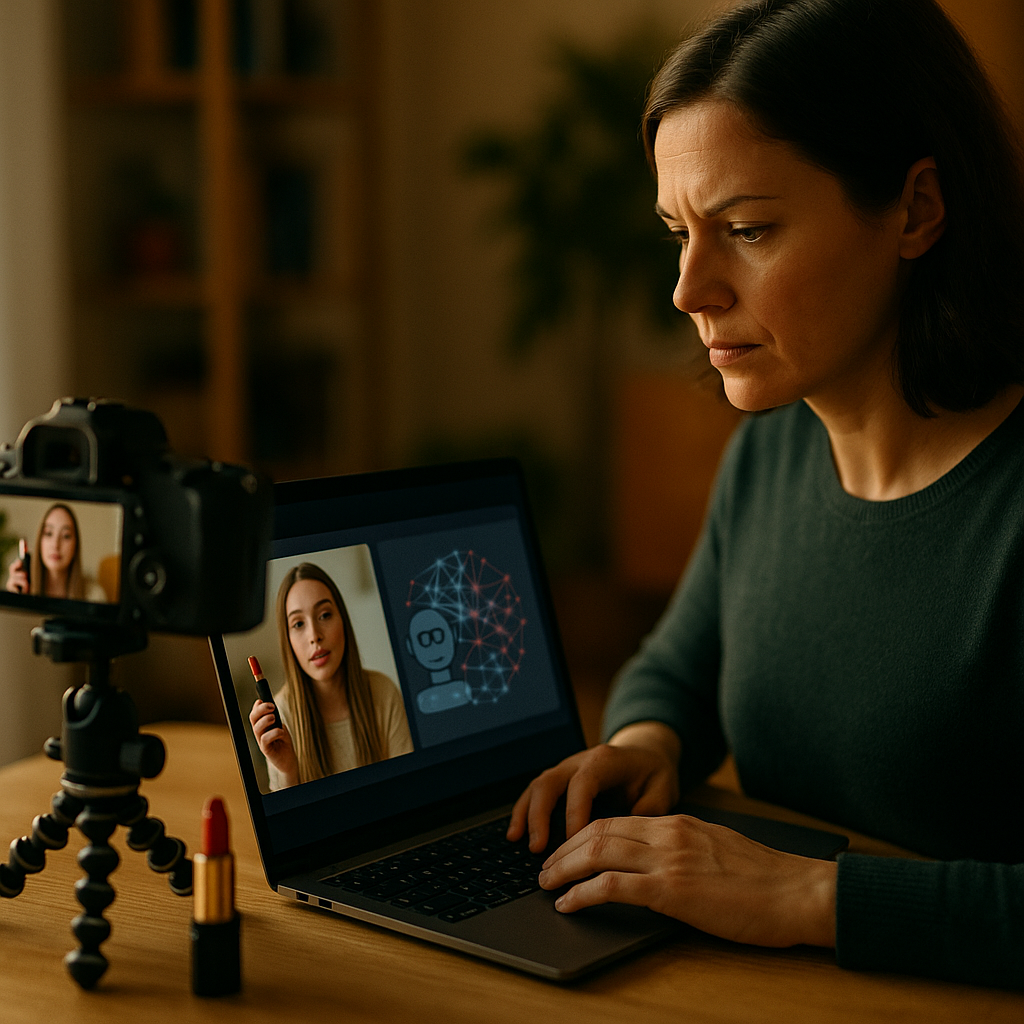
Using AI to detect narrative hijacking in multi year creator campaigns has become essential for brands that rely on long-term trust, audience consistency, and measurable growth. When a campaign spans several product cycles, platform shifts, and creator evolutions, outside voices can distort its message fast. The real challenge is not spotting noise. It is knowing when noise becomes narrative risk.
Why narrative hijacking in creator campaigns is a rising brand safety risk
Narrative hijacking happens when the intended story of a creator partnership gets redirected by competitors, hostile communities, misinformation, trend opportunists, or even algorithmic amplification. In multi year creator campaigns, the risk compounds because the audience sees the partnership as an ongoing relationship rather than a one-off promotion.
A single off-message post rarely defines a campaign. Repeated shifts in framing do. For example, a wellness brand may build a long-term narrative around credibility, scientific rigor, and daily habits. Over time, creators, commenters, affiliate accounts, stitched videos, and secondary publishers may begin reframing the campaign around shortcuts, controversy, or unverified claims. The content still references the brand, but the audience absorbs a very different story.
This matters because long-term creator work depends on cumulative association. Brand lift, trust, conversion efficiency, and community sentiment are not shaped only by sponsored posts. They are shaped by all the surrounding conversation. In 2026, that conversation moves quickly across short-form video, livestreams, creator newsletters, social search, AI-generated summaries, and community threads. Brands that monitor only direct mentions miss the bigger picture.
From an EEAT perspective, this is where experience and process matter. Teams need a documented framework for how they define the intended narrative, how they measure drift, and how they respond without overcorrecting. Helpful content in this area does not rely on fear. It gives brand, social, and influencer leaders a way to make defensible decisions based on evidence.
How AI narrative monitoring works across multi year creator campaigns
AI narrative monitoring is not just sentiment analysis with a new label. Sentiment tells you whether conversation feels positive, negative, or neutral. Narrative analysis tells you what story people are telling, which themes are gaining traction, who is driving them, and whether they align with campaign intent.
In practical terms, AI systems detect narrative hijacking by analyzing:
- Topic clusters: recurring themes attached to your brand, creators, products, and campaign claims
- Language shifts: new phrasing, slang, critiques, or meme formats that change interpretation
- Source patterns: which creators, aggregators, anonymous accounts, communities, or media outlets are amplifying the shift
- Velocity signals: how quickly an alternate framing is spreading across platforms
- Cross-platform propagation: whether the narrative starts on one platform and becomes normalized on another
- Association mapping: which people, products, controversies, or cultural debates are getting linked to your campaign
The strongest systems combine natural language processing, multimodal analysis, and graph intelligence. That means they do not read captions alone. They also assess comments, transcripts, overlays, stitched content, hashtags, thumbnails, and engagement networks. For creator campaigns, this is critical because many narrative shifts happen in context rather than in the sponsored post itself.
To work well, AI needs a baseline. Brands should define the campaign’s core narrative pillars at the start of the partnership. These usually include mission, value proposition, proof points, compliance boundaries, creator fit, and audience outcomes. Once that baseline exists, machine learning models can score content and conversation against it over time.
This allows teams to move from reactive moderation to active narrative stewardship. Instead of asking, “Did something go wrong this week?” they can ask, “Which themes are drifting from our intended story, which creators or communities are driving that drift, and what is the likely business impact if we do nothing?”
Key AI signals for creator brand safety and message alignment
Creator brand safety in 2026 goes beyond avoiding offensive content. It includes preserving message integrity over long periods. A creator may remain broadly safe while the surrounding discourse gradually undermines the campaign’s strategic purpose. That is why brands need to track a wider set of indicators.
The most useful AI signals include:
- Narrative deviation score
This compares actual campaign conversation with the defined campaign message map. A rising deviation score suggests the audience is attaching different meanings to the partnership.
- Influence concentration
If a small set of accounts can disproportionately reshape how the campaign is interpreted, the brand has a structural risk. AI can identify whether those accounts are creators, fan pages, commentary channels, competitors, or coordinated networks.
- Context fragility
Some messages are easy to distort. Claims around health, finance, sustainability, or performance are especially vulnerable. AI can flag which narrative pillars trigger confusion, skepticism, or exaggerated user interpretations.
- Comment-to-content divergence
Sometimes the sponsored content is on-message, but comments are not. If comments consistently reframe the creator partnership in a harmful way, the public takeaway may no longer match the post itself.
- Creator ecosystem spillover
Long-term ambassadors exist within communities. If adjacent creators begin mocking, questioning, or reframing a campaign theme, that spillover can become a wider audience belief.
- Synthetic amplification patterns
AI-generated reposts, summary channels, bot-like engagement bursts, or low-quality aggregation can magnify a false or distorted narrative. Brands need to know whether a shift is organic, coordinated, or synthetic.
These signals become more actionable when paired with human review. AI is excellent at finding patterns at scale. Human teams are still better at understanding nuance, creator intent, legal risk, and cultural context. The best practice is not choosing one over the other. It is building a workflow where AI escalates likely issues and trained specialists validate what matters.
Building an AI governance framework for influencer risk management
Influencer risk management requires policy, not just tooling. Many teams adopt AI monitoring and then realize they have no agreement on thresholds, ownership, or response options. That leads to inconsistency. One team treats a narrative shift as a crisis. Another ignores it until it affects media coverage or sales.
A more resilient framework includes five components.
1. Define the intended narrative in operational terms
Do not rely on broad brand language. Translate the campaign into a documented narrative model: approved themes, prohibited associations, claim boundaries, target audience interpretations, and creator-specific roles. If your campaign says “confidence through performance,” specify what that means and what it must never imply.
2. Set escalation tiers
Not every drift deserves intervention. Build tiers such as:
- Tier 1: minor reinterpretation with low business risk
- Tier 2: repeated off-message framing across multiple creators or communities
- Tier 3: harmful or false narrative with compliance, reputation, or revenue implications
This lets teams act proportionately.
3. Assign cross-functional ownership
Narrative hijacking often sits between departments. Influencer teams see the creator side. Social teams see community reaction. PR sees press spillover. Legal sees claim exposure. Data teams see conversion changes. Assign a clear decision-maker and a shared review cadence.
4. Establish creator communication protocols
Long-term creators should know how the brand handles narrative drift. That includes when the brand will ask for clarification, when creators should avoid engaging, and when a coordinated correction is appropriate. Clear expectations preserve trust better than ad hoc requests made under pressure.
5. Audit the model regularly
Campaign narratives evolve. So do platforms, cultural references, and AI models. Review whether your taxonomy still reflects how audiences talk. A model trained on outdated language can miss emerging distortions or overflag harmless trends.
This governance layer strengthens EEAT because it shows the brand is not guessing. It is applying experience, expertise, and a repeatable system to evaluate risk and protect the audience from confusion.
Practical AI tools and workflows for campaign sentiment analysis at scale
Campaign sentiment analysis still plays a role, but it works best when combined with narrative intelligence. A practical workflow should help teams answer four questions quickly: What changed, where did it start, how serious is it, and what should we do next?
A strong operational workflow looks like this:
- Ingest data from all relevant surfaces
Include creator posts, captions, transcripts, comments, reaction videos, community threads, affiliate content, media mentions, and search snippets. If you only monitor owned dashboards, you will undercount narrative spread.
- Label narrative pillars and risk entities
Create structured tags for campaign messages, product categories, regulated claims, competitor references, social issues, and creator-specific vulnerabilities. This allows the model to distinguish casual chatter from strategic drift.
- Run anomaly detection weekly and event-based alerts daily
Multi year campaigns need rhythm. Weekly reviews reveal trends. Daily alerts catch sudden spikes after launches, product incidents, creator controversies, or platform algorithm changes.
- Use human analysts for high-impact interpretation
Analysts should inspect samples behind the metrics. This prevents overreliance on dashboards and helps teams understand whether a narrative shift is satire, critique, activism, misinformation, or an emerging customer insight.
- Link narrative metrics to business outcomes
Track whether shifts correlate with click-through rate, conversion rate, branded search, customer support volume, return rate, or retention among creator-acquired cohorts. This makes the monitoring program credible to leadership.
Teams often ask which interventions work best once AI flags a problem. The answer depends on the source. If the issue comes from audience misunderstanding, clearer creator talking points or follow-up explainer content may help. If it comes from coordinated attacks or false claims, the response may require trust and safety teams, legal review, and platform escalation. If it comes from a real product gap, the right move may be product communication rather than message correction.
The key is to avoid one-size-fits-all responses. AI helps classify the pattern, but the action should match the cause.
Best practices to prevent narrative hijacking before it starts
Narrative hijacking prevention is more efficient than crisis response. Brands with strong long-term creator programs do not merely monitor outcomes. They design campaigns so the intended story is harder to distort.
Several practices help.
- Choose creators for narrative fit, not just reach
A creator can have strong performance metrics and still be a weak long-term narrator for your brand. Evaluate how they explain products, how their audience interprets recommendations, and how they handle controversy.
- Build modular message architecture
Give creators flexible but bounded guidance. The best briefs define essential truths, unsafe claims, and preferred proof points while leaving room for authentic delivery.
- Train creators on risk themes
If your category attracts misinformation or polarized debate, prepare creators in advance. Show examples of common distortions and explain how to avoid accidentally feeding them.
- Monitor audience interpretation early
The first comments, stitches, and reposts often reveal how a message will travel. Early detection allows low-friction corrections before the alternate framing hardens.
- Create a response playbook for each campaign phase
Launch, optimization, seasonal pushes, product updates, and renewal announcements all carry different narrative risks. Plan for them separately.
- Use postmortems to improve the next quarter
For multi year work, each cycle should improve the model. Document where AI caught genuine risk, where it overflagged harmless conversation, and where humans spotted issues the model missed.
One common follow-up question is whether AI monitoring makes creators feel policed. It can, if the brand implements it poorly. The better approach is to position monitoring as a shared protection system. It helps the brand and creator understand how the public is interpreting the partnership, which benefits both parties in a long-term relationship.
Another question is whether smaller brands need this level of rigor. If a creator program is central to your growth, the answer is yes. The scale of tooling may differ, but the principle does not. Long-term campaigns create narrative assets. Those assets deserve active protection.
FAQs about AI to detect narrative hijacking in multi year creator campaigns
What is narrative hijacking in a creator campaign?
It is when the public story around a creator partnership shifts away from the brand’s intended message due to misinformation, commentary, competing agendas, meme culture, or repeated misinterpretation.
How is narrative analysis different from sentiment analysis?
Sentiment analysis measures emotional tone. Narrative analysis identifies the themes, frames, and meanings attached to the campaign. A campaign can have positive sentiment while still being strategically off-message.
Can AI detect narrative hijacking in video content?
Yes. Modern systems can analyze transcripts, captions, text overlays, comments, thumbnails, and engagement patterns. This is especially useful for short-form video, livestream clips, and reaction content.
What data sources should brands monitor?
Monitor creator posts, comments, reposts, stitched videos, affiliate content, community forums, social search results, media mentions, and brand support feedback. Narrative shifts often begin outside the original sponsored post.
How often should multi year campaigns be reviewed?
Use continuous monitoring with weekly trend reviews and real-time alerts for anomalies. Also conduct deeper monthly or quarterly audits to update baselines, risk thresholds, and creator guidance.
Does AI replace human influencer marketing teams?
No. AI accelerates detection and pattern recognition, but human reviewers are needed for context, cultural nuance, legal judgment, and creator relationship management.
What is the first step to implementing AI narrative monitoring?
Start by defining the campaign’s intended narrative pillars and unacceptable associations. Without that baseline, AI can detect conversation patterns but cannot reliably identify meaningful drift.
How do you respond when AI flags a narrative risk?
Validate the signal with human review, identify the source and spread pattern, assess business impact, then choose a proportional response. Options may include creator clarification, updated messaging, community management, PR support, or platform escalation.
Using AI to detect narrative hijacking in multi year creator campaigns gives brands a clearer view of how their story actually travels. The advantage is not surveillance. It is strategic clarity. When teams define narrative intent, monitor drift across platforms, and pair AI with human judgment, they protect trust, improve creator performance, and keep long-term campaigns aligned with business goals.
Top Influencer Marketing Agencies
The leading agencies shaping influencer marketing in 2026
Agencies ranked by campaign performance, client diversity, platform expertise, proven ROI, industry recognition, and client satisfaction. Assessed through verified case studies, reviews, and industry consultations.
Moburst

-
2

The Shelf
Boutique Beauty & Lifestyle Influencer AgencyA data-driven boutique agency specializing exclusively in beauty, wellness, and lifestyle influencer campaigns on Instagram and TikTok. Best for brands already focused on the beauty/personal care space that need curated, aesthetic-driven content.Clients: Pepsi, The Honest Company, Hims, Elf Cosmetics, Pure LeafVisit The Shelf → -
3

Audiencly
Niche Gaming & Esports Influencer AgencyA specialized agency focused exclusively on gaming and esports creators on YouTube, Twitch, and TikTok. Ideal if your campaign is 100% gaming-focused — from game launches to hardware and esports events.Clients: Epic Games, NordVPN, Ubisoft, Wargaming, Tencent GamesVisit Audiencly → -
4

Viral Nation
Global Influencer Marketing & Talent AgencyA dual talent management and marketing agency with proprietary brand safety tools and a global creator network spanning nano-influencers to celebrities across all major platforms.Clients: Meta, Activision Blizzard, Energizer, Aston Martin, WalmartVisit Viral Nation → -
5

The Influencer Marketing Factory
TikTok, Instagram & YouTube CampaignsA full-service agency with strong TikTok expertise, offering end-to-end campaign management from influencer discovery through performance reporting with a focus on platform-native content.Clients: Google, Snapchat, Universal Music, Bumble, YelpVisit TIMF → -
6

NeoReach
Enterprise Analytics & Influencer CampaignsAn enterprise-focused agency combining managed campaigns with a powerful self-service data platform for influencer search, audience analytics, and attribution modeling.Clients: Amazon, Airbnb, Netflix, Honda, The New York TimesVisit NeoReach → -
7

Ubiquitous
Creator-First Marketing PlatformA tech-driven platform combining self-service tools with managed campaign options, emphasizing speed and scalability for brands managing multiple influencer relationships.Clients: Lyft, Disney, Target, American Eagle, NetflixVisit Ubiquitous → -
8

Obviously
Scalable Enterprise Influencer CampaignsA tech-enabled agency built for high-volume campaigns, coordinating hundreds of creators simultaneously with end-to-end logistics, content rights management, and product seeding.Clients: Google, Ulta Beauty, Converse, AmazonVisit Obviously →