


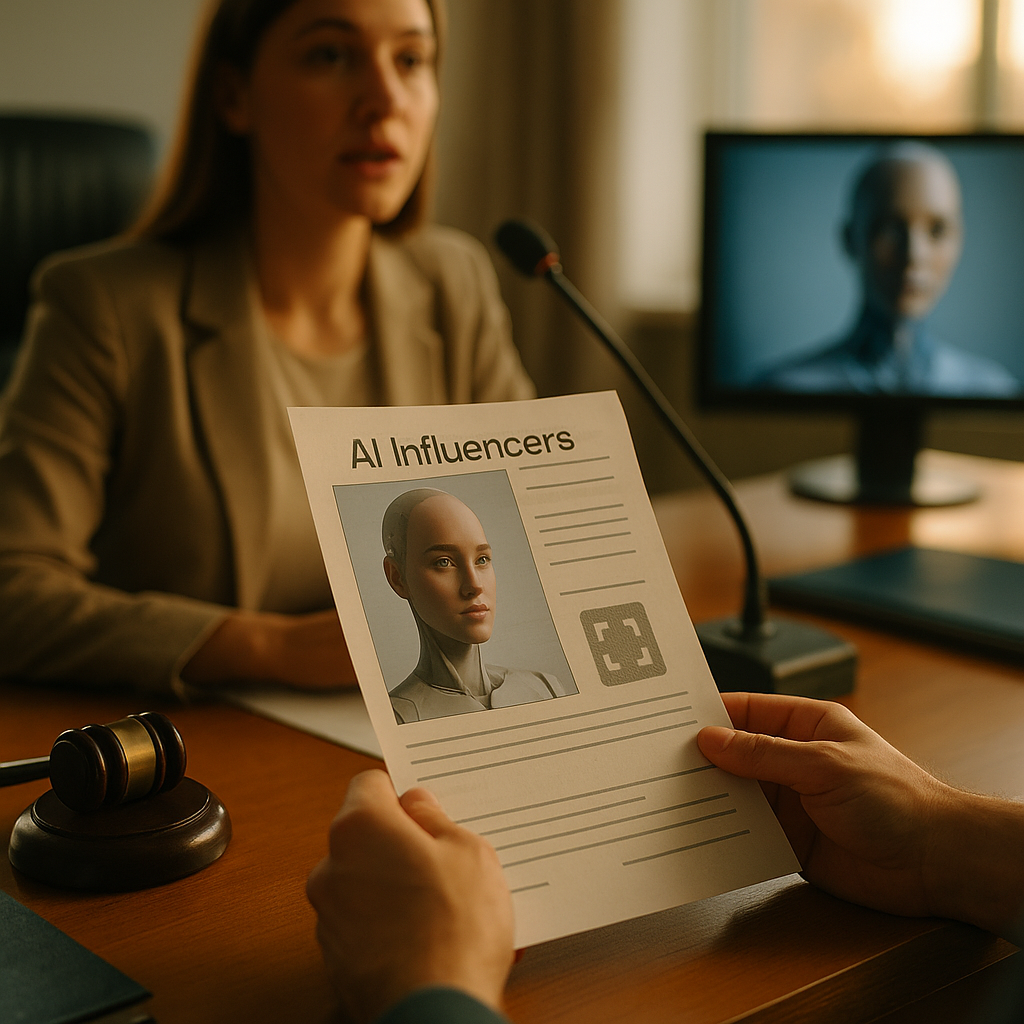
Understanding New Disclosure Rules for AI Generated Influencer Likeness matters more than ever as brands, creators, agencies, and platforms use synthetic media in everyday campaigns. In 2026, regulators and platforms expect clearer labeling when an ad uses a real person’s face, voice, or style through AI. The legal, ethical, and reputational stakes are rising fast, so what exactly must marketers disclose?
AI influencer disclosure rules: what changed in 2026
The biggest shift in 2026 is not that disclosure exists, but that it now applies more directly to AI-generated likeness used in advertising, endorsements, affiliate content, and branded social posts. A likeness can include a person’s face, body, voice, gestures, signature phrasing, or a recognizable digital twin built from their public content. If that likeness appears in sponsored content, the audience often needs a clear notice that AI was involved.
Across major markets, the emerging standard is simple: if a reasonable viewer could believe a real influencer created, appeared in, or approved content when AI actually generated or altered that impression, disclosure is likely required. This reflects broader truth-in-advertising principles, consumer protection law, publicity rights, and platform integrity rules.
Why regulators care is straightforward. AI likeness can create false endorsement signals. A synthetic video may suggest an influencer personally recorded a recommendation. An AI-cloned voice can imply a direct testimonial. A digital avatar may blur the line between paid spokesperson, fan-made parody, and deceptive commercial content. When money, promotion, or brand claims are involved, regulators expect transparency.
For marketers, the practical takeaway is that disclosure rules now sit at the intersection of several compliance areas:
- Advertising transparency for sponsored and paid content
- Right of publicity and consent to use a person’s identity
- Platform labeling rules for synthetic or manipulated media
- Data governance if AI models were trained on creator content or voice samples
- Contract law covering scope, approvals, usage windows, and compensation
This means disclosure is not just a creative decision. It is a legal, operational, and brand-trust issue that should be reviewed before launch, not after backlash appears.
AI generated likeness compliance: when disclosure is required
Many teams ask the same question: Do we always need to disclose AI? The safest answer is to assess the content in context. Disclosure is most likely required when the content could mislead viewers about who made it, who appears in it, or whether the endorsement is authentic.
Here are the most common scenarios where disclosure should be expected:
- AI replicas of real influencers in ads, including digital doubles and face-swapped campaign videos
- Voice clones reading scripts, product claims, or personal-sounding recommendations
- Generative edits that materially change what the influencer appears to say or do
- Deceased or inactive personalities used for commercial promotion
- Localized or scaled campaigns where AI makes it seem an influencer produced many versions personally
- Avatar-based endorsements strongly resembling a known creator’s identity, image, or mannerisms
Disclosure may also be needed even if the influencer gave permission. Consent and disclosure are different obligations. A brand can have the contractual right to use a licensed digital twin, but still need to tell consumers that the content is AI-generated or AI-enhanced.
Several factors increase disclosure risk:
- The content includes a product claim, especially in health, finance, beauty, or safety-sensitive categories.
- The influencer’s realism is high, making it difficult for an average viewer to detect AI.
- The post appears native to social feeds or stories, where viewers make fast assumptions.
- The campaign targets younger audiences, who may not distinguish synthetic media as easily in short-form formats.
- The content implies personal use or personal experience that never happened.
A useful internal test is this: would a typical consumer make a different judgment if they knew AI created or altered this likeness? If yes, disclosure should be prominent, plain, and hard to miss.
Synthetic media advertising transparency: what good disclosure looks like
Not all disclosures work. Hidden hashtags, fast-fading labels, or vague terms like “enhanced content” often fail the plain-language standard regulators and platforms increasingly expect. Effective disclosure should be easy to notice, easy to understand, and placed where viewers will actually see or hear it.
In practice, strong disclosure usually follows these principles:
- Proximity: place the notice in the video frame, caption, audio, or first-screen description near the claim or appearance
- Clarity: say AI-generated, AI voice clone, or digitally created likeness rather than using ambiguous wording
- Prominence: use readable text size, sufficient contrast, and duration long enough to be absorbed
- Consistency: match the disclosure format across paid social, influencer posts, landing pages, and programmatic assets
- Accessibility: support captions, audio cues, and mobile-friendly display
Examples of clearer labeling include:
- “This ad includes an AI-generated version of [Influencer Name] used with permission.”
- “Voice in this ad is an AI-generated replica of [Influencer Name].”
- “Paid partnership. This video uses AI-generated likeness and narration.”
Weak labeling includes phrases such as digitally remastered, creative simulation, or virtual storytelling when they obscure the fact that viewers are seeing a synthetic human performance. In commercial content, precision matters.
Teams should also remember that disclosure for paid partnership and disclosure for AI likeness are not interchangeable. A platform’s branded-content tag may identify the sponsor, but it does not always explain that the influencer shown is synthetic or AI-altered. Both notices may be necessary.
For multinational campaigns, local legal review is essential. The wording may differ by jurisdiction, but the strategic goal remains the same: prevent consumer confusion and preserve trust.
Influencer likeness rights and consent: contracts, permissions, and ownership
Disclosure is only one layer of compliance. If a campaign uses a real or recognizable influencer likeness, brands also need lawful rights to do so. This area is often governed by publicity rights, privacy law, copyright in certain creative elements, and contract terms negotiated with the creator or their estate.
A proper agreement for AI likeness use should define:
- What is being licensed: face, voice, name, catchphrases, mannerisms, archived footage, or training materials
- Permitted uses: social ads, ecommerce pages, connected TV, app onboarding, customer support, or internal testing
- Whether AI modification is allowed: translation, lip-syncing, script generation, body doubles, or synthetic scenes
- Approval rights: scripts, outputs, edits, claims, and final delivery review
- Time limits: campaign duration, archival rights, and renewal triggers
- Geographic scope: domestic, regional, or global use
- Exclusivity: category restrictions and conflict periods
- Compensation: flat fees, residuals, usage-based fees, and royalties tied to scaled AI deployment
- Model governance: whether materials can train future systems or only support one campaign
- Revocation and takedown: what happens if law, policy, or reputation risk changes
Without clear terms, disputes can arise quickly. An influencer may consent to one filmed campaign but object to an AI version appearing in dozens of languages. A voice actor may approve narration but not chatbot use. An estate may allow commemorative content but not direct product endorsement. These distinctions matter legally and ethically.
Brands should document chain of permission carefully, especially when agencies, production vendors, and AI tools are involved. Keep records of source materials, prompts, editing decisions, consent language, and approval timestamps. If a complaint emerges, this documentation can show the team acted responsibly and transparently.
Platform policy for AI endorsements: social, creator, and ad review risks
Even where the law is still evolving, platform rules already shape what campaigns can run. Social networks, video platforms, and ad marketplaces increasingly require labels for manipulated or synthetic media, particularly when the content depicts real people or could influence public understanding. Brand teams should treat platform policy as a frontline compliance requirement.
Common platform-risk triggers include:
- Realistic AI video of a known person in a sponsored placement
- Unlabeled edited testimonials that change tone or wording
- Political, health, or financial themes, which face stricter review
- Misleading thumbnails and captions suggesting authentic creator footage
- Repeated policy evasion across ad accounts or creator partnerships
Review teams may reject ads, limit distribution, or require edits if disclosures are missing or too subtle. In some cases, platforms may ask for proof that the depicted person authorized the use of their likeness. This is especially likely when a public figure or highly recognizable creator is involved.
To reduce risk, marketing teams should build a preflight checklist before launch:
- Confirm consent and usage rights for every likeness element.
- Map the content type across paid, organic, affiliate, and creator-posted placements.
- Apply the correct disclosure in visual, audio, and caption formats as needed.
- Review product claims for substantiation, especially if the synthetic influencer appears to offer personal experience.
- Check platform-specific policy for each destination channel.
- Archive final assets and approvals for audit readiness.
This process helps avoid a common mistake: treating AI disclosure as a post-production label instead of a campaign design decision. The earlier compliance is integrated, the easier it is to create content that performs without creating avoidable legal and trust problems.
Brand trust with AI influencers: best practices for marketers and creators
The best campaigns do more than satisfy the minimum rule. They show audiences that the brand respects context, consent, and authenticity. In 2026, trust is a performance factor. If viewers feel manipulated, engagement quality, creator relationships, and conversion efficiency can all suffer.
Strong teams follow a practical trust framework:
- Disclose early: do not wait until fine print or the landing page to explain AI use
- Avoid false intimacy: do not script synthetic content to imply lived experience that never occurred
- Separate fiction from endorsement: entertainment-style AI can still mislead when attached to product claims
- Respect creator identity: involve the influencer in approval, not just licensing
- Protect vulnerable audiences: use added caution with children, teens, and sensitive categories
- Monitor audience feedback: confusion in comments often signals that disclosure is insufficient
Creators also benefit from clear policies. They should know whether a brand can generate new content from old shoots, whether their voice can be translated synthetically, and whether AI outputs will be labeled in every placement. Influencers who negotiate these terms upfront protect both their brand equity and their audience relationship.
For in-house legal and marketing leads, EEAT principles are especially relevant here. Helpful content should reflect real operational experience, accurate legal framing, and transparent limitations. That means avoiding blanket claims such as “AI is always legal if disclosed” or “consent eliminates all risk.” Neither is reliable. The smarter approach is to combine legal review, documented permissions, substantiated claims, and audience-first transparency.
The brands that win with AI likeness will not be the ones that hide the technology best. They will be the ones that use it responsibly, explain it clearly, and maintain the human trust that influencer marketing depends on.
FAQs about AI generated influencer likeness disclosure
What is an AI-generated influencer likeness?
It is a synthetic or AI-altered representation of a real or recognizable influencer. It can include their face, voice, body, expressions, style, or digital avatar that makes viewers think of that person.
Do brands need disclosure if the influencer approved the campaign?
Usually, approval alone is not enough. If viewers could believe the influencer personally created or recorded the content when AI actually generated or changed it, disclosure may still be required.
Does a paid partnership tag cover AI disclosure?
No. A paid partnership tag identifies the commercial relationship, but it may not tell the audience that the content uses an AI-generated likeness, voice clone, or synthetic performance. Separate AI disclosure may be needed.
What wording is safest for AI likeness disclosure?
Clear, direct wording is strongest. Examples include “AI-generated likeness,” “AI-generated voice,” or “This ad uses an AI-created version of [Name] with permission.” Avoid vague phrases that hide the synthetic nature of the content.
Can a brand use an influencer’s old content to train an AI model?
Not without specific rights. A campaign license does not automatically grant permission to train models, create future outputs, or deploy a reusable digital twin. Contracts should address training, retention, and future use explicitly.
Are voice clones treated differently from visual clones?
They can be. Voice rights and biometric concerns may raise separate legal issues, and voice clones can be especially deceptive in testimonial-style advertising. They should be reviewed with the same caution as visual likenesses.
Who is responsible for disclosure: the brand, agency, or creator?
Potentially all three. Responsibility depends on local law, platform rules, and contract terms, but each party should verify that required disclosures appear correctly in every placement.
What happens if disclosure is missing?
Risks include regulatory scrutiny, takedown demands, rejected ads, contractual disputes, publicity-rights claims, and reputational damage. The cost often exceeds the effort needed to disclose clearly from the start.
Understanding new disclosure rules for AI generated influencer likeness means recognizing that transparency, consent, and truthful advertising now work together. In 2026, brands should assume that realistic synthetic endorsements need clear labeling, documented rights, and platform-specific review. The clearest takeaway is practical: if AI changes who appears to speak, endorse, or perform, disclose it plainly and secure permission before publishing.
Top Influencer Marketing Agencies
The leading agencies shaping influencer marketing in 2026
Agencies ranked by campaign performance, client diversity, platform expertise, proven ROI, industry recognition, and client satisfaction. Assessed through verified case studies, reviews, and industry consultations.
Moburst

-
2

The Shelf
Boutique Beauty & Lifestyle Influencer AgencyA data-driven boutique agency specializing exclusively in beauty, wellness, and lifestyle influencer campaigns on Instagram and TikTok. Best for brands already focused on the beauty/personal care space that need curated, aesthetic-driven content.Clients: Pepsi, The Honest Company, Hims, Elf Cosmetics, Pure LeafVisit The Shelf → -
3

Audiencly
Niche Gaming & Esports Influencer AgencyA specialized agency focused exclusively on gaming and esports creators on YouTube, Twitch, and TikTok. Ideal if your campaign is 100% gaming-focused — from game launches to hardware and esports events.Clients: Epic Games, NordVPN, Ubisoft, Wargaming, Tencent GamesVisit Audiencly → -
4

Viral Nation
Global Influencer Marketing & Talent AgencyA dual talent management and marketing agency with proprietary brand safety tools and a global creator network spanning nano-influencers to celebrities across all major platforms.Clients: Meta, Activision Blizzard, Energizer, Aston Martin, WalmartVisit Viral Nation → -
5

The Influencer Marketing Factory
TikTok, Instagram & YouTube CampaignsA full-service agency with strong TikTok expertise, offering end-to-end campaign management from influencer discovery through performance reporting with a focus on platform-native content.Clients: Google, Snapchat, Universal Music, Bumble, YelpVisit TIMF → -
6

NeoReach
Enterprise Analytics & Influencer CampaignsAn enterprise-focused agency combining managed campaigns with a powerful self-service data platform for influencer search, audience analytics, and attribution modeling.Clients: Amazon, Airbnb, Netflix, Honda, The New York TimesVisit NeoReach → -
7

Ubiquitous
Creator-First Marketing PlatformA tech-driven platform combining self-service tools with managed campaign options, emphasizing speed and scalability for brands managing multiple influencer relationships.Clients: Lyft, Disney, Target, American Eagle, NetflixVisit Ubiquitous → -
8

Obviously
Scalable Enterprise Influencer CampaignsA tech-enabled agency built for high-volume campaigns, coordinating hundreds of creators simultaneously with end-to-end logistics, content rights management, and product seeding.Clients: Google, Ulta Beauty, Converse, AmazonVisit Obviously →