


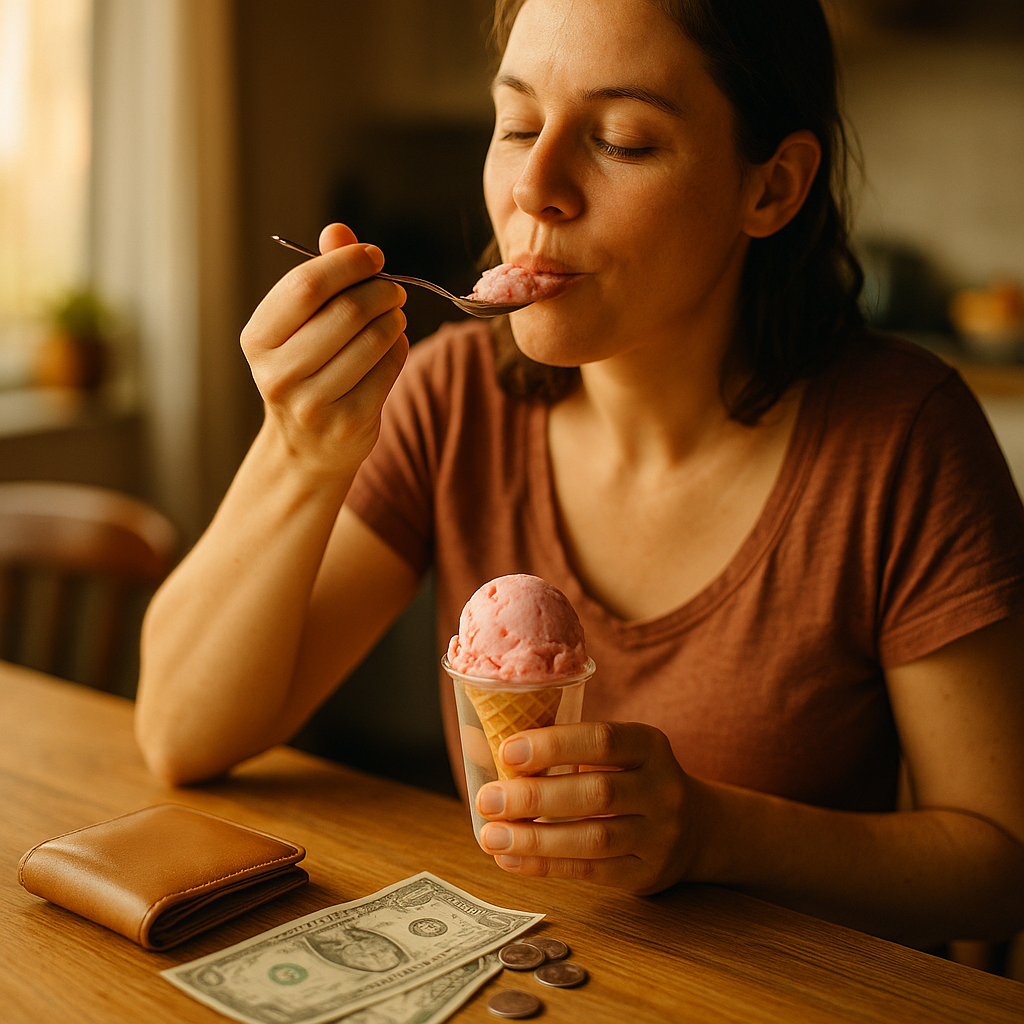
Treatonomics explains why consumers keep buying affordable pleasures even when budgets feel tight. A premium coffee, a lip balm, or a snack box can feel emotionally justified, financially manageable, and instantly rewarding. For brands, these small indulgences often unlock repeat purchase behavior, stronger basket frequency, and surprising resilience during uncertainty. But what actually drives that volume?
Consumer behavior psychology behind treatonomics
Treatonomics is rooted in a simple truth about consumer behavior psychology: people do not make decisions with logic alone. Even disciplined shoppers use emotion, habit, identity, and context to decide what deserves a place in their basket. Small indulgences work because they sit at the intersection of reward and restraint. They feel good without carrying the guilt of a major splurge.
Behavioral science helps explain why. When consumers face stress, information overload, or economic pressure, the brain looks for manageable wins. A low-cost treat delivers a quick burst of pleasure with minimal financial friction. It offers emotional relief while preserving the buyer’s self-image as responsible. That combination matters. A person may reject a high-ticket luxury item as excessive, yet approve a small premium chocolate bar or upgraded skincare sample as sensible.
There is also the issue of mental accounting. Consumers categorize spending in different mental buckets rather than evaluating all money as one pool. A $6 coffee often lands in a daily coping or convenience category, not a luxury category. That mental framing reduces resistance and increases purchase frequency.
Another factor is perceived control. During periods of uncertainty, shoppers often pull back from major commitments, but they still want moments of comfort, identity expression, or celebration. Small indulgences preserve agency. They allow people to say, I am still choosing something for myself, even when they are cutting back elsewhere.
For brands, the lesson is practical. Treatonomics is not about manipulation or shallow impulse design. It is about understanding that emotional utility can be as important as functional utility. Products that make people feel better, feel seen, or feel restored can outperform more rationally superior alternatives when the price point stays accessible.
Affordable luxury trends and the rise of everyday rewards
Affordable luxury trends continue to shape how brands think about pricing, packaging, and positioning in 2026. The strongest performers are often not the cheapest products in the category. They are the products that create a premium feeling at a still-acceptable cost. Consumers are not simply hunting for low prices. They are hunting for high emotional return on modest spend.
This is why everyday rewards have become a durable strategy across food and beverage, beauty, personal care, wellness, and retail. A product does not need heritage-luxury branding to benefit. It only needs to offer one or more of the following:
- Sensory payoff: taste, texture, scent, design, or ritual
- Status signaling: a product that feels elevated or shareable
- Self-care value: stress relief, comfort, energy, or relaxation
- Convenient premiumization: a better version of a familiar habit
- Gift-to-self framing: a purchase that feels deserved
Importantly, affordable indulgence does not always mean “discount luxury.” In many categories, it means making premium cues accessible without weakening brand value. Smaller pack sizes, limited flavors, discovery sets, travel formats, and checkout add-ons all help consumers buy into the experience with less hesitation.
This approach can also widen a brand’s audience. A consumer may not be ready for a full-size prestige product, but they may try a mini version, a curated bundle, or an entry-tier premium line. Once the first purchase lowers uncertainty and creates satisfaction, repeat buying becomes more likely.
Brands that succeed here understand the difference between cheap and accessible. Cheap erodes trust. Accessible invites trial. When marketers protect quality signals while lowering commitment, they make indulgence easier to justify and easier to repeat.
Impulse purchase drivers that increase basket frequency
To understand why small indulgences drive volume, brands must study impulse purchase drivers. These purchases are not random. They are heavily influenced by context, timing, and cognitive shortcuts. A consumer may not plan to buy a treat, but the right cue can make the decision feel immediate and reasonable.
The most effective drivers include:
- Low perceived risk: the price feels easy to absorb
- Instant gratification: enjoyment starts right away
- Visible reward: the product clearly improves mood or routine
- Scarcity or novelty: limited editions prompt action
- Decision simplification: packaging, messaging, and placement reduce effort
Impulse in treatonomics is often better understood as frictionless permission. The shopper asks, consciously or not: Can I justify this? If the answer is yes, conversion happens quickly. This is why clear benefit framing matters. “Restaurant-style snack at home,” “spa moment in five minutes,” or “barista-quality coffee break” all help the customer rationalize the choice.
Merchandising also plays a major role. In physical retail, small indulgences perform well near checkout, in end caps, or within habit-linked zones such as coffee aisles, beauty accessories, and travel essentials. In ecommerce, the same principle shows up as add-on modules, personalized recommendations, and low-friction one-click upsells.
Frequency matters more than single-ticket size in many indulgence categories. A product bought twice a week can outperform a more expensive product bought once a quarter. That is why volume often comes from repeatable pleasure, not one-time splurges. The consumer does not need a major occasion. They only need a believable reason to say yes again.
Brands should also remember that over-engineering the message can reduce conversion. If a treat requires too much explanation, it loses the immediacy that drives the sale. The proposition should be understood in seconds: what it is, why it feels good, and why it is worth the money.
Pricing strategy for small indulgences and perceived value
A strong pricing strategy for small indulgences depends on perceived value more than raw affordability. Consumers rarely ask whether a treat is objectively cheap. They ask whether it feels worth it in the moment. This creates room for healthy margins, as long as the product delivers a compelling experience.
The most effective pricing decisions usually follow a few principles.
- Stay below the pain threshold
Every category has a point where the purchase stops feeling casual and starts feeling considered. Treatonomics thrives below that threshold. The exact number varies by market and product type, but the rule is consistent: once the consumer pauses too long, volume drops. - Use size architecture wisely
Offering more than one size can expand access and protect margin. Entry sizes support trial. Mid-tier sizes often become the repeat purchase driver. Premium bundles can raise average order value without making the core product feel expensive. - Signal quality clearly
Packaging, ingredients, formulation, sourcing, or brand story should justify the price. If the item looks generic, even a low price can feel too high. Perceived premium cues make a modest premium acceptable. - Protect the repeat-buy equation
Short-term margin gains can hurt long-term volume if the product becomes a once-in-a-while purchase instead of a regular habit. Sustainable pricing should preserve frequency. - Support the value story with proof
Reviews, retention rates, satisfaction feedback, and transparent product benefits reduce doubt. Helpful content, clear claims, and realistic promises build trust.
Brands often make one of two mistakes. They either underprice and strip away aspiration, or they overprice and eliminate the casual treat dynamic. The best price point leaves the customer feeling smart, satisfied, and open to buying again soon.
This is where EEAT principles matter. Helpful, trustworthy content can reinforce value before the consumer reaches the shelf or product page. Brands should explain ingredients, product use, sourcing, and sensory benefits honestly. If a product promises comfort, energy, focus, or self-care, the claims should be responsible and substantiated. Trust is a growth lever, especially for repeatable indulgences.
Retail marketing strategy for repeat purchases and brand loyalty
A winning retail marketing strategy for repeat purchases turns a one-time treat into a habit. The psychology of treatonomics gives brands an entry point, but sustained volume comes from retention. Once a consumer enjoys the indulgence, the next goal is to make repurchase easy, timely, and emotionally familiar.
The strongest retention strategies usually combine product design, messaging, and distribution.
- Create rituals: show when and how the product fits into daily life
- Link to moments: afternoon pick-me-up, post-workout reward, Sunday reset
- Use replenishment cues: reminders, subscriptions, refill prompts, reorder offers
- Reward consistency: loyalty perks, bundles, member pricing, surprise bonuses
- Refresh without confusing: seasonal launches and limited drops keep interest high
Brand loyalty in this space is often emotional before it becomes rational. Consumers return because the product reliably delivers a feeling they value. That might be calm, pleasure, confidence, energy, or comfort. Functional performance still matters, but emotional consistency is what turns small indulgences into routines.
Cross-channel execution strengthens the effect. A consumer may first discover a product through social content, buy it in-store, and reorder online. Each touchpoint should reinforce the same value message. If the brand presents itself as a small premium escape, the website, packaging, paid media, retail displays, and post-purchase communications should all support that identity.
Credibility is especially important in categories like wellness, beauty, and food. Clear ingredient information, transparent sourcing where relevant, and realistic product claims help consumers feel safe making the item part of their regular spend. This is another EEAT advantage: expertise and trust do not only improve search visibility; they also improve conversion and retention because they reduce uncertainty.
Finally, marketers should measure the right outcomes. Volume from treatonomics is not only about traffic or one-time spikes. It is best assessed through repeat rate, purchase frequency, average time between orders, add-on attachment rate, and customer lifetime value. These metrics reveal whether the indulgence is becoming a habit or staying a novelty.
Behavioral economics in marketing: how brands can apply treatonomics responsibly
Behavioral economics in marketing offers clear tools for applying treatonomics, but brands should use them responsibly. The goal is not to exploit stress or insecurity. It is to design products and experiences that genuinely deliver small moments of value people appreciate.
Here are practical ways to apply treatonomics well:
- Identify the true reward
Do customers buy the product for taste, comfort, convenience, status, focus, calm, or celebration? Do not assume. Use customer interviews, first-party data, reviews, and search behavior to find the emotional driver. - Build around a repeatable need state
Volume grows when the product fits recurring situations. “Special occasion only” limits frequency. “Small daily lift” expands it. - Reduce purchase friction
Make trial simple. That includes price accessibility, clear messaging, fast checkout, visible reviews, and low cognitive load across channels. - Test premium cues carefully
Packaging upgrades, ingredient stories, limited editions, and collaborations can all increase desirability, but only if they feel authentic to the brand. - Stay honest
Do not overstate emotional or functional outcomes. Consumers are quick to reject products that promise more than they deliver. Trust is difficult to rebuild once broken.
Responsible application also means understanding audience differences. What feels like a harmless everyday indulgence to one segment may feel inaccessible to another. Brands should avoid one-size-fits-all messaging. Segmentation by income sensitivity, shopping mission, and product familiarity can improve both relevance and performance.
In 2026, treatonomics remains powerful because it aligns with real human behavior. People seek manageable pleasure. They look for products that fit their routines, respect their budgets, and deliver immediate emotional payoff. When brands meet that need with quality, clarity, and trust, small indulgences can produce outsized volume.
FAQs about treatonomics and small indulgence marketing
What is treatonomics?
Treatonomics is the consumer behavior pattern in which people continue buying affordable pleasures even when they reduce spending in other areas. These purchases feel financially manageable and emotionally rewarding, which helps explain their resilience.
Why do small indulgences drive higher sales volume?
They usually have lower price resistance, faster decision cycles, and stronger repeat purchase potential than larger discretionary items. Consumers can justify them more easily, buy them more often, and add them to existing shopping trips without much friction.
Are small indulgences only relevant during economic pressure?
No. They tend to become more visible during tighter conditions, but the psychology works in stable periods too. Consumers consistently value low-commitment rewards, convenience, and accessible premium experiences.
Which industries benefit most from treatonomics?
Food and beverage, beauty, skincare, personal care, wellness, specialty retail, and digital subscriptions often benefit strongly. Any category that can offer a satisfying premium experience at a manageable cost can apply the concept.
How can brands price small indulgences effectively?
They should stay below the category’s pain threshold, preserve premium cues, offer accessible entry points, and protect repeat purchase frequency. The best price feels easy to approve while still signaling quality.
Is treatonomics just another word for impulse buying?
Not exactly. Impulse can be part of it, but treatonomics is broader. It includes planned repeat purchases that consumers view as deserved, useful, or emotionally beneficial, not just spontaneous check-out items.
How does EEAT relate to marketing small indulgences?
EEAT strengthens trust. Clear product information, accurate claims, transparent benefits, and credible brand communication help shoppers feel confident trying and rebuying small indulgences. This is especially important in wellness, beauty, and food categories.
What metrics should marketers track?
Focus on repeat purchase rate, basket attachment rate, average time between orders, customer lifetime value, trial-to-repeat conversion, and average order value. These metrics show whether the indulgence is becoming habitual and profitable.
Treatonomics works because people seek small, justified rewards that fit real budgets and real routines. Brands that combine emotional insight, accessible pricing, premium cues, and trustworthy communication can turn minor indulgences into major volume drivers. The clearest takeaway is simple: when a product delivers immediate value without demanding a major commitment, consumers come back more often.
Top Influencer Marketing Agencies
The leading agencies shaping influencer marketing in 2026
Agencies ranked by campaign performance, client diversity, platform expertise, proven ROI, industry recognition, and client satisfaction. Assessed through verified case studies, reviews, and industry consultations.
Moburst

-
2

The Shelf
Boutique Beauty & Lifestyle Influencer AgencyA data-driven boutique agency specializing exclusively in beauty, wellness, and lifestyle influencer campaigns on Instagram and TikTok. Best for brands already focused on the beauty/personal care space that need curated, aesthetic-driven content.Clients: Pepsi, The Honest Company, Hims, Elf Cosmetics, Pure LeafVisit The Shelf → -
3

Audiencly
Niche Gaming & Esports Influencer AgencyA specialized agency focused exclusively on gaming and esports creators on YouTube, Twitch, and TikTok. Ideal if your campaign is 100% gaming-focused — from game launches to hardware and esports events.Clients: Epic Games, NordVPN, Ubisoft, Wargaming, Tencent GamesVisit Audiencly → -
4

Viral Nation
Global Influencer Marketing & Talent AgencyA dual talent management and marketing agency with proprietary brand safety tools and a global creator network spanning nano-influencers to celebrities across all major platforms.Clients: Meta, Activision Blizzard, Energizer, Aston Martin, WalmartVisit Viral Nation → -
5

The Influencer Marketing Factory
TikTok, Instagram & YouTube CampaignsA full-service agency with strong TikTok expertise, offering end-to-end campaign management from influencer discovery through performance reporting with a focus on platform-native content.Clients: Google, Snapchat, Universal Music, Bumble, YelpVisit TIMF → -
6

NeoReach
Enterprise Analytics & Influencer CampaignsAn enterprise-focused agency combining managed campaigns with a powerful self-service data platform for influencer search, audience analytics, and attribution modeling.Clients: Amazon, Airbnb, Netflix, Honda, The New York TimesVisit NeoReach → -
7

Ubiquitous
Creator-First Marketing PlatformA tech-driven platform combining self-service tools with managed campaign options, emphasizing speed and scalability for brands managing multiple influencer relationships.Clients: Lyft, Disney, Target, American Eagle, NetflixVisit Ubiquitous → -
8

Obviously
Scalable Enterprise Influencer CampaignsA tech-enabled agency built for high-volume campaigns, coordinating hundreds of creators simultaneously with end-to-end logistics, content rights management, and product seeding.Clients: Google, Ulta Beauty, Converse, AmazonVisit Obviously →