


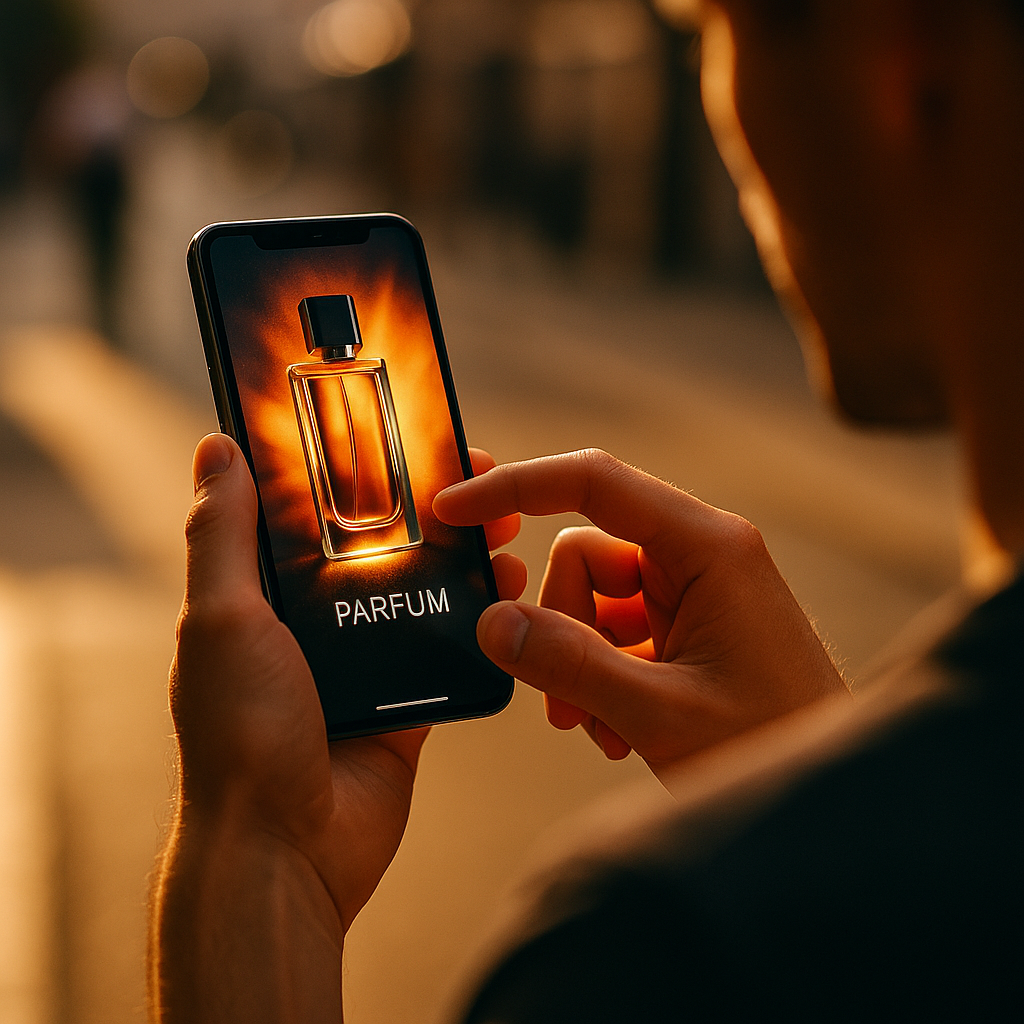
Haptic interaction in modern mobile brand storytelling is changing how brands create memorable digital experiences in 2026. Instead of relying only on visuals and sound, marketers now use touch feedback to guide attention, reinforce emotion, and increase recall. When every swipe, tap, and vibration can shape perception, the question is no longer whether haptics matter, but how brands can use them well.
Why mobile brand storytelling now depends on touch as well as sight
Mobile devices have always been intimate. People carry them everywhere, hold them close, and interact with them dozens or even hundreds of times each day. That physical relationship gives brands a storytelling channel that desktop never offered: touch. Haptic feedback turns a screen interaction into a felt experience, making a campaign, app flow, or branded moment more immediate.
In practical terms, haptic interaction refers to vibrations, pulses, taps, resistance cues, and other tactile feedback triggered by user actions or system events. On modern smartphones, these signals can be subtle and highly intentional. A soft pulse can confirm a payment. A sharper tap can signal urgency. A patterned vibration can support a narrative sequence in a game, retail app, or interactive ad.
For brand storytelling, this matters because stories work best when they engage more than one sense. Visual identity builds recognition. Audio creates mood. Touch adds embodiment. It makes a user feel part of the interaction rather than merely observing it. That shift can strengthen memory encoding, improve usability, and deepen emotional resonance.
Brands often ask whether haptics are just a design flourish. The answer is no, not when used strategically. Effective tactile design can:
- Guide attention without adding visual clutter
- Reinforce key moments such as achievement, confirmation, or discovery
- Reduce friction by clearly signaling that an action succeeded
- Support emotional tone through intensity, rhythm, and timing
- Differentiate mobile experiences in crowded categories
Because mobile screens are crowded, every brand is competing for limited cognitive bandwidth. Haptics can cut through that noise by communicating through another channel. When users feel an interaction, they process it faster and often with greater confidence. That is why touch is becoming an integral part of modern storytelling rather than an optional layer.
How haptic feedback marketing strengthens emotion, memory, and recall
Brand storytelling succeeds when it creates a clear feeling and leaves a durable impression. Haptic feedback supports both goals. Well-designed tactile cues make moments feel more consequential. A celebratory micro-vibration after a milestone in a fitness app can make progress feel earned. A gentle pulse during onboarding can reduce uncertainty and help users move through a flow with confidence.
The impact comes from timing and context. Haptics should not exist in isolation. They are most effective when aligned with visual transitions, copy, sound, and user intent. If a brand wants to communicate calm, the tactile language should be restrained and smooth. If it wants to create urgency during a limited-time offer or live event, shorter and more decisive pulses may be appropriate.
From a marketing perspective, this alignment improves message delivery in three ways:
- It increases salience. Users are more likely to notice an interaction when they feel it.
- It supports recognition. Repeated tactile patterns can become part of a brand’s interaction identity.
- It improves recall. Multisensory experiences are often easier to remember than visual-only ones.
Marketers also benefit because haptics can make small moments more effective. Not every campaign needs a cinematic video or a complex interactive build. Sometimes the strongest storytelling happens in micro-interactions: adding a product to cart, unlocking a loyalty reward, completing a challenge, or revealing a personalized offer. These moments shape how users judge the brand overall.
There is also a trust dimension. In financial services, health, travel, and commerce, users need assurance that their action worked. A tactile confirmation can reduce hesitation and perceived risk. That practical value blends naturally with storytelling. The brand is not just saying it is reliable; it is making reliability felt.
However, brands should avoid overusing haptics. Constant or exaggerated vibrations quickly become distracting. They can also undermine premium positioning. The best haptic feedback marketing feels intentional, sparse, and connected to a clear story arc. If every action vibrates, none of them feels important.
Designing sensory branding on mobile with strategy, not novelty
Sensory branding on mobile requires discipline. Many teams still treat haptics as a late-stage product feature, added after visuals and copy are finished. That approach limits impact. Haptics work best when included early in creative and UX planning, alongside brand voice, interface behavior, and campaign objectives.
A practical framework starts with brand character. Ask what the brand should feel like in the hand. Premium brands may use crisp, minimal confirmations. Entertainment apps may use dynamic patterns that add playfulness. Wellness brands often benefit from softer, slower tactile feedback that supports calm and reassurance.
Next, map haptic moments to user journeys. Not every touchpoint needs tactile feedback. Focus on moments where touch adds clarity, emotion, or memorability. These often include:
- Onboarding steps where users need reassurance
- Core actions such as save, submit, pay, or book
- Rewards, progress markers, and milestone celebrations
- Interactive content reveals and immersive campaign elements
- Accessibility-enhancing cues for navigation and status changes
Brands should then define a tactile system, just as they define typography, color, and tone of voice. This system can include intensity levels, rhythm guidelines, and rules for what types of actions deserve tactile emphasis. Consistency matters. Users should feel that the experience belongs to one brand rather than a set of disconnected screens.
Testing is essential. Haptics are experienced physically, so teams should evaluate them on actual devices, in realistic contexts, and with diverse users. A pulse that feels elegant in a quiet office may feel too weak on a crowded commute. A repeated cue that seems helpful at first may become irritating after extended use. Expert teams review these details with both UX goals and brand goals in mind.
EEAT principles are especially relevant here. Helpful content and credible brand experiences come from demonstrated expertise and real-world validation. Brands should rely on product designers, mobile strategists, accessibility specialists, and user research findings, not assumptions. The most effective haptic storytelling is grounded in testing, user behavior, and platform best practices.
Where user experience design and branded haptics create measurable value
Haptics are not only about delight. They can improve key performance indicators when tied to user experience design. Better feedback reduces confusion. Better clarity improves flow completion. Better flow completion can lift conversion, retention, and satisfaction. This chain is what makes tactile design relevant to marketers, product owners, and brand teams alike.
Consider a retail app. If a user taps to add an item to wishlist and receives no feedback, they may repeat the action or question whether it worked. A subtle haptic signal paired with a visual state change removes ambiguity. In a travel app, tactile confirmation can reduce anxiety during booking. In gaming, haptics intensify immersion and reward loops. In media and entertainment, they can support synchronized, event-based storytelling.
Branded haptics can also contribute to:
- Higher task confidence during sensitive actions
- Stronger onboarding completion when cues reduce uncertainty
- Improved engagement through more immersive interactions
- Greater brand distinctiveness when tactile patterns feel ownable
- Lower cognitive load by replacing extra text or visual instructions
That said, measurement must be realistic. It is difficult to isolate the business impact of haptics alone unless teams run controlled experiments. The best approach is to test haptic-enhanced experiences against equivalent non-haptic versions and compare metrics such as completion rate, repeat engagement, time to task success, and satisfaction feedback.
Qualitative research matters too. Ask users how the experience felt, whether they noticed key moments, and whether tactile signals increased confidence or immersion. The answer may reveal not just whether haptics work, but which specific patterns contribute most to storytelling and usability.
For brands with global audiences, device variation should also be considered. Haptic motors, operating systems, and user settings differ. That means teams should design for graceful variation rather than assuming identical physical output everywhere. A strong user experience design process accounts for these constraints without losing the storytelling intent.
Using interactive mobile experiences without harming accessibility or trust
As brands add more sensory depth, accessibility becomes more important, not less. Haptics can make interactive mobile experiences more inclusive by offering non-visual cues for status, navigation, and confirmation. For some users, tactile feedback supports independence and ease of use. But it must be implemented carefully.
First, users need control. If someone has reduced vibration settings enabled or prefers minimal sensory feedback, the experience should respect that choice. Haptics should complement, not replace, visual and audio cues unless there is a clear accessibility reason and platform support. Important information should never rely on touch alone.
Second, avoid manipulative design. Because haptics feel immediate, they can push urgency or reward-seeking behavior very effectively. Brands should use that power responsibly. Artificially intense feedback to pressure purchases, create false scarcity, or encourage compulsive behavior can erode trust and damage long-term brand equity.
Third, make interactions predictable. If the same user action produces different tactile responses without explanation, users may feel uncertainty rather than confidence. Predictability is especially valuable in finance, health, and utility apps, where trust is central to the experience.
Privacy and emotional sensitivity also matter. If an app uses haptics around personal notifications, health updates, or financial alerts, the patterns should be discreet. Tactile feedback can communicate importance without exposing sensitive content in public settings, but only if designed with care.
Brands that lead in this space treat haptics as part of ethical experience design. They document how and why touch feedback is used, validate it with research, and ensure it supports user needs before campaign goals. That approach aligns with EEAT because it reflects expertise, trustworthiness, and a clear commitment to helpful, user-first content and design.
The future of mobile marketing trends: tactile storytelling as a brand asset
In 2026, the next phase of mobile marketing is not simply louder visuals or more notifications. It is smarter, more human interaction design. Haptics fit that shift because they add depth without demanding more screen space. As devices become more responsive and brands become more sophisticated, tactile storytelling is moving from experimentation to strategic advantage.
Several trends are driving this change. First, users expect polished mobile experiences. Small interaction details now influence whether a brand feels premium, trustworthy, and modern. Second, competition in mobile-first categories is intense, so differentiation increasingly comes from how an experience feels, not only how it looks. Third, AI-driven personalization is making adaptive interaction patterns more feasible, including context-aware tactile cues that respond to user behavior and intent.
We are also seeing stronger alignment between product teams and brand teams. Historically, branding lived in campaigns while UX lived in apps. That divide is narrowing. The mobile product itself is now one of the most important brand channels, and haptic design sits directly at that intersection.
For leaders planning ahead, the takeaway is clear: treat tactile interaction as a brand asset. Build a repeatable haptic vocabulary. Tie it to emotional goals and user needs. Test it rigorously. Measure its effects. Refine it across the customer journey. Brands that do this well will create experiences that feel more coherent, more memorable, and more human.
The opportunity is not to add vibration everywhere. It is to make every felt moment matter. When touch is used with purpose, mobile storytelling becomes more than communication. It becomes experience.
FAQs about haptic interaction in mobile storytelling
What is haptic interaction in mobile brand storytelling?
It is the use of tactile feedback, such as vibrations or pulses, to support brand experiences on mobile devices. Brands use it to confirm actions, reinforce emotions, guide users, and make stories feel more immersive.
Why do haptics matter for brand storytelling?
Haptics add a sensory layer beyond visuals and sound. That can improve attention, emotional impact, usability, and memory. When users feel an interaction, the brand experience often becomes more immediate and memorable.
Can haptics improve conversion rates?
They can contribute indirectly by reducing uncertainty and improving task confidence. For example, a clear tactile confirmation can help users complete checkout, booking, or sign-up flows more smoothly. The impact should be validated through testing.
Are haptics only useful for apps, or also for mobile ads and campaigns?
They are relevant to both. In apps, haptics support ongoing product experience and retention. In campaigns, they can enhance interactive moments, branded content, and gamified experiences when the platform and device support them.
How can a brand create a distinctive haptic identity?
Start by defining brand personality and mapping it to tactile qualities such as intensity, rhythm, and frequency of use. Then apply those principles consistently across key mobile touchpoints, just as you would with visual and verbal branding.
What are the biggest mistakes brands make with haptic design?
Common mistakes include overusing vibrations, ignoring accessibility settings, applying haptics without clear purpose, and failing to test on real devices. Poorly designed haptics feel annoying or random instead of helpful and branded.
Do haptics support accessibility?
Yes, when implemented correctly. They can provide extra confirmation, navigation support, and non-visual status cues. However, they should complement other signals and respect user preferences and platform accessibility settings.
How should teams measure the success of haptic storytelling?
Use a mix of quantitative and qualitative methods. Track completion rates, engagement, repeat behavior, and satisfaction, then compare versions with and without haptic cues. User interviews and usability tests can reveal whether the tactile design actually improved clarity and emotion.
Are haptics relevant in 2026 for all industries?
Not equally, but they are relevant across many sectors including retail, gaming, finance, health, travel, media, and wellness. The best use cases are those where touch can add confidence, emotional resonance, or immersion without increasing friction.
Should every branded interaction include haptics?
No. The strongest strategy is selective use. Haptics should highlight meaningful moments, not overwhelm the experience. If every interaction feels the same, the tactile layer loses both usability value and storytelling power.
Haptic interaction gives mobile brand storytelling a physical dimension that visuals alone cannot match. When brands use touch with discipline, empathy, and technical care, they improve clarity, deepen emotion, and make digital experiences more memorable. The clear takeaway for 2026 is simple: treat haptics as a strategic storytelling tool, not a decorative effect, and every key interaction can carry more meaning.
Top Influencer Marketing Agencies
The leading agencies shaping influencer marketing in 2026
Agencies ranked by campaign performance, client diversity, platform expertise, proven ROI, industry recognition, and client satisfaction. Assessed through verified case studies, reviews, and industry consultations.
Moburst

-
2

The Shelf
Boutique Beauty & Lifestyle Influencer AgencyA data-driven boutique agency specializing exclusively in beauty, wellness, and lifestyle influencer campaigns on Instagram and TikTok. Best for brands already focused on the beauty/personal care space that need curated, aesthetic-driven content.Clients: Pepsi, The Honest Company, Hims, Elf Cosmetics, Pure LeafVisit The Shelf → -
3

Audiencly
Niche Gaming & Esports Influencer AgencyA specialized agency focused exclusively on gaming and esports creators on YouTube, Twitch, and TikTok. Ideal if your campaign is 100% gaming-focused — from game launches to hardware and esports events.Clients: Epic Games, NordVPN, Ubisoft, Wargaming, Tencent GamesVisit Audiencly → -
4

Viral Nation
Global Influencer Marketing & Talent AgencyA dual talent management and marketing agency with proprietary brand safety tools and a global creator network spanning nano-influencers to celebrities across all major platforms.Clients: Meta, Activision Blizzard, Energizer, Aston Martin, WalmartVisit Viral Nation → -
5

The Influencer Marketing Factory
TikTok, Instagram & YouTube CampaignsA full-service agency with strong TikTok expertise, offering end-to-end campaign management from influencer discovery through performance reporting with a focus on platform-native content.Clients: Google, Snapchat, Universal Music, Bumble, YelpVisit TIMF → -
6

NeoReach
Enterprise Analytics & Influencer CampaignsAn enterprise-focused agency combining managed campaigns with a powerful self-service data platform for influencer search, audience analytics, and attribution modeling.Clients: Amazon, Airbnb, Netflix, Honda, The New York TimesVisit NeoReach → -
7

Ubiquitous
Creator-First Marketing PlatformA tech-driven platform combining self-service tools with managed campaign options, emphasizing speed and scalability for brands managing multiple influencer relationships.Clients: Lyft, Disney, Target, American Eagle, NetflixVisit Ubiquitous → -
8

Obviously
Scalable Enterprise Influencer CampaignsA tech-enabled agency built for high-volume campaigns, coordinating hundreds of creators simultaneously with end-to-end logistics, content rights management, and product seeding.Clients: Google, Ulta Beauty, Converse, AmazonVisit Obviously →